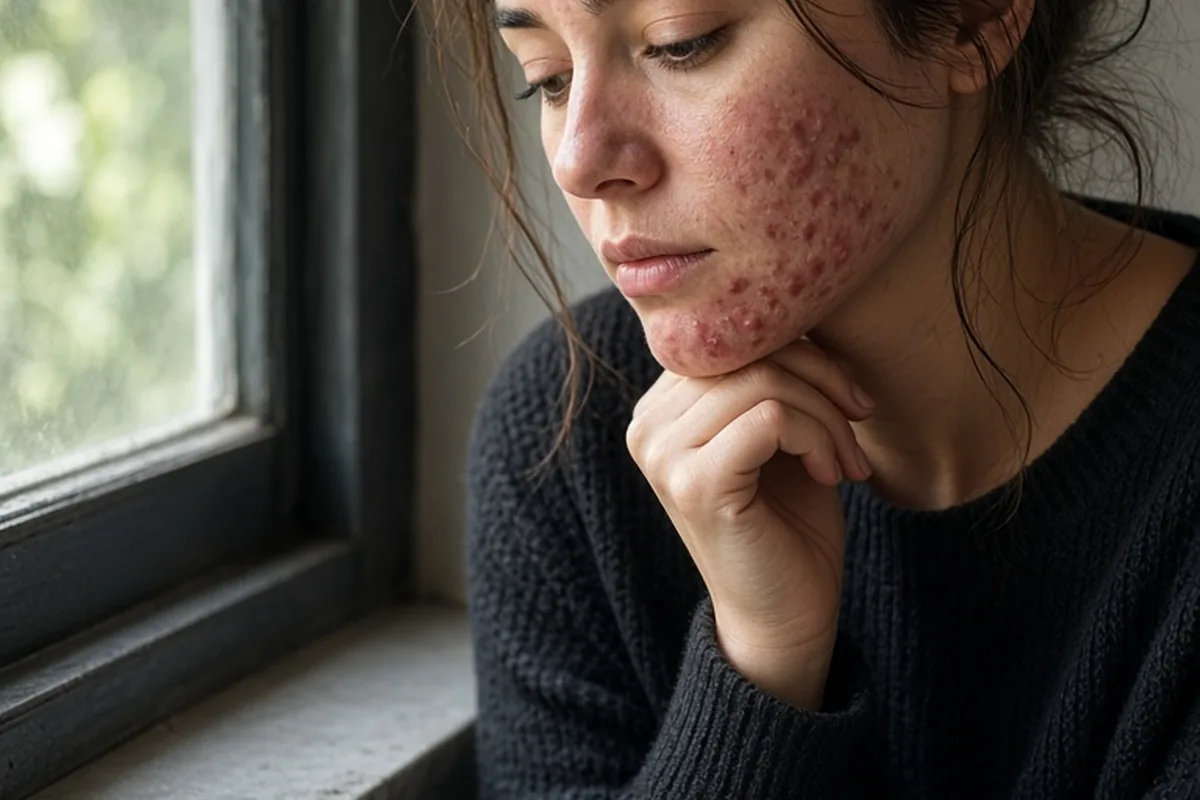
Jawline acne is frequently tied to hormonal fluctuations, particularly elevations or heightened sensitivity to androgens like testosterone. These hormones stimulate sebaceous glands in the lower third of the face to produce excess sebum, which mixes with dead skin cells and clogs pores. Monthly menstrual cycles, stress-induced cortisol spikes, endocrine transitions, and certain medications commonly trigger these deep, tender, and persistent breakouts along the jaw and chin.
Dealing with stubborn, tender blemishes along the lower face can be exceptionally frustrating, especially when typical surface washes seem to have little effect.
The Biological Link Between Androgens and Lower-Face Breakouts
Hormonal acne along the jawline stems primarily from how sebaceous glands respond to circulating androgen hormones. Everyone produces androgens, such as testosterone and dihydrotestosterone, regardless of biological sex. When androgen levels fluctuate, or when the skin's androgen receptors become hyper-responsive, the sebaceous glands enlarge and dramatically increase oil production. The oil produced during these surges is often thicker and richer in specific lipids, creating an environment where normal dead skin shedding is disrupted and pore blockages develop rapidly.
The jawline and chin area are particularly vulnerable because the sebaceous glands located along the lower third of the face often possess a higher concentration of androgen receptors compared to other regions. As oil accumulates beneath the surface, it creates an oxygen-deprived space where standard skin bacteria, such as Cutibacterium acnes, multiply and trigger inflammatory responses. This internal cascade leads to deep, painful nodules or cysts rather than superficial whiteheads, explaining why standard surface-level scrubbing rarely clears these breakouts.
Understanding this biological pathway highlights an important trade-off: aggressive topical exfoliation cannot halt internal hormone signaling. While keeping pores free of surface debris is helpful, stripping the moisture barrier with overly harsh cleansers can actually increase local inflammation, causing surrounding skin to become irritated while the deep hormonal cysts continue to form underneath.
Common Hormonal Triggers and Timing Patterns
Identifying when breakouts emerge can offer valuable clues regarding their underlying hormonal driver. For many individuals with menstrual cycles, jawline flares follow a predictable calendar pattern. During the luteal phase, which occurs roughly one to two weeks before menstruation begins, estrogen levels drop while progesterone and relative androgen levels rise. Progesterone can cause fluid retention and slight pore swelling, while unchecked androgen activity drives sebum output, culminating in premenstrual breakouts.
Hormonal transitions across life stages also act as frequent catalysts. Discontinuing or starting certain birth control methods, navigating postpartum hormone shifts, or entering perimenopause can trigger notable fluctuations in the estrogen-to-androgen ratio. Additionally, chronic psychological or physical stress activates the hypothalamic-pituitary-adrenal axis, elevating cortisol and adrenal androgens like DHEA-S. This stress response stimulates oil glands independently of the reproductive cycle, creating unexpected flare-ups during demanding life periods.
Underlying endocrine conditions, such as polycystic ovary syndrome, can also present with persistent jawline acne alongside irregular cycles, unusual hair growth, or thinning hair on the scalp. Recognizing whether your acne follows a cyclic rhythm or remains unyielding throughout the month can help guide discussions with your primary healthcare provider or dermatologist.
- Premenstrual phase: Occurs one to two weeks prior to menses due to declining estrogen and elevated relative androgens.
- Contraceptive changes: Transitions associated with starting, stopping, or switching hormonal birth control formulations.
- Stress-related spikes: Elevated cortisol and adrenal androgens triggered by prolonged mental or physical strain.
- Perimenopausal shifts: Fluctuating estrogen levels leading to androgen dominance during midlife transitions.
- Endocrine conditions: Systemic imbalances, including polycystic ovary syndrome, that maintain chronically elevated androgens.
Differentiating Hormonal Acne From External Irritants
Because the jawline frequently comes into contact with everyday items, it is essential to distinguish internal hormonal acne from external physical irritations like acne mechanica or contact dermatitis. Hormonal acne typically manifests as deep, warm, tender nodules or cysts situated beneath the skin that rarely come to an easy surface head. These lesions tend to linger for weeks and can leave behind persistent post-inflammatory erythema or hyperpigmentation.
In contrast, breakouts caused by friction, grooming products, or dirty fabrics usually present as superficial red bumps, tiny whiteheads, or an itchy rash. Regularly resting your chin in your hands, holding a smartphone against your jaw, wearing tight chin straps or face coverings, and using heavy comedogenic beard oils or hair conditioners that wash down over the neck can all plug pores mechanically without any hormonal involvement.
To test whether friction is playing a role, make a conscious effort to keep hand contact minimal, clean your phone screen daily, and rinse your jawline thoroughly after washing your hair. If the blemishes remain deep, throbbing, and tightly correlated with monthly calendar dates rather than physical contact points, an internal hormonal cause is far more likely.
Effective Topical Ingredients for Managing Jawline Flare-Ups
While topical treatments cannot alter systemic hormone levels, they play a critical role in calming inflammation, accelerating cell turnover, and preventing secondary bacterial overgrowth. Topical retinoids, such as adapalene, tretinoin, and retinal, serve as a foundational choice. By normalizing how skin cells shed inside the pore lining, retinoids keep pathways clear so that excess oil can exit without creating an impacted plug. Retinoids require consistent use over eight to twelve weeks to demonstrate noticeable results and can cause temporary dryness.
Azelaic acid is another versatile option well-suited for sensitive or reactive jawline skin. It offers mild antimicrobial properties, reduces surface redness, and actively inhibits the enzymes that contribute to dark marks after a breakout heals. Pairing azelaic acid with a gentle chemical exfoliant, such as salicylic acid (a beta-hydroxy acid), allows for targeted pore penetration because salicylic acid is oil-soluble and helps dissolve sebum build-up deep within follicles.
Benzoyl peroxide remains valuable for spot-treating acute inflammatory bumps by introducing oxygen into the pore to suppress acne-causing bacteria. When using active topicals, the key is gradual introduction. Layering multiple drying agents simultaneously can degrade the skin barrier, leading to peeling, redness, and paradoxical increases in irritation that make inflammatory lesions look and feel worse.
- Topical retinoids: Normalize cellular turnover within the follicle and prevent microcomedone formation.
- Azelaic acid: Calms active inflammation, suppresses bacterial growth, and fades post-inflammatory pigmentation.
- Salicylic acid: Penetrates lipid-rich pores to break up trapped sebum and dead skin cells.
- Benzoyl peroxide: Reduces bacterial loads inside inflamed lesions to shorten the lifespan of active cysts.
Daily Skincare and Hygiene Habits to Protect the Skin Barrier
Maintaining a healthy skin barrier is crucial when dealing with tender hormonal blemishes. When the barrier is compromised by over-washing or aggressive astringents, the skin becomes more susceptible to bacterial invasion and environmental irritation. A foundational routine should center on a mild, non-foaming or gentle foaming cleanser used morning and evening, followed by a light, non-comedogenic moisturizer that replenishes ceramides and hyaluronic acid without clogging pores.
Physical handling requires strict discipline. Squeezing or picking deep jawline nodules rarely yields a pore blockage; instead, it forces inflammatory contents deeper into surrounding dermal tissue, increasing the risk of scarring and extending healing times by weeks. Applying a hydrocolloid patch over an active lesion can serve as a physical shield against habitual touching while creating a protected, moist environment for healing.
For those who shave along the jawline and neck, adopting proper hygiene protocols prevents folliculitis from complicating existing acne. Use a sharp, clean razor with a non-irritating, fragrance-free shaving gel, shave strictly in the direction of hair growth, and avoid passing the razor over active, raised cysts. Rinsing with lukewarm rather than hot water preserves natural moisture levels.
Lifestyle and Nutritional Considerations
Everyday lifestyle habits can indirectly influence the endocrine signals that regulate sebum production. Diets with a high glycemic load—rich in refined sugars, white bread, and processed snacks—prompt rapid spikes in blood glucose and insulin. Elevated insulin stimulates the liver to produce insulin-like growth factor 1, a hormone that promotes androgen production and accelerates oil synthesis in skin cells. Transitioning toward whole grains, lean proteins, fiber, and antioxidant-rich produce supports steadier blood sugar curves.
Dairy consumption, particularly skim milk, has also been noted by some individuals to correlate with jawline breakouts, possibly due to naturally occurring bovine hormones and bioactive molecules present in milk. If you suspect dairy contributes to your flare-ups, tracking your skin's response during a structured four-to-six-week trial of reduced intake can provide personalized insight without committing to unnecessary long-term dietary restrictions.
Rest and stress reduction play complementary biological roles. During periods of deep sleep, the body regulates cortisol and facilitates tissue repair. Establishing consistent sleep schedules, engaging in moderate physical activity, and practicing simple relaxation techniques help temper excessive adrenal hormone output, dampening one of the key non-cyclical triggers of hormonal acne.
- Prioritize lower-glycemic foods: Stabilize insulin levels to help minimize spikes in insulin-like growth factor.
- Evaluate dairy intake: Consider an observational reduction if breakouts correlate with heavy dairy consumption.
- Maintain restorative sleep: Aim for consistent rest to support healthy nighttime cortisol regulation.
- Incorporate stress relief: Practice regular movement or mindfulness to reduce adrenal hormone surges.
When and How to Seek Professional Medical Care
When consistent over-the-counter routines, lifestyle adjustments, and topical barrier care fail to improve jawline acne over two to three months, consulting a board-certified dermatologist or healthcare provider is the most effective next step. Because hormonal acne originates beneath the reach of surface products, medical interventions that address internal hormonal pathways or systemic inflammation are often necessary to achieve clear skin.
A physician may discuss systemic prescription therapies tailored to your medical history and reproductive goals. For women, medications such as oral spironolactone can block androgen receptors in the skin, substantially reducing sebum output and clearing cyclical cystic breakouts. Combined oral contraceptive pills approved for acne management can also help regulate hormone levels by raising sex hormone-binding globulin, which lowers the amount of free circulating testosterone.
In cases where blemishes are resistant to other therapies or causing significant physical scarring and emotional distress, oral isotretinoin or targeted prescription topicals may be evaluated. A medical professional can also order blood panels to rule out underlying conditions like polycystic ovary syndrome or thyroid irregularities, ensuring your treatment plan addresses the root physiological cause safely and comprehensively.
Illustrative Scenarios
Tracking Cyclical Breakouts for Targeted Care
A 29-year-old office worker noticed painful, recurring nodules along her jawline that worsened during the final week of her monthly cycle. After months of applying harsh clarifying scrubs that left her skin red and peeling without stopping the breakouts, she began tracking her symptoms in a daily log. She noted that her cysts consistently flared six days before her period and subsided mid-cycle. Bringing this symptom log to a dermatologist, she was diagnosed with hormonal acne and transitioned to a gentle ceramide cleanser, nightly topical adapalene, and an anti-androgen prescription.
Key point: Documenting breakout timing relative to your cycle helps differentiate hormonal acne from surface irritation and allows healthcare providers to recommend targeted, systemic interventions.
Frequently asked questions
Why does hormonal acne specifically target the jawline and chin?
The sebaceous glands located along the lower third of the face contain a higher density of androgen receptors. When hormone levels fluctuate, these specific glands respond more intensely by overproducing thick sebum, making the jaw and chin primary sites for hormonal congestion.
Can over-the-counter face washes cure hormonal jawline acne on their own?
Topical cleansers can help remove surface oils and dead skin cells, but they rarely resolve hormonal acne entirely because the underlying driver is internal. Effective management usually requires combining gentle topical care with targeted actives or prescription treatments that address systemic hormone signaling.
How long does it take to see results from hormonal acne treatments?
Most hormonal acne treatments require eight to twelve weeks of consistent use to produce noticeable improvements. Because acne develops deep within follicles over several weeks, therapies need multiple skin renewal cycles to clear existing microcomedones and prevent new lesions from forming.
Does drinking more water clear up hormonal jawline acne?
Staying adequately hydrated supports overall skin barrier health and elasticity, but water intake alone cannot alter androgen levels or stop hormonally driven sebum production. It is a supportive wellness habit that should accompany evidence-based skincare and medical treatments.
Your next step
Start a daily symptom and cycle log to map your jawline breakouts over the next two months, and schedule an appointment with a dermatologist or healthcare provider to discuss targeted hormonal management options.