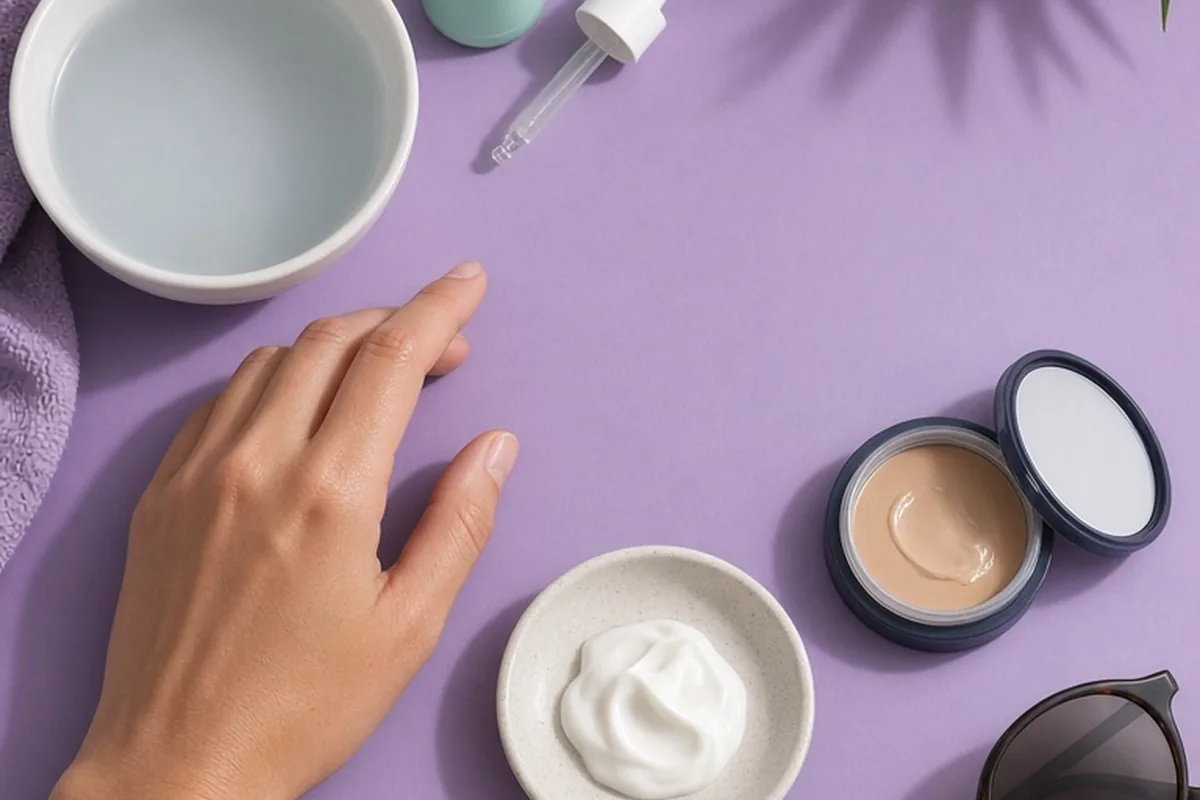
An effective morning skincare routine focuses on protecting and hydrating the skin before facing daily environmental stressors. The core sequence begins with a gentle cleanse or lukewarm water rinse, followed by optional treatment serums such as vitamin C, a lightweight moisturizer to support the skin barrier, and a broad-spectrum sunscreen with SPF 30 or higher as the crucial final step.
Starting the day with a deliberate skincare sequence prepares your complexion for continuous exposure to sunlight, shifting indoor temperatures, and environmental debris. Rather than overwhelming your skin with dozens of complicated formulas, a dependable morning regimen centers on barrier defense, balanced moisture, and sun protection tailored to your daily environment.
Understanding the Protective Goal of Morning Skincare
While evening regimens focus on cellular repair, active exfoliation, and removing the buildup of the day, morning routines serve an entirely defensive purpose. Throughout the day, your skin encounters ultraviolet radiation, ambient pollution, temperature fluctuations from climate control, and physical friction. Structuring your morning sequence around defense ensures that the skin barrier remains intact, moisture levels stay stable, and environmental free radicals are neutralized before they cause visible damage.
To achieve maximum efficacy, morning products should generally be applied in order of texture, moving from the thinnest consistency to the thickest formula. Water-based essences and liquid serums penetrate first, followed by emollient lotions or creams, and finally an occlusive or film-forming sunscreen. Applying products out of order, such as placing a light antioxidant serum over a heavy cream, prevents the active ingredients from reaching the skin surface and can lead to uneven product distribution or flaking under makeup.
Cleansing Strategies Based on Overnight Buildup
The first decision of your morning routine is determining how thoroughly you need to cleanse. During sleep, your face collects shed skin cells, natural sebum, and residual evening products alongside dust from pillowcases. For individuals with oily or acne-prone skin, using a gentle, non-stripping foaming or gel cleanser helps clear this film, preventing clogged pores and creating a clean slate for daytime hydrators.
Conversely, individuals with dry, compromised, or highly sensitive skin often find that a full morning cleanse strips away beneficial surface lipids, leading to tightness and irritation by midday. In such cases, rinsing thoroughly with lukewarm water is frequently sufficient to refresh the skin without disturbing the natural acid mantle. If you choose to use a morning cleanser, look for sulfate-free formulations with a balanced pH between 5.0 and 5.5 to maintain barrier integrity.
A practical compromise for combination skin involves applying a splash of lukewarm water across the entire face while using a small amount of mild cleanser exclusively on the forehead, nose, and chin. This targeted approach removes excess oil from prone areas while preserving hydration on the naturally drier cheeks.
Targeting Free Radicals and Brightness with Serums
Daytime serums allow you to deliver concentrated active ingredients directly to the upper layers of the epidermis. Antioxidants represent the gold standard for morning serum application, with L-ascorbic acid, vitamin C derivatives, and niacinamide leading the category. When applied before moisturizer, these compounds neutralize free radicals generated by airborne pollutants and sunlight, visibly supporting an even tone and reinforcing the protective effects of your sunscreen.
When introducing an antioxidant like vitamin C, formulation stability and personal tolerance are critical considerations. Pure L-ascorbic acid performs best at a low pH, which can occasionally cause mild tingling for reactive skin types, whereas stabilized derivatives such as sodium ascorbyl phosphate or tetrahexyldecyl ascorbate offer milder alternatives. Allow your chosen serum one to two minutes to absorb fully into the skin before layering the next product to prevent unwanted texture clashes or pilling.
Moisturizing to Maintain Daytime Barrier Function
Daytime moisturizers act as a supportive seal, locking in the water content delivered by your serums while keeping environmental irritants out. A well-constructed morning moisturizer combines humectants like glycerin or hyaluronic acid to attract moisture with light emollients such as squalane or ceramides to smooth the skin surface. Unlike rich nighttime creams, morning moisturizers should absorb cleanly without leaving an excessively greasy residue that interferes with sunscreen adherence.
Selecting the right texture depends primarily on climate and individual skin tendencies. In humid conditions or for oil-prone complexions, oil-free gel creams provide refreshing hydration without adding unnecessary heaviness. In colder or drier climates, a medium-weight lotion containing skin-identical lipids provides a sturdier cushion against moisture evaporation, helping prevent the dry patches and makeup flaking that often appear after several hours indoors.
Applying Broad-Spectrum Sun Protection as the Final Step
Sunscreen is the single most vital component of any daytime skincare routine, serving as the primary barrier against premature aging, hyperpigmentation, and cellular damage. Your daily product should offer broad-spectrum coverage, protecting against both UVA rays that penetrate deeply into the skin and UVB rays responsible for surface burning. Dermatologists widely recommend using an SPF rating of 30 or higher for daily incidental and outdoor exposure.
Proper application technique determines whether a sunscreen delivers its advertised protection level. Most adults require approximately one-quarter teaspoon, or roughly two full finger-lengths of product, to adequately cover the face, ears, and front of the neck. Sunscreen must always be the final step of skincare before cosmetic application; mixing sunscreen directly into foundations or moisturizers dilutes the protective film and leaves gaps in coverage.
Both mineral filters like zinc oxide and chemical filters like avobenzone or octisalate offer effective defense when applied evenly. Mineral options are often favored by sensitive or rosacea-prone skin due to their low irritation potential, while modern chemical formulas frequently offer lighter, invisible finishes that leave no white cast on deeper skin tones.
Customizing Your Routine for Specific Skin Profiles
A universal morning routine does not exist, as different skin types require distinct adjustments to maintain comfort and balance throughout the day. Oily skin profiles frequently benefit from simplifying steps, such as skipping a standalone moisturizer and relying on a hydrating antioxidant serum followed directly by a mattifying sunscreen. This prevents heavy product buildup that can lead to afternoon shine.
Dry and mature complexions thrive on multi-layered hydration, often incorporating a hydrating toner or essence before serum application, followed by a ceramide-rich cream and a nourishing, dewy-finish sunscreen. For sensitive skin types, keeping the ingredient list short and fragrance-free reduces the likelihood of reactive flare-ups, allowing the skin to remain calm and balanced regardless of daily weather shifts.
Illustrative Scenarios
Adjusting Morning Layers for Combination Skin
An office worker dealing with an oily T-zone and tight, flaking cheeks found that applying a heavy morning cream under sunscreen caused midday shine and product pilling. By replacing the heavy cream with a lightweight niacinamide serum and applying a light gel lotion only to the cheeks before an oil-free broad-spectrum SPF 40, the skin remained balanced without excess oil or flaking across an eight-hour workday.
Key point: Targeting lightweight layers to specific facial zones prevents midday heaviness while ensuring complete hydration and sun protection.
Frequently asked questions
Should I wash my face with cleanser every morning?
Using a cleanser in the morning depends on your overnight oil production and comfort. Oily skin types usually benefit from a mild, low-pH cleanser, while dry or sensitive complexions often do best with a simple lukewarm water rinse to preserve natural moisture.
Can I skip moisturizer if my sunscreen is hydrating?
Yes, many modern sunscreens contain emollients and humectants that provide adequate moisture on their own. If your skin feels comfortable and hydrated after sunscreen application without an extra cream layer, skipping a separate moisturizer is completely acceptable.
How long should I wait between morning skincare steps?
Most products only require thirty to sixty seconds to settle into the skin before the next layer is applied. Waiting until your serum or moisturizer feels absorbed to the touch ensures smooth sunscreen distribution and prevents formulas from balling up on the skin.
What is the best way to handle morning skincare before exercising?
If you exercise outdoors first thing in the morning, rinse your face with water and apply water-resistant sunscreen before your workout. Save your full cleanse, antioxidant serum, moisturizer, and daily sunscreen for after you finish exercising and shower.
Your next step
Assess how your skin feels upon waking tomorrow morning, choose between a gentle wash or water rinse, and complete your routine with an antioxidant serum, suitable hydrator, and broad-spectrum sunscreen.