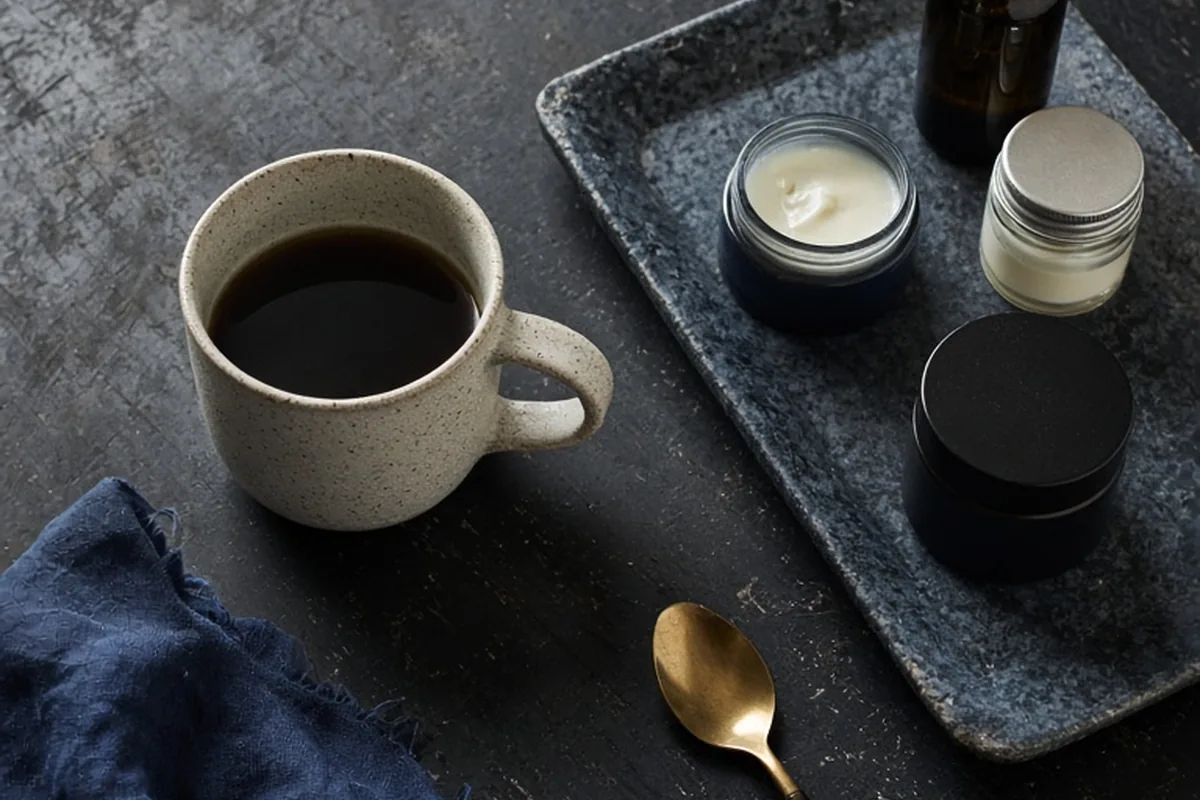
An effective night skincare routine focuses on removing buildup from the day and supporting overnight skin hydration. The foundational sequence starts with thorough cleansing to clear makeup, sunscreen, and daily pollutants, followed by targeted treatments like gentle exfoliants, retinoids, or hydrating serums. You finish with a nourishing moisturizer or occlusive balm to lock in hydration while you sleep. Adjusting active ingredients to your skin type prevents irritation.
While daytime skincare focuses heavily on shielding skin from environmental stressors and UV exposure, nighttime provides an uninterrupted window to cleanse away debris, replenish lost moisture, and introduce targeted active ingredients.
The Importance of Double Cleansing at Night
Throughout the day, skin accumulates a mixture of sebum, airborne pollutants, sweat, cosmetics, and water-resistant sunscreen filters. A single pass with a mild water-based cleanser often fails to break down oil-soluble substances completely, leaving behind a film that can trap debris in pores or prevent subsequent skincare products from penetrating properly. Double cleansing resolves this issue by pairing two distinct cleansing steps that target different types of residue.
The first step uses an oil-based cleanser, cleansing balm, or micellar water applied to dry skin. As you massage the product across your face, the cleansing oils bind to surface oils, silicone-heavy makeup, and sunscreen, gently lifting them without stripping the skin's moisture barrier. After rinsing with lukewarm water, the second step involves a gentle, water-based gel, cream, or foaming cleanser to wash away water-soluble sweat, fine dust, and any remaining cleanser residue.
While double cleansing benefits most people who wear cosmetics or mineral sunscreens, it may not be necessary for everyone every evening. If you spent the day indoors without makeup or water-resistant sunscreen, a single thorough cleanse with a hydrating face wash is often sufficient. Over-cleansing can strip essential surface lipids, leading to a tight sensation, redness, or increased sensitivity.
Mastering the Correct Layering Sequence
Product layering follows a fundamental rule of physical formulation: apply products from the thinnest, most water-like consistency to the thickest, most occlusive texture. Applying a heavy cream before a lightweight water-based serum creates an oil-rich barrier that prevents the thinner product from reaching the skin surface. Structuring your sequence correctly ensures every formulation delivers its intended benefits efficiently.
After cleansing and gently patting your face with a clean towel, start with fast-absorbing liquid products such as hydrating toners, essences, or balancing mists. Once absorbed, proceed to concentrated serums, followed by treatment emulsions or facial lotions, and conclude with a richer night cream or facial oil. If you use targeted spot treatments, evaluate their base; lightweight gel spot treatments go on before moisturizer, while thick paste formulas or zinc-based pastes are best applied last so they stay localized.
Allowing a short pause between layers can also improve application comfort, particularly when working with products that tend to pill when rushed. While you do not need to wait prolonged periods between hydrating steps, giving serums thirty to sixty seconds to settle helps prevent tacky buildup and ensures an even application of your final moisturizing layer.
- Step 1: Oil-based cleanser (removes makeup, SPF, and surface oils)
- Step 2: Gentle water-based cleanser (clears water-soluble sweat and debris)
- Step 3: Hydrating toner, essence, or balancing mist
- Step 4: Targeted treatment serums (such as hyaluronic acid, niacinamide, or retinoids)
- Step 5: Nourishing night cream or ceramide moisturizer
- Step 6: Optional facial oil or barrier balm for extra dryness
Selecting and Pacing Active Ingredients
Nighttime is the standard window for using potent active ingredients because sunlight can degrade certain compounds, like conventional retinoids, and some actives increase temporary sun sensitivity. The primary active categories include retinoids for cell turnover support, chemical exfoliants like alpha-hydroxy acids (AHAs) and beta-hydroxy acids (BHAs) for smoothing texture and clearing pores, and restorative ingredients like peptides and niacinamide for barrier maintenance.
The most common mistake when building an evening routine is combining too many powerful actives in a single session. Layering a strong glycolic acid toner directly underneath a prescription retinoid, for instance, dramatically raises the risk of stinging, peeling, and barrier damage. A practical approach is skin cycling or alternate-night scheduling. For example, you might use an exfoliating acid on Monday night, a retinoid on Tuesday and Wednesday nights, and dedicate Thursday night solely to barrier repair and hydration before repeating the cycle.
When introducing any new active ingredient, start slowly at a low concentration once or twice a week. Observe how your skin responds over a two-week period before increasing frequency. Mild tingling can occasionally occur with certain acids, but persistent redness, burning, or flaking signals that you should reduce usage frequency and focus on barrier replenishment.
Balancing Humectants, Emollients, and Occlusives
A balanced evening routine addresses both hydration (water content in the skin) and moisture (lipid and oil content that seals water in). Achieving soft, resilient skin requires a deliberate balance of three functional ingredient types: humectants, emollients, and occlusives. Missing any one of these components can leave skin feeling either dehydrated beneath a greasy surface or dry shortly after product application.
Humectants, such as glycerin, hyaluronic acid, panthenol, and aloe vera, draw water molecules into the outer layer of the skin. To work effectively, humectants should ideally be applied to slightly damp skin or immediately sealed with an emollient-rich formula. Emollients, including ceramides, squalane, fatty acids, and jojoba oil, fill in micro-fissures between skin cells to restore smoothness and flexibility. Finally, occlusives like shea butter, petrolatum, and dimethicone form a protective physical film that minimizes transepidermal water loss throughout the night.
Your balance of these components depends on your immediate environment and skin tendencies. In dry, heated winter bedrooms, incorporating a heavier occlusive layer over a humectant serum prevents the dry ambient air from drawing moisture out of your skin. In humid summer conditions, a lightweight lotion containing balanced emollients and humectants is often sufficient on its own.
Customizing Your Evening Regimen by Skin Type
A universal routine does not fit every complexion; tailoring textures and functional ingredients to your skin's unique behavior produces far more reliable results. Understanding whether your skin barrier tends toward excess oil production, chronic dehydration, or reactive sensitivity helps you select formulations that support comfort without causing congestion or irritation.
For oily and acne-prone skin, the goal is clearing congestion while maintaining adequate hydration so the skin does not overcompensate by producing more oil. A gentle foaming gel cleanser, a light salicylic acid (BHA) treatment a few nights per week, and a non-comedogenic gel-cream containing niacinamide provide balance without heaviness. Avoid heavy plant butters or thick occlusive ointments that might feel suffocating on pore-prone areas.
For dry or mature skin, prioritize rich nourishment and barrier restoration. A creamy balm cleanser, a hydrating peptide serum, and a lipid-dense moisturizer packed with ceramides and cholesterol help reinforce thinning moisture barriers. Individuals with sensitive or redness-prone skin should keep steps minimal, opting for fragrance-free formulations centered on soothing ingredients like centella asiatica, colloidal oatmeal, and panthenol while avoiding frequent chemical or physical exfoliation.
Troubleshooting Common Nighttime Routine Mistakes
Even with high-quality products, improper technique can undermine your results or trigger irritation. One frequent error is applying skincare products right before pressing your face into a pillow. Going to bed immediately after application transfers expensive creams and treatments onto pillowcase fabrics instead of allowing them to absorb into the skin. Aim to complete your evening routine thirty to forty-five minutes before sleeping.
Another widespread issue is neglecting the neck and upper chest. The skin on the neck and decolletage is thinner and contains fewer sebaceous glands than the face, making it particularly prone to dryness and environmental wear. Extending your gentle cleanser, hydrating serums, and evening moisturizer down to the collarbone ensures uniform hydration and barrier support across the entire upper area.
Finally, watch for signs of over-exfoliation and barrier compromise. If your skin develops an unusually shiny, tight appearance, stings when applying basic gentle lotions, or breaks out with tiny uniform bumps, immediately pause all active acids and retinoids. Switch to a simple three-step routine of gentle cleansing, a bland ceramide cream, and pure squalane or petroleum jelly until the skin barrier fully calms down.
Illustrative Scenarios
Simplifying an Overloaded Night Routine
An individual dealing with persistent dryness and occasional breakouts was using seven distinct products every night, including two chemical exfoliants and a strong retinol serum simultaneously. Despite the intensive regimen, their skin felt increasingly tight, irritated, and uneven. By cutting the nightly routine back to a gentle double cleanse, an alternating schedule that used retinoids on separate nights from exfoliants, and a rich ceramide moisturizer, their skin barrier recovered from chronic redness within three weeks.
Key point: More products do not guarantee better skin; separating potent actives and prioritizing barrier support delivers calmer, more balanced results.
Frequently asked questions
How long should I wait between applying different skincare steps at night?
Most hydrating toners, essences, and basic moisturizers can be applied back-to-back while the skin is still slightly damp. If you are applying potent actives like retinoids or exfoliating acids, waiting roughly one to two minutes allows the product to absorb evenly and minimizes potential dilution or pilling.
Can I use the same moisturizer for both morning and night?
Yes, you can use the same moisturizer twice daily as long as it does not contain chemical or mineral sunscreen filters, which are unnecessary overnight. Many people prefer a lightweight lotion for daytime wear under sunscreen and a slightly richer, more reparative formula at night.
Is it bad to skip my night skincare routine occasionally?
Skipping a single night will not cause permanent damage, but regularly sleeping in makeup, sunscreen, and daily pollutants can lead to clogged pores and dullness. On nights when you feel exhausted, completing a quick single cleanse and applying a basic moisturizer is far better than skipping care entirely.
Your next step
Assess your current evening products tonight, set aside any overlapping active treatments, and establish a simple three-to-four-step routine centered on thorough cleansing, targeted care, and reliable barrier hydration.