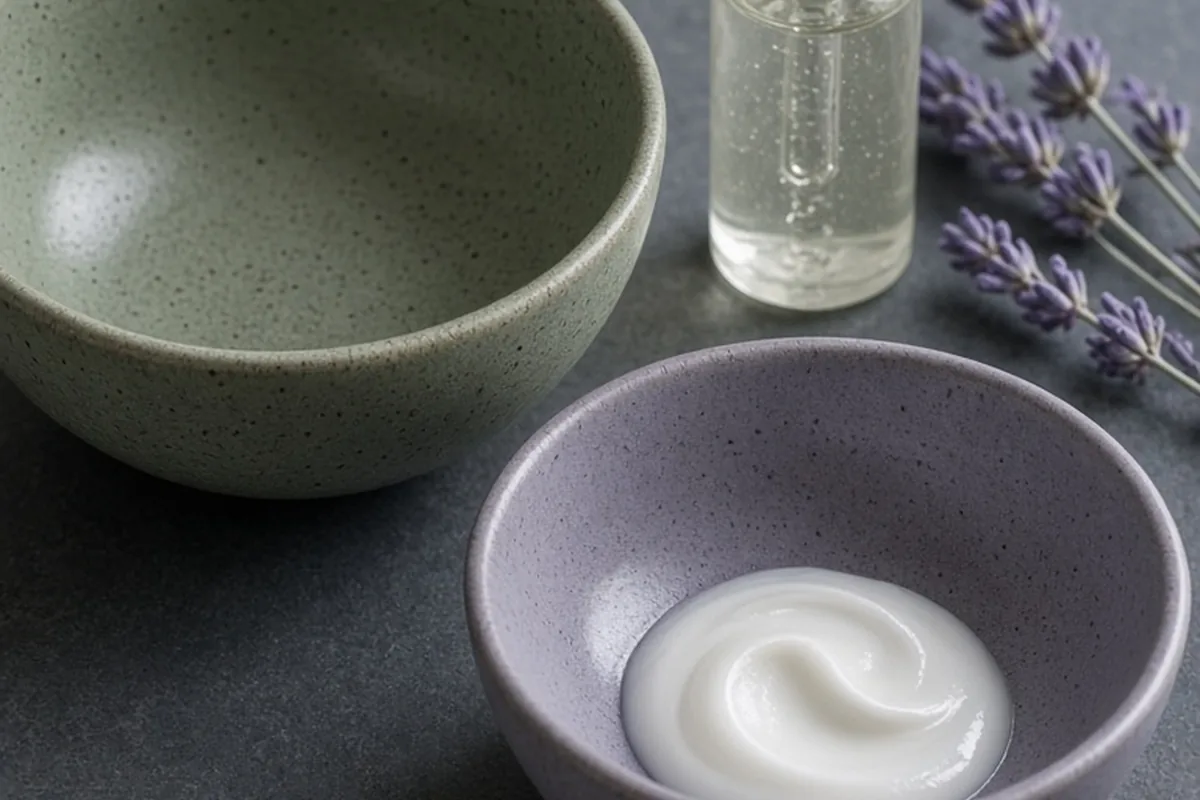
A non-comedogenic moisturizer is a skincare formula specifically designed not to clog pores or trigger acne breakouts. These moisturizers typically rely on lightweight hydrators like hyaluronic acid, glycerin, and light emollients such as squalane rather than heavy occlusives or pore-blocking oils. They deliver essential hydration to support your skin barrier while minimizing the risk of comedones, making them ideal for acne-prone, oily, or combination skin types.
Balancing adequate moisture with blemish prevention can feel like a contradiction if you have breakout-prone skin. Skipping daily hydration often backfires by dehydrating the skin and triggering excess oil production, which is why finding an effective non-comedogenic product is essential for maintaining a healthy, balanced barrier.
What Non-Comedogenic Really Means for Daily Skincare
The term comedogenic comes from comedo, the technical name for a clogged pore that manifests as a blackhead or whitehead. When a product is labeled non-comedogenic, it signifies that the formulation avoids ingredients known to block hair follicles or trap excess sebum and dead skin cells. Maintaining adequate hydration is vital for acne-prone skin because a compromised skin barrier sheds dead cells irregularly. When skin lacks water, those cells stick together inside the pore canal, forming a plug that can develop into inflammatory acne.
Comedogenicity is traditionally evaluated on a scale from zero to five, where zero indicates an ingredient is exceedingly unlikely to clog pores and five indicates a high probability of congestion. However, because regulatory agencies like the United States Food and Drug Administration do not enforce a standardized testing method for this marketing claim, the label serves as a practical formulation guideline rather than an ironclad promise. Individual sebum composition, pore architecture, and sensitivity levels mean that an ingredient rating a two on the scale might cause zero issues for one person while contributing to microcomedones in another.
A practical trade-off with strictly non-comedogenic moisturizers is their reliance on lighter lipid profiles. While these formulas excel at preventing congestion, they may not offer the heavy, cocooning feel that individuals in sub-zero climates or those with severe eczema might prefer. Understanding this distinction helps set realistic expectations: non-comedogenic moisturizers are designed to preserve skin barrier integrity and deliver hydration without compounding pore blockage.
Key Hydrating Ingredients to Look for on the Label
A high-performing non-comedogenic moisturizer relies on a calculated combination of humectants and lightweight emollients to trap water without suffocating skin tissues. Humectants are water-loving molecules that attract moisture from the environment and deeper dermal layers into the stratum corneum. Because humectants are water-soluble and contain no oily lipids, they provide substantial hydration without any comedogenic risk.
To prevent that absorbed water from evaporating quickly into the air, modern non-comedogenic formulas incorporate lightweight emollients and structural lipids. Ingredients such as plant-derived squalane and physiological ceramides reinforce the intercellular cement of the skin barrier. This barrier reinforcement is especially critical for individuals using drying acne treatments like benzoyl peroxide or topical retinoids, which often strip natural lipids and induce flaking.
- Hyaluronic acid and sodium hyaluronate: Potent humectants that bind moisture directly to surface skin cells to plump and hydrate without grease.
- Glycerin: A biocompatible, time-tested humectant that strengthens barrier elasticity and softens rough texture.
- Squalane: A stable, lightweight lipid mimicking natural skin sebum that softens and conditions without clogging pores.
- Ceramides: Essential lipid molecules that restore structural cohesion between surface cells to curb transepidermal water loss.
- Niacinamide: A supportive form of vitamin B3 that reinforces barrier function, regulates excess oil, and soothes visual redness.
Ingredients and Formulations Often Best to Avoid
Certain ingredients possess physical and chemical structures that make them prone to accumulating inside pores, especially when left on the skin overnight. Heavy plant butters, dense waxes, and specific synthetic esters form an impermeable layer over the skin. While this intense occlusion helps severely cracked skin on the body, it frequently traps sebum and keratinized skin cells within facial follicles, sparking closed comedones.
When reviewing product packaging, checking the top third of the ingredient list gives you the clearest picture of the base formula. Formulations that lead with rich plant oils or heavy waxes pose a higher congestion risk for acne-prone skin. It is also wise to watch for high concentrations of drying alcohols and added fragrances; while not inherently comedogenic, they can cause surface inflammation and micro-tears that trigger secondary breakouts.
- Coconut oil and cocoa butter: Dense botanical fats with high comedogenic ratings that frequently provoke closed comedones on the face.
- Isopropyl myristate and isopropyl palmitate: Synthetic ester emollients that provide cosmetic slip but carry a documented history of pore congestion.
- Heavy petrolatum bases in thick salves: Exceptionally occlusive barriers that can trap underlying bacteria and sebum if applied all over oily facial skin.
- Denatured alcohol in high concentrations: Quick-drying solvents that can strip essential lipids and provoke rebound oil production.
Selecting the Best Texture for Your Specific Skin Profile
Non-comedogenic moisturizers come in several distinct textures, ranging from ultra-sheer water gels to fluid lotions and light barrier creams. Choosing the correct texture depends on your baseline skin type, your local climate, and the presence of underlying skin conditions like rosacea or adult acne. A formula that feels refreshing on oily skin in the summer might not provide enough comfort during dry winter months.
Oily and very acne-prone skin types generally respond best to oil-free water gels or fluid emulsions with a matte or natural finish. These formulas absorb rapidly, leaving no tactile residue or midday slick. Combination skin typically benefits from lightweight gel-creams that supply targeted hydration to dry cheeks without overwhelming the central T-zone. If you have dry, flake-prone skin that is simultaneously prone to breakouts, opt for a lightweight lotion enriched with ceramides and glycerin rather than a thick cold cream.
Consider environmental conditions when evaluating texture performance. In high-humidity environments, a basic humectant gel often supplies sufficient hydration by drawing moisture from the surrounding air. In dry, arid climates or heavily air-conditioned indoor spaces, an ultra-light gel may evaporate too quickly, making a lightweight lotion with squalane a more dependable choice for steady, all-day comfort.
How to Properly Integrate a Non-Comedogenic Moisturizer into Your Routine
The way you apply your moisturizer significantly influences how well your skin absorbs and retains hydration. For optimal performance, apply your non-comedogenic moisturizer onto slightly damp skin immediately after cleansing or misting. Applying humectant-rich formulas to damp skin allows them to bind surface water and lock it into the stratum corneum before evaporation occurs, maximizing plumping effects.
If your routine includes active acne medications such as retinoids, azelaic acid, or topical antibiotics, strategic layering protects your barrier from localized irritation. For individuals with sensitive skin, employing the buffering technique—applying a thin layer of non-comedogenic moisturizer before your active treatment—tempers potential irritation while preserving the active medication's long-term effectiveness. Alternatively, the sandwich method involves applying moisturizer, your active treatment, and a second light layer of moisturizer over top.
Allow each product a brief moment to settle before moving to the next step. Letting your moisturizer absorb for one to two minutes before applying broad-spectrum sunscreen in the morning prevents pilling and ensures that both the moisturizing layer and the UV filters form uniform, undisturbed protective films over your skin.
Patch Testing and Monitoring How Your Skin Reacts
Because individual skin chemistry and pore structures differ, patch testing any new non-comedogenic moisturizer is a prudent step before full-face application. Apply a small amount of the product to a discreet, breakout-prone area—such as the corner of your jawline or the lower cheek—once daily for three to five consecutive days. This focused trial reveals whether the formulation interacts poorly with your specific sebum profile.
It is essential to distinguish between normal product adaptation and pore congestion. Non-comedogenic moisturizers that lack exfoliating acids or retinoids should not cause a skin purge. If you notice uniform clusters of tiny bumps, blackheads, or itching along the test area within several days, the formula is likely incompatible with your skin. Conversely, a compatible formula will leave the area feeling soft, pliable, and calm with no increase in microcomedones.
If a new moisturizer triggers congestion or localized redness, stop using it immediately and revert to a simplified routine of gentle cleansing and a known, safe hydrator. Keeping a brief personal log of product ingredients helps you identify specific emulsifiers, thickeners, or extracts that your skin may be sensitive to over time.
Common Myths About Acne-Prone Skin and Hydration
A persistent skincare myth is that oily and blemish-prone skin does not need a moisturizer. In practice, withholding hydration starves the stratum corneum of water, prompting the skin to produce excess sebum to compensate for the perceived dryness. This creates a challenging cycle of surface flaking combined with midday shine, alongside an impaired barrier that is more vulnerable to bacterial irritation and environmental stressors.
Another misconception is that the label non-comedogenic is an infallible guarantee against any breakout. Because no single cosmetic ingredient acts identically across all human skin types, the label should be treated as a useful screening guide rather than an absolute promise. Assessing the entire ingredient deck and monitoring how your skin feels over two weeks provides far more accurate insight than relying solely on front-of-bottle claims.
Finally, many assume that all non-comedogenic formulas are lightweight gels that cannot deliver anti-aging or deep barrier-support benefits. Modern cosmetic science incorporates advanced peptides, antioxidant complexes, and biomimetic lipids into non-comedogenic bases. This allows individuals managing both breakout concerns and early signs of aging to nourish their skin thoroughly without risking clogged pores.
Frequently asked questions
Can a non-comedogenic moisturizer still cause breakouts?
Yes, because individual skin chemistry varies and regulatory bodies do not strictly standardize the term. An ingredient that is well tolerated by most people might still cause congestion or mild irritation for your specific pore structure.
Is an oil-free moisturizer always non-comedogenic?
Not necessarily. While many oil-free formulas are non-comedogenic, some oil-free products use heavy synthetic esters or thickeners that can clog pores. Conversely, some non-comedogenic formulas safely include lightweight, pore-friendly lipids like squalane.
How often should I apply a non-comedogenic moisturizer?
Most skin types benefit from applying moisturizer twice daily, once in the morning before sunscreen and once in the evening after cleansing. You can adjust frequency based on seasonal changes or the drying effects of prescription acne treatments.
Can I use a non-comedogenic moisturizer if I have dry skin?
Yes, look for non-comedogenic lotions or light creams formulated with ceramides, glycerin, and squalane. These ingredients provide deep barrier repair and lasting hydration without relying on heavy, pore-clogging waxes or comedogenic plant butters.
Your next step
Review your current daily moisturizer's ingredient list for heavy waxes and pore-clogging oils, and consider switching to a humectant-rich, non-comedogenic formula suited to your skin type to keep your barrier protected and your pores clear.