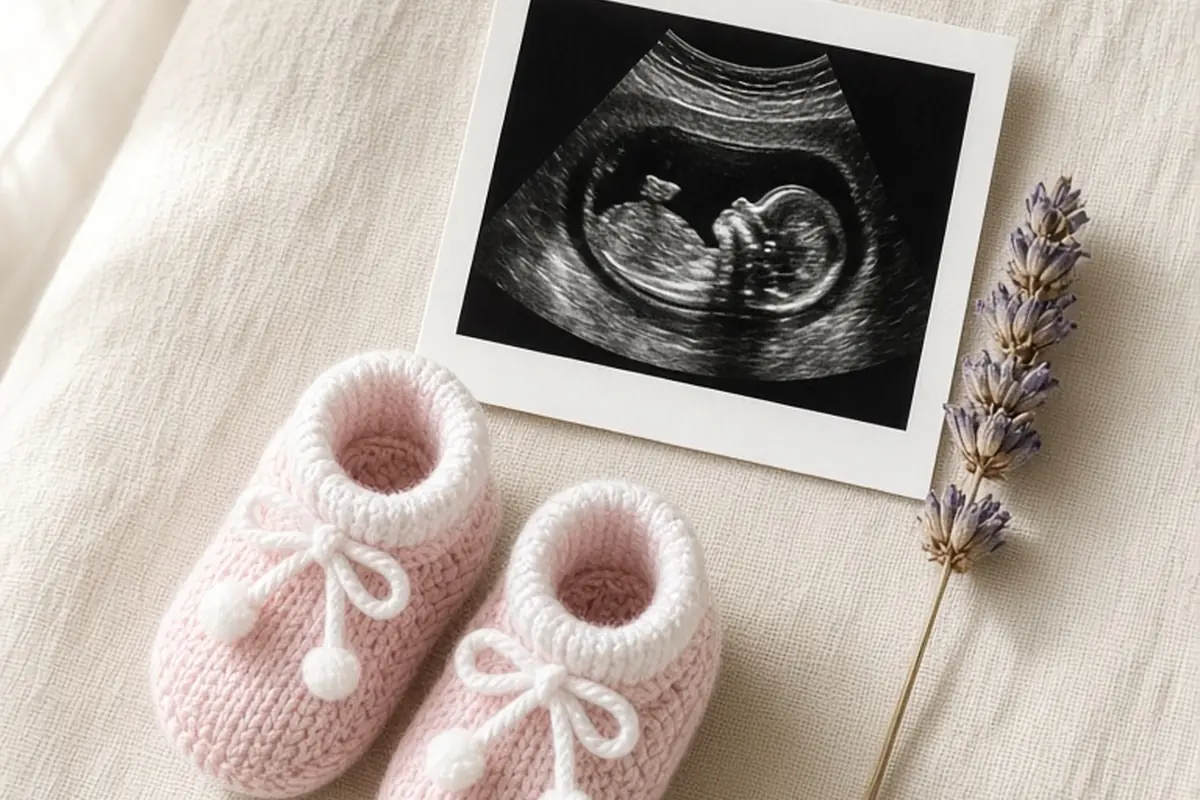
A rainbow baby announcement shares news of an expected or newborn child following pregnancy loss, stillbirth, or neonatal death. These announcements often combine symbols of hope, such as soft rainbow motifs or personalized letterboards, with language acknowledging the family journey. Planning one involves deciding how much of your loss history to disclose, selecting meaningful visuals, and choosing a timeline that aligns with your emotional safety rather than outside social expectations.
Carrying a pregnancy or welcoming a child after experiencing heartbreak often exists in a space where profound gratitude and lingering grief sit side by side. When you begin thinking about sharing this milestone, there is no single script or standard timetable you are required to follow. Deciding whether, when, and how to tell friends, family, or a broader circle is entirely yours to shape in a way that respects your healing.
Deciding on the Right Timing for Your Comfort Level
Conventional parenting advice often suggests waiting until the end of the first trimester to announce a pregnancy, but that milestone carries very different weight after a previous loss. For many expectant parents, twelve weeks does not bring an immediate sense of relief, especially if a previous miscarriage, stillbirth, or medical complication occurred later in gestation. You might find comfort in sharing the news early with a trusted inner circle whose members can offer prayers, practical help, or emotional check-ins on anxious days. Alternatively, you might prefer to delay any broader announcement until after an anatomy scan, when fetal movements become regular, or even until your baby has arrived safely in your arms.
Choosing your timeline requires evaluating how you process vulnerability and community interaction. Public announcements invite congratulations, questions, and occasionally well-meaning comments that inadvertently trigger sorrow. If receiving constant inquiries about how you are feeling creates anxiety rather than comfort, waiting until you feel grounded is a protective choice. For example, some couples decide to tell grandparents and close siblings privately after a confirmed heartbeat, while saving any public social media post for the third trimester. Give yourself permission to change your mind as the weeks progress, allowing your comfort level at each stage to dictate your next step rather than arbitrary calendar rules.
Thoughtful Wording Options That Balance Grief and Hope
Finding words that reflect both the love you carry for the baby you lost and the excitement you feel for the new life on the way can feel delicate. Some parents prefer clear, direct phrasing that acknowledges the storm they weathered, while others lean toward subtle expressions that capture renewed optimism without detailing private medical history. The language you choose should validate your lived experience without requiring you to explain more than you feel ready to discuss.
When drafting written messages for cards, announcements, or digital posts, consider what tone feels most natural to your household. You might choose wording that openly honors your entire family story, such as noting that while your heart still remembers the baby held in your memories, you are preparing your home for a new arrival this season. If you prefer a simpler, classic approach, phrasing like celebrating the bright dawn after a long night communicates the sentiment clearly. A practical boundary to keep in mind is avoiding wording that implies the new baby replaces or repairs the loss; phrasing that frames the child as an addition of joy rather than a replacement honors both children distinctly.
- Direct and reflective: Carrying this little one with so much love, holding our past heartbreak and future joy in the same breath.
- Poetic and brief: Our storm was long, but our rainbow is finally here. Expecting our newest family member this autumn.
- Faith-centered or spiritual: Grateful for quiet healing and blessed with new life arriving this winter.
- Sibling-led: Proud big brother holds a secret hope that is finally coming true.
Creative Visual Themes Beyond Traditional Bright Colors
While bold, multi-colored arches are traditional symbols for a rainbow baby, many families prefer subtler, understated aesthetics that reflect their personal style. Earthy terracotta arches, muted watercolor illustrations, and neutral hand-knitted blankets offer a softer visual approach that still carries deep emotional meaning. Incorporating natural elements like morning light, stormy seas giving way to calm waters, or budding branches can convey resilience and hope without relying on bright primary colors.
Consider creating a tactile scene that includes meaningful keepsakes from your family journey. A simple flat-lay photograph featuring a pair of tiny booties alongside an ultrasound image, placed against a cream linen backdrop with a single dried flower, communicates love and reverence gracefully. If you already have baby items preserved from a previous pregnancy, such as a special blanket or personalized wooden block, you might place them gently in the background or edge of the frame to signify that your angel baby remains part of the family story. The limitation of overly complex visual setups is that they can add unnecessary stress during an already vulnerable time; choosing a clean, quiet composition keeps the focus on your family connection.
Including Living Siblings and Honoring Past Loss Respectfully
Involving older brothers or sisters in an announcement gives them a shared sense of joy, but it also requires careful emotional preparation. Children who lived through the previous loss, or who are aware of the baby who did not survive, may carry their own quiet worries about this new pregnancy. Before taking photographs or recording announcement videos, talk with them at an age-appropriate level about how they feel. Letting them wear a shirt that says big brother or big sister, or having them hold a letterboard or chalk drawing, allows them to participate actively if they feel enthusiastic.
To honor a child who passed away without burdening living siblings, structure the imagery so children do not feel responsible for emotional healing. For example, an outdoor portrait where the living child holds a colorful balloon while a single white or yellow balloon rests on the grass nearby provides an artistic, gentle nod to the child who is missed. Avoid asking children to hold complex signs that describe grief they may not fully understand. Emphasizing that their sibling will always be part of the family while celebrating the new baby keeps the experience positive, grounding, and emotionally supportive for young minds.
Choosing Intimate Announcements Over Public Social Media Posts
In an era where widespread digital announcements are commonplace, choosing to keep your news within a close-knit circle is an entirely valid alternative. Publishing news to hundreds of acquaintances often produces a sudden wave of notifications, public comments, and unsolicited advice that can quickly feel overwhelming if you are navigating pregnancy anxiety. A smaller, private release lets you share genuine moments with people who supported you through your darkest days and understand the sensitivity of the circumstance.
Intimate sharing can take many personal forms that feel warmer and more conversational than a social media grid post. You might organize a quiet dinner with immediate family, send handwritten notes containing an ultrasound photo to close friends, or create a private messaging group dedicated to updates. The primary advantage of an intimate announcement is that it allows you to explain your feelings openly, including asking people to refrain from certain phrases or requesting low-key reactions. The only trade-off is the time it takes to connect individually, but for many parents, the emotional safety gained far outweighs the convenience of a single public broadcast.
Setting Boundaries and Managing Outside Reactions
Even the most caring relatives and friends occasionally offer well-meaning remarks that land painfully. Common phrases like everything happens for a reason or at least you know you can get pregnant often stem from discomfort with grief rather than malice, yet hearing them can still sting. Deciding in advance how you and your partner will handle clumsy responses helps prevent emotional exhaustion. You are under no obligation to educate everyone, nor do you need to engage in prolonged conversations that diminish your lived grief.
One practical approach is to include a brief, gentle boundary statement alongside your announcement. For instance, you might state that while you welcome congratulations, you ask for gentle check-ins and privacy regarding medical details as you take things day by day. If you choose to share publicly on digital platforms, consider turning off comments or asking a trusted friend or partner to monitor notifications for the first twenty-four hours. This allows you to post your news on your terms without exposing yourself to unexpected commentary while your energy is best focused on resting and caring for your well-being.
Transitioning to the Newborn Arrival Announcement
If you decided to keep your pregnancy quiet until your baby safely arrived, the birth announcement serves as both the introduction of your child and the unveiling of your rainbow story. Waiting until delivery is a common and comforting decision for parents who found pregnancy after loss too emotionally vulnerable for public updates. When the baby is here, the tone of your announcement often naturally shifts toward relief, deep gratitude, and peaceful reflection on the road traveled to reach this day.
Newborn photos can incorporate rainbow elements through thoughtful nursery styling, such as swaddling your baby in a muted multi-toned muslin wrap or placing a custom wooden plaque beside them bearing their name, birth details, and a quiet phrase of remembrance. You might draft an arrival note that shares how their presence has brought warmth back into your home while keeping the memory of their sibling alive in your traditions. Focusing on the reality of your child resting safely in your arms provides a concrete conclusion to the prolonged waiting period, marking the start of a chapter filled with intentional, daily care.
Frequently asked questions
Do I have to mention my previous loss in our announcement?
No, you are never required to share your loss history publicly if you do not want to. Many parents choose to celebrate the new pregnancy on its own terms, while others find comfort in acknowledging their previous child. Choose whichever phrasing allows you to feel peaceful, safe, and authentically supported.
Is it normal to feel anxious rather than happy when announcing a rainbow pregnancy?
Yes, feeling conflicted, apprehensive, or even emotionally guarded is completely standard when expecting after loss. Announcing can make the pregnancy feel real and exposed, which often triggers fears of recurrence. Sharing only when you feel ready helps manage those feelings without outside pressure.
How can friends and family best respond to our rainbow baby announcement?
Loved ones can best respond by meeting joy with warmth while validating the grief that preceded it. Simple acknowledgments that express happiness for the new arrival without using minimizing clichés provide the most meaningful comfort. Asking how the parents are feeling today shows considerate, ongoing care.
Your next step
Take an hour with your partner or a trusted confidant to write down your ideal comfort boundaries, identifying who needs to know first and what visual tone reflects your family story best.