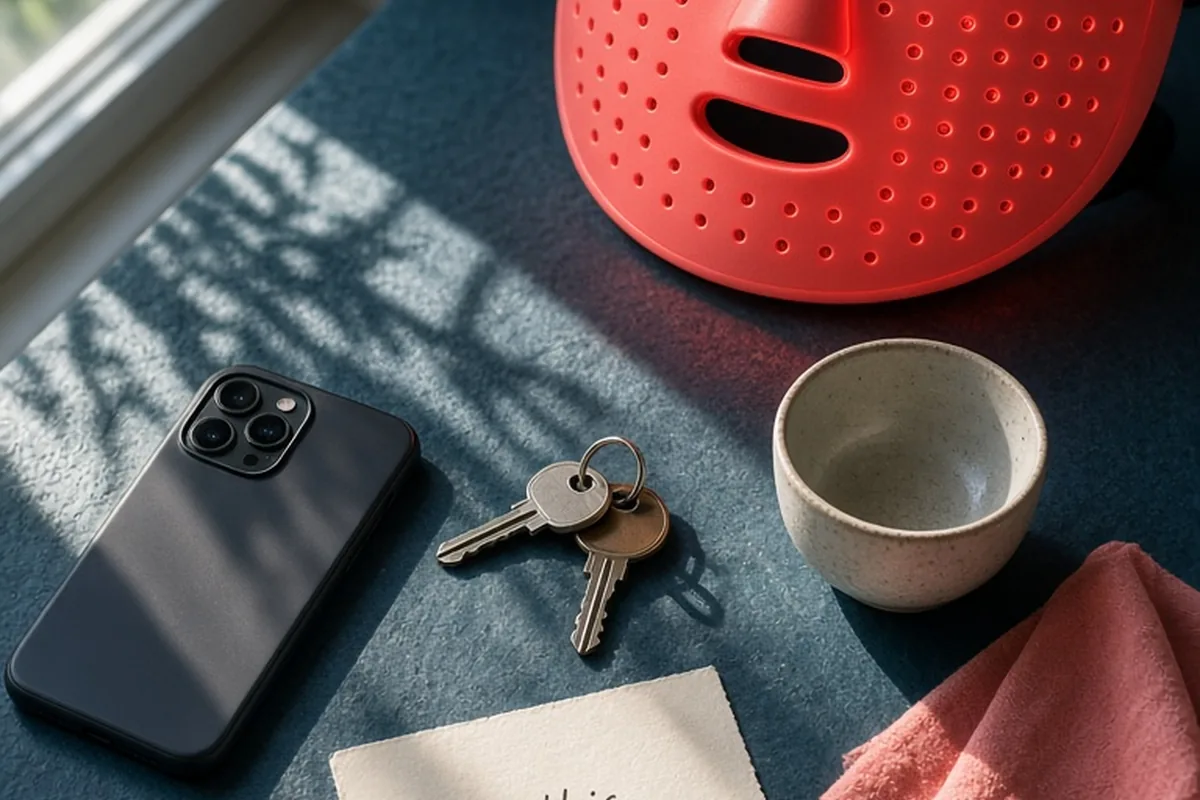
A red light face mask can be worth the investment if you want a non-invasive, low-effort addition to your routine for mild redness, fine lines, or overall skin texture, and you have the patience to use it three to five times weekly for several months. However, it will not replace active topicals or professional clinical procedures, and results vary significantly based on device quality and consistent personal habits.
At-home light-emitting diode devices have moved from clinical treatment rooms straight onto nightstands and vanity counters. While strapping on a glowing mask while unwinding sounds appealingly simple, weighing the financial cost against realistic physical changes requires a careful look at how these tools interact with your skin.
How Red and Near-Infrared Light Interact with Facial Skin
Light therapy, often referred to as photobiomodulation, relies on specific wavelengths of non-thermal light interacting with cells in the skin. When light within targeted bands strikes tissue, cellular components known as chromophores absorb the energy. This absorption helps stimulate cellular activity, encouraging the mitochondria within cells to produce energy more efficiently. Rather than exfoliating the surface or stripping the moisture barrier like harsh chemical peels, light therapy acts as an energetic nudge to support your skin's natural repair pathways.
The depth of penetration depends entirely on the wavelength used. Red light, which typically ranges between 630 and 660 nanometers, works predominantly in the upper dermal layers to soothe surface irritation and promote general cellular maintenance. Near-infrared light, which falls between 810 and 850 nanometers, travels deeper into underlying tissue where structural proteins are formed. Because consumer devices emit energy at low, controlled levels, the biological changes occur gradually over cumulative exposures rather than through a single intense session.
Realistic Outcomes Versus Exaggerated Marketing Promises
Setting grounded expectations is essential before purchasing an at-home mask. When used consistently, red light masks can provide subtle, meaningful enhancements to skin quality. Users commonly report a gradual softening of fine surface lines, a more uniform skin tone, and a visible reduction in persistent flushing or post-inflammatory redness. The skin often develops a healthier, well-rested appearance because the underlying tissue circulation and repair cycles receive steady support over time.
At the same time, it is vital to understand the technological limits of low-level light therapy. An at-home mask cannot replicate the dramatic lifting of a surgical facelift, dissolve deep structural folds, or completely eradicate decades of accumulated sun damage. It will not eliminate deep acne scarring or replace foundational skincare steps such as daily broad-spectrum sun protection and proper cleansing. Viewing the device as a complementary conditioning tool, rather than a corrective miracle, prevents disappointment.
At-Home Masks Compared to In-Office Clinical Sessions
The primary distinction between professional clinical treatments and at-home consumer masks comes down to energy output and treatment time. Medical offices and medical spas utilize large, stationary panels that deliver high irradiance, which is the concentration of light energy delivered over a given surface area. Because these clinical panels operate at higher power densities under professional supervision, they can deliver an optimal therapeutic dose in a shorter sitting, often achieving noticeable changes in fewer visits.
In contrast, consumer masks are deliberately engineered with lower energy levels to ensure complete safety when used without professional monitoring. To match the total dose delivered in a clinic, an at-home device requires regular, repeated applications across several months. While an in-office series can cost thousands of dollars across ongoing visits, an at-home mask represents a single upfront cost. The trade-off is personal labor: you exchange the convenience of rapid professional treatment for the self-discipline of maintaining a frequent home schedule.
Key Technical Specifications to Review Before Purchasing
The consumer market features hundreds of competing models ranging from cheap novelty items to medical-grade tools. Assessing technical specifications helps distinguish legitimate therapeutic devices from colored plastic toys. The most critical factor is the exact wavelength spectrum. Look for manufacturers that openly list their nanometer measurements; devices without clear technical disclosures often use generic light bulbs that produce visible red color without delivering the biological wavelengths needed for cellular absorption.
Physical construction and fit directly influence your treatment outcomes. A mask must sit close to the skin because light intensity diminishes rapidly as the distance between the diode and your face increases. Flexible, medical-grade silicone masks conform naturally to facial contours, minimizing energy loss compared to rigid hard-plastic shells that sit unevenly against the nose and jawline.
- Verified wavelengths: Ensure the device specifies precision bands, ideally around 630 to 660 nanometers for visible red and 830 to 850 nanometers for near-infrared light.
- Flexible contouring: Medical-grade silicone designs rest directly on the skin, delivering uniform light exposure across varied facial structures.
- Irradiance transparency: Reputable manufacturers publish power density ratings, generally aiming for 30 to 50 milliwatts per square centimeter for safe home use.
- Independent clearance: Look for devices cleared by appropriate safety regulators for over-the-counter aesthetic use, featuring integrated automatic timers.
Fitting Light Therapy into an Existing Skincare Sequence
How you prepare your skin before putting on your mask determines how much light actually penetrates into the tissue. Photons struggle to travel through opaque barriers, heavy creams, and physical sunblocks, which scatter light away from the surface. For optimal delivery, use your mask on clean, completely bare skin immediately following a gentle wash. Pat your face fully dry with a clean towel, as standing water droplets can refract light unevenly across the skin.
Once your session finishes, you can apply your standard topical products. Light therapy temporarily enhances local microcirculation, making it an excellent precursor to your normal routine. Apply your hydrating mists, peptide serums, or barrier moisturizers right after taking off the device. If you use potent active ingredients like prescription retinoids or concentrated exfoliating acids, it is often wise to apply them after your session or alternate them on separate evenings to prevent potential skin sensitization.
Safety Precautions, Eye Protection, and Contraindications
Although red and near-infrared light are free of damaging ultraviolet radiation, standard safety precautions remain necessary. Direct, unshielded exposure to bright LED diodes can cause ocular fatigue, visual glare, or headaches in sensitive individuals. Many quality masks come with built-in silicone eye cups or protective goggles; using these shields protects your vision and allows you to relax comfortably throughout the treatment duration.
Certain underlying conditions require extra care or complete avoidance. Individuals diagnosed with melasma should exercise caution, particularly with devices that generate noticeable warmth or combine near-infrared light, as excess heat can occasionally stimulate pigment-producing cells. Furthermore, anyone taking photosensitizing medications, including specific antibiotics, oral retinoids, or certain herbal supplements, should consult their healthcare provider before exposing their skin to regular light therapy.
The Personal Value Equation: Who Benefits Most and Who Should Pass
A red light mask proves its value primarily for people who enjoy structured self-care rituals and maintain realistic, long-range perspectives on skin health. If you already wash your face consistently, protect your skin from the sun, and want a low-stress method to promote collagen maintenance and soothe general redness over time, the device can become a rewarding fixture in your home routine. Its convenience shines when integrated into passive activities like reading, meditating, or listening to an audiobook.
Conversely, if you struggle to maintain a basic two-step cleansing routine, an LED mask is likely to end up forgotten in a bathroom cabinet after two weeks. It is also not a wise purchase if your primary concern is severe cystic acne, substantial tissue laxity, or deep structural wrinkling, as those concerns respond much more predictably to targeted medical topicals, prescription management, or professional in-office interventions. Spending hundreds of dollars expecting rapid transformation will only lead to buyer remorse.
Illustrative Scenarios
A Practical Look at Six Months of Habitual Mask Use
A thirty-eight-year-old remote professional purchased a mid-tier flexible silicone red light mask after noticing lingering facial redness and mild textural roughness along her forehead. She integrated a ten-minute session into her morning schedule four days each week, sitting at her desk right after washing her face. During the first month, she observed virtually no visual difference, which tested her patience. By the third month of steady use, she noticed her skin felt less reactive after outdoor exercise and displayed a more even background tone, although her forehead expression lines showed minimal physical change.
Key point: At-home light therapy delivers subtle improvements in overall tone and resilience rather than structural changes, making steady routine adherence the deciding factor in overall value.
Frequently asked questions
Can I use a red light face mask every single day?
Most device manufacturers recommend using a mask between three and five times per week for ten to twenty minutes per session. Using the mask multiple times daily does not speed up results, as skin cells reach an energy saturation point beyond which additional light provides no extra benefit.
Should I put on my skincare serums before or after using the mask?
Light masks should always be used on clean, completely dry skin without heavy products. Applying thick creams, oils, or pigmented serums before treatment can block or scatter the light, so save your moisturizers and active treatments for right after your session ends.
Will a red light mask help clear my active acne breakouts?
Red light alone helps reduce inflammation and calm irritation, but it does not directly kill the bacteria responsible for inflammatory acne. For active breakout management, a device that combines blue light with red light or targeted topical ingredients like benzoyl peroxide will provide more direct clearance.
How long will it take to see visible changes in my skin?
Most people need eight to twelve weeks of consistent, multi-day weekly use before noticing visible shifts in skin brightness or redness reduction. Because natural skin cell turnover takes roughly a month, noticeable collagen support requires cumulative, steady exposure over several seasonal cycles.
Your next step
Assess whether you have the discipline to use a device four times weekly for at least three months, and prioritize a flexible silicone model with clearly disclosed red and near-infrared wavelengths before buying.