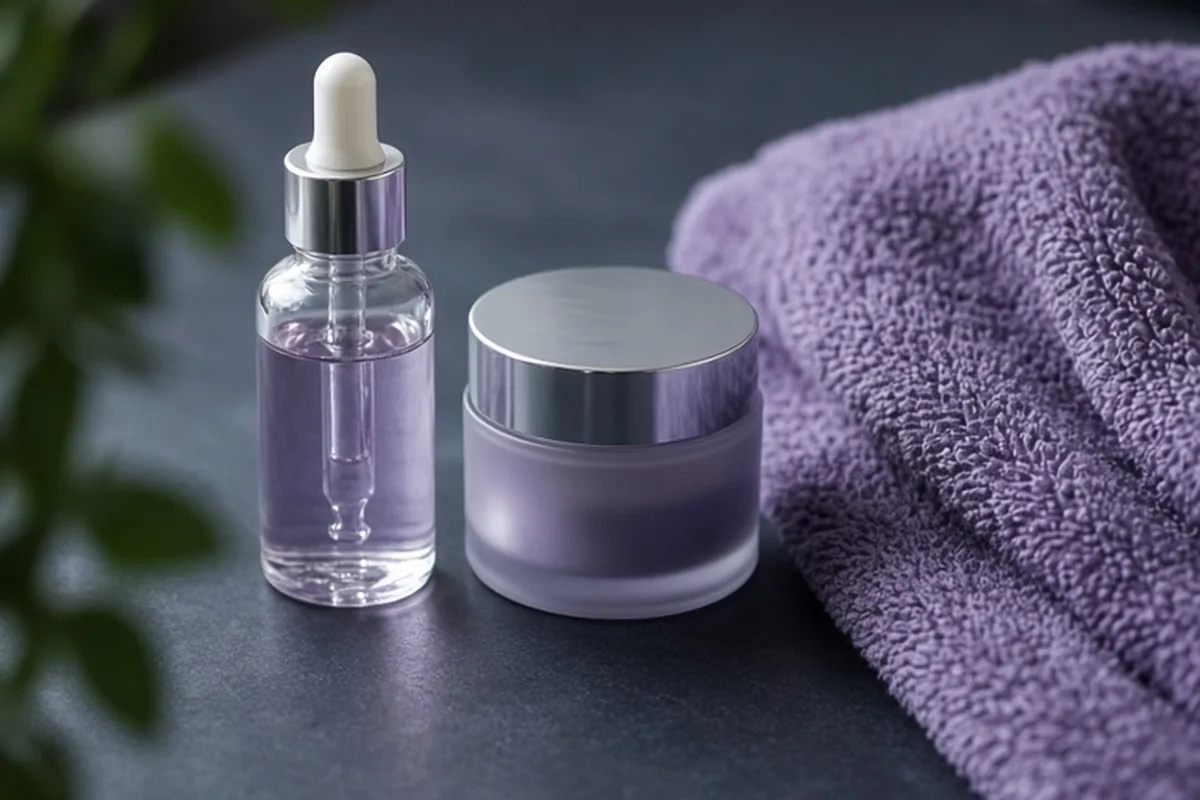
Apply your serum before your moisturizer. Serums are formulated with smaller molecules and lighter textures designed to penetrate deeply into clean skin, delivering targeted ingredients like hyaluronic acid or vitamin C. Applying a heavier moisturizer afterward seals those active ingredients in place, reinforces your skin barrier, and prevents water loss throughout the day or night.
Building a dependable skincare routine often comes down to the order in which you apply your products. With dozens of formulas available, understanding how different product weights interact ensures each step works as intended without causing irritation or wasting product.
The Core Rule: Layering from Lightest to Heaviest Texture
The standard guideline in any topical routine is to arrange products from the thinnest, most water-based consistency to the thickest, most oil-rich formula. Serums are lightweight liquids or thin gels packed with concentrated active ingredients, whereas moisturizers are emulsions of water, lipids, and occlusives designed to sit on the upper layers of the epidermis. If you apply a dense moisturizer first, its oils and waxes create a physical shield that prevents the lighter serum from reaching your skin.
Consider a practical example: if you pat a few drops of a lightweight niacinamide serum onto freshly cleansed skin, the water-soluble vitamins absorb quickly. Following that step with a ceramide cream coats the skin surface, locking the niacinamide underneath and preventing the water content from evaporating into dry indoor air. Reversing this sequence leaves the serum resting on top of the cream, where it will likely evaporate, pill into small rubbery flakes, or fail to deliver its intended benefits.
Strategic Exceptions: When to Buffer Your Serum with Moisturizer
While thinner products almost always precede thicker ones, there is a deliberate exception known as buffering. If you are introducing a potent active ingredient such as a prescription retinoid, pure retinol, or a high-concentration chemical exfoliant, applying it directly onto bare skin can occasionally cause redness, flaking, or stinging. In these instances, applying a light layer of basic, fragrance-free moisturizer first creates a mild protective cushion that slows down the absorption rate of the active ingredient.
Buffering is a useful temporary technique for individuals with dry, reactive, or compromised skin barriers who want the long-term benefits of a treatment without excessive early irritation. The trade-off is a slight reduction in initial potency, which makes the product work more gently over a longer timeframe. Once your skin builds tolerance over several weeks, you can gradually transition back to applying the serum first to experience its standard concentration.
Application Technique and Ideal Waiting Times
How you apply each layer matters just as much as the sequence itself. For hydrating serums containing humectants like hyaluronic acid, glycerin, or panthenol, applying them to slightly damp skin from cleansing or a gentle mist can enhance hydration by giving the humectant moisture to bind to. In contrast, targeted treatment serums containing pure L-ascorbic acid, salicylic acid, or retinoids perform best when applied to completely dry skin, as moisture can increase skin permeability and raise the risk of stinging.
You do not need to wait ten minutes between every step of your routine, but giving your serum thirty to sixty seconds to settle can prevent issues. If the surface of your face feels slippery or wet, adding a rich cream immediately can dilute both formulas or cause them to slide around rather than absorb. Gently pressing or smoothing the serum across your face and neck until it feels absorbed to the touch provides the ideal base for your moisturizer.
Matching Serum Types with the Right Moisturizer Textures
Selecting complementary product textures prevents your skincare routine from feeling overly heavy or greasy. If your routine focuses on intense hydration using a watery multi-molecular hyaluronic acid serum, pairing it with an oil-free gel-cream or light emulsion works well for oily and combination skin types. This combination delivers moisture deep into the surface without leaving a suffocating film or clogging pores in humid climates.
Conversely, if you are treating dryness or repairing a stressed barrier with an oil-based antioxidant serum, your following moisturizer should contain balanced emollients and mild occlusives like shea butter or squalane. The limit here is product overload: layering multiple rich, lipid-heavy serums under a heavy cold cream can overwhelm the skin and lead to congestion. Pay attention to how your skin feels thirty minutes after application; a balanced routine should feel comfortable and pliable, not sticky or tight.
Morning Versus Evening Routine Adjustments
Your daytime and nighttime skincare goals differ, which alters the specific serums and moisturizers you might pair together. In the morning, your primary focus is protection from environmental stressors like sunlight, pollution, and dry air. A typical morning routine involves a lightweight antioxidant serum such as vitamin C, followed by a light daytime lotion, and finished with a broad-spectrum sunscreen. If your sunscreen is adequately moisturizing, it can sometimes replace your morning lotion entirely after the serum step.
Evening routines, by contrast, focus on recovery, cellular turnover, and replenishing lost moisture while you sleep. Nighttime is the appropriate window for concentrated repair serums containing peptides, retinoids, or exfoliating alpha hydroxy acids. Because moisture loss naturally increases overnight due to transepidermal water loss, pairing these evening serums with a richer, lipid-dense cream creates a supportive environment that minimizes dryness and keeps your skin comfortable until morning.
Troubleshooting Common Layering Issues and Product Pilling
A frequent problem when layering serums and creams is pilling, which occurs when products fail to blend and form small, gritty balls on the skin surface. Pilling usually happens when you combine formulas with conflicting base ingredients, such as a heavy silicone-based serum beneath a water-based gel, or when you use too much product in a single application. If you notice pilling, check the ingredient labels and try using a pea-sized amount of serum rather than several full droppers.
Another common issue is an uncomfortable tacky residue that lingers long after application. This often signals that your serum contains a high concentration of film-forming polymers or thickeners, or that you applied your moisturizer before the serum had a chance to absorb. Adjusting your application method by pressing products gently into the skin rather than vigorously rubbing them can reduce friction, improve distribution, and eliminate residue.
Frequently asked questions
Can I mix my serum directly into my moisturizer to save time?
While mixing a basic hydrating serum into a moisturizer is generally harmless, it is better to layer them separately. Blending concentrated active ingredients directly into a cream can alter the intended pH balance, dilute the formula unevenly, and compromise the preservative systems of both products.
Do I always need both a serum and a moisturizer in my routine?
Not necessarily. A moisturizer is essential for maintaining barrier function and preventing hydration loss, whereas a serum is an optional step tailored to specific goals like brightening or fine lines. If your skin is well balanced and comfortable with just a cleanser, moisturizer, and sunscreen, you do not need to add a serum.
What should I do if my skin feels dry even after using both products?
If your skin feels tight or dry despite layering, your moisturizer may not contain enough occlusive ingredients to trap the hydration from your serum. Try switching to a richer cream containing ceramides, fatty acids, or a drop of facial oil over your moisturizer to lock in moisture more effectively.
Where do facial oils fit if I use both a serum and a moisturizer?
Facial oils should almost always be applied after your moisturizer or mixed as the very last step before sunscreen in the morning. Because oils act as powerful occlusives, putting an oil on before a water-based serum or moisturizer blocks the lighter water-based hydration from absorbing.
Your next step
Assess your current routine today by checking the texture of your products, and ensure you apply your lightest water-based serum directly to clean skin before sealing it with a comfortable moisturizer.