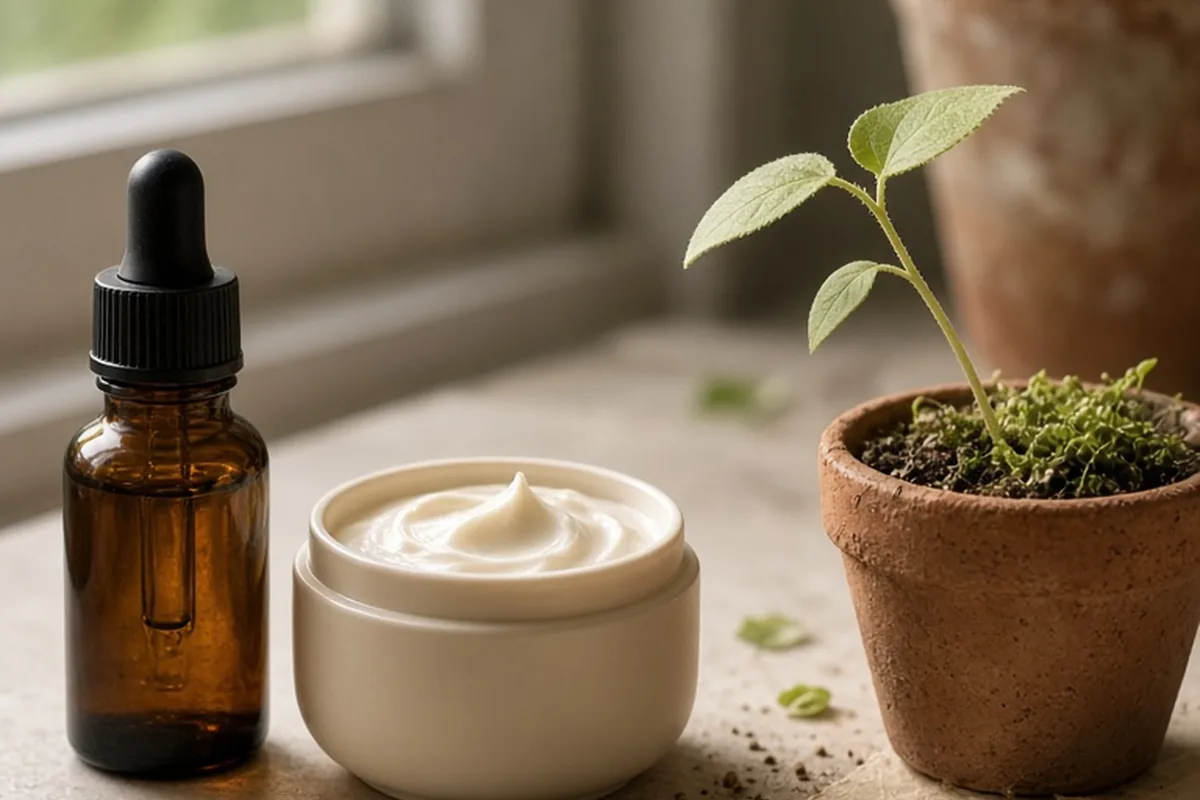
Yes, you should almost always use a moisturizer after applying retinol. Retinol accelerates cellular turnover, which frequently leads to dryness, flaking, redness, and a compromised moisture barrier. Applying a gentle, hydrating moisturizer directly over or after your retinol locks in essential hydration, reinforces the skin barrier, and minimizes irritation without blunting the ingredient's long-term effectiveness.
Starting a retinol routine can dramatically improve skin texture, tone, and clarity, but the initial adjustment period often brings unexpected tightness, peeling, and sensitivity. Knowing how to pair your active treatment with the right supportive hydrator ensures you get the visible benefits of vitamin A while keeping your skin calm, comfortable, and resilient.
Why Your Skin Barrier Needs Moisture After Retinol
Retinol belongs to the retinoid family, a class of vitamin A derivatives that work by speeding up the natural rate of skin cell turnover. While this accelerated renewal process helps clear clogged pores, smooth fine lines, and fade hyperpigmentation, it also temporarily disrupts the outermost layer of the skin known as the stratum corneum. During the first several weeks of use, the skin's lipid matrix—composed of ceramides, cholesterol, and fatty acids—can become depleted. This depletion increases transepidermal water loss, meaning moisture evaporates from your deeper skin layers much faster than usual.
Without an adequate moisturizer to replenish these lost lipids and seal in hydration, you are far more likely to experience the unpleasant side effects commonly grouped under retinization. These symptoms include dry patches, raw stinging sensations when washing your face, noticeable flaking around the mouth and nose, and generalized redness. Applying a well-formulated moisturizer immediately counters this vulnerability by providing an artificial shield that traps water in the skin and gives your epidermal barrier the raw materials it needs to repair itself overnight.
Timing Your Application: How Long to Wait After Retinol
A common point of confusion is whether you should wait before putting on your moisturizer or apply it immediately. The general rule of thumb for standard application is to let your retinol absorb for approximately three to five minutes, or until the product feels dry to the touch. Applying moisturizer onto completely damp retinol can occasionally push the active ingredient deeper into pores too quickly, which may heighten irritation for individuals with naturally reactive or sensitive complexions. Allowing those few minutes gives the retinol time to settle evenly across the surface.
However, waiting ten to twenty minutes—a practice popularized in older skincare routines—is rarely necessary with modern product formulations. Most contemporary over-the-counter retinol serums and creams are built with sophisticated time-release delivery systems and conditioning bases. If your skin is resilient and you are using an encapsulated formula, you can apply your moisturizer almost right away without compromising results. If you notice persistent prickling or redness, extending your wait time to ten minutes after cleansing before applying retinol, and then another five minutes before moisturizing, offers a practical buffer against irritation.
The Sandwich Technique: A Calming Strategy for Sensitive Skin
If you are a beginner or have sensitive, reactive skin, the standard sequence of applying retinol followed by moisturizer might still feel too harsh. In this situation, the sandwich method serves as an effective protective strategy. To use this technique, you cleanse your face, apply a thin layer of a basic, lightweight moisturizer, wait a few minutes for it to dry, apply your retinol, and finish with a second layer of moisturizer on top. This approach surrounds the active retinoid between two cushions of hydration.
A common concern with the sandwich method is whether it renders the retinol ineffective by diluting it. While buffering does slow the penetration rate of the active molecule, it does not prevent the vitamin A from working. Instead, it creates a controlled, gradual delivery that drastically lowers the risk of peeling, itching, and barrier breakdown. This trade-off is often worthwhile: being able to use a buffered retinol consistently three nights a week produces far superior long-term results than using a direct application once, damaging your barrier, and having to pause all active treatments for three weeks to heal.
Choosing the Right Moisturizer to Pair with Retinol
The ideal post-retinol moisturizer should prioritize barrier repair, hydration, and soothing comfort without adding competing active ingredients that could trigger inflammation. Look for products containing a blend of humectants to pull water into the skin, emollients to soften rough patches, and occlusives to prevent moisture evaporation. Simple, fragrance-free formulations with rich physiological lipid profiles are generally the safest and most supportive companions to a vitamin A regimen.
Equally important is knowing what to avoid in your nighttime recovery cream. A post-retinol moisturizer should never contain chemical exfoliants such as glycolic, lactic, or salicylic acids, high concentrations of pure L-ascorbic acid (vitamin C), or drying alcohols. Combining multiple exfoliating agents or astringents in the same evening overwhelms the skin's defense mechanisms and almost inevitably leads to contact irritation. Stick to minimalist, dermatologist-tested formulas designed specifically for barrier maintenance.
Adapting Your Routine by Skin Type
Your natural skin type should dictate the texture and weight of the moisturizer you select after retinol. For dry or mature skin, a dense, nourishing cream containing rich ceramides, plant butters, or squalane is essential to counteract the moisture loss triggered by cell turnover. People with dry skin frequently benefit from applying a hydrating toner or serum first, letting it dry completely, applying retinol, and sealing everything with a restorative lipid balm.
For oily, combination, or acne-prone skin, heavy occlusive creams can sometimes feel suffocating or contribute to clogged pores. In these cases, opt for an oil-free, non-comedogenic gel-cream or light lotion rich in glycerin, niacinamide, and panthenol. If you have combination skin, consider zone-mapping: apply a light lotion all over your face after retinol, and add an extra touch of a richer cream only to dry zones like the cheeks and jawline while keeping the T-zone light.
Recognizing Barrier Damage and Knowing When to Pause
Even with diligent moisturizing, it is possible to push your skin too hard when introducing retinol. It is crucial to distinguish between normal retinization—light, manageable dryness and mild flaking that subsides after moisturizing—and true barrier impairment. Signs of barrier damage include a persistent burning or stinging sensation when applying even gentle, basic lotions or plain water, widespread rough redness, shiny plastic-like tightness, and sudden breakout clusters in areas where you do not normally experience acne.
If you observe these warning signs, moisturizing alone will not solve the problem if you continue applying retinol. The correct approach is to temporarily stop all retinol use for five to seven days. Strip your routine down to a gentle non-foaming cleanser, a soothing barrier cream containing ceramides and panthenol, and a broad-spectrum sunscreen in the morning. Once your skin feels completely calm, soft, and pain-free, you can reintroduce your retinol at a lower frequency, such as once or twice a week, always backed by a generous layer of moisturizer.
Frequently asked questions
Can I mix my retinol directly into my moisturizer to save time?
While mixing them in your palm might seem convenient, it can lead to an uneven distribution of the active ingredient across your face. It is generally safer and more effective to apply your moisturizer as a separate layer, either before, after, or both, to ensure consistent coverage.
Will putting moisturizer over retinol make it less effective?
No, applying moisturizer after retinol does not stop the active ingredient from working. While it may moderate the speed of absorption, the vitamin A molecules will still bind to skin cell receptors, delivering long-term smoothing and clarifying benefits with significantly less irritation.
Should I use a facial oil instead of a moisturizer after retinol?
A facial oil alone is not an adequate replacement for a moisturizer because oils are purely emollient or occlusive and lack humectants that draw water into the skin. If you enjoy facial oils, apply your water-based moisturizer first, and then pat one or two drops of oil on top as the final step to lock in hydration.
Do I also need to apply moisturizer in the morning after using retinol at night?
Yes, daytime hydration is vital when using evening retinoids. Use a gentle morning moisturizer followed by a broad-spectrum sunscreen with at least SPF 30, as retinol increases your skin's vulnerability to UV damage and environmental dryness.
Your next step
Assess your current evening routine tonight: if you are applying retinol without a dedicated, fragrance-free barrier moisturizer or experiencing persistent dryness, add a ceramide-rich cream immediately after your retinol step to protect your skin barrier and sustain comfortable, long-term results.