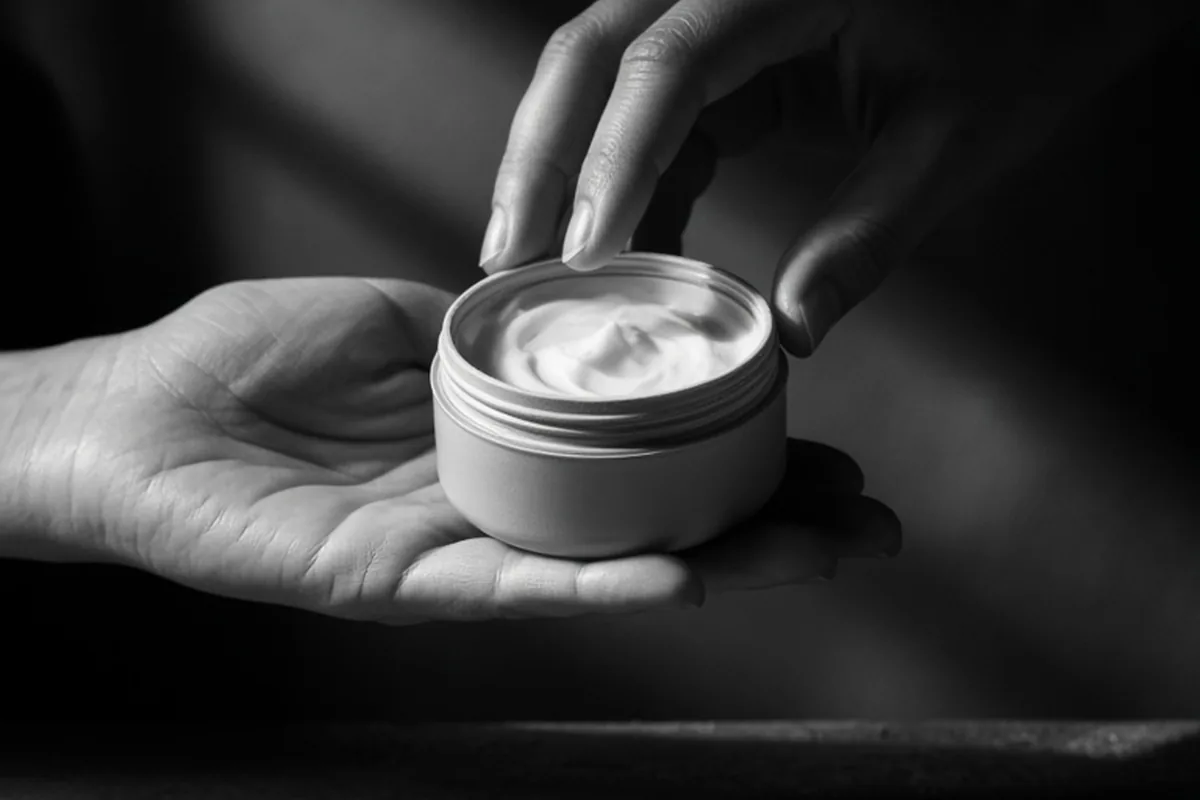
Yes, moisturizer should almost always be applied before sunscreen in your morning skincare routine. Moisturizer delivers hydration and supports the skin barrier, while sunscreen is designed to sit as the outermost protective shield against ultraviolet radiation. Applying sunscreen last ensures that its active protective film remains unbroken, evenly distributed, and fully effective throughout your daily exposure.
Navigating the sequence of morning skincare products can feel overwhelming when balancing multiple bottles, distinct textures, and varying cosmetic claims. Understanding the functional purpose of each layer makes your daily morning preparation straightforward, comfortable, and reliable.
Why the Standard Layering Rule Places Sunscreen Last
Skincare layering generally follows a practical rule of consistency, moving systematically from the thinnest, water-based formulations up to the thickest, most occlusive creams. Under this principle, toners, essences, and watery antioxidant serums go on first so they can absorb directly into the surface layers of the skin without fighting through an oil barrier. A traditional moisturizer follows next to deliver essential humectants, emollients, and lipids that lock in hydration and reinforce the moisture barrier against environmental drying.
Sunscreen serves a fundamentally different purpose than restorative skincare because it is formulated to act as an external shield rather than a deep treatment. Modern sunscreens rely on sophisticated film-forming agents designed to create a uniform, uninterrupted layer across the topography of your skin. If you place a heavy cream, oil, or lotion on top of your sunscreen, the mechanical friction of rubbing and the oils within the moisturizer will break down that delicate protective film. By keeping sunscreen as the final skincare step before cosmetics, you ensure the protective matrix stays intact and evenly distributed across your face, neck, and ears.
The Crucial Role of Absorption Time Between Layers
A common point of confusion is whether you can apply sunscreen immediately after smoothing on your moisturizer. When a hydrating cream is still wet or slippery on the face, applying sunscreen right over it can cause the two formulas to mix directly on the skin. This accidental blending can dilute the concentration of sunscreen filters in specific spots, resulting in patchy UV coverage that leaves subtle gaps in your daily defense.
To avoid this issue, allow your moisturizer roughly one to three minutes to settle before reaching for your sunscreen bottle. You do not need to wait until your skin feels tight or completely dry, but rather until the surface feels comfortable, soft, and no longer slick or tacky to the touch. This brief pause gives the moisturizing emollients time to sink into the upper epidermis, providing a stable, smooth canvas that allows the sunscreen's film-formers to bond cleanly and evenly across your skin.
Chemical Versus Mineral Sunscreens: Does the Order Change?
A persistent skincare myth suggests that chemical sunscreens must be applied directly to bare skin to absorb and work, while mineral sunscreens should sit on top of moisturizer. In reality, both chemical (organic filter) and mineral (inorganic filter, such as zinc oxide or titanium dioxide) formulas are tested and designed to perform as the final step in a standard topical skincare regimen. Chemical filters interact with the stratum corneum without needing an unwashed or unmoisturized face, and mineral filters require an even surface to reflect and scatter light effectively.
Applying any sunscreen over a well-absorbed moisturizer does not prevent active UV filters from doing their job. However, the texture of your sunscreen may influence how your moisturizer feels underneath. For example, mineral formulas containing high percentages of zinc oxide can sometimes feel slightly drying or matte over the course of the day, making a nourishing base moisturizer especially beneficial. Conversely, some chemical sunscreens contain rich, lotion-like bases that already carry conditioning emollients, which may allow you to use a lighter hydrator underneath.
How to Prevent Product Pilling and Formula Clashing
Product pilling happens when skincare formulas fail to bond with the skin or with each other, rolling up into tiny, annoying flakes or balls when rubbed. This frequently occurs when a silicone-heavy primer or moisturizer is paired with a water-based sunscreen, or when thick polymers in a sunscreen are rubbed aggressively over an unabsorbed cream. Pilling is not just a cosmetic annoyance; it physically removes sunscreen filters from your face, compromising your overall sun defense.
You can minimize the risk of pilling by adopting a few strategic application habits:
Matching product textures and giving each layer adequate time to set creates a harmonious finish that stays smooth throughout the entire day.
- Choose compatible product bases, pairing lightweight water-based gel moisturizers with fluid sunscreens to prevent ingredient clashing.
- Apply sunscreen using gentle smoothing motions or a patting technique rather than vigorous, circular rubbing.
- Avoid applying facial oils directly beneath sunscreen, as free oils can dissolve UV-protective film formers.
Customizing the Routine for Your Specific Skin Type
Skincare routines are never one-size-fits-all, and how you approach moisturizing before sun protection depends heavily on your skin's natural oil production and current environment. For individuals with dry or compromised skin, a dedicated lipid-rich moisturizer applied before sunscreen is essential to prevent flaking, tight sensations, and barrier irritation throughout the day. In this case, both steps are necessary: the moisturizer nourishes the skin, while the sunscreen protects those vulnerable repairs from UV degradation.
If you have naturally oily or acne-prone skin, layering a traditional moisturizer underneath an emollient sunscreen might feel excessively heavy or cause an unwanted midday shine. In warm or humid weather, many people find that an all-in-one moisturizing sunscreen provides sufficient hydration on its own. If your sunscreen bottle already contains skin-conditioning ingredients like hyaluronic acid, glycerin, or ceramides, you can comfortably streamline your morning by skipping a separate moisturizer and applying the sunscreen directly after your morning serum or cleansing step.
Layering Sunscreen with Daytime Makeup and Foundations
When makeup is part of your morning schedule, sunscreen remains the critical bridge between skincare and cosmetic application. After your moisturizer has absorbed and your sunscreen has been smoothed on, it is wise to wait another three to five minutes before applying foundation, concealer, or tinted creams. This pause ensures the sunscreen has set into a resilient, dry-touch barrier that will not shift or slide around when you apply cosmetic tools or sponges over it.
It is also important to remember that makeup containing SPF is rarely applied in sufficient quantity to replace dedicated sunscreen. Most people apply only a fraction of the cosmetic product needed to achieve the SPF rating printed on a foundation bottle. To maintain dependable defense, apply a full, dedicated sunscreen layer over your moisturizer first, let it set completely, and treat any cosmetic SPF merely as an added bonus rather than your primary shield.
Common Application Mistakes That Weaken Protection
One frequent habit that undermines sun safety is mixing sunscreen directly into a moisturizer or foundation in the palm of the hand to save time. While this seems convenient, manually blending two distinct products alters the chemical formulation, destabilizes the emulsion, and drastically lowers the effective SPF distribution. Sunscreen must always be applied as its own distinct, unadulterated layer across the face and neck.
Another common misstep is reducing the amount of sunscreen used because a preceding moisturizer made the face feel overly saturated. Sunscreens require an adequate volume—typically about a nickel-sized dollop or roughly two full finger lengths for the face and neck—to deliver the protection level stated on the packaging. If applying that amount feels greasy over your current cream, the best solution is to switch to a lighter moisturizer or a more fluid sunscreen rather than skimping on the protective dose.
Frequently asked questions
Can I skip moisturizer if my sunscreen is already hydrating?
Yes, if your sunscreen contains hydrating ingredients like glycerin, ceramides, or hyaluronic acid and keeps your skin comfortable, you can skip a separate moisturizer. This is especially helpful for oily skin or during warm, humid months when multiple layers feel too heavy.
How long should I wait between applying moisturizer and sunscreen?
Waiting one to three minutes is generally ideal. This gives the moisturizer enough time to absorb into the upper layers of your skin so the sunscreen can form an even, undisturbed protective film.
Can I mix my moisturizer and sunscreen together in my hand to save time?
No, you should never mix sunscreen with moisturizer or foundation before applying it. Blending the formulas disrupts the sunscreen's emulsion and dilutes its UV filters, leaving your skin unevenly protected.
Does the order change if I use a facial oil in the morning?
Facial oils should generally be reserved for nighttime routines or used very sparingly before sunscreen, as heavy oils can break down sunscreen film-formers. If you choose to use an oil in the morning, apply a tiny amount before sunscreen and let it absorb fully.
Your next step
For your next morning routine, apply your moisturizer first, wait one to two minutes until it fully settles into your skin, and then apply a generous, even layer of sunscreen as your final skincare step.