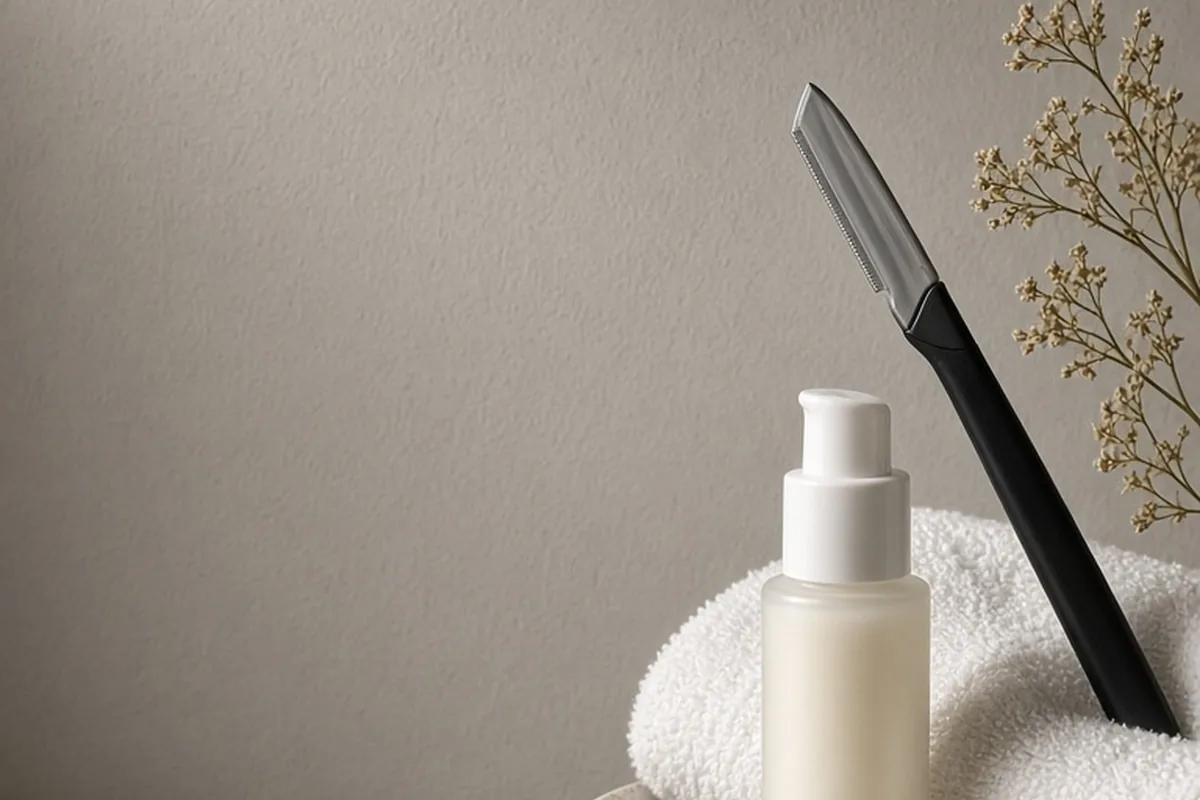
Yes, you should always moisturize immediately after dermaplaning. Dermaplaning scrapes away dead surface cells and fine vellus hair, temporarily thinning the outermost layer of your skin and increasing moisture loss. Applying a gentle, hydrating, fragrance-free moisturizer calms initial redness, replenishes depleted lipids, and shields the exposed skin from environmental irritation while your natural moisture barrier repairs itself.
Dermaplaning leaves your face feeling remarkably smooth and allows topical products to absorb more easily, but it also leaves your complexion temporarily vulnerable. Understanding how to support your skin immediately after treatment is the key to maintaining a radiant glow without triggering redness, tightness, or unexpected breakouts.
Why Post-Dermaplaning Hydration Is Crucial for Barrier Health
When a dermaplaning blade glides across your face, it removes the stratum corneum alongside fine peach fuzz. While this process reveals brighter skin underneath, it simultaneously strips away your natural lipid barrier, which normally serves as your primary defense against moisture evaporation and environmental irritants. Without this outer cushion, transepidermal water loss accelerates rapidly, leaving the newly exposed cells thirsty and prone to sudden dehydration.
Applying a dedicated moisturizer restores equilibrium by creating a protective artificial shield over vulnerable skin cells. This layer seals in vital water, reduces post-treatment tightness, and provides essential building blocks that facilitate cellular recovery. Skipping hydration after physical exfoliation can lead to compensatory oil production, flaky patches, stinging sensations, and increased susceptibility to airborne contaminants.
For example, someone who completes a dermaplaning session and applies nothing afterward often wakes up the following morning with a rough, crepey texture rather than the silky finish they anticipated. A restorative moisturizer bridges the vulnerable recovery window, calming the micro-inflammation caused by mechanical blade friction and ensuring your skin remains supple throughout its natural regeneration cycle.
The Most Effective Soothing Ingredients to Apply Right Away
The ideal post-dermaplaning moisturizer prioritizes simple, gentle hydrators and lipid-repairing ingredients that mimic your skin's natural composition. Because product absorption increases dramatically after manual exfoliation, you want formulations that deliver deep hydration without overwhelming delicate tissue or introducing chemical sensitizers.
Look for moisturizers rich in humectants, emollients, and physiological lipids that work cooperatively to rebuild the stratum corneum:
For instance, applying a basic lotion containing both hyaluronic acid and ceramides provides instant plumping while creating a physical seal that prevents moisture from escaping into dry indoor air. Squalane is particularly beneficial because it closely mirrors the natural sebum your skin temporarily lost during the scraping process, absorbing effortlessly without clogging pores.
- Hyaluronic acid and glycerin to draw ambient moisture deep into the epidermis.
- Ceramides and cholesterol to patch micro-fissures in the depleted lipid matrix.
- Squalane and jojoba oil to soften skin and provide lightweight, non-comedogenic barrier protection.
- Panthenol (vitamin B5) and allantoin to rapidly relieve surface stinging and quiet transient redness.
- Colloidal oatmeal or centella asiatica to soothe post-exfoliation inflammation.
Formulations and Actives to Avoid Immediately After Treatment
Just as certain ingredients accelerate healing, others can cause profound irritation when applied to freshly dermaplaned skin. Because the physical barrier is temporarily compromised, active compounds penetrate much deeper and faster than normal, transforming usually mild ingredients into harsh irritants that can cause chemical burns, contact dermatitis, or persistent redness.
Set aside all chemical exfoliants, including alpha hydroxy acids like glycolic and lactic acid, beta hydroxy acids like salicylic acid, and polyhydroxy acids, for at least forty-eight hours. Similarly, high-potency vitamin C (specifically pure L-ascorbic acid), retinol, prescription retinoids, and benzoyl peroxide should be completely paused. These ingredients demand a resilient skin barrier to be tolerated comfortably; applying them directly after blade exfoliation frequently triggers intense stinging, itching, and peeling.
You must also inspect your everyday moisturizer for hidden irritants such as synthetic fragrances, denatured alcohol, menthol, and essential oils like eucalyptus, tea tree, or lavender. While these components may cause no problems on untouched skin, their presence on recently scraped tissue can provoke acute allergic reactions or stubborn inflammatory flare-ups.
Step-by-Step Aftercare Routine for Daytime and Evening Sessions
Your immediate aftercare steps will vary slightly depending on whether you dermaplane in the morning or at night, but the core objective remains consistent: gentle handling, generous hydration, and steadfast protection. Always handle your face with freshly washed hands to avoid introducing bacteria to vulnerable follicles.
If you dermaplane during the day, gently wipe away stray hairs using a damp, soft cloth or a splash of cool water. Avoid foaming or clarifying cleansers. Apply a gentle humectant serum to damp skin, follow with a soothing ceramide moisturizer, and finish with a broad-spectrum mineral sunscreen containing zinc oxide or titanium dioxide. Physical sunscreens are preferable immediately after exfoliation because mineral filters sit on top of the skin and reflect ultraviolet rays without causing the chemical warmth or stinging that chemical filters sometimes induce.
If you dermaplane in the evening, your nighttime routine can focus entirely on deep nourishment and undisturbed barrier repair. After cleansing gently, layer your hydrating serum and a nourishing cream. If your skin leans dry, you can top dry-prone areas with a lightweight drop of pure squalane oil to lock in nighttime moisture. However, avoid thick, occlusive petrolatum slugging on the entire face immediately after shaving, as trapping heat and residual debris can inadvertently trigger folliculitis.
Tailoring Your Moisturizer Texture to Your Specific Skin Type
Not all skin types require the exact same post-treatment consistency, and matching your moisturizer's texture to your skin's baseline tendencies prevents both dehydration and accidental pore congestion. Finding the right balance between water content and lipid richness is essential for smooth recovery.
For oily or breakout-prone skin, heavy creams can feel suffocating and might trap debris within hair follicles that have just been stripped of vellus hair. Instead, choose an oil-free, water-based gel-cream formulated with glycerin, hyaluronic acid, and niacinamide. This imparts ample moisture to satisfy the barrier without leaving a greasy residue that could exacerbate congestion.
For dry or mature complexions, a lightweight gel often evaporates too quickly, leaving the skin feeling tight, pulled, and uncomfortably parched within an hour. Dry skin benefits substantially from richer creams packed with shea butter, ceramides, and fatty acids that provide lasting emollience. Those with sensitive skin or rosacea-prone complexions should opt for minimalist formulations containing fewer than ten to fifteen total ingredients, emphasizing colloidal oatmeal and panthenol to minimize the risk of reactive flushing.
Common Post-Dermaplaning Mistakes That Disrupt Healing
Even with a quality moisturizer in hand, several habitual post-skincare mistakes can compromise your results and trigger unpleasant side effects. Awareness of these common pitfalls ensures your post-dermaplaning glow remains clear and smooth.
One frequent error is touching your face repeatedly to admire its newfound smoothness. Your fingers carry microscopic oils and bacteria that easily enter newly cleared follicular openings, leading to small, itchy whiteheads known as folliculitis. Similarly, using dirty makeup brushes, resting a contaminated phone screen against your cheek, or sleeping on an unwashed pillowcase immediately following a session invites surface infections.
Another critical mistake is engaging in vigorous exercise, hot saunas, or steamy baths directly after dermaplaning. Sweating heavily through freshly exfoliated follicles causes stinging and pushes salt and bacteria into sensitive tissue, which frequently produces heat rashes or inflammatory breakouts. Wait at least twelve to twenty-four hours before participating in intense, sweat-inducing workouts.
Managing Makeup Application and Timeline for Resuming Actives
Knowing when to reintroduce decorative cosmetics and powerful treatment products is just as important as knowing what moisturizer to apply on day one. Patience during the initial forty-eight hours prevents setbacks and protects your overall skin health.
Ideally, wait at least twenty-four hours before applying liquid foundation, concealers, or powder cosmetics. While makeup sits beautifully over hair-free skin, applying pigment and binders onto raw, freshly scraped tissue can trap debris and irritate the barrier. If wearing makeup is unavoidable, choose clean mineral powders and apply them with thoroughly sanitized tools, pressing gently rather than buffing aggressively across the surface.
When reintroducing your regular active skincare regimen—such as retinoids, exfoliating acids, and strong antioxidant serums—proceed gradually. Wait a minimum of forty-eight hours post-treatment. Begin by applying your active product every other night rather than daily, buffering it over your gentle moisturizer if your skin displays any residual pinkness or sensitivity, until your barrier demonstrates full tolerance.
Frequently asked questions
Can I use pure hyaluronic acid right after dermaplaning?
Yes, pure hyaluronic acid is an excellent post-dermaplaning serum because it attracts water into the newly exposed skin cells. Always apply it to slightly damp skin and follow immediately with a gentle moisturizer to lock that hydration in place, preventing dry air from pulling moisture back out.
Why does my moisturizer burn or sting after dermaplaning?
Stinging usually indicates that your moisturizer contains hidden irritants like fragrance, alcohol, or botanical extracts, or that your skin barrier was scraped too aggressively. If burning occurs, gently rinse the product off with cool water and replace it with a minimalist, bland soothing ointment or ceramide cream.
Is it safe to use face oils instead of a traditional moisturizer?
Face oils provide excellent emollience and seal in moisture, but they do not contain water humectants on their own. For best results, apply a hydrating serum or light water-based moisturizer first, then layer a few drops of non-comedogenic oil like squalane over top to lock in hydration.
How soon can I wash my face after moisturizing?
Leave your post-dermaplaning moisturizer on to absorb undisturbed for several hours or overnight. When you do wash your face, use lukewarm water and a mild, non-foaming cleanser, patting gently with a clean towel rather than rubbing.
Your next step
Inspect your moisturizer's ingredient label today to ensure it is free from fragrance and active acids, preparing a simple, barrier-supporting formula before your next dermaplaning session.