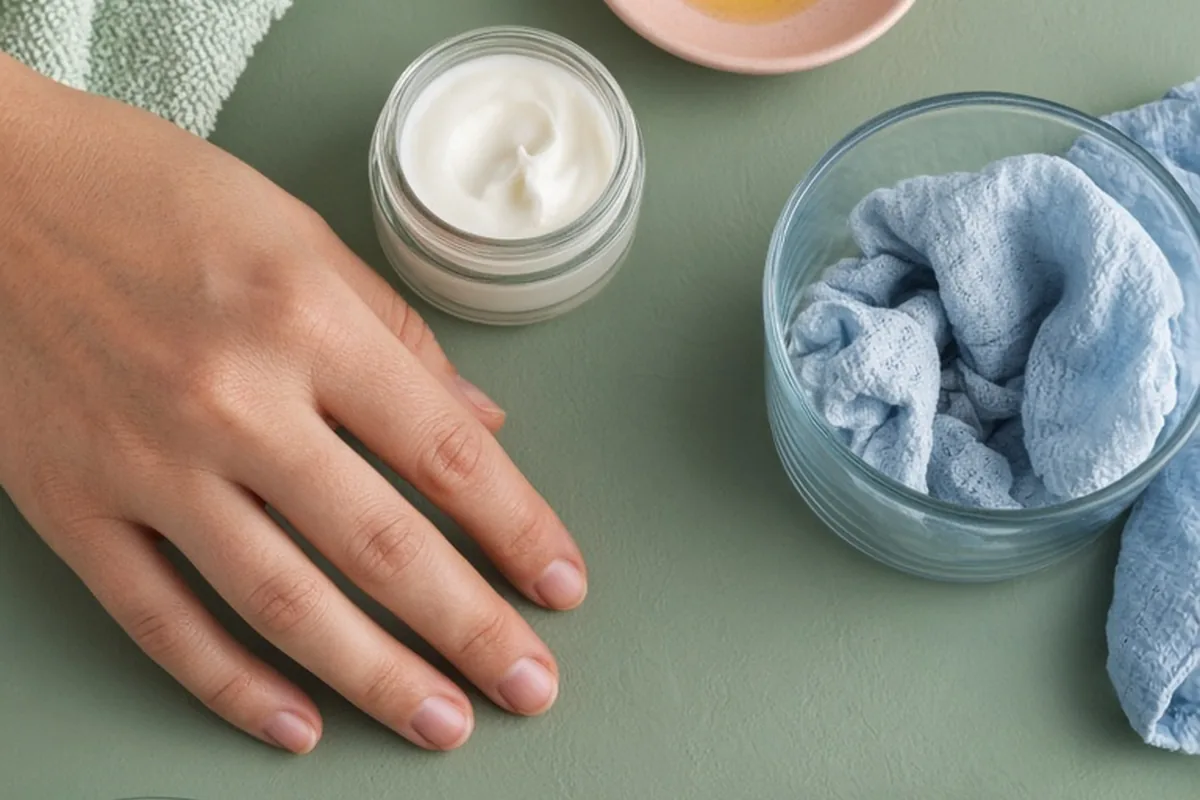
Skin barrier repair involves pausing harsh active ingredients, simplifying your daily routine, and applying barrier-supporting lipids like ceramides, fatty acids, and humectants to seal in moisture. By eliminating exfoliants and hot water while using gentle, non-stripping cleansers and rich occlusive moisturizers, most people can calm irritation, reduce redness, and gradually rebuild their skin's protective lipid layer over two to four weeks.
When your skin suddenly stings upon applying gentle products, turns unexpectedly red, or feels perpetually tight despite moisturizing, your moisture barrier is likely compromised. Restoring this essential protective shield requires patience, intentional product elimination, and a dedicated focus on gentle hydration.
Recognizing the Primary Signs of a Compromised Barrier
The skin barrier, situated in the outermost layer known as the stratum corneum, functions like a protective brick wall. The skin cells represent the bricks, while natural lipids such as ceramides, cholesterol, and fatty acids act as the mortar holding everything together. When this lipid mortar breaks down, microscopic gaps form across the surface. This structural breakdown accelerates transepidermal water loss, allowing essential moisture to evaporate while external irritants, bacteria, and allergens penetrate deeply into the tissue.
A damaged barrier reveals itself through distinct sensory and visual cues. You might notice an uncomfortable stinging sensation when applying products that previously felt soothing, such as plain tap water or basic hydrating lotions. The complexion often looks dull, patchy, and flushed, exhibiting a paradoxically shiny, plastic-like tightness alongside rough, flaky patches. In many cases, sudden breakouts occur because the skin produces excess oil to compensate for severe dehydration, leading individuals to mistakenly apply even more harsh clarifying treatments.
Common Triggers That Weaken the Lipid Shield
Barrier disruption rarely happens overnight; it is usually the cumulative result of aggressive habits or environmental stressors. The most frequent culprit is the excessive use of chemical exfoliants, including alpha hydroxy acids like glycolic or lactic acid, beta hydroxy acids like salicylic acid, and prescription or over-the-counter retinoids. When multiple exfoliating treatments are layered or used without adequate recovery intervals, the rate of cellular removal outpaces the skin's natural capacity to replenish its protective lipid matrix.
Physical and external stressors also play a significant role in weakening barrier defenses. Washing your face with hot water, scrubbing with abrasive physical brushes or washcloths, and using alkaline foaming cleansers strip away vital surface sebum. Seasonal transitions, dry indoor heating, low humidity environments, and persistent sun exposure further deplete moisture levels, making the skin vulnerable to cracking and micro-tears.
- High-strength chemical exfoliants (glycolic, lactic, salicylic, and mandelic acids)
- Potent retinoids and frequent retinol applications without adequate buffering
- High-pH bar soaps and foaming cleansers containing harsh surfactants
- Abrasive cleansing tools, rough washcloths, and gritty physical scrubs
- Prolonged exposure to hot shower water and dry, low-humidity air
The Minimalist Reset Routine for Immediate Relief
When your skin is actively burning or irritated, the most effective immediate intervention is a complete skincare reset. This approach requires temporarily shelving all active ingredients, brightening serums, chemical sunscreens that cause stinging, and fragranced formulations. By reducing your daily regimen to three non-negotiable fundamentals—cleansing, moisturizing, and protecting—you remove the continuous friction and chemical irritation that impede natural healing.
Your morning routine should consist of a lukewarm water splash or an ultra-mild, non-foaming cream cleanser, followed immediately by a barrier-replenishing moisturizer and a mineral sunscreen formulated with zinc oxide. Mineral sunscreens sit atop the skin and reflect UV rays, making them far less likely to irritate inflamed tissue than organic chemical filters. In the evening, repeat the gentle cleanse to wash away debris, and apply a generous layer of restorative cream while your skin remains slightly damp to lock in maximum hydration.
- Morning: Splash with lukewarm water or use a lotion cleanser, apply barrier moisturizer, finish with mineral SPF.
- Evening: Cleanse gently with a fragrance-free hydrating cleanser and seal in moisture with a rich restorative cream.
- Avoid: Active acids, retinoids, physical scrubs, essential oils, and hot water until skin completely calms.
Key Ingredients That Support Lipid Replenishment
Rebuilding a compromised lipid layer requires products formulated with physiological ingredients that mirror your skin's natural biology. Ceramides are the most critical component, as they make up roughly half of the healthy intercellular matrix. Look for formulations combining ceramides with cholesterol and free fatty acids, as this balanced lipid blend provides the precise structural building blocks required to patch microscopic gaps in the stratum corneum.
Alongside essential lipids, soothing humectants and calming agents accelerate comfort and moisture retention. Panthenol, also known as provitamin B5, acts as an effective humectant that attracts water while soothing persistent redness. Colloidal oatmeal offers natural anti-inflammatory properties that relieve itching, while squalane provides lightweight, non-comedogenic emollience. Layering a panthenol- or glycerin-based hydrator under a ceramide-rich cream creates a deeply nourishing reservoir of moisture.
- Ceramides (NP, AP, EOP) to reinforce structural intercellular integrity
- Fatty acids and cholesterol to restore the natural lipid equilibrium
- Panthenol (Vitamin B5) and beta-glucan to soothe inflammation and attract water
- Colloidal oatmeal and allantoin to calm burning, itching, and redness
- Plant-derived squalane to provide weightless emollient protection
Applying Occlusive Techniques Safely Without Clogging Pores
Occlusive agents form a physical film over the epidermis, preventing water from evaporating into the air and giving the underlying tissue a sheltered environment to repair itself. Classic petrolatum balms, shea butter, and specialized healing ointments are popular tools for sealing in hydration overnight. This technique, frequently referred to as slugging, can dramatically soften rough skin and accelerate recovery when used on severely compromised, parched areas.
However, occlusive treatments involve important trade-offs depending on your specific skin type. If you have acne-prone skin or active inflammatory breakouts, coating your entire face in heavy petrolatum may trap dead skin cells and natural sebum within hair follicles, resulting in milia or closed comedones. In these situations, practice targeted spot-slugging exclusively on dry, irritated patches, or swap dense petrolatum for lighter, plant-derived squalane oil that provides barrier protection without feeling overly heavy.
Timeline for Recovery and Gradual Reintroduction of Actives
Because the natural epidermal turnover cycle takes approximately 28 days for young adults and slightly longer as we age, true barrier repair requires consistency over several weeks. Most people experience substantial relief from stinging and tightness within three to seven days of adopting a simplified routine. However, the deeper lipid layers remain vulnerable even after visible surface redness subsides, meaning returning to active products too early will likely trigger a relapse.
Once your skin has felt completely comfortable, smooth, and resilient for at least two consecutive weeks, you can begin reintroducing targeted actives slowly. Choose one single product to reintroduce—such as your retinoid or a gentle exfoliant—and use it just once during the first week. Buffer the active ingredient by applying it over your moisturizer rather than directly onto bare skin. Wait several days to monitor for sensitivity before gradually increasing usage to two nights per week.
- Days 1 to 7: Noticeable reduction in burning, stinging, and acute surface redness.
- Weeks 2 to 4: Restoration of hydration levels, elimination of flakiness, and renewed suppleness.
- Week 5 and beyond: Strategic, buffered reintroduction of one active ingredient at a time, spaced several days apart.
Frequently asked questions
How long does it typically take to heal a damaged skin barrier?
Most people notice significant relief from burning and redness within two to four weeks of using a simplified routine. Complete cellular renewal and full lipid restoration generally align with your skin's natural 28-day turnover cycle.
Can I wear makeup while repairing my skin barrier?
It is best to minimize makeup during the first few days of acute irritation to avoid mechanical friction during removal. If you choose to wear makeup, use lightweight mineral formulas and remove them gently with a non-stripping cleansing milk or balm.
What is the difference between dry skin and a damaged moisture barrier?
Dry skin is a genetic skin type that naturally produces lower amounts of oil, whereas a damaged barrier is a temporary condition characterized by stinging, burning, sudden sensitivity, and increased water loss. Any skin type, including naturally oily or acne-prone skin, can experience a damaged barrier.
Will drinking extra water fix a damaged skin barrier on its own?
Drinking water supports overall cellular health, but internal hydration alone cannot fix surface barrier cracks. Restoring the barrier requires topical lipids and occlusives to physically prevent water from evaporating through the damaged stratum corneum.
Your next step
Start your recovery tonight by pausing all active acids and retinoids, washing with lukewarm water, and applying a fragrance-free ceramide cream to damp skin.