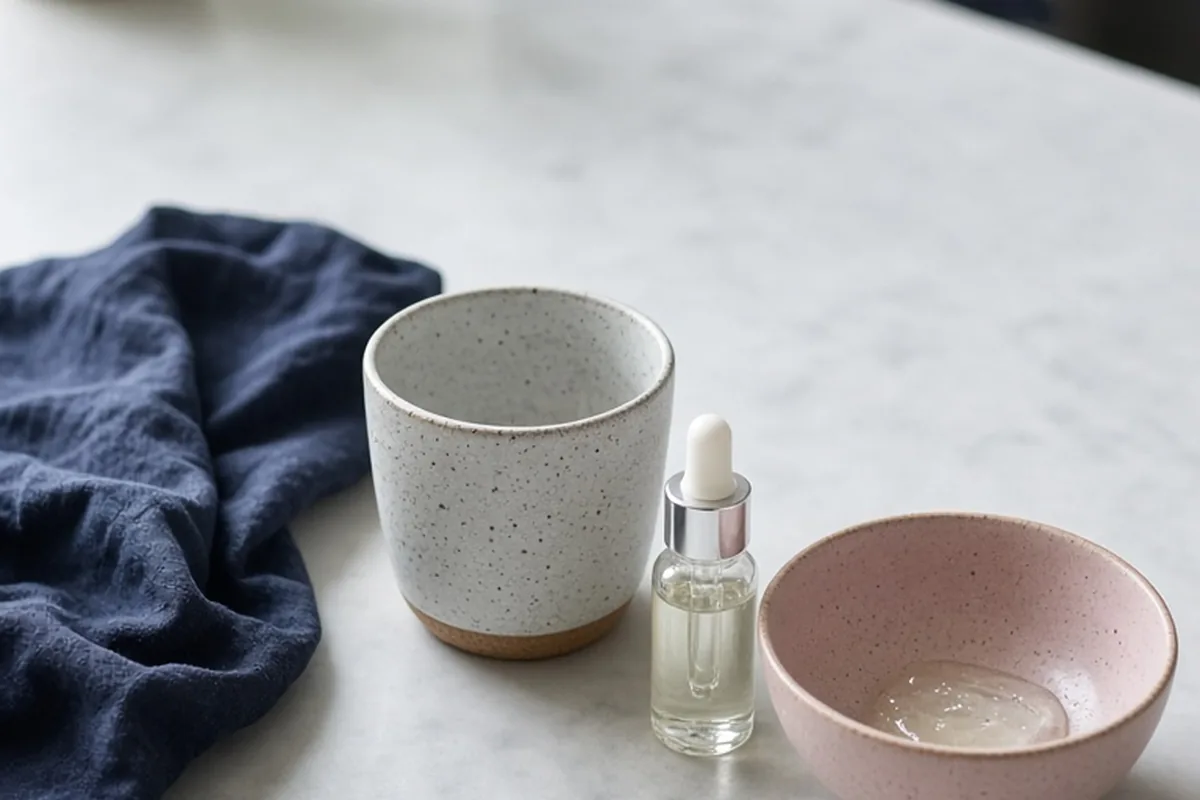
Skin care for reactive skin focuses on stripping down complex routines to protect the skin barrier and minimize irritation. Effective care involves using fragrance-free, gentle cleansers, hydrating with simple lipid-replenishing moisturizers, and wearing mineral sunscreen daily. Identifying individual triggers, avoiding harsh physical or chemical exfoliants, and patch-testing every new product can help soothe sudden flushing, stinging, and redness over time.
When skin reacts abruptly with burning, tightness, redness, or unexpected bumps, standard skincare advice often falls short. Reactive skin behaves unpredictably, transforming ordinary steps like washing your face or applying basic lotion into uncomfortable experiences. Rather than searching for an instant cure, managing reactive skin requires a steady, observational approach centered on calming irritation, strengthening natural moisture defenses, and eliminating common irritants.
Identifying Reactive Skin Patterns and Everyday Triggers
Reactive skin is characterized by a heightened sensitivity to external substances, environmental shifts, or physical touch. Unlike naturally dry or oily skin types, reactivity is a state of responsiveness where the outer protective layer struggles to shield underlying nerve endings from everyday stimuli. People experiencing this condition frequently notice rapid sensations of warmth, stinging, visible flushing, or rough dry patches shortly after applying cosmetics or stepping into harsh weather. Understanding that reactivity is often linked to an altered moisture barrier helps shift the focus from aggressive treatment to proactive protection.
Tracking daily habits and environmental exposures is one of the most effective ways to discover personal triggers. Common factors include synthetic perfumes, fluctuating temperatures, abrasive towels, hard municipal water, and psychological stress. Keeping a basic log for two weeks can reveal patterns that are not immediately obvious. However, skin responses are often cumulative rather than instantaneous; a product applied on Tuesday might weaken the barrier enough for a mild cleanser on Thursday to cause stinging. Recognizing this delayed response prevents misidentifying safe products while helping you isolate true irritants.
Constructing a Minimalist Morning and Evening Routine
The most reliable foundation for stabilizing reactive skin is a minimalist routine consisting of three fundamental steps: gentle cleansing, focused moisturizing, and reliable sun protection. Overloading the skin with multi-step regimens increases the statistical likelihood of encountering an ingredient that provokes an inflammatory response. In the morning, cleansing with lukewarm water alone or a mild lotion cleanser preserves the natural lipids produced overnight. Following with a simple moisturizer and a mineral sunscreen creates a breathable shield against daily environmental stress.
Evening care should focus exclusively on gentle removal and recovery. If you wear sunscreen or makeup, a gentle, fragrance-free cleansing oil or micellar water followed by a soothing water-based cleanser can remove debris without requiring vigorous rubbing. Apply moisturizer while the face is still slightly damp to trap ambient hydration in the upper layers of the epidermis. A common trade-off of this minimalist framework is that specialized cosmetic goals, such as rapid exfoliation or intensive anti-aging treatments, must be placed on hold until baseline skin comfort is consistently maintained.
Selecting Soothing and Barrier-Supportive Ingredients
Formulations designed for reactive skin should prioritize ingredients that actively mimic and reinforce the skin's natural lipid structure. Ceramides, cholesterol, and fatty acids work synergistically to patch microscopic gaps in the stratum corneum, reducing moisture loss and preventing irritants from penetrating deep tissue. Humectants like glycerin, hyaluronic acid, and panthenol (pro-vitamin B5) draw water into the skin without disrupting delicate pH levels. Additionally, botanical extracts with well-documented soothing reputations, such as colloidal oatmeal, centella asiatica, and allantoin, can assist in visibly calming superficial redness.
Even when evaluating beneficial ingredients, formulation simplicity remains paramount. A product containing high-quality ceramides can still cause a reaction if it is paired with strong preservatives, penetration enhancers, or drying solvents. Look for products with relatively short ingredient lists that explicitly state they are formulated without added fragrances, masking scents, or essential oils. It is worth noting that individual sensitivities vary widely; an ingredient that calms irritation for one person might cause mild stinging for another, underscoring the importance of gradual introduction.
Navigating Common Irritants and Safe Patch Testing
Managing reactive skin requires strict vigilance regarding cosmetic irritants and aggressive active substances. High concentrations of denatured alcohol, essential oils (such as tea tree, lavender, and citrus extracts), synthetic dyes, and volatile fragrances frequently trigger cutaneous reactions. Strong chemical exfoliants, including high-percentage glycolic acid, as well as physical scrubs made with walnut shells or abrasive beads, create micro-fissures in an already fragile barrier. When dealing with sudden reactivity, pausing all direct acids, retinoids, and vitamin C serums is generally advisable.
Safe patch testing is an essential preventive measure before introducing any new product to your face. Apply a pea-sized amount of the product to a discreet area with delicate skin, such as behind the ear or on the inner forearm, twice daily for three to five days. Monitor the area for signs of delayed erythema, itching, small bumps, or dryness. While a successful patch test on the arm does not fully eliminate the possibility of facial reactivity, it significantly lowers the risk of widespread facial discomfort or severe flare-ups.
Protecting Skin from Climate and Environmental Stressors
Environmental elements often act as unseen catalysts for sudden skin reactivity. Cold wind, low indoor humidity from central heating, and intense seasonal heat can rapidly deplete epidermal moisture, leading to micro-cracking and acute redness. Similarly, hard water containing elevated levels of minerals like calcium and magnesium can leave a drying residue on the skin surface that disrupts the protective acid mantle. Recognizing these physical stressors allows you to adapt your protective measures alongside your topical products.
Practical adjustments can mitigate environmental damage without overhauling your entire lifestyle. Placing a cool-mist humidifier in your bedroom during winter helps maintain optimal air moisture levels while you sleep. If your home has hard tap water, cleansing with thermal spring water sprays or using a no-rinse micellar water can minimize mineral exposure. When exposed to cold winds or intense sun, wrapping a soft, breathable scarf around the lower face provides a simple physical buffer. Keep in mind that environmental modifications support, but cannot entirely replace, a dedicated barrier-repair routine.
Selecting Sun Protection and Tolerable Makeup
Daily sun protection is crucial for reactive skin, as ultraviolet radiation triggers inflammatory cascades that worsen baseline sensitivity. However, many conventional chemical sunscreens utilize filters such as avobenzone or oxybenzone, which absorb UV light and release it as heat, potentially provoking flushing in reactive individuals. Mineral sunscreens formulated with zinc oxide and titanium dioxide sit on the skin surface to reflect UV rays and are generally better tolerated. Zinc oxide in particular carries mild skin-soothing properties that can benefit inflamed tissue.
When wearing cosmetics, selecting lightweight, breathable formulations minimizes the stress placed on your complexion. Mineral powder foundations or simple tinted moisturizers formulated without synthetic fragrances or heavy silicones tend to be well tolerated. Avoid waterproof or high-coverage long-wear products, as removing them often necessitates harsh cleansers or excessive mechanical rubbing with washcloths. The main trade-off with pure mineral sunscreens is their tendency to leave a white cast on deeper skin tones, though lightly tinted mineral options can help bridge this gap effectively.
Illustrative Scenarios
Simplifying a Multi-Product Regimen to Restore Baseline Comfort
Jordan developed persistent facial stinging, flushing, and rough patches after combining several trending active treatments, including an exfoliating toner, a brightening serum, and a rich anti-aging cream. Jordan decided to set aside all active products and adopted a streamlined three-step routine: an unscented cream cleanser, a basic ceramide lotion, and a pure zinc oxide sunscreen. Within three weeks of gentle, consistent care, the daily burning sensations subsided, and Jordan was able to establish a comfortable baseline without recurring flare-ups.
Key point: Eliminating layered active ingredients allows an overwhelmed skin barrier to rest and rebuild its natural protective lipid layer.
Frequently asked questions
How long does it take for reactive skin to calm down?
Skin barrier recovery typically takes anywhere from two to four weeks of consistent, gentle care. Severe irritation may take longer to fully settle, especially if triggers are still present in your environment or daily routine. Maintaining a minimal routine without introducing new products is essential during this recovery period.
Can I use anti-aging ingredients if my skin is reactive?
You can explore gentle anti-aging options once your skin barrier has completely stabilized. Ingredients like peptides, bakuchiol, or low-strength encapsulated retinoids are often better tolerated than strong acids or pure retinol. Always introduce active ingredients one at a time and limit use to once or twice weekly initially.
What is the difference between reactive skin and an allergic reaction?
Reactive skin typically involves general barrier impairment leading to transient stinging, burning, or redness from non-specific stimuli. An allergic reaction involves an immune response to a specific allergen, often causing persistent swelling, severe itching, or hives. If you suspect an allergy, a dermatologist can perform formal patch testing.
Should I wash reactive skin with cold or warm water?
Lukewarm water is the safest choice for washing reactive skin. Hot water strips essential lipids and triggers capillary dilation, while freezing cold water can shock sensitive nerve endings. Aim for a comfortable, neutral water temperature that cleanses without provoking redness.
Your next step
Assess your current skincare lineup today, temporarily set aside all exfoliating acids and fragranced products, and commit to a simple three-step routine of gentle cleanser, barrier cream, and mineral sunscreen for the next two weeks.