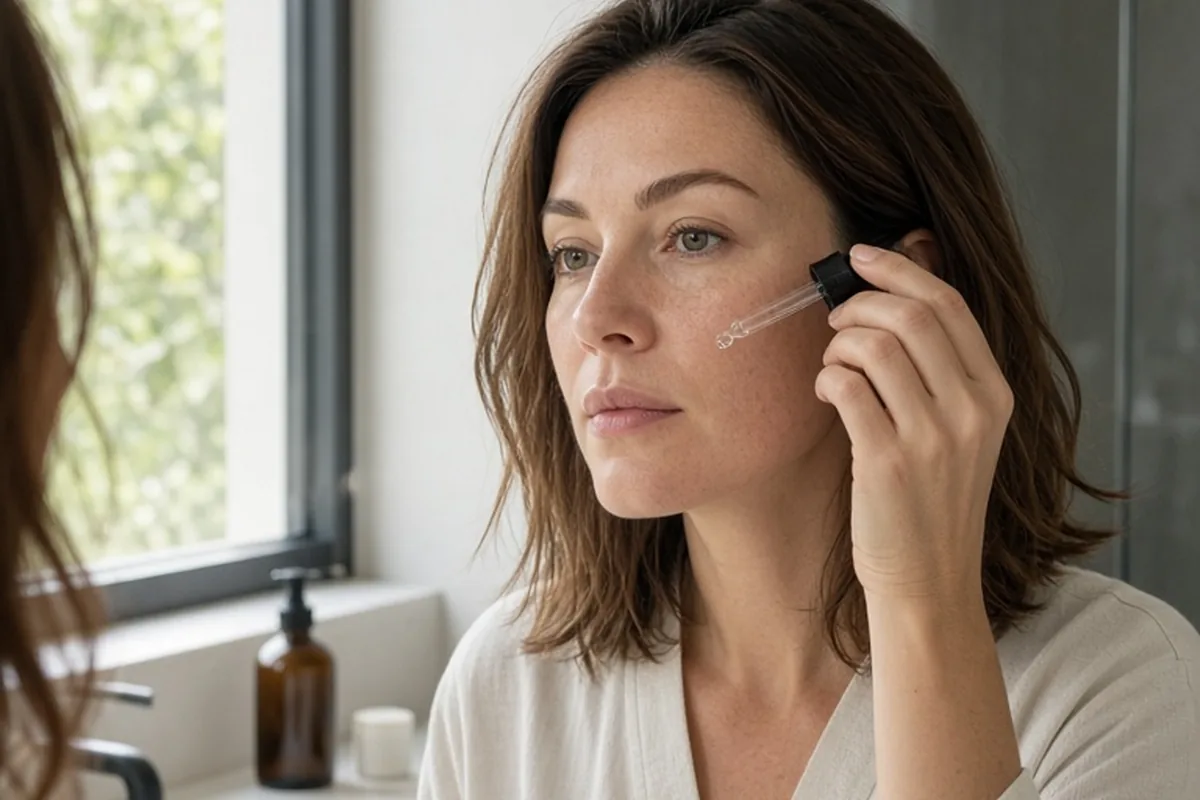
Sun spots treatment typically involves using topical brightening ingredients like vitamin C, niacinamide, and azelaic acid, combined with chemical exfoliation or professional in-office procedures such as chemical peels, intense pulsed light, and laser resurfacing. Daily broad-spectrum sunscreen is essential to prevent existing spots from darkening and stop new spots from forming during and after any active treatment routine.
Sun spots, often called solar lentigines or age spots, are flat, darkened patches of skin that develop after prolonged ultraviolet exposure. Addressing them effectively requires a thoughtful balance between targeted pigment-reducing ingredients and rigorous preventative habits to maintain skin barrier health.
Understanding What Causes Sun Spots and How They Behave
Sun spots develop when skin cells produce excess melanin in response to repeated ultraviolet radiation from sunlight or tanning beds. Melanin functions as the body's natural defense mechanism, absorbing radiation to protect cellular structures from damage. Over years of cumulative exposure, melanocytes—the pigment-producing cells in the basal layer of the epidermis—can become permanently hyperactive or cluster together, creating distinct, flat patches of hyperpigmentation that range from light tan to dark brown. These spots are particularly common on areas frequently exposed to the sun, including the face, shoulders, forearms, and backs of the hands.
Recognizing sun spots and distinguishing them from other skin conditions is essential for choosing the right treatment. Unlike freckles, which often darken in summer and fade during winter months, solar lentigines remain stable in color regardless of season unless treated. They also differ from melasma, which is typically driven by hormonal fluctuations and presents as diffuse, symmetrical patches across the cheeks or forehead. Treating melasma with aggressive heat-based lasers can sometimes worsen discoloration, whereas true sun spots often respond favorably to light and laser modalities. Having an unusual or newly changing lesion evaluated by a medical professional ensures safety before beginning any cosmetic treatment.
Daily Over-the-Counter Topical Brighteners
Over-the-counter topical treatments work primarily by interrupting melanin synthesis or preventing pigment from transferring into surrounding skin cells. Tyrosinase inhibitors represent one of the most effective non-prescription categories. Ingredients such as vitamin C (L-ascorbic acid), alpha arbutin, kojic acid, and licorice root extract inhibit the tyrosinase enzyme, which is necessary for melanin production. Niacinamide, a form of vitamin B3, acts differently by blocking the transfer of melanosomes to keratinocytes. Incorporating a serum containing 10 to 15 percent L-ascorbic acid under morning moisturizer can brighten overall skin tone while neutralizing free radicals generated by ambient UV light.
While topical brighteners offer high safety profiles and ease of use, they require sustained patience and consistent daily application. Most botanical and synthetic pigment reducers take at least eight to twelve weeks of uninterrupted use to produce visible lightening. Furthermore, over-the-counter formulas typically affect only superficial epidermal pigment, meaning deeply rooted or longstanding spots may show only modest improvement. Combining complementary brighteners—such as applying an azelaic acid cream alongside a gentle niacinamide serum—can yield better results than relying on a single ingredient, provided the skin barrier tolerates the combination without persistent redness or flaking.
Chemical Exfoliants and Retinoids for Cellular Turnover
Accelerating the natural shedding of dead, pigmented skin cells is another reliable method for fading sun spots. Alpha hydroxy acids (AHAs), such as glycolic acid and lactic acid, dissolve the cellular bonds holding dull surface skin together, revealing fresher layers underneath. Glycolic acid possesses a small molecular size that penetrates deeply, making it an efficient choice for sun-damaged texture, whereas lactic acid offers milder exfoliation with added humectant properties. Applying an AHA exfoliant two or three evenings per week gradually lifts superficial pigment while smoothing rough, weathered skin texture.
Retinoids, including over-the-counter retinol, retinaldehyde, and prescription-strength tretinoin, work at a deeper cellular level by accelerating keratinocyte turnover and regulating melanocyte activity. By speeding up epidermal renewal, retinoids help disperse clustered pigment and stimulate collagen production. However, introducing retinoids requires a careful acclimatization phase. Users frequently experience temporary dryness, peeling, and increased photosensitivity, known as retinization. To minimize barrier disruption, apply retinoids on alternate nights over a rich moisturizer, and avoid using strong acid exfoliants in the same evening routine.
Professional In-Office Procedures for Stubborn Pigment
When topical regimens produce insufficient clearance, professional in-office treatments offer faster and more pronounced pigment reduction. Intense Pulsed Light (IPL) therapy delivers broad-spectrum light pulses that target hemoglobin and melanin, causing pigmented lesions to darken, crust, and naturally slough off over seven to ten days. Q-switched and picosecond lasers operate with precise wavelengths that shatter melanin granules into microscopic fragments, which the body's lymphatic system then gradually clears away. These light-based modalities are especially useful for isolated, distinct sun spots on fair to medium skin types.
In-office medium-depth chemical peels using trichloroacetic acid (TCA) or high-percentage glycolic formulations provide an alternative for widespread photoaging across larger surface areas. Cryotherapy, which uses liquid nitrogen to freeze and destroy localized melanocyte clusters, remains another quick option for individual raised or dense lesions. The primary trade-offs of clinical procedures involve procedural cost, temporary downtime, and risk of post-inflammatory hyperpigmentation. Darker skin tones (Fitzpatrick types IV through VI) require cautious parameter selection and experienced practitioners, as heat-based treatments can paradoxically trigger excess melanin production if administered incorrectly.
Daily Sunscreen and Preventative Habits
Every active sun spot treatment remains ineffective without consistent, rigorous ultraviolet protection. Sun spots represent a chronic accumulation of sun exposure; even brief unprotected outdoor intervals can trigger melanocytes to replenish lost pigment, reversing months of treatment progress. Broad-spectrum sunscreens with a Sun Protection Factor (SPF) of 30 or higher protect skin from both UVB rays (which cause burning) and UVA rays (which penetrate deeper to drive pigment changes and premature aging). Mineral sunscreens containing zinc oxide or titanium dioxide provide immediate broad-spectrum physical reflection and are well-tolerated by sensitive or post-procedure skin.
Achieving meaningful photoprotection requires applying approximately one-quarter teaspoon of sunscreen to the face and neck, with reapplication every two hours during outdoor activities. For prolonged sun exposure, physical barriers offer dependable support beyond topical lotions. Wide-brimmed hats, polarized sunglasses, and clothing labeled with an Ultraviolet Protection Factor (UPF) of 50+ block ambient rays without degrading over time. Seeking shade during peak UV intensity hours, typically between 10 a.m. and 4 p.m., creates a durable preventative foundation that safeguards skin clarity.
Building a Balanced Routine Without Damaging the Skin Barrier
A frequent pitfall when treating sun spots is combining too many aggressive active ingredients simultaneously. Layering strong acids, high-strength retinoids, and potent tyrosinase inhibitors can compromise the skin's lipid barrier, causing persistent inflammation, flaking, and sensitization. Chronic skin inflammation triggers melanocytes to produce more pigment, a condition known as post-inflammatory hyperpigmentation. Balancing active treatments with restorative barrier care ensures that dark spots fade without inducing secondary discoloration or discomfort.
A practical daily routine separates potent actives between morning and evening while prioritizing hydration. In the morning, cleanse with a gentle non-stripping wash, apply an antioxidant serum such as vitamin C, follow with a lightweight moisturizer rich in ceramides or hyaluronic acid, and finish with broad-spectrum sunscreen. In the evening, alternate between an exfoliating AHA toner and a retinoid treatment, always following with a nourishing barrier repair cream. If dryness or stinging occurs, pause all active exfoliants for several days and focus exclusively on hydration until skin comfort returns.
Frequently asked questions
How long does it take for topical sun spot treatments to show visible results?
Most over-the-counter topical treatments require consistent daily use for eight to twelve weeks before noticeable fading occurs. Because skin cell turnover takes approximately 28 to 40 days, multiple turnover cycles are necessary to gradually lift accumulated surface pigment.
Can sun spots disappear completely on their own without treatment?
Sun spots rarely disappear on their own because they stem from permanent localized changes in melanocyte activity. While rigorous daily sun protection can prevent them from darkening further, active topical brighteners or clinical procedures are typically required to visibly diminish existing spots.
Are home remedies like lemon juice or apple cider vinegar safe for fading sun spots?
DIY remedies like undiluted lemon juice or vinegar are not recommended because their high acidity can cause chemical burns, severe irritation, and subsequent post-inflammatory hyperpigmentation. Formulated skincare products containing stabilized, pH-balanced brightening ingredients provide much safer and more predictable results.
When should a dark spot be examined by a medical professional?
Any spot that exhibits irregular borders, multiple colors, asymmetric growth, rapid size changes, itching, or bleeding should be evaluated immediately by a dermatologist. Professional skin checks ensure that atypical lesions or skin malignancies are identified and managed properly before cosmetic treatments begin.
Your next step
Schedule an evaluation with a board-certified dermatologist to confirm that your spots are benign, then establish a daily routine featuring broad-spectrum sunscreen, targeted topical brighteners, and barrier-supporting moisturizers.