Varicocele repair typically costs between $2,000 and $10,000 or more in the United States without insurance, depending heavily on the procedure type, geographic location, and treatment facility. When health insurance covers the procedure, patients generally pay between $500 and $3,000 out of pocket, determined by their plan deductible, coinsurance percentages, copays, and whether the repair is classified as medically necessary.
Navigating a varicocele diagnosis often brings a mix of medical choices and financial questions. Whether you are seeking relief from persistent physical discomfort or addressing male-factor fertility concerns, knowing how different repair methods, provider settings, and insurance stipulations influence your total bill makes the treatment pathway far more manageable.
How Surgical Techniques Influence Overall Pricing
The specific surgical approach your urologist recommends is one of the primary drivers of total treatment expense. Microsurgical subinguinal varicocelectomy is widely considered the gold standard for surgical repair due to its high success rates and low recurrence profiles. This technique utilizes an operative microscope to allow the surgeon to carefully identify and ligate enlarged veins while sparing delicate testicular arteries and lymphatic vessels. Because it requires specialized microscopic instrumentation and microsurgical expertise, surgeon fees may be slightly higher than older, non-magnified techniques, often placing base surgeon charges between $1,500 and $3,500.
Traditional open surgical methods, such as high retroperitoneal or inguinal approaches, do not use an operative microscope and can sometimes carry lower professional fees. However, they may involve higher postoperative complication rates or longer recovery times, which can lead to additional follow-up expenses. Laparoscopic varicocelectomy involves inserting small trocars and a camera into the abdomen to clip internal spermatic veins. While effective, laparoscopic procedures mandate general anesthesia and expensive operating room equipment, frequently driving facility charges higher than those seen with an outpatient subinguinal microscopic repair under regional or local sedation with monitored anesthesia care.
Percutaneous Embolization Versus Surgical Repair Costs
Percutaneous varicocele embolization is a non-surgical, minimally invasive alternative performed by an interventional radiologist rather than a urologist. In this procedure, a specialist threads a thin catheter through a vein in the groin or neck down to the testicular vein, releasing tiny metal coils or sclerosant agents to divert blood flow away from the enlarged veins. The procedural costs for embolization differ significantly from open surgery, as it is commonly conducted in an outpatient interventional radiology suite under twilight sedation rather than a full hospital operating room.
Total out-of-pocket costs for embolization can range from $3,000 to $8,000 for self-pay patients, closely tracking surgical estimates. The primary financial trade-off involves facility versus equipment fees: embolization minimizes operating room overhead and general anesthesia costs but involves expensive fluoroscopic imaging suites, specialized catheters, and implantable occlusion devices. Recovery times for embolization are generally shorter, which can reduce indirect costs such as missed work days, but patients must weigh this against slightly higher recurrence rates compared to microscopic surgery.
Breaking Down the Elements of a Medical Bill
A common point of confusion for patients is receiving multiple separate invoices for a single repair procedure. Medical billing for varicocele treatment is typically divided into three distinct buckets: professional provider fees, facility fees, and anesthesia fees. Understanding how each component contributes to the final total helps prevent unexpected billing surprises after the procedure.
The professional fee compensates the urologist or interventional radiologist for performing the procedure and usually includes basic post-operative evaluations within a standard 90-day global surgical period. The facility fee is billed directly by the hospital or independent ambulatory surgical center to cover the operating theater, specialized surgical microscopes, nursing staff, sterilizations, and single-use supplies. Anesthesia services are billed independently by an anesthesiology group based on the time spent in surgery and the complexity of sedation administered. If complications or unexpected findings arise, additional pathology or emergency supply charges may also appear.
- Surgeon or Radiologist Fee: Covers the clinician's diagnostic evaluation and operative execution.
- Facility Charge: Covers surgical suites, support staff, imaging equipment, and disposable surgical tools.
- Anesthesia Fee: Billed separately for the provider managing sedation, monitoring, and intraoperative comfort.
- Ancillary Services: Includes pre-operative medications, post-anesthesia recovery units, and immediate wound care supplies.
Navigating Insurance Policies and Medical Necessity
Health insurance coverage for varicocele repair hinges largely on the primary diagnostic code used by your clinician. Most commercial and government insurance programs recognize varicocele repair as medically necessary when it is prescribed to treat chronic, documented scrotal pain or physical discomfort that has failed to improve with conservative treatments like scrotal support or anti-inflammatory medications. Under these circumstances, plans typically approve coverage subject to standard deductibles, copayments, and coinsurance requirements.
Coverage becomes more complicated when the primary indication is male infertility. While some modern employer plans provide dedicated fertility benefits that encompass diagnostic evaluations and corrective procedures, many traditional policies carry explicit exclusions for infertility-related treatments. In situations where an abnormal semen analysis is the sole justification for surgery, insurers may deny coverage. It is critical to work with your urologist's administrative team to obtain prior authorization and verify whether your policy requires evidence of physical pain, documented testicular atrophy, or specific semen parameters before approving reimbursement.
Accounting for Pre-Operative and Diagnostic Expenses
The overall financial investment of varicocele treatment extends beyond the day of the procedure itself. Before a specialist can confirm that a varicocele requires intervention, patients typically undergo several diagnostic assessments to establish baseline parameters and evaluate vein grading. These initial evaluations generate individual medical bills that contribute to the cumulative cost of care.
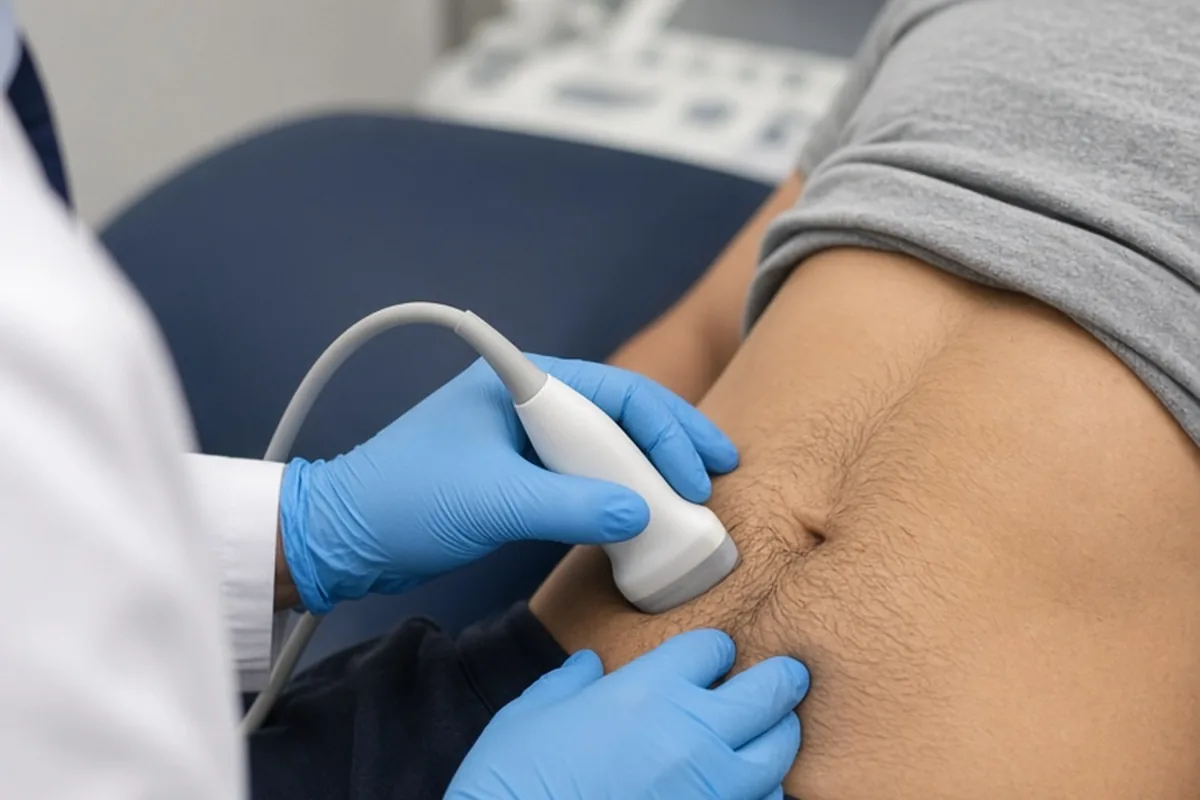
Diagnostic evaluations frequently start with a comprehensive physical examination and a scrotal color Doppler ultrasound to measure vein diameter and identify retrograde blood flow during a Valsalva maneuver. Ultrasound imaging alone can range from $200 to $800 depending on the imaging center. For individuals pursuing treatment for fertility reasons, baseline evaluations also include at least two separate semen analyses spaced several weeks apart, blood tests to measure testosterone, luteinizing hormone, and follicle-stimulating hormone, and routine pre-operative blood work or electrocardiograms to clear the patient for anesthesia.
Strategies to Manage Costs and Plan for Out-of-Pocket Payments
If you are paying out of pocket or navigating high-deductible insurance plans, there are actionable steps you can take to manage your total expenditures. First, request itemized good-faith estimates from every entity involved—the surgeon's office, the surgical facility, and the anesthesia provider. Asking about self-pay cash discounts can significantly lower your expenses, as many healthcare systems offer reductions of 20% to 50% for upfront settlements that bypass administrative insurance processing.
Choosing an independent ambulatory surgery center rather than a hospital-based outpatient department can substantially lower the facility fee component without compromising clinical quality. Additionally, patients can utilize pre-tax funds from Health Savings Accounts (HSA) or Flexible Spending Accounts (FSA) to pay for both diagnostic tests and surgical repairs. Many practices also partner with dedicated medical financing companies that offer zero-interest or low-interest payment installments over 6 to 24 months, enabling you to spread out payments into predictable monthly increments.
Evaluating Financial Trade-Offs Against Alternative Fertility Treatments
For couples addressing male-factor subfertility, evaluating varicocele repair requires comparing its cost against advanced assisted reproductive technologies such as intrauterine insemination (IUI) or in vitro fertilization (IVF) paired with intracytoplasmic sperm injection (ICSI). An uncomplicated varicocele repair represents a single upfront cost, usually under $10,000 even without coverage, that has the potential to permanently improve semen concentration, motility, and overall sperm quality over several months.
In contrast, a single cycle of IVF with ICSI routinely costs between $15,000 and $25,000, frequently requiring multiple cycles to achieve a successful pregnancy. While varicocele repair does not guarantee natural conception, improving baseline semen health can sometimes elevate a couple's reproductive outlook enough to achieve pregnancy naturally or transition them from needing high-cost IVF to lower-cost options like IUI. Discussing these long-term financial trajectories with both a reproductive endocrinologist and an experienced urologist helps ensure your financial resources are allocated strategically.
Illustrative Scenarios
Composite Scenario: Comparing Treatment Settings and Coverage Paths
A 32-year-old individual presenting with mild scrotal discomfort and subfertile semen parameters received two different quotes for a microscopic varicocelectomy. The initial estimate from a hospital-owned facility totaled $11,500, with insurance denying the preliminary claim because the paperwork emphasized fertility improvement over chronic discomfort. After consulting with the urology billing coordinator, the clinic resubmitted clinical documentation highlighting two years of intermittent physical pain and transferred the procedure to an accredited freestanding ambulatory surgical center. The total negotiated self-pay bundle at the outpatient center dropped the overall estimate to $4,800, which was ultimately processed through insurance under medical necessity for a final out-of-pocket patient responsibility of $1,650.
Key point: Proactively coordinating billing codes, clarifying documented physical symptoms, and selecting outpatient surgical centers over hospital operating rooms can substantially reduce final expenses.
Frequently asked questions
Does insurance usually cover varicocele repair?
Most commercial and government insurance plans cover varicocele repair when it is deemed medically necessary to resolve chronic testicular pain or treat documented testicular atrophy. Coverage is often restricted or denied if the procedure is coded exclusively as an elective treatment for male infertility without qualifying physical symptoms.
How much does a varicocele repair cost if I pay out of pocket?
Self-pay patients generally encounter total costs between $2,000 and $10,000 for varicocele repair in the United States. This total typically includes the professional surgeon fee, facility overhead, and anesthesia services, though requesting cash-pay bundled discounts can often lower the final sum.
Is embolization more expensive than surgical varicocelectomy?
Embolization and microscopic surgery generally fall into similar total price brackets between $3,000 and $8,000. While embolization avoids the heavy costs of general anesthesia and traditional operating rooms, it incurs expenses for specialized interventional imaging suites and occlusion coils.
Are follow-up semen tests and ultrasounds included in the surgical cost?
Follow-up diagnostic testing is rarely included in the initial surgical fee and is billed separately by testing laboratories or imaging centers. Post-operative semen analyses, blood panels, and follow-up scrotal ultrasounds typically add $200 to $600 to your comprehensive care costs over the subsequent six to twelve months.
Your next step
Schedule a consultation with a urologist or interventional radiologist to get a clear clinical diagnosis, and contact your insurance provider with the exact procedural codes to obtain a detailed pre-authorization estimate before proceeding.