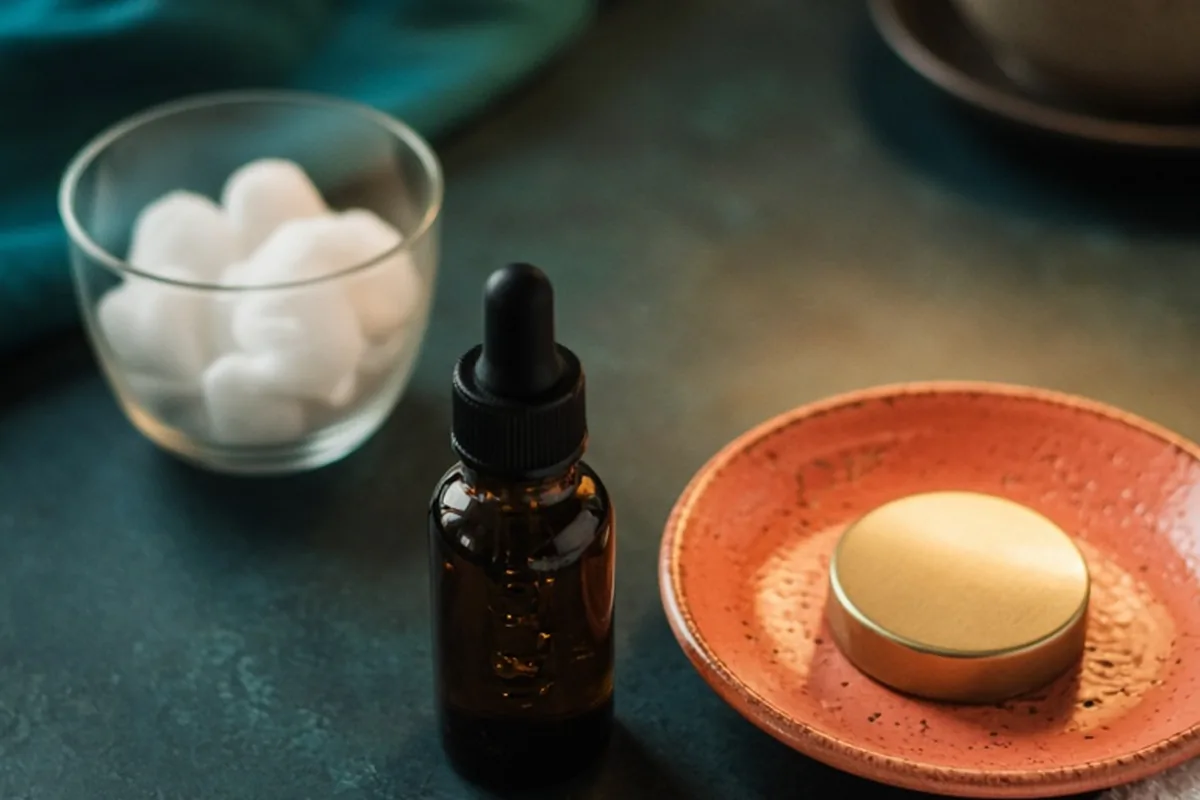
Vitamin C serum delivers concentrated topical antioxidants directly to your skin, helping to brighten a dull complexion, even out irregular skin tone, and defend against everyday environmental stressors like pollution and ultraviolet exposure. When used consistently in a morning routine alongside daily sunscreen, a properly formulated vitamin C serum can support natural collagen production, reduce the visual intensity of post-acne marks, and promote a smoother texture over time.
Incorporating a targeted active ingredient into your daily skincare regimen can feel overwhelming given the variety of formulations available. Understanding the practical advantages of vitamin C helps you select the right concentration and texture for your specific skin type.
Protecting Skin Against Environmental Stressors and Pollution
Everyday exposure to airborne pollutants, particulate matter, and ambient sunlight generates free radicals across the surface of your skin. These unstable molecules break down natural lipids, deplete essential moisture reserves, and accelerate visible signs of wear such as dullness, rough texture, and premature fine lines. Topical vitamin C functions primarily as an antioxidant, donating electrons to neutralize reactive oxygen species before they trigger deeper cellular stress within the epidermis. By creating a defensive layer under your moisturizer and sunscreen, it helps preserve skin clarity and vitality, particularly for those living in bustling urban areas.
To achieve dependable environmental defense, apply your serum every morning to freshly cleansed, completely dry skin. For example, smoothing a few drops of a ten-percent or fifteen-percent L-ascorbic acid serum over your face before heading out for a daily commute helps counteract the invisible toll of exhaust fumes and ambient smog. However, it is essential to remember that vitamin C is an adjuvant protector rather than a standalone shield; it never replaces broad-spectrum sun protection and must always be paired with a generous layer of daily sunscreen to prevent ultraviolet damage.
Brightening Dull Tone and Fading Visible Dark Marks
Uneven pigmentation, persistent sun spots, and post-inflammatory marks left behind by resolved blemishes can make the complexion appear patchy and fatigued. Vitamin C helps address this by interacting with tyrosinase, a key enzyme involved in melanin synthesis. By helping moderate excess pigment production, consistent topical application encourages existing discolored spots to fade gradually while helping to discourage new dark marks from taking hold after minor breakouts or prolonged outdoor activity.
Consider someone managing lingering brownish marks across the cheeks following a cycle of hormonal blemishes. Adding a stable vitamin C serum to their morning routine often softens the contrast of those spots within eight to twelve weeks, leading to a visibly more uniform and luminous appearance. A key trade-off to keep in mind is that brightening takes consistent time and strict sun avoidance. Choosing an overly aggressive concentration in hopes of faster results can trigger contact irritation, which may paradoxically worsen post-inflammatory pigmentation on delicate or sensitive skin.
Supporting Natural Collagen and Firmness
Collagen forms the primary structural scaffolding of healthy skin, maintaining elasticity, bounce, and resilience against gravitational pull. As the natural aging process unfolds, internal collagen synthesis gradually slows, while lifestyle factors and sun exposure accelerate the breakdown of existing structural proteins. Vitamin C serves as an indispensable cofactor for the biological enzymes responsible for stabilizing and cross-linking collagen fibers, making it an essential topical ally for supporting long-term skin firmness.
Introducing a daily serum before deep lines become established provides continuous structural reinforcement. Applying three to four drops across the face, neck, and upper chest each morning helps keep the skin feeling supple and firm as the years progress. While topical vitamin C cannot replicate the dramatic structural lifting of in-office dermatological procedures, it represents one of the most reliable, non-invasive daily habits for sustaining healthy skin density and refining surface texture.
Selecting the Best Vitamin C Derivative for Your Skin Type
Not all vitamin C formulations perform identically, as the active ingredient exists in several distinct chemical variations designed for different skin tolerances. Pure L-ascorbic acid is the most potent and extensively researched form, but it requires a low, acidic formulation pH to penetrate effectively, which can cause mild stinging, flaking, or redness on reactive complexions. Fortunately, modern skincare chemistry offers buffered derivatives that remain stable at neutral pH ranges, opening the benefits of vitamin C to almost every skin profile.
If you have oily or breakout-prone skin, water-soluble sodium ascorbyl phosphate offers antioxidant protection while feeling lightweight and helping balance surface sebum. Those with dry or easily sensitized complexions often fare best with lipid-soluble forms like tetrahexyldecyl ascorbate blended into nourishing squalane bases. Balancing raw active strength with your skin's personal tolerance is the most important decision here, as an irritating product will compromise your moisture barrier regardless of its theoretical potency.
Layering Vitamin C with Other Skincare Actives
Creating a harmonious skincare routine requires careful consideration of how potent active ingredients interact throughout the 24-hour cycle. Vitamin C works exceptionally well alongside complementary antioxidants like vitamin E and ferulic acid, which act synergistically to stabilize the formula and boost overall protective capability. Following your vitamin C serum with a hydrating hyaluronic acid lotion or a ceramide-rich moisturizer helps lock in essential hydration and prevent the mild surface dryness that occasionally accompanies acidic serums.
Conversely, combining pure L-ascorbic acid simultaneously with strong direct exfoliating acids like glycolic or salicylic acid, or with prescription retinoids, can easily overwhelm the cutaneous barrier and trigger redness or peeling. A sensible schedule involves applying your vitamin C serum every morning underneath sunscreen, while reserving concentrated chemical exfoliants or nighttime retinoids for your evening routine on alternating days. This strategic separation allows each active to work at its optimal pH without putting unnecessary stress on your skin.
Preventing Serum Oxidation and Maximizing Shelf Life
Pure vitamin C is inherently vulnerable to degradation when exposed to atmospheric oxygen, direct sunlight, and elevated temperatures. When an L-ascorbic acid serum oxidizes, its appearance shifts from clear or pale champagne to deep yellow, amber, or murky brown. Beyond losing its protective antioxidant efficacy, an oxidized formula can cause temporary cosmetic staining on the skin surface and increase the potential for localized irritation and clogged pores.
To ensure your product remains potent from the first drop to the last, prioritize serums packaged in opaque, dark amber, or UV-shielded bottles with airtight pump or dropper dispensers. Store the container in a cool, dark drawer, medicine cabinet, or skincare mini-fridge rather than on a humid bathroom counter next to the shower. Always secure the dropper tightly immediately after dispensing your morning dose to minimize air exchange and preserve the formula throughout its intended three-to-four-month lifespan.
Frequently asked questions
How long does it take to see visible results from using a vitamin C serum?
Most individuals notice an initial improvement in skin radiance and surface hydration within two to four weeks of daily use. More noticeable reductions in dark spots and improvements in skin firmness generally require eight to twelve weeks to become evident, aligning with natural cellular turnover cycles.
Can I use vitamin C serum if I have sensitive or rosacea-prone skin?
Yes, but it is best to avoid high-concentration pure L-ascorbic acid in favor of gentle derivatives like magnesium ascorbyl phosphate or tetrahexyldecyl ascorbate. Look for buffered formulas that incorporate soothing agents like panthenol or centella, and always patch-test on your jawline for twenty-four hours before full facial use.
Should vitamin C serum be applied in the morning or at night?
Morning application is widely preferred because it allows the antioxidant properties to actively defend against daytime UV exposure and environmental pollution. However, using it in the evening is entirely acceptable if your morning routine is crowded, as long-term consistency is what ultimately drives results.
What should I do if my vitamin C serum changes color?
A slight pale straw hue is standard for many formulations, but a distinct shift to dark orange, amber, or brown indicates significant oxidation. An oxidized serum has lost its active potency and can cause surface irritation, so it is best to discard the bottle and replace it with a fresh formulation.
Your next step
Assess your current morning routine, choose a vitamin C derivative tailored to your skin sensitivity, and patch-test the formula for twenty-four hours before gradually introducing it three mornings per week beneath your daily sunscreen.