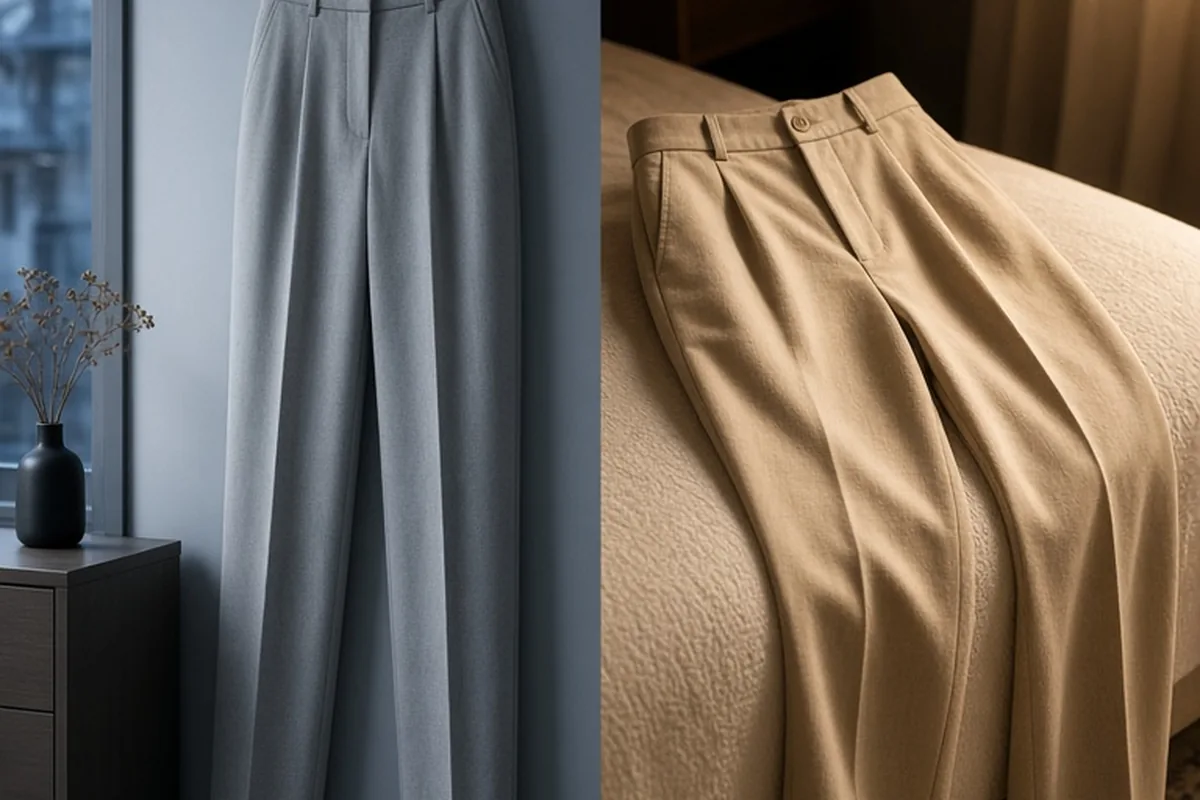
Slacks for women are tailored, non-denim trousers designed for professional, smart-casual, and formal settings. Traditionally made from smooth fabrics like wool blends, polyester, cotton twill, or linen, they feature a structured waistband, clean drape, and finished hem. Unlike casual jeans or athletic leggings, slacks offer a refined silhouette that balances comfort with a neat, put-together appearance suitable for offices, events, and polished everyday wear.
While the term slacks once referred broadly to casual trousers that hung loosely compared to rigid military uniforms, modern women's slacks encompass a wide variety of versatile, tailored pants. Understanding their cuts, fabrics, and styling potential helps you build a functional wardrobe for both work and personal life.
Defining Features: How Slacks Differ From Other Trousers
To understand what slacks are, it helps to distinguish them from standard jeans, leggings, and formal suit separates. Slacks sit comfortably in the middle of the formality spectrum. Unlike denim, which relies on heavy twill weave and casual rivet hardware, slacks are cut from lighter, smoother textiles that drape cleanly along the leg. They typically include tailored design elements such as welt or slash pockets, belt loops, blind-stitched or cuffed hems, and a secure closure featuring a zipper fly with a hook-and-bar or button attachment.
The distinction between slacks, dress pants, and chinos often comes down to fabric and construction. Formal dress pants are frequently sold as part of a matching two-piece suit and feature stiff canvassing or formal creases. Chinos, on the other hand, are constructed from casual cotton twill with visible topstitching and a utilitarian feel. Slacks bridge these categories by offering the polished silhouette of a dress pant with softer, more wearable fabrics suitable for standalone wear. A potential trade-off is versatility versus formality: while slacks excel in smart-casual and business-casual spaces, very conservative corporate environments may still demand a fully matched suit.
Common Fabrics and How They Impact Comfort and Structure
The fabric of a pair of slacks determines how they drape, how breathable they feel, and how easily they resist wrinkles throughout a long day. Wool and wool-blend slacks remain an industry standard because wool fibers naturally regulate temperature, resist creasing, and hold crisp pleats or pressed creases. Lightweight tropical wools work well across all four seasons, providing a fluid drape that moves naturally with the body without feeling constricting or overly formal.
Synthetic blends, including polyester, rayon, and spandex (elastane), are widely used in contemporary women's slacks to introduce four-way stretch, machine-washable convenience, and structural memory. These fabrics are practical for commuting and desk work because they retain their shape at the knees and seat without sagging. Natural plant fibers like linen and cotton provide exceptional airflow in warmer weather, though they wrinkle rapidly and create a relaxed, casual aesthetic. When choosing fabric, balance ease of care against visual polish, as high-stretch synthetic fabrics may pill over time, whereas fine wools require professional dry cleaning or delicate steaming.
Popular Silhouettes and Finding the Right Fit
Modern women's slacks come in several core silhouettes designed to complement different body proportions and style preferences. Straight-leg slacks offer a timeless, balanced profile that falls evenly from the hip to the ankle, making them a safe, versatile foundation for almost any shoe type. Slim or tapered slacks narrow slightly toward the ankle, highlighting footwear like loafers, pointed flats, or low pumps while maintaining a clean, modern line suitable for smaller frames or structured outfits.
Wide-leg and relaxed-fit slacks have grown in popularity for their comfort and dramatic, elongating lines. These styles sit high on the natural waist and flow loosely over the thighs, pairing exceptionally well with fitted knitwear or tucked blouses to balance volume. Ankle-length and cropped cuts provide a breezy alternative that showcases statement footwear, though they can visually shorten the leg line if paired with high-ankle boots or heavy sneakers. When assessing fit, ensure the waistband rests securely without pinching, the pockets lie flat against the hips without pulling open, and the rise matches your seated comfort level.
Navigating Dress Codes: When and Where to Wear Slacks
Understanding where slacks fit within professional and social dress codes prevents underdressing or feeling excessively formal. In a traditional business-casual office, slacks serve as the primary wardrobe workhorse. They easily replace jeans while offering far more comfort than a restrictive pencil skirt or structured suit. Pairing neutral slacks in black, navy, charcoal, or taupe with a button-down shirt or fine-gauge sweater meets standard corporate expectations without requiring formal jacket layering.
Beyond the office, slacks have become a staple for smart-casual social events, parent-teacher conferences, dinner reservations, and cultural outings. They allow you to present a thoughtful, elevated look without looking stiff or unapproachable. The primary boundary to keep in mind involves black-tie or white-tie occasions, where floor-length evening gowns or specialized tuxedo separates are required, making standard everyday slacks too casual for the venue.
Practical Styling Strategies for Professional and Casual Looks
Styling slacks effectively relies on balancing proportions, textures, and shoe pairings. For a professional aesthetic, pair mid- or high-rise tailored slacks with a silk blouse, a structured belt, and block-heel pumps or leather oxfords. Tucking in your top defines the natural waistline, while adding an unbuttoned blazer or tailored cardigan creates visual structure and layers that transition smoothly between air-conditioned offices and outdoor commuting.
To adapt the same pair of slacks for a relaxed weekend or casual dinner, swap corporate tops for an oversized crewneck sweater, a classic ribbed tank, or a crisp white tee under a denim or leather jacket. Footwear changes the entire character of the trousers: minimalist white leather sneakers or flat leather slides immediately ground wide-leg or straight-leg slacks in modern casual street style. Pay attention to hem length, as trousers hemmed for three-inch heels will drag on the floor when worn with flat sneakers.
Garment Care and Alteration Tips for Long-Lasting Wear
Investing in quality slacks pays off only if they are properly maintained and tailored. Off-the-rack sizing rarely fits every proportion perfectly, making simple alterations one of the highest-yield investments in your wardrobe. A tailor can adjust the hemline, take in a gaping waistband, or taper a wide leg for a modest fee, transforming an ordinary pair of trousers into a custom-feeling staple that flatters your exact height and proportions.
For daily maintenance, follow the care label strictly to preserve fabric integrity. Wool blends benefit from airing out between wears and occasional spot cleaning rather than frequent dry cleaning, which can degrade delicate natural fibers over time. Synthetic and cotton slacks should generally be washed in cold water on a gentle cycle and hung to dry to avoid shrinkage and prevent heat damage to elastic fibers. Using a handheld garment steamer removes wrinkles quickly while protecting fabrics from the scorching and shine that direct iron contact can cause.
Illustrative Scenarios
Transitioning From Casual Workwear to a Client-Facing Role
Elena recently switched from a fully remote creative role to a hybrid consulting position requiring weekly client presentations. Her existing wardrobe consisted almost entirely of casual denim and loungewear. Unsure of how to dress professionally without feeling stiff, she initially considered buying several expensive three-piece suits that felt unnatural and restrictive during long commutes. Instead, she chose two pairs of high-waisted, straight-leg wool-blend slacks in navy and charcoal. She paired them with comfortable knit tops, tailored blazers, and supportive leather loafers. This combination gave her a sharp, confident appearance during presentations while allowing total mobility and comfort throughout her travel days.
Key point: Versatile neutral slacks provide the polished look of formal suiting while remaining comfortable and modular for varied daily demands.
Adapting Everyday Trousers for Evening Social Events
Marcus was helping his partner plan an outfit for an upscale dinner followed by a gallery opening, where the dress code called for smart casual. She was hesitant to wear a formal dress in cold weather but worried that standard work trousers would feel dull or corporate. They looked at restyling her wide-leg black crepe slacks by pairing them with a fitted cashmere turtleneck, a statement belt, and sleek pointed-toe ankle boots. The fluid drape of the slacks created an elegant, modern silhouette that felt sophisticated and relaxed rather than corporate, keeping her warm and comfortable all evening.
Key point: Changing textures, footwear, and accessories easily transforms tailored work slacks into elevated evening attire.
Frequently asked questions
What is the difference between slacks and dress pants?
Slacks is a broad term for tailored, non-denim trousers worn as standalone separates for business-casual and smart-casual settings. Dress pants often refer to more formal trousers, frequently cut from structured wool and designed to match a formal suit jacket.
Can women wear slacks with sneakers?
Yes, pairing clean, minimalist leather sneakers with straight-leg or wide-leg slacks is a popular smart-casual look. Make sure the hemline sits just above the sole so the trouser cuffs do not drag or fray on the ground.
How should women's slacks fit around the waist and hips?
Slacks should fit comfortably around the waistband without digging in or gaping when you sit down. The fabric across the hips and front pockets should lie completely flat without pulling, puckering, or bunching.
Are slacks considered formal wear for women?
Slacks fit primarily into business-formal, business-casual, and smart-casual dress codes. While high-end tailored slacks work for many professional and evening events, strict black-tie galas typically call for formal gowns or specialized evening tuxedos.
Your next step
Evaluate your weekly wardrobe needs and start with one well-fitted pair of neutral, straight-leg or wide-leg slacks that easily transition between work and casual settings.