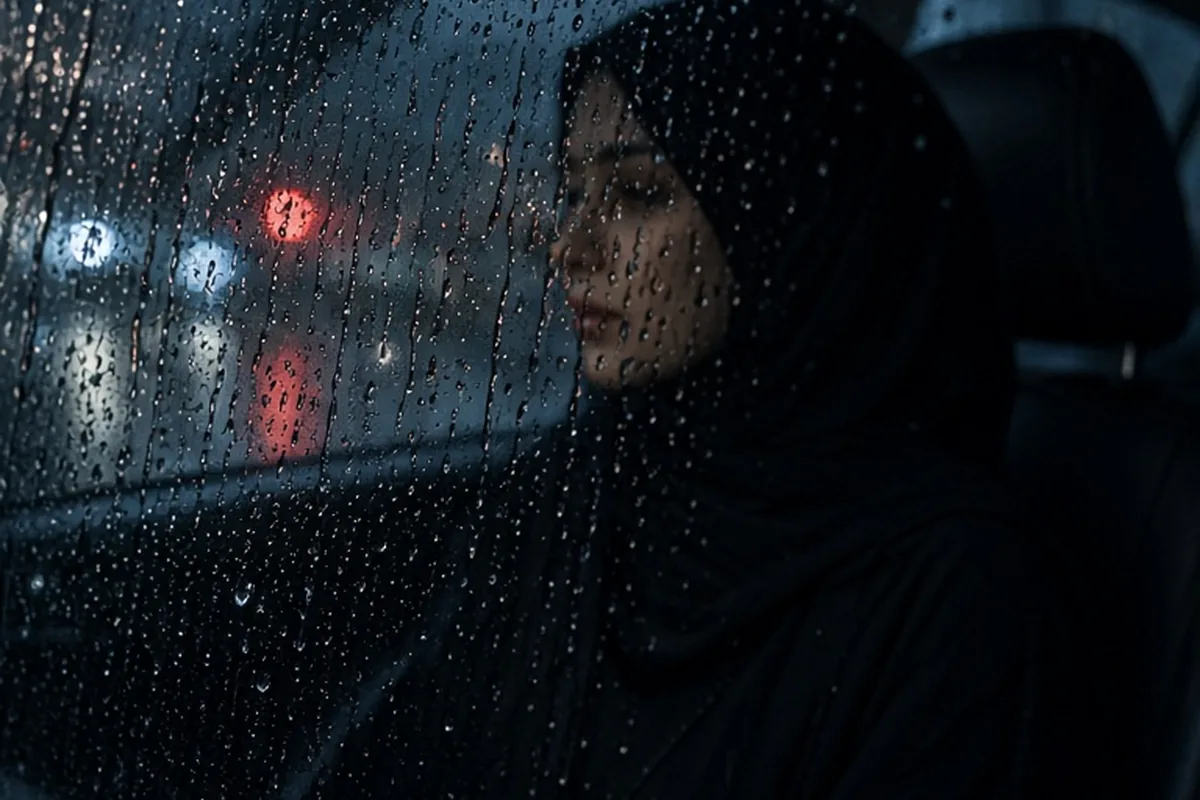
Women in Saudi Arabia wear a mix of traditional garments and contemporary modest clothing depending on the setting and their personal background. Saudi women frequently wear an abaya, often paired with a hijab, though neither is legally mandatory for foreign visitors or citizens today. For tourists and expatriates, the baseline rule requires modest public attire: loose-fitting clothing that covers the shoulders and knees, with head coverings required only inside active mosques.
Navigating clothing expectations in Saudi Arabia can feel confusing because the country has experienced significant social and legal reforms in recent years. Understanding the distinction between legal requirements, cultural traditions, and regional variations helps anyone visiting or living in the Kingdom dress comfortably, respectfully, and with complete confidence.
The Legal Standards and Public Decency Regulations
In 2019, Saudi Arabia officially enacted the Public Decency Regulations, which codified rules for conduct and dress across public spaces. Under these regulations, the strict legal enforcement of traditional full-body robes by religious authorities was formally retired. For foreign visitors and residents, the law does not require wearing a black abaya or a headscarf in general public areas. Instead, the legal baseline focuses on general modesty: clothing must cover the shoulders and knees, must not be skin-tight or transparent, and must not display offensive images, political slogans, or inappropriate language.
While the legal code provides clear baseline boundaries, enforcement in everyday settings relies largely on context. Public government offices, judicial buildings, and certain medical centers often uphold stricter dress codes and may deny entry to anyone wearing sleeveless tops or knee-length garments. In commercial areas such as modern shopping malls, trendy cafes, and public promenades, enforcement is gentle, but security personnel can issue warnings or formal fines if clothing visibly violates the public decency code. Dressing slightly more conservatively than the bare legal minimum remains a reliable way to avoid friction during everyday errands.
Traditional Saudi Attire: The Abaya, Hijab, and Niqab
For Saudi women, traditional garments remain a central part of national identity, cultural pride, and personal religious expression. The most common garment is the abaya, a long, flowing robe worn over everyday clothes. While plain black abayas were once the near-universal standard in public, contemporary Saudi fashion features abayas in deep greens, pastels, earth tones, and patterned fabrics. Many women wear them open in the front over modern trousers and blouses, treating the garment as an elegant, fluid outer layer rather than a restrictive uniform.
Head coverings are also diverse. The hijab, which covers the hair and neck while leaving the face open, is widely worn across all age groups. Some women, particularly in more conservative regions or families, choose to wear the niqab, a veil that covers the lower face while leaving the eyes visible. However, head coverings are matters of personal faith, regional custom, and family tradition rather than statutory mandates for visitors. Many expatriates choose to buy a lightweight, open-front abaya locally because it provides effortless coverage and excellent airflow in high desert temperatures.
What Foreign Visitors and Expatriates Should Pack
When packing for a trip to Saudi Arabia, prioritize lightweight, breathable fabrics that provide adequate coverage without trapping heat. Summer temperatures regularly exceed 100 degrees Fahrenheit (38 degrees Celsius), while indoor air conditioning can be intense. Natural textiles such as linen, modal, and lightweight cotton work significantly better than synthetic polyester. A versatile capsule wardrobe focuses on loose layers that keep you cool in outdoor sun while remaining comfortable in chilly indoor environments.
A practical wardrobe should include several key staple pieces that mix and match easily across different social settings. You do not need to overhaul your entire closet, but selecting items with appropriate hemlines, necklines, and sleeve lengths ensures hassle-free travel across the country.
- Loose-fitting ankle-length trousers, culottes, or wide-leg linen pants
- Midi or maxi skirts and dresses with high necklines and at least half-length sleeves
- Lightweight button-down shirts, long-sleeve tunics, and oversized linen blouses
- A neutral, compact pashmina or scarf kept in your day bag for cooler evenings or religious site visits
- One open-front lightweight abaya in a breathable fabric for instant cultural blending and easy layering
Regional Differences: Riyadh, Jeddah, AlUla, and Holy Cities
Attire expectations vary considerably depending on the specific city and regional culture. Riyadh, the political and financial capital in the central Najd region, tends toward more traditional and formal sensibilities. In Riyadh's business hubs, upscale dining venues, and malls, both local and international women typically dress smartly in tailored, structured, and modest clothing. While colorful clothing is common, deep neutrals and refined tailoring dominate the urban aesthetic.
In contrast, coastal Jeddah has historically been a cosmopolitan trading port, giving it a noticeably relaxed and artistic atmosphere. On the Jeddah Corniche or in seaside cafes, you will see a broader spectrum of styles, including bright colors, sporty leisurewear, and casual open robes. Meanwhile, heritage tourism destinations like AlUla cater heavily to international travelers, where stylish safari-style clothing and bohemian modest wear are common. In the holy cities of Makkah and Madinah, where only Muslims are permitted into sacred precincts, full traditional abayas and headscarves covering all hair are required.
Private Spaces, Luxury Resorts, and Swimming Norms
The dress code changes significantly once you move from public streets to private venues. Gated residential expatriate compounds, private international hotel swimming pools, and dedicated private beach clubs operate under private property rules. Inside these spaces, western resort attire is standard. Women routinely wear typical swimwear, athletic shorts, tank tops, and sun dresses without needing to cover their shoulders or legs.
Swimming in public waters, however, requires careful distinction. On public municipal beaches where local families gather, women typically wear full-coverage swimwear, such as a burkini or athletic rash guards with long swim tights. If you prefer to wear standard one-piece or two-piece swimsuits, plan your beach days at private beach clubs, island resorts along the Red Sea, or hotel private beaches where standard western swim attire is openly permitted and expected.
Footwear, Accessories, and Sun Protection
Footwear choices in Saudi Arabia should balance comfort, practical walking needs, and climate demands. High-end shopping centers and fine dining establishments feature marble flooring where polished flats, dressy mules, or clean fashion sneakers look right at home. In historic districts like Al-Balad in Jeddah or the archaeological trails of Diriyah and Hegra, paved surfaces give way to uneven cobblestones and fine desert sand, making sturdy, closed-toe walking shoes or cushioned sandals essential.
Accessories serve functional health purposes alongside style. Intense sunlight makes UV-blocking sunglasses and wide-brimmed sun hats practical necessities during daylight hours. Jewelry and handbags follow international fashion trends, with designer accessories widely enjoyed across all major cities. Carrying a lightweight wrap or cardigan in your everyday tote bag helps manage sudden temperature shifts when entering heavily air-conditioned museums, malls, and restaurants.
Navigating Social Interactions and Dressing with Confidence
Dressing appropriately in Saudi Arabia is widely interpreted by locals as a sign of goodwill and mutual respect. Saudi culture is renowned for warm hospitality, and locals are generally accommodating toward international visitors who make an earnest effort to dress modestly. If an item of clothing unintentionally falls short of a venue's specific expectation, staff members will typically inform you with polite discretion rather than hostility.
A practical mindset focuses on situational awareness rather than anxiety. When attending business meetings, cultural events, or family-oriented gatherings, choosing understated, well-tailored pieces that cover the shoulders, chest, and knees ensures that conversations focus on your presence and purpose. By understanding the environment before you step out, you can enjoy the country's rich history, cuisine, and scenery with complete ease.
Illustrative Scenarios
Corporate Trip to Riyadh
Sarah traveled to Riyadh for a four-day tech conference. Unsure whether she needed a traditional black abaya for client meetings, she initially worried she would look either disrespectful in western workwear or out of place trying to wear local garments incorrectly. Instead of guessing, she packed a selection of high-neck, long-sleeved silk blouses, tailored wide-leg trousers, and a crisp linen duster coat. During her meetings in the King Abdullah Financial District, she found that her sharp, modest business attire fit right in alongside both local professionals in modern designer abayas and international peers in classic suits.
Key point: Structured, professional clothing that covers the shoulders, chest, and knees easily satisfies corporate expectations without requiring specialized traditional robes.
Sightseeing in Jeddah and Al-Balad
Rachel planned an afternoon exploring the historic coral-stone buildings of Al-Balad in Jeddah, followed by dinner at an upscale waterfront restaurant. Her initial instinct was to wear activewear leggings and a running tee to handle the humidity, but she realized athletic wear might feel out of place in historic and dining venues. Instead, she chose a breathable cotton midi dress with elbow-length sleeves and packed a lightweight linen scarf in her tote bag. She stayed cool while walking the historic alleyways and felt completely appropriate transitioning straight to the restaurant without returning to her hotel to change.
Key point: Breathable, loose-fitting midi dresses made from natural fibers provide superior heat management and transition seamlessly between sightseeing and dining.
Frequently asked questions
Do foreign women have to cover their hair in Saudi Arabia?
No, foreign women are not legally or socially required to cover their hair in general public places, including streets, airports, hotels, and restaurants. The only exception is when entering active mosques or sacred Islamic heritage sites, where a headscarf covering all hair is required out of religious reverence.
Can women wear jeans or shorts in public?
Women can wear jeans provided they are not overly tight or distressed with large rips. Shorts that end above the knee are not acceptable for women or men in general public areas under the Public Decency Regulations, though athletic shorts are permitted in private gym facilities and hotel compounds.
Is an abaya required when arriving at the airport?
No, you do not need to wear or put on an abaya when landing at any commercial airport in Saudi Arabia. As long as your travel outfit consists of modest clothing that covers your shoulders, chest, and knees, you will clear immigration and customs without any issues.
Your next step
Before your trip, assemble a simple capsule wardrobe of loose-fitting natural fabrics with modest hemlines and necklines, ensuring you stay cool, comfortable, and prepared for any setting across Saudi Arabia.