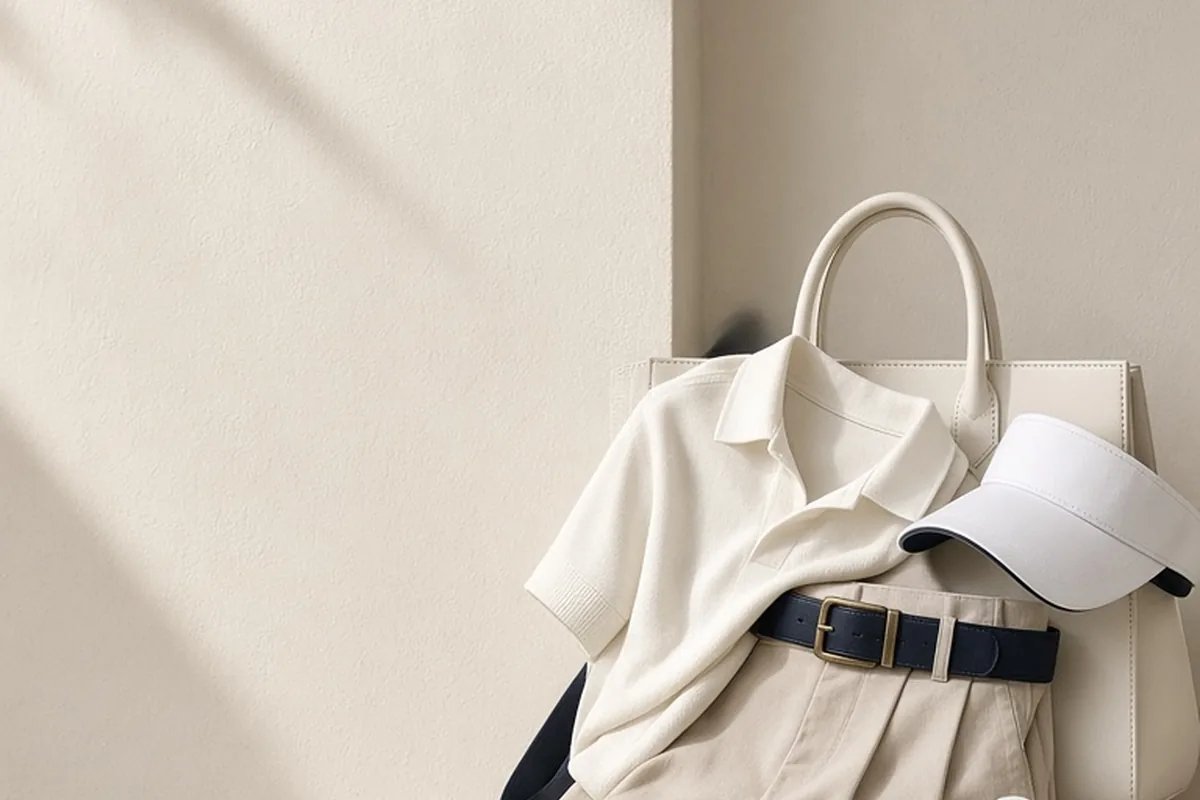
Women attending a golf tournament typically wear refined, sporty-casual outfits such as athletic golf dresses, collared sleeveless polos paired with skorts, or tailored ankle pants with breathable tops. Footwear is crucial: choose supportive, flat walking sneakers or spikeless golf shoes. Because tournaments require walking several miles across uneven grass and hills, outfits must balance sun protection, mobility, and country-club polish.
Attending a professional golf tournament or local championship brings a unique dress code challenge: you need to look elevated enough for private clubhouse lounges while staying comfortable enough to walk miles over hilly, sun-exposed terrain.
Understanding the Spectator Dress Code and Course Etiquette
Most professional golf tournaments, including PGA and LPGA events, do not enforce a strict, rigid uniform for general admission spectators, but the social standard leans heavily toward country-club casual or upscale athletic attire. While players must adhere to specific tour guidelines, spectators are expected to blend athletic practicality with neat, respectful styling. Showing up in overly casual loungewear, worn gym leggings, or graphic streetwear often feels out of place against the manicured backdrop of a tournament course.
A reliable rule of thumb is to choose classic athletic silhouettes made from structured, high-performance fabrics rather than unstructured gym wear. Look for pieces featuring crisp collars, clean hemlines, and tailored waistbands. This balance guarantees you meet the standards of member-only clubhouse areas or hospitality suites without feeling restricted as you track a group across eighteen holes.
Top Warm-Weather Outfit Combinations
Warm, sunny days require lightweight, moisture-wicking fabrics that maintain their shape after hours under the sun. One of the most popular and effortless choices is a sleeveless technical golf dress equipped with built-in compression shorts. A performance dress looks intentionally put together, eliminates the need to coordinate separate pieces, and offers interior pockets for small items like lip balm or a course map.
Another dependable combination is a pleated or A-line athletic skort paired with a sleeveless or short-sleeve polo shirt. Skorts provide the tailored look of a mini-skirt alongside the coverage and peace of mind needed when sitting on grass slopes or climbing spectator mounds. If you prefer separates with more coverage, lightweight linen-blend shorts with a tailored five-to-seven-inch inseam, worn with a tucked-in sleeveless button-down or high-neck knit tank, offer breezy sophistication.
When choosing colors, crisp whites, navy, soft pastels, classic stripes, and subtle florals fit naturally into golf course aesthetics. Avoid loud, neon novelty prints that can be visually distracting on the ropes.
Selecting the Right Footwear for Turf and Terrain
Footwear is the single most important decision you will make for a day on the course. A standard round of spectating easily accumulates four to six miles of walking on uneven ground, wet morning turf, steep hills, and loose pine needles. Traditional heels, wedges, flip-flops, and thin fashion sandals are impractical and can damage delicate putting greens and fairways.
The ideal footwear choice is a clean, low-profile leather sneaker, a supportive running shoe in neutral tones, or a lifestyle spikeless golf shoe. Brands designed for walking provide the arch support and traction needed to navigate dew-soaked hillsides without slipping. Pair your shoes with moisture-wicking no-show socks with a padded heel tab to prevent blisters during long hours on your feet.
Layering for Changing Weather and Morning Tee Times
Early morning tee times often start in crisp, chilly air with heavy dew, but temperatures typically climb significantly by mid-afternoon. Building an outfit around smart, lightweight layers ensures you remain comfortable from the opening drive to the final putt without having to carry bulky outerwear.
Start with a breathable base, such as a technical polo or sleeveless dress, and layer a lightweight quarter-zip pullover, a structured windbreaker, or a fine-gauge cotton sweater over top. Draping a classic knit sweater over your shoulders and tying the sleeves across your chest is both practical for quick temperature shifts and traditional to golf spectator style. For wet or windy forecasts, pack a thin, packable water-resistant shell that fits easily into a tournament-approved bag.
Tournament-Approved Bags, Sun Protection, and Accessories
Professional golf tournaments maintain strict security protocols regarding personal bags. Most major tours restrict bags larger than a standard small clutch or require completely clear plastic, vinyl, or PVC bags no larger than 12 by 6 by 12 inches. Before heading to the gate, review the event's official spectator policy to avoid being turned away at security.
Sun protection is essential for spending six or more hours outdoors. A wide-brim straw visor, structured performance baseball cap, or bucket hat shields your face without obstructing the view of spectators behind you. Pair your headwear with polarized sunglasses to cut glare across the fairways, and bring a travel-sized sunscreen stick for easy, mess-free reapplication throughout the day.
Dressing for Corporate Hospitality Suites Versus General Admission
Your planned spectator experience should influence your final styling choices. If your ticket grants access to a corporate hospitality tent, private pavilion, or clubhouse lounge, the environment will include air conditioning, hardwood or carpeted flooring, and seated dining. In these spaces, the dress standard leans slightly more polished smart-casual.
For hospitality settings, tailored cropped trousers, a structured midi dress, or high-waisted linen pants paired with a tailored blouse work exceptionally well. If you plan to divide your time between socializing in the air-conditioned pavilion and walking the ropes outside, pair tailored trousers with smart leather sneakers rather than open sandals. This ensures you can seamlessly step outside into the gallery whenever a major group approaches.
Common Spectator Wardrobe Mistakes to Avoid
The most common tournament wardrobe mistake is prioritizing runway aesthetics over physical terrain. Stiff denim jeans can become hot and restrictive, while tight mini-dresses without interior shorts make sitting on the turf uncomfortable and awkward. Additionally, avoid synthetic fabrics that rustle loudly when you walk, as silence is strictly enforced whenever a golfer stands over the ball.
Another frequent misstep is overlooking practical weather preparedness. Bringing only an umbrella without a wind-resistant jacket can leave you shivering during sudden squalls, while forgetting a hat or UV-blocking layer can result in severe sunburn before the leaders reach the back nine. Focus on functional elegance: comfortable footwear, breathable layers, and sun defense.
Illustrative Scenarios
Navigating a Full Day of Course Walking
Elena was invited to attend a Saturday championship round with colleagues. Wanting to look fashionable, she initially planned to wear an off-the-shoulder sundress and platform espadrille wedges. Realizing that the group planned to follow the final pairing for eighteen holes, she reconsidered the walking demands. She swapped the wedges and sundress for a navy technical polo dress with built-in undershorts, clean white leather walking sneakers, a matching visor, and a clear crossbody purse. Throughout six miles of following the leaders up steep hill paths, she moved easily without foot pain or wardrobe adjustments.
Key point: Choosing performance-driven silhouettes and supportive flat shoes ensures you enjoy the entire round in comfort without sacrificing clean, polished style.
Balancing VIP Hospitality with Outdoor Viewing
Jordan received tickets to a private hospitality chalet that included access to the clubhouse and grandstands. Her dilemma was dressing up enough for executive client networking while staying practical for outdoor spectator viewing in afternoon humidity. She chose high-waisted, cropped beige linen trousers, a sleeveless knit mock-neck top, an off-white sweater draped over her shoulders, and tailored spikeless golf shoes. The outfit looked refined in the corporate suite and allowed her to walk out to the 18th green grandstand without discomfort.
Key point: Tailored lightweight trousers and polished low-profile shoes bridge the gap between private club networking and outdoor tournament viewing.
Frequently asked questions
Can you wear jeans or denim shorts to a golf tournament?
While general admission spectator rules rarely ban denim outright, jeans and denim cutoffs are generally discouraged and feel out of place at golf tournaments. Lightweight chinos, tailored shorts, or performance fabrics are cooler, more flexible, and fit course etiquette far better.
Are open-toed sandals or flip-flops acceptable for spectators?
Flip-flops and open sandals are strongly discouraged because of dew-covered grass, uneven hills, gravel paths, and the risk of slipping. Structured sneakers or flat, closed-toe walking shoes offer the necessary support and safety for miles of walking.
What size purse or bag am I allowed to bring into the tournament?
Most professional tours enforce strict clear-bag policies that limit bags to clear plastic or vinyl totes no larger than 12 by 6 by 12 inches, or small non-clear clutch bags roughly 6 by 6 inches. Always check the specific tournament's website before arriving to avoid security delays.
Your next step
Review the tournament's specific bag policy and hourly weather forecast 24 hours prior, then build your outfit starting with supportive, low-profile walking sneakers and sun-protective layers.