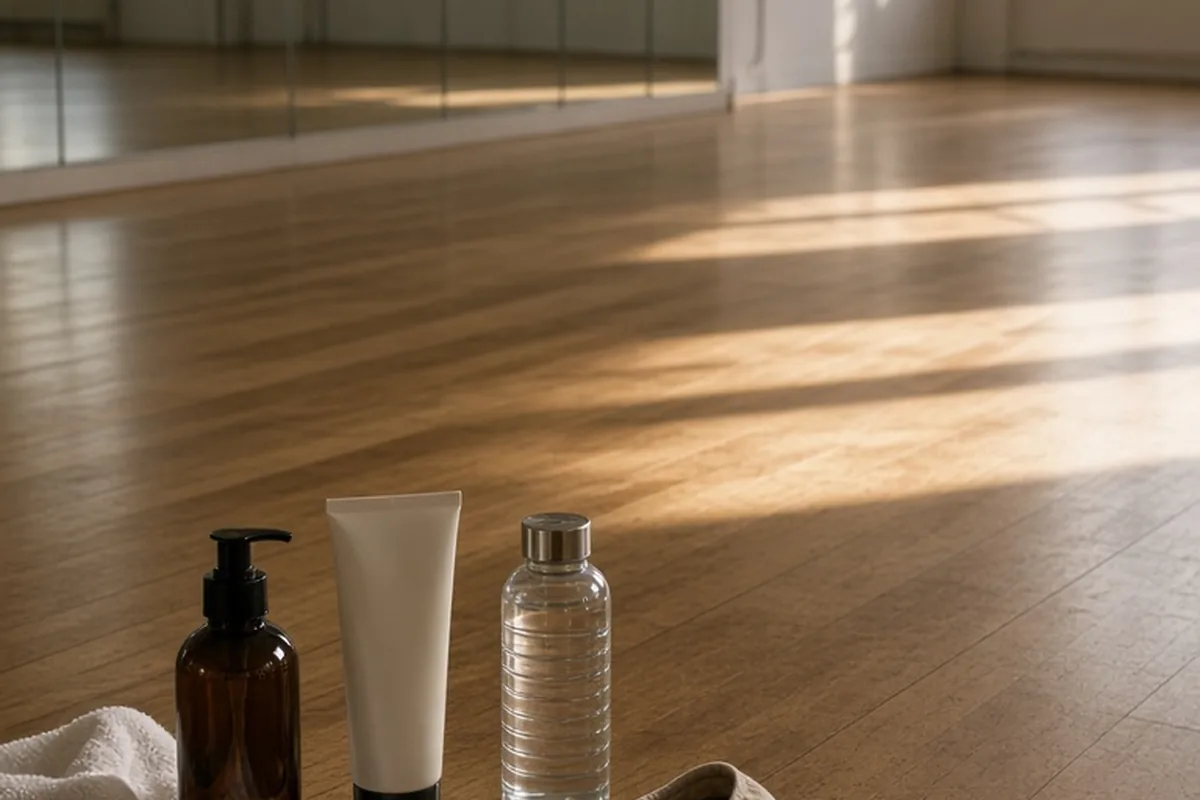
Moisturizing shampoo cleanses hair while depositing hydrating agents, plant oils, and conditioning polymers to soften dry strands and preserve natural scalp lipids. Unlike clarifying or volumizing formulas designed to remove surface oils completely, it uses milder detergents combined with emollients to reduce friction, curb frizz, and prevent hydration loss during the regular washing cycle.
Every time you wash your hair, water swells the outer cuticle layer while detergents bind to oils to rinse them away. For anyone dealing with rough texture, split ends, or chemical dryness, this standard cleansing process can easily leave the hair shaft vulnerable, brittle, and depleted of the lubrication it requires to bend without snapping.
How Cleansing and Hydrating Work Together in One Formula
Traditional cleansing relies on strong anionic surfactants to break down grease, dead skin cells, and environmental grime so they rinse down the drain. While this effectively purifies the scalp, aggressive detergents can strip away sebum and lipid molecules that coat the hair fiber. Moisturizing shampoos solve this by blending milder, low-foam detergents with conditioning agents. Instead of stripping the hair bare, the cleanser lifts surface dirt while preserving the foundational moisture barrier of both the scalp skin and the hair shaft.
As the mild surfactants carry away oil, positively charged conditioning agents attach themselves to the negatively charged, weathered areas along the hair cuticle. Damaged cuticles have microscopic gaps where moisture escapes and water-induced swelling occurs. The conditioning agents in a moisturizing shampoo smooth these raised edges, coating the strand in a sheer, flexible film. This dual action leaves the fiber pliable, significantly reducing friction between individual hairs and making post-wash detangling noticeably smoother.
Think of washing delicate knitwear versus scrubbing heavy denim: aggressive agitation and harsh soap make delicate fibers rough, fuzzy, and prone to tearing, whereas a gentle, protective cleanser preserves the original softness and shape of the yarn. A moisturizing shampoo acts like that gentle wash, shielding the fragile keratin structure of your hair from mechanical damage while water is running through it.
Key Ingredients That Deliver and Seal In Hydration
Moisturizing shampoos rely on humectants to attract and bind water molecules directly to the hair shaft. Ingredients such as glycerin, panthenol (provitamin B5), aloe vera leaf juice, and sodium PCA act like tiny sponges. When you wet your hair during lathering, these humectants draw moisture into the outer layers of the hair cuticle, helping dry and porous fibers regain their natural suppleness and elasticity.
Humectants alone are not enough, because water absorbed by the hair can quickly evaporate back into dry indoor air once your hair dries. To prevent this, moisturizing shampoos incorporate emollients and light occlusive agents like argan oil, jojoba oil, sunflower seed oil, and shea butter esters. These plant-derived lipids seal the cuticle, locking in the attracted water and providing the necessary slip that allows brushes and fingers to slide through wet hair without snagging.
A practical consideration when evaluating these ingredients is the weight of the formula. Heavy unrefined butters and dense mineral oils can weigh down fine textures, creating a greasy film rather than airy softness. In contrast, formulas that feature lightweight amino acids, hydrolyzed wheat or silk proteins, and lighter botanical seed oils deliver targeted moisture without collapsing natural volume.
Moisturizing Formulas Versus Clarifying and Volumizing Shampoos
Every category of shampoo is engineered to address a distinct cosmetic problem, and their surfactant balances reflect those priorities. Volumizing shampoos contain lightweight cleansing bases and minimal conditioning agents, deliberately leaving the hair shaft free of coating so that roots can lift away from the scalp. Clarifying shampoos use concentrated, deep-cleansing surfactants specifically designed to strip away stubborn product buildup, silicone residue, and mineral deposits from hard water.
When you use a clarifying shampoo too frequently on dry or porous hair, it quickly depletes the natural sebum that protects the cuticle, resulting in a straw-like texture, increased frizz, and split ends. Conversely, relying solely on a rich moisturizing shampoo can eventually lead to product buildup on low-porosity or fine strands. Over time, the conditioning polymers and oils settle on the scalp and lengths, causing the hair to look limp, dull, and heavy just hours after washing.
The most effective approach is often a thoughtful rotation rather than complete reliance on one bottle. Using a moisturizing shampoo as your primary daily or weekly cleanser preserves your hair's baseline softness, while introducing a clarifying wash once every three to four weeks clears away accumulated cosmetic films. This balance ensures your strands absorb fresh moisture without becoming suffocated under dense layers of conditioning agents.
Hair Types and Scalp Conditions That Benefit Most
Naturally textured, curly, and coily hair types benefit immensely from moisturizing cleansers. Natural scalp sebum travels down straight strands with relative ease, but the spirals, bends, and kinks of textured hair slow this natural oil distribution down significantly. As a result, curly textures almost always experience chronic mid-length and end dryness. A moisturizing shampoo cleanses these delicate patterns without robbing them of the lubrication they need to form defined, clumping curls.
Color-treated, bleached, and heat-styled hair also requires the targeted protection of a hydrating formula. Chemical processing lifts and alters the hair's outer cuticle, permanently stripping away a protective lipid layer known as 18-methyleicosanoic acid. Because chemically altered strands are highly porous, they absorb and lose water rapidly, leaving them prone to breakage. Moisturizing shampoos replenish that lost surface layer with conditioning polymers that shield compromised fibers from friction.
However, people with fine, straight hair or naturally oily scalps should use these products with caution. If your scalp produces abundant sebum within twenty-four hours of washing, or if you manage conditions like seborrheic dermatitis, the rich emollients in a moisturizing shampoo can overwhelm the scalp environment. In such cases, a balancing or gentle clarifying shampoo paired with a moisturizing conditioner applied strictly to the ends is usually a more suitable routine.
Recognizing the Limits and Signs of Over-Moisturizing
While hydration is essential, hair can absorb an excess of moisture and conditioning agents, a state often associated with hygral fatigue. When hair absorbs water constantly without adequate structural protein to maintain its shape, the fiber repeatedly swells and contracts. Over time, this constant shifting weakens the hair's internal keratin bonds, causing strands to feel unusually limp, gummy when wet, and unable to hold a style or bounce back when gently stretched.
Buildup is another common side effect of misusing moisturizing shampoos. If your roots look greasy immediately after drying, or if your hair feels coated with a sticky residue, the formula you are using is likely too rich for your density and porosity. When hair becomes oversaturated with conditioning lipids, it loses its natural movement, separating into stringy clumps that attract dust and environmental debris much faster than clean, balanced hair.
If you notice these signs, you do not need to abandon hydration permanently. You can reset your hair by using a clarifying shampoo once to lift the heavy residue, followed by a light, water-based leave-in conditioner instead of a heavy cream. Reintroducing your moisturizing shampoo only when your strands begin to feel dry or rough again prevents you from swinging from severe dryness to excessive buildup.
How to Wash with Moisturizing Shampoo for Best Results
Technique plays an essential role in getting the intended performance out of a moisturizing shampoo. Begin by thoroughly saturating your hair with warm water for at least sixty seconds before dispensing any product. Rushing to apply shampoo to partially wet hair prevents the formula from lathering properly and can cause you to use far more product than necessary, increasing the likelihood of unrinsed residue.
Apply the shampoo directly to your scalp where oil, sweat, and dead skin accumulate, using the pads of your fingers to gently massage the skin in circular motions. Avoid piling your lengths and ends onto the top of your head to scrub them, as this aggressive friction lifts the cuticle and creates tangles. The lather will naturally cleanse the mid-lengths and ends as you rinse the shampoo downward through your hair with lukewarm water.
Always follow your wash with a conditioner, because even the most hydrating shampoo is primarily designed to cleanse. Conditioners possess a lower pH that seals the cuticle firmly shut, locking in the water and emollients deposited during the wash. Focus your conditioner exclusively on the mid-lengths and ends, where hair is older and drier, keeping the product clear of your scalp to preserve root volume.
Frequently asked questions
Can moisturizing shampoo make your hair greasy?
Yes, it can cause greasiness if you have fine strands or a naturally oily scalp, because the added oils and conditioning polymers may weigh down your roots. If this happens, switch to a lighter hydrating formula and focus your application strictly on the scalp while rinsing thoroughly.
Is moisturizing shampoo safe for daily use?
Most moisturizing shampoos are formulated with gentle, low-stripping surfactants that make them safe for daily or frequent washing. However, if your hair is fine or you do not produce much oil, washing two to three times per week is generally enough to maintain scalp freshness without buildup.
What is the difference between hydrating and moisturizing shampoo?
Hydrating shampoos primarily use humectants like glycerin or aloe to infuse water into the hair shaft, whereas moisturizing formulas focus on oils and emollients to seal that moisture inside. In everyday retail products, these terms are often used interchangeably, and most quality formulas combine both functions.
Can moisturizing shampoo repair split ends?
No shampoo can permanently fuse or heal split ends once the hair fiber has separated. However, a moisturizing shampoo can smooth the frayed cuticle temporarily with light oils and polymers, preventing the split from traveling further up the hair shaft.
Your next step
Inspect your hair after your next wash: if your strands feel coarse, rough, or difficult to untangle, replace your current cleanser with a moisturizing formula featuring gentle glucosides and lightweight plant oils.