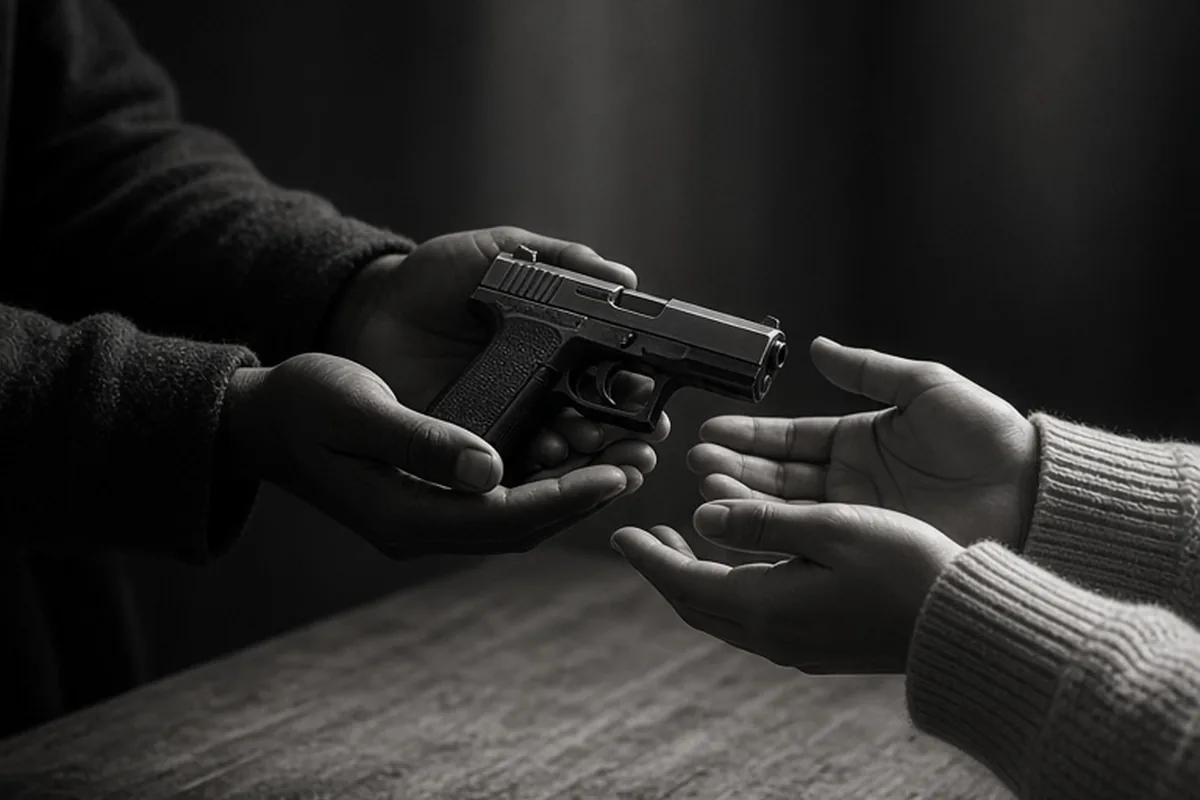
A good handgun for a woman to carry is one that fits her individual hand size, allows a firm grip, and lets her comfortably reach the trigger and manipulate the slide. Popular, reliable choices include compact and micro-compact nine-millimeter semi-automatics and small-frame double-action revolvers, chosen through hands-on testing rather than generic recommendations.
Selecting a defensive firearm requires balancing comfort, concealability, physical mechanics, and personal confidence rather than relying on one-size-fits-all advice.
Prioritizing Ergonomics and Hand Fit Over Marketing Labels
The most critical factor in choosing a defensive handgun is how naturally the grip aligns with your hand structure. Many retail recommendations default to tiny, lightweight firearms under the assumption that smaller hands always require the smallest possible frame. In practice, an excessively small grip reduces surface contact, which can make managing recoil much more difficult and cause the firearm to shift during rapid strings of fire. A handgun with interchangeable backstraps or a moderately contoured grip allows the web of the hand to sit high and firm against the frame, distributing recoil energy directly into the forearm rather than stressing the wrist.
When assessing hand fit, verify that your index finger reaches the center of the trigger shoe without forcing you to twist your wrist or compromise your master grip. If you must rotate your hand sideways to reach the trigger, you lose control and increase muzzle deviation when pressing the trigger rearward. Conversely, a grip that is too bulky prevents your support hand from establishing solid friction against the frame. Take the time to hold several distinct frame profiles in a neutral stance to observe which grip geometry naturally aligns the sights with your direct line of vision.
The trade-off with larger, more ergonomic frames is their physical footprint. While a slightly larger grip provides superior recoil management and faster target reacquisition, it demands more deliberate planning regarding holster placement and clothing choices. Finding the middle ground means selecting the largest frame you can consistently conceal without creating awkward printing or physical discomfort throughout your typical day.
Evaluating Caliber and Recoil Management
Caliber selection directly influences your ability to deliver accurate, repeatable shots under stress. Modern defensive ammunition engineering makes nine-millimeter Luger the standard baseline for most concealed carriers, offering an optimal balance between terminal capability, magazine capacity, and manageable recoil. Smaller cartridges, such as thirty-eight zero Auto, produce lighter recoil impulse in identical frame sizes, making them a practical alternative for individuals with limited hand strength or joint sensitivity. However, placing a small cartridge into an ultra-lightweight micro-pistol often results in a snappy, sharp recoil impulse that surprises many new shooters.
To manage recoil effectively, consider the relationship between firearm mass and slide velocity. A heavier steel or aluminum frame absorbs more kinetic energy upon firing than an ultra-light polymer pocket pistol, creating a softer shooting experience during training sessions. While lighter firearms are easier to support on a belt, they demand significantly more grip strength to keep the muzzle level. If training with your chosen firearm feels painful or punishing, you are far less likely to practice fundamental skills regularly.
A practical compromise involves selecting standard-pressure defensive ammunition paired with a compact or subcompact frame rather than an ultra-light micro model. This combination maintains sufficient mass to dampen muzzle flip while keeping the overall setup light enough for comfortable all-day carry. Always verify that any defensive load runs reliably through your specific magazines and firearm without mechanical malfunctions.
Comparing Striker-Fired Pistols and Compact Revolvers
Understanding the mechanical differences between modern striker-fired semi-automatics and double-action revolvers helps clarify which operating system aligns with your personal habits. Modern striker-fired pistols offer consistent trigger pull weights from the first shot to the last, higher magazine capacities, and flat profiles that sit close against the body. They also feature lower bore axes, which helps keep the barrel aligned with your arm to minimize muzzle climb during firing sequences. The primary consideration with semi-automatics is the manual dexterity required to rack the slide, clear potential stoppages, and manipulate administrative controls like slide stops and magazine releases.
Compact double-action revolvers eliminate the need to rack a slide or manage magazine springs, presenting a simple manual interface that operates reliably even from tight quarters or non-traditional firing positions. The deliberate, heavier trigger press of a double-action revolver acts as a mechanical safeguard against accidental discharge, which some carriers prefer for peace of mind. However, revolvers have significantly limited round capacities, require longer reload times, and possess heavier trigger pulls that can fatigue smaller hands or pull the front sight off target during rapid fire.
Choosing between these systems depends on your lifestyle, physical dexterity, and willingness to practice. If slide manipulation presents a physical barrier, look for semi-automatics specifically engineered with lighter recoil springs and textured gripping surfaces, or opt for a smooth-action revolver with a comfortable rubberized grip that cushions the palm.
Integrating Holster Selection with Diverse Wardrobes
Concealed carry requires a reliable holster system that completely encloses the trigger guard in a rigid material such as molded polymer or reinforced leather. Soft fabric sleeves, loose pockets, and unlined purse compartments fail to protect the trigger and make safe, consistent draws nearly impossible under stress. Women often navigate a wider variety of clothing cuts, waistline heights, and fabric weights than men, meaning a single rigid belt holster may not function across every seasonal outfit.
Inside-the-waistband holsters anchored to a sturdy, dedicated carry belt remain the most secure and accessible standard for daily carry. When standard waistbands lack belt loops or structural support, modern modular systems—such as chassis-based belly bands, rigid undergarment panels, or specialized clip mounts—can provide safe trigger coverage while securing the firearm firmly against the torso. Off-body carry in a dedicated concealed-carry bag should generally serve as a secondary option, as bags can be separated from your immediate possession during daily activities.
Every holster option involves practical trade-offs among access speed, concealment profile, and day-long comfort. An effective setup must allow you to sit, bend, and move naturally without shifting the firearm out of reach or exposing the grip through outer garments. Practice drawing an unloaded firearm from your preferred carry position while wearing normal everyday clothing to identify any fabric snags or awkward motion patterns.
The Necessity of Live-Fire Range Testing
Static handling at a retail counter only reveals a fraction of how a firearm will perform in real-world use. Gripping an unloaded gun in a quiet showroom cannot simulate the mechanical vibration, muzzle flash, slide recoil, or trigger reset that occur during live fire. Visiting a range that rents a variety of compact, subcompact, and mid-sized handguns enables you to compare different frame materials and grip contours back-to-back under realistic firing conditions.
During live-fire testing, pay close attention to your natural sight alignment and overall hand fatigue after firing fifty rounds. Observe whether the slide bites the top of your hand during cycling, whether your support thumb stays clear of moving parts, and how easily you can depress the magazine release without shifting your primary grip entirely. If a particular model requires extreme physical effort to operate basic controls or creates sore pressure points along your palm, it is not an ideal match for your ergonomics.
Take notes on how comfortably you managed rapid pairs of shots with each model. A firearm that produces tight, predictable groupings with minimal hand readjustment will build confidence far faster than a platform chosen purely for its compact exterior dimensions or visual styling.
Establishing Safe Handling, Training, and Maintenance Habits
Purchasing the right handgun is simply the first step in a responsible personal protection plan; consistent handling discipline determines your overall safety and effectiveness. Developing safe habits starts with mastering the universal rules of firearm safety: treating every firearm as loaded, keeping the muzzle pointed in a safe direction, keeping your finger off the trigger until your sights are on target, and being aware of your target and what lies beyond it. Integrating dry-fire practice at home using an unloaded firearm and visual safety checks builds essential muscle memory without ammunition costs.
Regular maintenance ensures your carry firearm functions reliably when called upon. Modern defensive handguns accumulate lint, sweat, and carbon deposits from daily carry and range practice. Learning how to safely field-strip, clean, and lubricate your specific model demystifies its internal mechanics and gives you immediate feedback on component wear, spring tension, and magazine cleanliness.
Seek out formal instruction from qualified, professional defensive shooting educators who emphasize practical weapon manipulation, situational awareness, and local legal standards. Ongoing professional training sharpens decision-making skills and ensures you handle your firearm with calm, routine competence rather than hesitation.
Illustrative Scenarios
Overcoming Recoil Fatigue with Proper Frame Sizing
Elena initially bought an ultra-light pocket-sized thirty-eight zero pistol after a store clerk suggested it would easily fit inside her coat pocket. At the range, however, the sharp recoil stung her palm, and she struggled to rack the stiff slide cleanly. Discouraged, she avoided practicing and rarely carried the firearm. After speaking with an instructor, Elena tried a slightly larger, compact nine-millimeter pistol with interchangeable grip panels and an easier slide mechanism. The increased frame weight absorbed recoil smoothly, allowing her to shoot comfortably and rack the slide with confidence.
Key point: Selecting a firearm based on ergonomics and recoil control rather than ultra-compact size builds competence and long-term training consistency.
Adapting Holster Systems to Professional Attire
Taylor wanted to carry daily but found that standard rigid belt holsters printed noticeably through her professional business attire. Initially, she considered leaving the firearm in an unlined compartment of her work tote, but realized she frequently left the bag on her office chair when stepping into meetings. Taylor consulted a defensive carry specialist and tested an enclosed kydex holster mounted to an adjustable, low-profile belly band worn under structured blazers. This setup kept the firearm secure, completely covered the trigger guard, and remained hidden without altering her work wardrobe.
Key point: Finding dedicated, body-worn retention systems ensures safety and consistent access without compromising professional dress standards.
Frequently asked questions
Is a revolver better than a semi-automatic for women?
Neither design is universally superior, as the right choice depends on individual hand strength and handling preferences. Revolvers offer simple mechanical operation without slide manipulation, while semi-automatics provide higher magazine capacities and lighter, more consistent trigger presses.
What caliber is most practical for concealed carry?
Nine-millimeter Luger is widely considered the most practical standard due to its balance of defensive effectiveness, manageable recoil, and ammunition availability. For individuals with hand strength limitations, modern thirty-eight zero Auto ammunition provides a softer-shooting alternative in appropriately sized frames.
How can I safely carry a handgun without belt loops?
You can safely carry without belt loops by using specialized belly bands, rigid modular undergarments, or fabric-gripping holster clips designed specifically for unbelted waistbands. Ensure that any system you choose utilizes a rigid shell that completely protects the trigger guard from accidental contact.
Your next step
Schedule a session at a local shooting range that offers firearm rentals so you can test multiple frame sizes, grip profiles, and slide mechanisms before making your final selection.