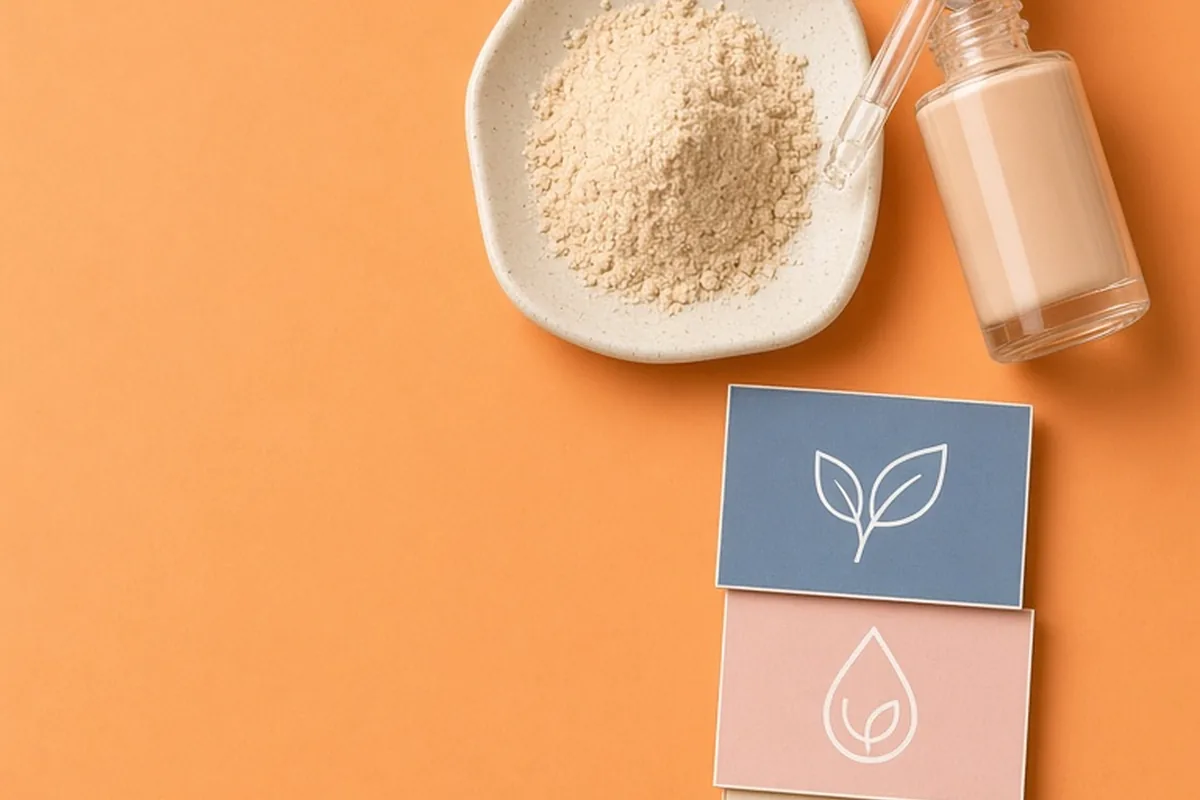
The best foundation for sensitive skin is typically a fragrance-free, hypoallergenic liquid or loose mineral powder with a short, gentle ingredient list. Look for soothing, non-comedogenic components like zinc oxide, squalane, or glycerin, while avoiding drying alcohols, synthetic dyes, and heavy fragrances. Mineral bases suit easily congested, reactive skin, whereas lightweight serum foundations work best for dry, redness-prone skin.
Navigating cosmetic aisles with sensitive skin often feels like managing a delicate balancing act between achieving an even complexion and avoiding uncomfortable flare-ups. A base product that provides radiant coverage for one person might trigger stinging, flaking, or contact dermatitis for someone with a compromised skin barrier. Choosing the right foundation requires looking beyond front-label claims like 'gentle' and learning how specific textures, preservative systems, and pigments interact with reactive skin.
Identifying Calming Formulations and Minimalist Ingredient Lists
When evaluating foundations for reactive skin, the length and simplicity of the ingredient roster serve as practical starting points. Formulations built with fewer ingredients inherently reduce the statistical probability of encountering an individual trigger. Highly tolerated foundations often rely on inert mineral pigments suspended in skin-compatible bases that prioritize barrier support rather than high-potency active ingredients or complex botanical cocktails.
Physical mineral ingredients such as zinc oxide and titanium dioxide are widely considered gold-standard components in sensitive skin makeup. Zinc oxide provides natural coverage while offering well-documented soothing properties that help calm visible redness on the skin surface. However, a minimalist formula is not a complete guarantee of compatibility; even simple bases require effective preservation to prevent bacterial contamination once opened, meaning buyers must balance purity with safe shelf-life stability.
Mineral Powder Versus Hydrating Liquid and Serum Foundations
Loose mineral powder foundations remain a staple recommendation for hypersensitive, allergy-prone, or post-procedure complexions. Because dry powders lack water, they generally require fewer synthetic preservatives, emulsifiers, and stabilizing chemicals than liquid formulas. Inert minerals rest on top of the skin rather than settling deeply into pores, reducing the likelihood of micro-irritation throughout the day. The primary drawback of loose powder is its tendency to emphasize dry patches, texture, or flaking if the skin underneath is not adequately prepped.
Conversely, hydrating liquid foundations and modern foundation serums provide a supple, flexible finish that benefits dry, mature, or eczema-prone complexions. These formulas blend nourishing humectants like glycerin and hyaluronic acid with lightweight emollients like squalane or jojoba oil, preventing the makeup from tightening or cracking over sensitized areas. The trade-off lies in the complexity of liquid bases: they must incorporate stabilizers, preservatives, and suspending agents to keep pigments evenly dispersed, requiring users to inspect liquid ingredient panels more closely.
Common Irritants and Hidden Additives to Avoid
Fragrance represents one of the most frequent causes of cosmetic-related contact dermatitis. Even natural aromatic compounds such as lavender oil, citrus peel extracts, and eucalyptus can induce cellular inflammation and sensitize the skin barrier over time. Products labeled 'unscented' may still contain masking fragrances designed to neutralize chemical odors, whereas formulas labeled 'fragrance-free' explicitly omit both synthetic perfumes and aromatic plant oils.
Beyond fragrance, several other formulation staples can provoke irritation, stinging, or pore congestion in sensitive skin profiles. Identifying these additives on packaging allows you to filter out problematic products quickly before purchasing.
- Synthetic fragrances, essential oils, and aromatic botanical extracts that cause allergic sensitization
- High concentrations of denatured alcohol, ethanol, or SD alcohol that strip the epidermal lipid barrier
- Chemical sunscreen filters like oxybenzone or avobenzone, which can cause burning or ocular stinging in reactive individuals
- Bismuth oxychloride, a mineral byproduct that gives makeup a luminous sheen but often triggers itching and cystic bumps in sensitive pores
- Heavy synthetic dyes and coal-tar colorants frequently found in deeply pigmented or artificially brightened formulas
Matching Foundation Textures to Specific Reactive Skin Subtypes
Sensitive skin is not a one-size-fits-all category; an individual dealing with rosacea has distinct cosmetic needs compared to someone managing acne-prone sensitivity or atopic dermatitis. Rosacea-prone complexions generally benefit from medium-coverage liquid foundations with yellow or neutral undertones that naturally counteract vascular redness without requiring thick, heavy layers. A satin or natural dewy finish is typically preferable to an ultra-matte texture, as matte formulas can dry out and emphasize vascular flushing.
For acne-prone and reactive skin that easily clogs, lightweight oil-free liquids or pure mineral powders featuring non-comedogenic silica are ideal choices. These textures absorb excess sebum without forming an occlusive barrier that traps bacteria inside hair follicles. For dry, eczema-prone skin, look for cream-compact or rich serum foundations infused with ceramides, which actively replenish surface lipids while providing continuous comfort and medium coverage throughout the workday.
Essential Skin Preparation to Support the Moisture Barrier
Foundation application on sensitive skin is only as successful as the skincare routine performed underneath it. Applying makeup directly onto a dehydrated or compromised barrier often causes the pigment to absorb unevenly, cling to dry flakes, and trigger localized burning. Beginning with a gentle, non-foaming cleanser and applying a barrier-repairing moisturizer rich in ceramides or panthenol establishes a protective cushion between your natural skin cells and cosmetic pigments.
Allow your skincare products to settle completely for five to ten minutes before introducing makeup. This waiting period prevents pilling, reduces the risk of chemical cross-reactions between skincare actives and foundation pigments, and ensures an even surface. If using a primer, choose a simple silicone-based or water-glycerin barrier primer without pore-blurring acids or heavy botanical fragrances to minimize friction during application.
Application Tools and Techniques That Minimize Friction
Mechanical friction is an underappreciated trigger for facial irritation, redness, and flare-ups. Aggressively buffing foundation into the skin with coarse makeup brushes can cause micro-abrasions and exacerbate surface capillaries. To minimize physical stress on reactive skin, opt for soft, damp cosmetic sponges or high-density synthetic fiber brushes that glide effortlessly without tugging the skin tissue.
Technique matters just as much as tool selection. Instead of sweeping or rubbing makeup across the face, use gentle pressing, tapping, and stippling motions to deposit pigment. This pressing technique places foundation directly on top of the skin without disrupting delicate flakes or driving product into sensitized pores. Additionally, wash sponges and brushes at least once a week with a gentle, fragrance-free cleanser to prevent bacterial buildup that could spark secondary breakouts.
Practical Patch Testing Protocols for New Cosmetic Products
Introducing a new foundation requires patience, especially when your skin has a history of unpredictable reactivity. Rather than applying a new formula across your entire face immediately, conduct a standardized patch test to evaluate both short-term allergy responses and delayed follicular reactions. The jawline and the side of the neck just beneath the ear are optimal test zones because the skin in these areas closely mimics facial sensitivity while remaining relatively discreet.
Apply a dime-sized amount of foundation to your chosen test area and monitor the site over 24 to 48 hours for immediate signs of redness, itching, swelling, or heat. To check for comedogenic potential or delayed pore congestion, continue applying the product to a small section of your lower cheek for four to five consecutive days. If no adverse reaction occurs, you can confidently integrate the foundation into your regular daily cosmetic routine.
Frequently asked questions
How can I tell if my foundation is causing a breakout or an allergic reaction?
Allergic reactions typically manifest rapidly as itching, generalized redness, small surface hives, or burning sensations shortly after application. Breakouts from comedogenic ingredients develop more slowly over several days as clogged pores, whiteheads, or inflammatory papules.
Are clean and organic foundations always safer for sensitive skin?
Not necessarily, because organic foundations frequently rely on essential oils, unrefined plant butters, and floral extracts that are potent allergens for reactive complexions. Synthetic, lab-purified ingredients like medical-grade silicones and synthetic squalane are often more chemically inert and less irritating than complex natural botanicals.
Can I wear full-coverage foundation if I have rosacea or visible redness?
Yes, but it is often gentler on the skin to layer a lightweight, pigment-rich liquid foundation or mineral powder only where needed rather than applying a heavy, full-coverage mask over the entire face. Look for foundations with green-neutralizing undertones to reduce redness without requiring excessive product thickness.
What is the safest way to remove foundation from sensitive skin at night?
Use a gentle double-cleanse method starting with a fragrance-free cleansing oil, balm, or micellar water to break down pigments without harsh rubbing. Follow with a hydrating, non-foaming cream cleanser and lukewarm water to leave the skin barrier clean and calm.
Your next step
Check the ingredient labels of your current base makeup for added fragrances, drying alcohols, and bismuth oxychloride, then acquire sample sizes of two fragrance-free liquid or mineral formulas to perform a 48-hour jawline patch test before switching completely.