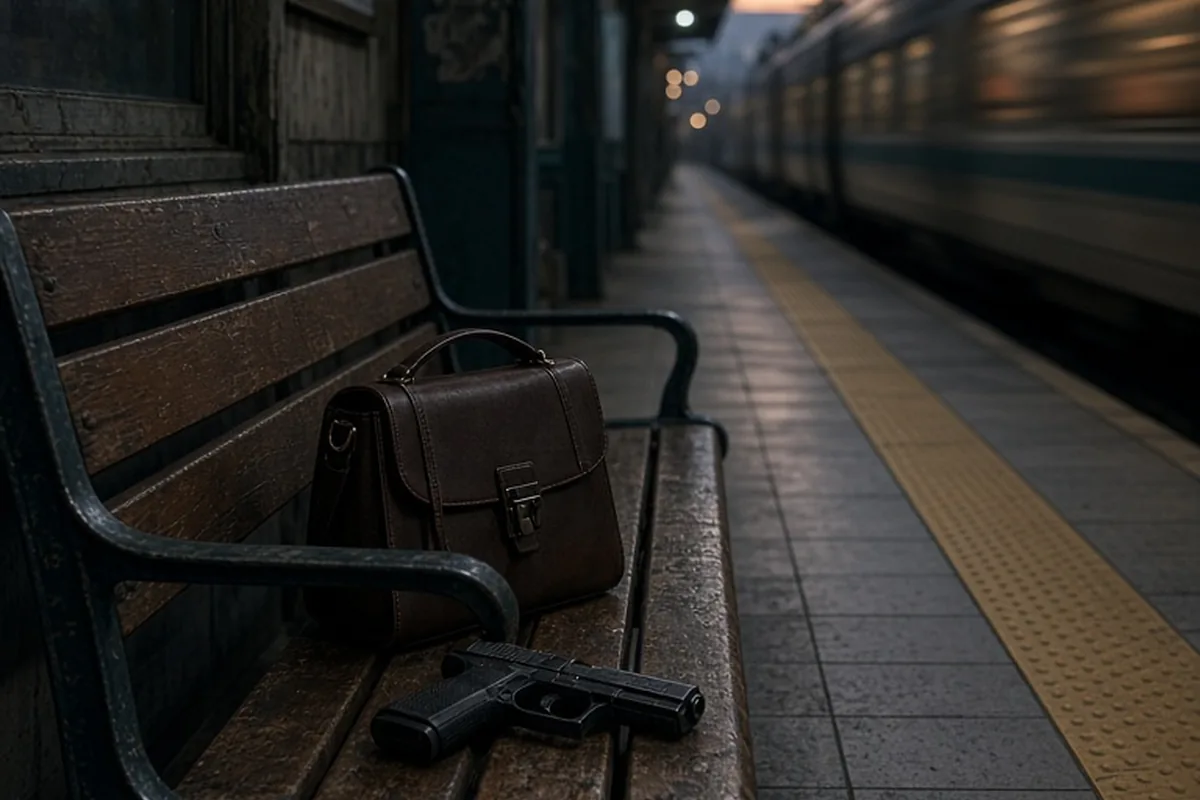
The best pistol for any woman is one that matches her hand size, allows a secure high grip, provides manageable slide manipulation, and controls recoil comfortably during sustained practice. Rather than a single universal model, most shooters achieve the best balance of reliability and control with ergonomic compact or micro-compact semi-automatics chambered in 9mm or .380 ACP from reputable manufacturers.
Choosing a firearm is an individualized process where hand anatomy, physical leverage, carry habits, and personal comfort intersect. Retail counters often steer women toward diminutive, ultra-lightweight options that look easy to conceal, but those same characteristics frequently translate to sharp recoil and difficult handling. Focusing on mechanical fit, operational ease, and consistent training results in a safer, far more dependable defensive tool.
Hand Anatomy and Grip Geometry
Hand size, palm width, and finger length vary widely across individuals, making grip circumference the primary factor in finding an effective handgun. When gripping a pistol, the web between the thumb and index finger should sit high against the frame without forcing the hand to rotate sideways to reach the trigger. If a grip is too thick, the shooter loses mechanical leverage, which compromises recoil management and shot recovery. Conversely, if a grip is excessively narrow or short, the pinky finger hangs off the bottom, reducing control during rapid fire.
Modern polymer-frame pistols often feature interchangeable backstraps or modular grip modules that allow custom sizing. For example, a shooter with smaller hands might swap a standard medium backstrap for a slim profile, instantly bringing the index finger into a natural, flat-faced trigger position without shifting the wrist angle. When evaluating a pistol, ensure you can access the magazine release, slide stop, and safety without breaking your primary firing grip entirely. A proper ergonomic match feels secure instantly and prevents unnecessary fatigue during extended range sessions.
A common trade-off involves grip texture. Aggressive stippling locks the pistol firmly into the palm and prevents slipping under sweat or rain, but it can cause skin abrasion during all-day inside-the-waistband carry. Selecting a grip with balanced micro-texturing or using removable grip wraps allows shooters to tailor texture to both shooting stability and everyday skin comfort.
Caliber Selection: Balancing Recoil and Efficacy
Caliber choice directly impacts shot-to-shot recovery, defensive capability, and training frequency. The standard 9mm Luger remains the benchmark across defensive shooting due to its optimal balance of terminal ballistics, magazine capacity, and widespread availability. Modern premium defensive ammunition provides consistent expansion and penetration from 9mm barrels, making it the most versatile baseline for both home defense and personal carry.
For shooters with reduced hand strength or joint sensitivity, .380 ACP offers a softer-shooting alternative in similar frame sizes. A locked-breech .380 pistol produces significantly less muzzle rise than a 9mm of identical dimensions, allowing faster follow-up shots and greater shooting endurance. However, pocket-sized, direct-blowback .380 handguns often produce unexpectedly harsh, snappy recoil because the slide mechanism relies purely on spring tension and slide weight rather than mechanical locking to absorb energy.
When deciding between calibers, consider long-term practice habits. A pistol that feels intimidating or painful to shoot will rarely be taken to the range, which undermines skill retention. Choosing a caliber that allows 100 rounds of comfortable practice in a single session builds far more defensive capability than carrying a higher-energy caliber that causes flinching or poor trigger control.
Slide Manipulation and Mechanical Ease
One of the most frequent mechanical hurdles for new or smaller-framed shooters is cycling the slide to load, unload, or clear malfunctions. Slide resistance is determined by the recoil spring weight, hammer spring resistance, and the amount of gripping surface available on the slide serrations. Small micro-compact pistols require heavy recoil springs to manage chamber pressures in a short stroke, making their slides noticeably stiffer to rack manually.
Manufacturers now design dedicated easy-to-rack handguns featuring lighter recoil spring assemblies, deep cocking serrations, and pronounced rear slide wings that offer tactile leverage. Technique also plays a decisive role. Instead of using only finger strength to pull the slide backward, using a push-pull method—pushing the frame forward with the strong hand while holding the slide stationary close to the torso with the support hand—engages larger shoulder and back muscles rather than relying on weak grip pinch.
While easy-rack designs provide immediate mechanical accessibility, shooters should verify that the reduced spring weight does not compromise feeding reliability across diverse defensive ammunition. Testing several boxes of chosen carry ammo ensures the lighter spring system cycles reliably without inducing feed stoppages.
Concealment Dimensions Versus Shooting Stability
The physical dimensions of a handgun dictate how easily it can be concealed under varying wardrobes, but size inversely affects shootability. Full-size pistols provide long sight radiuses, generous grip surfaces, and heavier frames that naturally soak up recoil, making them easy and pleasant to shoot accurately. However, their physical mass and length make everyday concealed carry challenging under fitted clothing or professional attire.
Micro-compact and subcompact models solve concealment challenges by trimming frame height and barrel length, disappearing easily beneath lightweight shirts or within specialized holsters. The trade-off is a sharper recoil impulse, shorter sight radius, and reduced ammunition capacity. For many women, a compact crossover pistol—offering a slightly longer grip for full hand contact paired with a short 3.1 to 3.6-inch barrel—provides the ideal middle ground between concealability and controllable shooting dynamics.
Consider daily routines and clothing requirements when weighing these dimensions. A handgun that is slightly larger but easy to shoot well remains preferable if wardrobe adjustments like structured layers, high-waisted pants, or dedicated belt setups make it comfortable to carry securely throughout the day.
Trigger Actions and Safety Systems
Handguns feature various ignition systems, primarily striker-fired, traditional double-action/single-action (DA/SA), and double-action-only (DAO) revolvers. Striker-fired systems provide a consistent, uniform trigger pull for every single shot, typically weighing between 4.5 and 6 pounds. This consistency simplifies the learning curve and eliminates the transition between differing trigger weights during rapid engagement.
In contrast, DA/SA pistols offer a long, deliberate first trigger press that acts as an inherent mechanical safety against accidental discharge under stress, followed by short, light single-action presses for subsequent rounds. Double-action revolvers have very heavy trigger pulls (often 9 to 12 pounds) across a long travel arc, which can be exhausting for smaller hands and leads to sight deflection if finger strength is insufficient.
External safety features are a matter of personal preference and training. Manual thumb safeties offer peace of mind for some carriers, but they require deliberate, automatic disengagement during the draw stroke under stress. Passive safeties, including integrated trigger blades, grip safeties, and internal firing pin blocks, keep modern drop-safe pistols secure without requiring additional manual levers during presentation.
Holster Systems and Practical Daily Carry
A pistol is only as practical as the carry system supporting it. Safe concealed carry requires a rigid holster—typically molded from Kydex or reinforced leather—that completely encloses the trigger guard, prevents unintended trigger contact, and retains the firearm during vigorous movement. Soft, unreinforced fabric sleeves or purse pockets without dedicated holsters present severe safety risks and should never be used.
Women's fashion presents unique carry considerations due to varied waistlines, fitted cuts, and the frequent absence of sturdy belt loops. Modern holster solutions address this through versatile platforms, including rigid chassis-based belly bands, modular undergarment panels, and specialized beltless clip systems that attach directly to reinforced fabric. On-body carry remains superior to off-body purse carry, ensuring immediate access and eliminating the risk of leaving the firearm unattended.
Selecting an adaptable holster setup allows regular wear across different seasons and outfits. Testing holster placement at home with an unloaded firearm helps identify hot spots, printing through clothing, and movement restrictions before committing to daily public carry.
Testing and Evaluation Protocol at the Range
Never purchase a handgun based solely on retail handling or online recommendations. Holding an unloaded firearm at a counter cannot reveal how the grip angle feels under recoil, whether the trigger slap induces discomfort, or if the sights track predictably back onto target during live fire. Visiting a range that rents a wide selection of handguns is the most cost-effective way to evaluate multiple candidates side-by-side.
During live-fire testing, assess specific operational criteria systematically. Shoot at least five to ten rounds per model focused on one-handed control, two-handed rapid strings, and slide lock reloads. Pay close attention to whether the slide bites the top of your hand, whether you can drop the magazine without shifting your entire grip, and how quickly your front sight settles back into alignment after each discharge.
Keep written notes on each model tested, rating perceived recoil, trigger smoothness, ease of slide manipulation, and overall confidence. The firearm that consistently yields tight shot groups and feels comfortable across fifty rounds is your best personal match, regardless of brand popularity.
Illustrative Scenarios
Choosing Ergonomic Shootability Over Novelty Sizing
Rachel visited a local gun shop looking for her first concealed carry handgun. The clerk immediately handed her an ultra-lightweight, snub-nosed .38 Special revolver with pink grips, claiming it was simple and ideal for women. Trusting the suggestion, Rachel purchased it without testing it at a range. During her first training session, the violent recoil and stiff 12-pound trigger caused painful wrist fatigue and erratic shot placement. Frustrated, she consulted an instructor, who had her test a compact 9mm semi-automatic with interchangeable backstraps and a micro-compact .380 ACP. The semi-automatic's ergonomic grip, moderate weight, and smooth 5-pound trigger allowed Rachel to shoot accurately without pain.
Key point: Selecting a firearm based on physical fit and recoil dampening creates far better shooting confidence than defaulting to ultra-light novelty handguns.
Overcoming Slide Manipulation Obstacles
Claire wanted a defensive handgun for home protection but struggled to rack the slide on standard full-size duty pistols due to mild hand arthritis. She initially assumed she was restricted to heavy double-action revolvers that she found difficult to aim steadily. During a rental evaluation class, an instructor introduced her to modern easy-to-rack polymer pistols equipped with reduced spring tension, rear slide tabs, and proper push-pull torso leverage techniques. Claire was able to cycle the slide, clear dummy rounds, and manage loading independently with minimal effort.
Key point: Mechanical accessibility issues can be solved through purposeful handgun design features combined with proper body mechanics rather than compromising on platform safety.
Frequently asked questions
Is 9mm or .380 ACP better for a beginner?
Both calibers work well, but 9mm offers greater ammunition variety, lower training cost, and better defensive effectiveness. A shooter sensitive to recoil or with limited hand strength may prefer .380 ACP in a locked-breech compact frame for significantly reduced muzzle rise.
Are revolvers simpler and better for women than semi-automatics?
While revolvers eliminate slide manipulation and magazine loading, their long, heavy trigger pulls and snappy recoil in lightweight frames make accurate rapid fire difficult for many shooters. Modern semi-automatics offer lighter triggers, higher capacity, and softer recoil absorption.
Why are ultra-lightweight small handguns difficult to shoot?
Handgun mass absorbs the energy generated by firing ammunition. When a pistol is extremely small and light, that recoil energy transfers directly into the shooter's hands and wrists, causing sharp muzzle flip and slower sight realignment.
How should I test a handgun before buying it?
Visit an indoor range offering rental firearms and test several compact and micro-compact models side-by-side. Fire at least 20 to 50 rounds through each to evaluate grip comfort, slide racking ease, sight tracking, and recoil control under live conditions.
Your next step
Schedule a session at a reputable shooting range with a firearm rental program and a certified instructor to test multiple compact semi-automatic models before making a purchase.