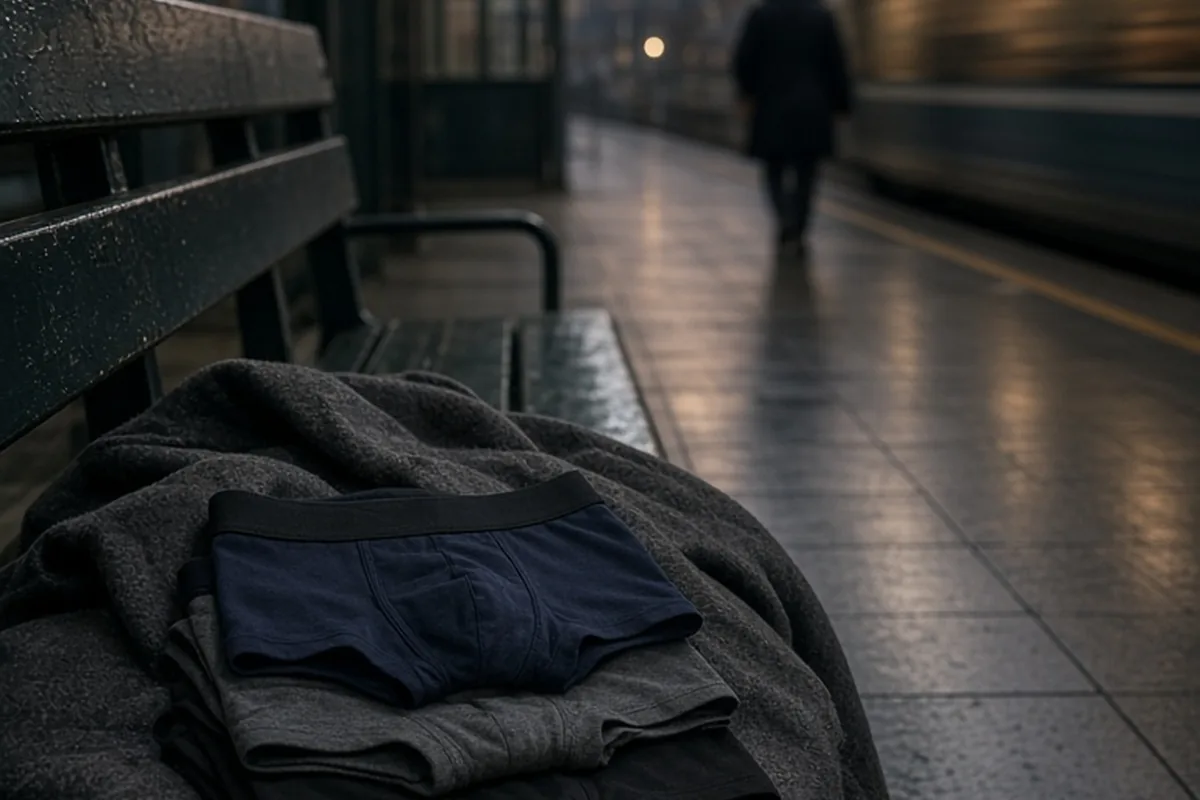
Most women generally prefer fitted boxer briefs or tailored trunks in solid neutral colors like black, navy, or charcoal. The primary appeal comes down to clean presentation, intentional fit, and fresh condition rather than a specific brand name. Underwear that supports your frame without sagging or showing worn-out elastic signals self-care and hygiene, making fabric quality and fit far more impactful than novelty designs.
Underwear rarely determines the success of a relationship on its own, but it frequently sets the tone for personal hygiene, self-respect, and intentionality in close moments. Understanding what partners appreciate can help you feel confident when the outer layers come off.
Why Boxer Briefs and Trunks Consistently Stand Out
Across broad casual surveys and direct conversations, modern boxer briefs and tailored trunks consistently emerge as the most widely appreciated styles. The reason is rooted in visual balance and functional structure. Unlike traditional woven boxers, which can appear bulky and billowy under clothing, fitted boxer briefs trace the natural contours of the hips and thighs. This provides an athletic, structured silhouette that flatters a wide variety of body shapes without drawing unnecessary attention to itself.
Trunks, which are essentially a shorter-inseam version of boxer briefs, offer a similarly flattering aesthetic that works exceptionally well for men with leaner or shorter builds. The streamlined cut keeps excess fabric from bunching up around the lower thighs, creating clean lines from waist to leg. While classic loose boxers and traditional briefs have their place, boxer briefs and trunks strike a dependable middle ground between generous coverage and defined shape.
The Direct Impact of Proper Fit and Rise
Fit is the single most decisive factor in how underwear looks and feels. A pair that is too tight creates noticeable indentation around the waist and pinches the thighs, giving an uncomfortable impression that distracts from everything else. Conversely, a pair that is too loose will sag around the seat, gather awkwardly in the groin, and roll up the leg during normal movement. Women tend to notice when a man appears physically comfortable and well-supported in his clothing, which begins with the base layer.
Paying attention to the rise—the distance between the crotch seam and the top of the waistband—ensures the garment sits where your body naturally bends. Mid-rise styles sit comfortably on the natural hips and remain invisible under most trouser cuts, whereas an ultra-high rise can peek out unintentionally above your beltline. Look for leg openings engineered with reinforced hems or a touch of elastane so the bands stay flat against the skin rather than riding up throughout the day.
Colors and Patterns That Convey Maturity
When it comes to visual design, simplicity conveys maturity and quiet confidence. Deep neutrals—including pitch black, heather charcoal, midnight navy, and rich olive—are universally appreciated because they look clean, modern, and deliberate. These shades create a sharp, cohesive baseline that flatters nearly every skin tone and maintains its appearance well over repeated washes.
Novelty prints, oversized cartoon characters, and high-contrast slogan waistbands often create an impression of lingering adolescence. While a subtle geometric micro-print or a muted seasonal tone can add variety, high-saturation neon shades and comedic motifs tend to detract from romantic intimacy. If your goal is an effortlessly appealing wardrobe, keeping the majority of your collection grounded in solid, understated tones is the most reliable strategy.
Fabric Selection: Softness, Breathability, and Texture
The tactile feel of your underwear matters just as much as its visual appeal. High-grade fabrics like micro-modal, bamboo viscose, and long-staple combed cotton deliver exceptional softness against the skin while allowing airflow throughout the day. Modal blends, in particular, drape smoothly, resist shrinking, and maintain a silky texture that feels luxurious to the touch during physical closeness.
Cheap synthetic blends, such as low-grade 100 percent polyester, can trap moisture, retain odor, and produce a plastic-like sheen under bedroom lighting. A superior blend typically features roughly 88 to 95 percent natural or semi-synthetic fiber combined with 5 to 12 percent elastane or spandex for shape retention. This combination guarantees that the fabric flexes with your movement while remaining breathable and pleasant to encounter up close.
The Overlooked Importance of Condition and Maintenance
Even the most expensive, stylish cut loses its charm if it shows signs of neglect. Ripped seams, thinning fabric in high-friction areas, loose threads, and a wavy, stretched-out waistband immediately communicate that you have held onto a garment past its natural lifespan. Partners notice condition far more acutely than brand labels, and wearing worn-out garments can signal a lack of personal care.
Establishing a regular maintenance routine keeps your rotation fresh. Washing underwear in cold or warm water with a gentle detergent protects the elastic fibers from degrading prematurely, and drying on low heat prevents shrinkage. As a general standard, inspect your drawer every six to twelve months, immediately discarding any pair with discoloration, compromised elastic, or visible wear.
Balancing Personal Comfort with Partner Preferences
While understanding what partners like is valuable, personal comfort should never take a backseat. If a specific cut feels restrictive, pinches your skin, or causes chafing during work or exercise, you will naturally carry yourself with tension. Confidence and physical ease are fundamentally attractive qualities, and you cannot project them if you are constantly adjusting your clothing.
The ideal approach is finding the intersection where your daily physical needs meet a flattering cut. For instance, if you prefer maximum freedom of movement, a lightweight, premium boxer brief with a contour pouch offers the loose sensation of a boxer with the structured look of a brief. Prioritizing both your physical reality and aesthetic presentation allows you to feel comfortable throughout a long day and composed at night.
Communicating Preferences in Long-Term Relationships
Individual preferences vary widely, and no single rule applies to every woman. While general patterns favor fitted neutral styles, some partners might love the retro look of classic white briefs, while others appreciate athletic compression cuts. In an established relationship, a direct and lighthearted conversation about preferences can remove guesswork and add playful mutual engagement.
Asking your partner what styles or colors they enjoy seeing you wear shows attentiveness and openness. It also invites them to share thoughts without judgment, helping you tailor your wardrobe choices to the specific tastes of the person you care about most, rather than relying strictly on broad generalities.
Illustrative Scenarios
Updating a Legacy Collection
Liam had accumulated dozens of promotional boxer shorts and multipack briefs over eight years, rarely throwing anything away. While packing for a weekend trip with his partner, he noticed how many pairs had frayed hems, faded logos, and loose waistbands. He felt self-conscious imagining changing in front of her. Rather than ignoring the feeling, Liam spent an afternoon sorting through his drawer, discarding everything compromised, and investing in seven pairs of dark, tailored boxer briefs. On the trip, he felt visibly more relaxed and confident from morning to night.
Key point: Replacing worn basics clears mental clutter and boosts unforced confidence during intimate moments.
Finding Harmony Between Comfort and Cut
Julian preferred wide, loose cotton boxers for lounging at home, but his partner casually pointed out that the excess fabric bunched noticeably beneath his slim-fit work trousers. Julian initially assumed she was asking him to wear uncomfortable compression garments. Instead of getting defensive, Julian decided to test a mid-length trunk crafted from breathable micro-modal. The modern cut eliminated the bulky outline under his pants while offering the breathability and ease he refused to sacrifice.
Key point: Modern fabric technology allows you to satisfy aesthetic preferences without compromising daily physical ease.
Frequently asked questions
Do women universally dislike traditional loose boxers?
Not universally, but many women find that loose woven boxers look dated and bunch awkwardly under modern clothing cuts. They are often viewed as comfortable lounge wear rather than a sharp, flattering intimate style.
How often should a man replace his underwear drawer?
Most pairs should be replaced every six to twelve months depending on wear frequency and washing habits. Discard any pair immediately once the elastic waist ripples, fabric thins, or holes develop.
Are prominent designer logos on the waistband attractive?
A subtle, understated logo is fine, but massive, high-contrast branding rarely adds genuine appeal. Most partners prioritize the fit, clean condition, and fabric quality over the label on the waistband.
Your next step
Take ten minutes this week to inspect your current underwear drawer, discard any pairs with worn-out elastic or fading, and replace them with three to five pairs of well-fitting boxer briefs in neutral tones.