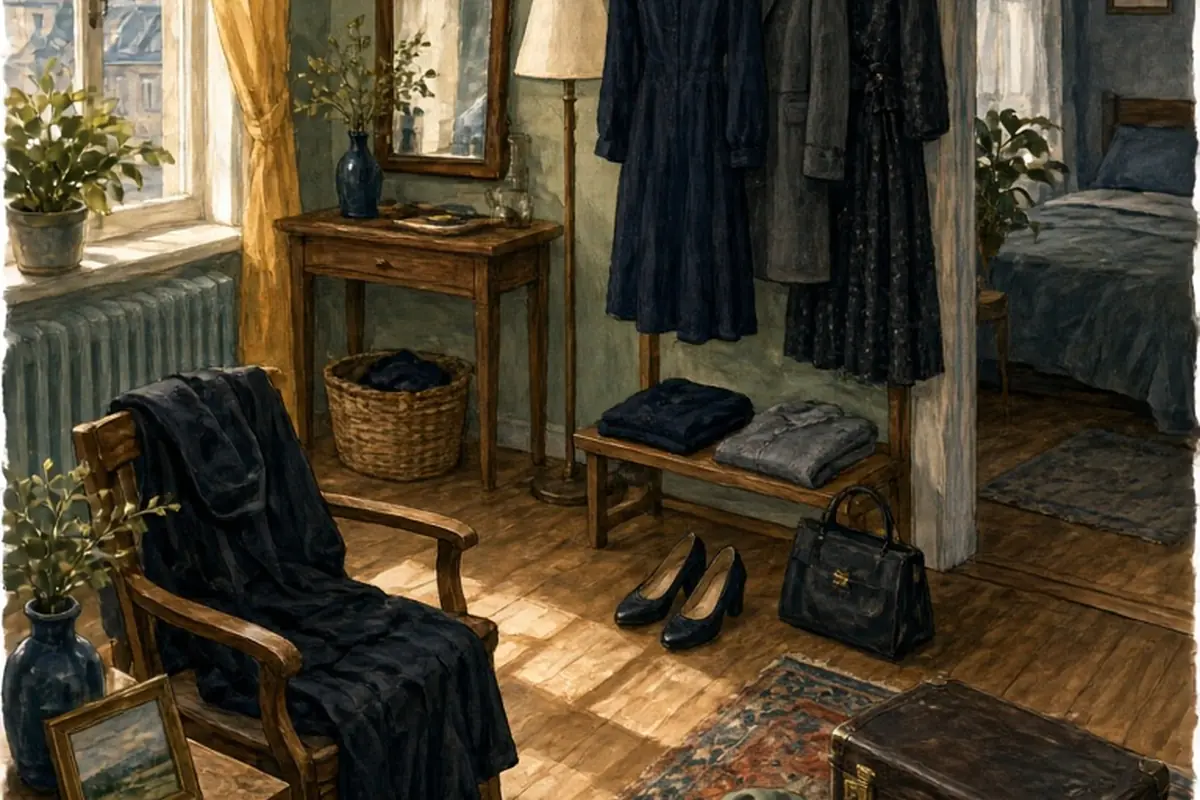
Women attending a funeral should choose modest, subdued clothing that communicates respect for the deceased and their family. Traditional choices include knee-length or midi dark dresses, tailored pantsuits, or a blouse paired with trousers or a conservative skirt. Black remains standard, but deep navy, charcoal, slate gray, and dark earth tones work well. Keep jewelry minimal, choose comfortable closed-toe footwear, and bring a tailored layer for chilly chapels.
Selecting an outfit for a memorial service often happens during a season of stress, sadness, or hurried travel, making an ordinary wardrobe decision feel unexpectedly heavy. Dressing appropriately is not about showing off personal style or conforming to rigid rules; it is simply an intentional way to honor the bereaved and ensure that your presence offers quiet support.
The Core Principles of Funeral Attire
The primary goal of funeral clothing is understated respect. A service exists to celebrate a life, offer solace to grieving relatives, and provide a dignified space for shared mourning. When people dress casually, flamboyantly, or carelessly, it risks drawing focus away from the family and onto the attendee. Approaching your wardrobe with intentional modesty signals that you recognize the gravity of the occasion and value the family's feelings.
In practical terms, this principle translates into classic tailoring, subdued colors, and conservative coverage. Look for pieces that cover your shoulders, keep the neckline modest, and fall around or below the knees if you choose a skirt or dress. Fabrics should lean toward matte textures such as wool, cotton, linen blends, or structured crepe rather than high-shine satin, clingy jersey, or sheer lace. The objective is to appear polished, quiet, and composed without calling attention to what you are wearing.
- Opt for conservative necklines such as boat neck, crew neck, or soft collared styles.
- Keep skirt and dress hemlines at or below the knee.
- Ensure shoulders and upper arms are covered, or bring a tailored blazer to wear over sleeveless garments.
- Select opaque, matte materials rather than shiny, reflective, or sheer textiles.
Choosing the Right Color Palette
While solid black remains the traditional standard in Western funeral etiquette, modern expectations welcome a broader range of muted, dark tones. Charcoal gray, deep navy, slate, espresso brown, and dark forest green are completely appropriate alternatives. These shades provide the same somber reverence as black while offering flexibility if your wardrobe lacks a suitable all-black ensemble.
Problems typically arise when clothing incorporates high-contrast patterns, bright jewel tones, neon hues, or festive prints. A tiny micro-print or subdued pinstripe on a dark background is usually acceptable, but prominent florals, abstract graphics, and vivid plaids can feel jarring in a chapel or cemetery. If you own an otherwise perfect dress in a slightly lighter neutral, such as taupe or dusty plum, ground the outfit by pairing it with a dark navy or black blazer and dark accessories. The key is avoiding stark, vibrant colors unless the family has specifically asked attendees to dress in bright shades.
Three Dependable Outfit Formats
If you are standing in front of your closet feeling overwhelmed, selecting one of three proven outfit templates eliminates guesswork. The first option is a dark midi-length sheath or A-line dress paired with a tailored jacket or structured knit cardigan. An A-line silhouette is forgiving for hours of sitting on hard pews and moving between venues, while a structured blazer adds an immediate layer of decorum.
The second reliable option is a coordinated pantsuit or dark tailored trousers worn with a conservative blouse. Many women find trousers far more practical than dresses, especially when walking across damp cemetery lawns or managing unpredictable weather. A pair of well-fitted, wide-leg or straight-leg trousers in black, charcoal, or navy creates an elegant, reverent look. The third option combines a modest pleated or pencil midi skirt with a fine-gauge crewneck sweater or tucked button-up shirt. Each of these templates provides comfort and dignity while fitting comfortably into almost any service setting.
- Outfit 1: Black or navy midi A-line dress, tailored jacket, low block heels, and simple pearl earrings.
- Outfit 2: Charcoal tailored trousers, cream silk-blend high-neck blouse, black blazer, and pointed-toe flats.
- Outfit 3: Dark pleated midi skirt, tucked fine-knit sweater, structured tote, and polished leather loafers.
Selecting Practical and Respectful Footwear
Footwear is one of the most overlooked elements of funeral preparation, yet it directly impacts your physical comfort throughout a long day. Services frequently involve standing for extended receiving lines, walking across unpaved cemetery grounds, and climbing steep steps in older places of worship. Thin stiletto heels frequently sink into wet turf, leaving you off-balance and damaging your shoes.
Instead, choose closed-toe shoes with stable construction. Polished leather loafers, elegant ballet flats, oxfords, or pumps with a sturdy block heel under two inches work exceptionally well. In wet or cold conditions, a pair of sleek, dark leather ankle boots with a low heel provides both warmth and traction. Save open-toe sandals, athletic sneakers, casual canvas slip-ons, and strappy evening shoes for other occasions. If you prefer high heels for the indoor service, keep a flat pair in your car so you can change before proceeding to an outdoor burial.
Layering and Outerwear for Different Venues
Funerals often take place across multiple micro-climates in a single morning, moving from a chilly morning gathering to an overheated church, followed by a windy cemetery and a crowded reception hall. Preparing layered clothing ensures you remain comfortable without needing to adjust your garments constantly. A tailored wool overcoat, trench coat, or car coat in black, navy, or camel maintains a dignified look from the moment you step out of your vehicle.
Brightly colored puffer jackets, sporty windbreakers, and casual denim jackets can compromise an otherwise thoughtful outfit. If your outerwear options are limited, choose your darkest, cleanest coat and use a solid dark wool scarf or pashmina to tie the layers together. Inside the venue, keeping a lightweight knit wrap or structured cardigan close at hand ensures you will not be shivering in an air-conditioned sanctuary or drafty historical building.
Accessories, Grooming, and Essentials to Carry
Accessories at a funeral should be quiet, understated, and functional. Jewelry ought to stay minimal: think small stud earrings, a single pendant chain, a modest wristwatch, or classic pearls. Loud, clattering bangle bracelets, chandelier earrings, or prominent statement pieces can be distracting, especially in silent, echoey rooms during readings or prayers. Makeup should look natural and subtle, prioritizing waterproof mascara to handle unexpected tears.
Your choice of bag should balance decorum with utility. A small to medium dark leather handbag or structured crossbody keeps your hands free while holding a few crucial items. Always pack a travel pack of pocket tissues for yourself or to quietly hand to someone nearby, a pack of breath mints, and a pair of discreet, dark sunglasses for outdoor graveside proceedings. If rain is even remotely possible, pack a compact, plain black umbrella rather than a bright golf umbrella.
Adapting to Celebrations of Life and Cultural Traditions
Not all memorial gatherings adhere to standard Western customs. In recent years, many families have chosen 'Celebration of Life' gatherings, occasionally requesting that guests wear pastel tones, bright colors, or casual clothing to reflect the loved one's vibrant spirit. When this happens, respect the family's explicit wishes, but keep the garments refined. Opting for a soft lavender blouse or a sage green sundress honors the request without appearing as though you are heading to a backyard barbecue.
Similarly, attending services across different faiths requires advance awareness. Traditional Eastern Orthodox, conservative Christian, and Orthodox Jewish services may require women to wear skirts below the knee and keep shoulders and collarbones covered, with some communities expecting head coverings. In Hindu mourning traditions, white is the customary color of grief rather than black. When in doubt, asking an usher, checking the funeral home's online notice, or reaching out gently to an extended family contact before the service helps prevent discomfort.
Illustrative Scenarios
Navigating Changing Weather and Unstable Ground
Rachel was preparing to attend an autumn graveside service for her partner's grandmother. She initially laid out a sleeveless black cocktail dress, sheer stockings, and high-heeled pointed pumps. When she realized the cemetery had received two days of rain and the service would take place entirely outdoors on a hillside, she reconsidered. Rachel swapped the cocktail dress for high-waisted charcoal trousers, an ivory mock-neck knit, a structured black wool overcoat, and low block-heeled waterproof leather booties. During the ceremony, several attendees struggled with sinking heels and shivering in thin layers, while Rachel remained warm, steady on the grass, and able to focus entirely on supporting her partner and his family.
Key point: Anticipating venue conditions and outdoor terrain ensures your outfit supports you practically, preventing awkward physical distractions during a somber event.
Interpreting a Cheerful Dress Code Request
Maya received an invitation to a memorial service for an energetic college mentor whose obituary noted: 'Please wear bright, cheerful attire to reflect Helen's joyful spirit.' Maya worried that wearing an electric pink party dress would look flippant, but she did not want to ignore the family's specific request by showing up in somber black. To strike a balance, Maya wore tailored navy trousers paired with a soft buttercup-yellow silk blouse, a navy tailored blazer, and understated gold stud earrings. Her outfit acknowledged the family's request for warmth and light while maintaining the elevated decorum appropriate for a memorial hall.
Key point: Honoring non-traditional requests works best by pairing one soft, joyful color with grounded, tailored neutrals.
Frequently asked questions
Can women wear dress pants to a funeral?
Yes, tailored dress pants, wide-leg slacks, and coordinated pantsuits are completely acceptable for women at modern memorial services. Pair them with a neat blouse, fine sweater, or blazer in dark neutrals to maintain a formal, reverent appearance.
Is it acceptable to wear dark jeans to a memorial service?
Generally, denim should be avoided unless the family has specifically requested very casual or rustic attire. Even clean, dark-wash jeans convey a weekend feel that can read as unconsidered in a traditional service setting.
Are bare legs or open-toe shoes appropriate?
In warm weather, bare legs are widely accepted if your skirt or dress falls past the knee, though sheer black or nude hosiery remains standard in formal religious environments. Closed-toe shoes are always the safest choice, while casual open-toe sandals or flip-flops should never be worn.
How can I support my partner if they are stressed about what to wear?
Help by quietly checking the service details, venue weather, and whether there is an outdoor cemetery procession. Offering to steam their clothes, coordinate simple neutral tones together, or pack an extra umbrella removes logistical friction during an already taxing time.
Your next step
Take twenty minutes today to assemble one dependable dark outfit, confirm your footwear is clean and ground-appropriate, and pack a small umbrella and tissues so you can arrive prepared and focused on supporting others.