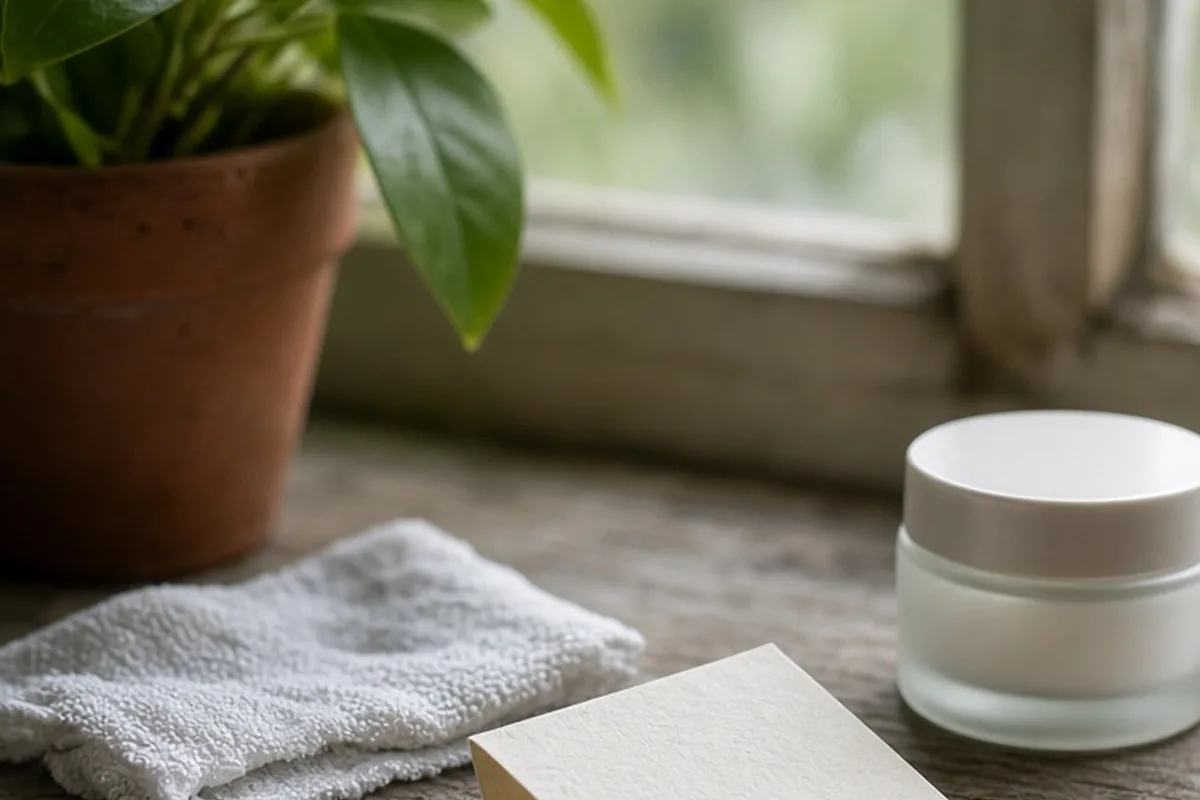
If sunscreen burns your face, rinse it off immediately using cool water and a gentle, fragrance-free cleanser without scrubbing. Apply a cool, damp cloth to reduce heat, then follow with a bland, basic moisturizer containing ceramides or pure petrolatum. Stop using all exfoliating acids and retinoids for several days until your skin barrier heals, and switch to a pure mineral sunscreen for future sun protection.
Experiencing a hot, stinging sensation right after applying sunscreen is a surprisingly common frustration. Whether the reaction stems from a specific chemical filter, an added fragrance, or an already compromised skin barrier, addressing the discomfort quickly helps prevent prolonged irritation and protects your skin from further damage.
Immediate Steps: Washing Off the Sunscreen and Calming Heat
The moment you feel sunscreen stinging, burning, or heating up on your skin, your first priority is removing the product completely. Head to the sink and wash your face using lukewarm or cool water. Hot water expands surface blood vessels and increases inflammation, which can intensify the burning sensation. Reach for a non-foaming, fragrance-free, gentle hydrating cleanser rather than an active wash containing salicylic acid or benzoyl peroxide. Work the cleanser gently across your face with your fingertips, avoiding washcloths, cleansing brushes, or vigorous rubbing, as physical friction worsens irritated tissue.
After rinsing thoroughly, gently pat your face dry with a clean, soft cotton towel. If your skin still feels uncomfortably hot or flushed, create a cold compress by soaking a clean washcloth in cool water, wringing out the excess, and resting it over your face for five to ten minutes. The cold temperature constricts local blood vessels, which rapidly eases the prickly, burning sensation. Avoid applying raw ice cubes directly onto your bare skin, as extreme cold can cause cold-induced tissue irritation on top of your existing chemical sensitivity.
Barrier Recovery: What to Apply and What to Pause
Once your skin is clean and cooled, it needs immediate barrier support to recover. Apply a simple, bland moisturizer that focuses solely on hydration and barrier repair. Ingredients such as ceramides, squalane, glycerin, colloidal oatmeal, and panthenol (vitamin B5) are well tolerated by reactive skin and help replenish lost moisture. For acute burning or raw patches, applying a thin layer of pure petroleum jelly or an ointment-based healing balm over your damp skin creates a protective seal that prevents moisture loss and shields raw nerve endings.
Equally important is knowing what to temporarily eliminate from your routine. For the next three to five days, pause all active skincare treatments. This includes prescription retinoids, over-the-counter retinol, alpha hydroxy acids like glycolic and lactic acid, beta hydroxy acids, pure L-ascorbic acid (vitamin C), benzoyl peroxide, and physical facial scrubs. Continuing these ingredients while your skin is reactive can lead to prolonged contact dermatitis, prolonged peeling, or heightened skin sensitivity to everyday products.
Identifying the Trigger: Sunscreen Filters vs. Compromised Barrier
When sunscreen burns, it is helpful to determine whether the product itself is the problem or if your skin barrier was already weakened before application. Chemical sunscreen filters—such as avobenzone, octinoxate, oxybenzone, and homosalate—absorb UV rays and convert them into heat. For individuals with sensitive skin, rosacea, or eczema, these chemical agents or their carrier solvents can directly trigger stinging and redness. Additionally, high concentrations of denatured alcohol, essential oils, and synthetic fragrances in sunscreen formulas are frequent culprits behind sudden burning sensations.
On the other hand, an impaired moisture barrier will make almost any product sting, even gentle formulas that previously worked without issue. If you have recently started a strong retinoid, over-exfoliated with chemical peels, or spent extended time in harsh, dry weather, your stratum corneum may have microscopic fissures. When a lotion-based sunscreen hits those exposed nerve endings, it triggers immediate burning. A practical indicator is your reaction to other products: if your basic daily moisturizer and gentle cleanser also sting upon application, barrier damage is the primary cause rather than a specific sunscreen allergy.
Evaluating Severity: Irritant Reaction vs. True Allergic Contact Dermatitis
Most sunscreen burning episodes are forms of irritant contact dermatitis, characterized by immediate prickling, mild redness, and tightness that fades shortly after washing the formula away. This type of reaction is localized to the area where the product sat and usually subsides within twenty-four to forty-eight hours with basic soothing care and moisturizer.
A true allergic contact dermatitis or photoallergic reaction is different and involves an immune response. Symptoms of an allergic reaction often include intense itching, swelling around the eyes or lips, raised hives, small water blisters, or a rash that spreads beyond the application site. Photoallergic reactions typically appear hours or days later after sun exposure activates the chemical filter on your skin. If you notice facial swelling, blistering, oozing, or difficulty breathing, seek professional medical attention immediately, as systemic allergic responses require clinical evaluation.
Choosing a Safer Replacement: The Mineral Sunscreen Alternative
If you suspect your skin is intolerant to chemical sunscreen filters, switching to a 100% mineral (physical) sunscreen is the most reliable alternative. Mineral formulas rely on zinc oxide and titanium dioxide. These active mineral particles sit on top of the skin's surface and reflect as well as scatter UV rays rather than penetrating the upper layers of the epidermis. Zinc oxide in particular has natural skin-soothing properties, making it a standard choice for sensitive skin, post-procedure care, and skin prone to redness.
When shopping for a gentle replacement, inspect the ingredient list carefully. Look for products labeled fragrance-free rather than unscented, as unscented products may still contain masking fragrances that trigger irritation. Choose formulas free of denatured alcohol (often listed as alcohol denat or ethanol), which can dry out sensitive tissue. While mineral sunscreens can sometimes feel thicker or leave a slight white cast on deeper skin tones, many modern formulations use tinted iron oxides or micronized minerals to blend smoothly without compromising gentle protection.
- Look for active ingredients listed exclusively as Zinc Oxide (10% to 20%) or a combination of Zinc Oxide and Titanium Dioxide.
- Avoid products containing synthetic perfume, botanical essential oils (such as citrus or lavender oils), and high concentrations of drying alcohols.
- Opt for lotion or cream bases enriched with soothing additives like colloidal oatmeal, allantoin, or ceramides.
- Consider tinted mineral formulas, which provide broad-spectrum defense and use iron oxides that blend naturally without leaving a pale cast.
How to Patch Test Your Next Sunscreen Safely
Before applying any new sunscreen across your entire face, performing a simple patch test can save you from another painful flare-up. Apply a pea-sized amount of the sunscreen to a discreet patch of skin, such as your inner forearm, behind your ear, or along the lower edge of your jawline. Leave the product on your skin undisturbed for twenty-four hours to check for delayed redness, itching, or small bumps.
If no reaction occurs on your arm or neck after twenty-four hours, apply a small amount to a small section of your cheek or temple where your facial skin is most delicate. Monitor that spot over the course of a full day. If your skin remains calm, free of burning, and clear of redness, the product is generally well-suited for broader daily use across your entire face.
Protecting Your Skin from UV Rays While Recovering
While your facial skin barrier is actively recovering from an irritation episode, applying any topical sunscreen might feel daunting or uncomfortable. However, UV radiation can worsen inflammation, delay healing, and lead to post-inflammatory hyperpigmentation. During this recovery window of three to five days, lean heavily on non-topical sun protection methods whenever you need to spend time outdoors.
Wear a wide-brimmed hat with at least a three-inch brim to shade your entire face, ears, and neck from direct overhead sunlight. Pair your hat with UV400-rated sunglasses to protect the delicate eye area where sunscreen irritation frequently occurs. Additionally, seek shaded paths, use a UV-blocking umbrella for extended outdoor walking, and plan outdoor errands before 10:00 AM or after 4:00 PM when the UV index is significantly lower.
Frequently asked questions
Can I use aloe vera gel to soothe my burning skin after sunscreen?
Pure, unfragranced aloe vera gel can be soothing because of its cooling and hydrating qualities. However, many commercial aloe products contain added alcohol, green dyes, and artificial fragrances that can worsen burning on reactive skin. If you use aloe, verify that the ingredient label contains pure aloe leaf juice without drying additives or perfumes.
Why does sunscreen only burn around my eyes and not the rest of my face?
The skin surrounding your eyes is significantly thinner and more delicate than the rest of your facial skin, with fewer oil glands and closer nerve endings. Chemical filters such as avobenzone can migrate into the eye area when you blink or sweat, causing targeted stinging. Using a dedicated mineral sunscreen stick with zinc oxide around your orbital bone helps prevent migration and irritation.
How long will it take for my skin to stop burning and return to normal?
Mild irritant burning usually subsides within a few hours once the product is thoroughly rinsed away and a bland moisturizer is applied. Complete barrier recovery and residual redness typically resolve within two to four days, provided you pause active exfoliants and use gentle, non-irritating skincare products.
Your next step
Wash your face immediately with cool water and a gentle cleanser, moisturize with a bland ceramide cream, pause all active exfoliants for four days, and patch test a fragrance-free mineral sunscreen before your next full application.