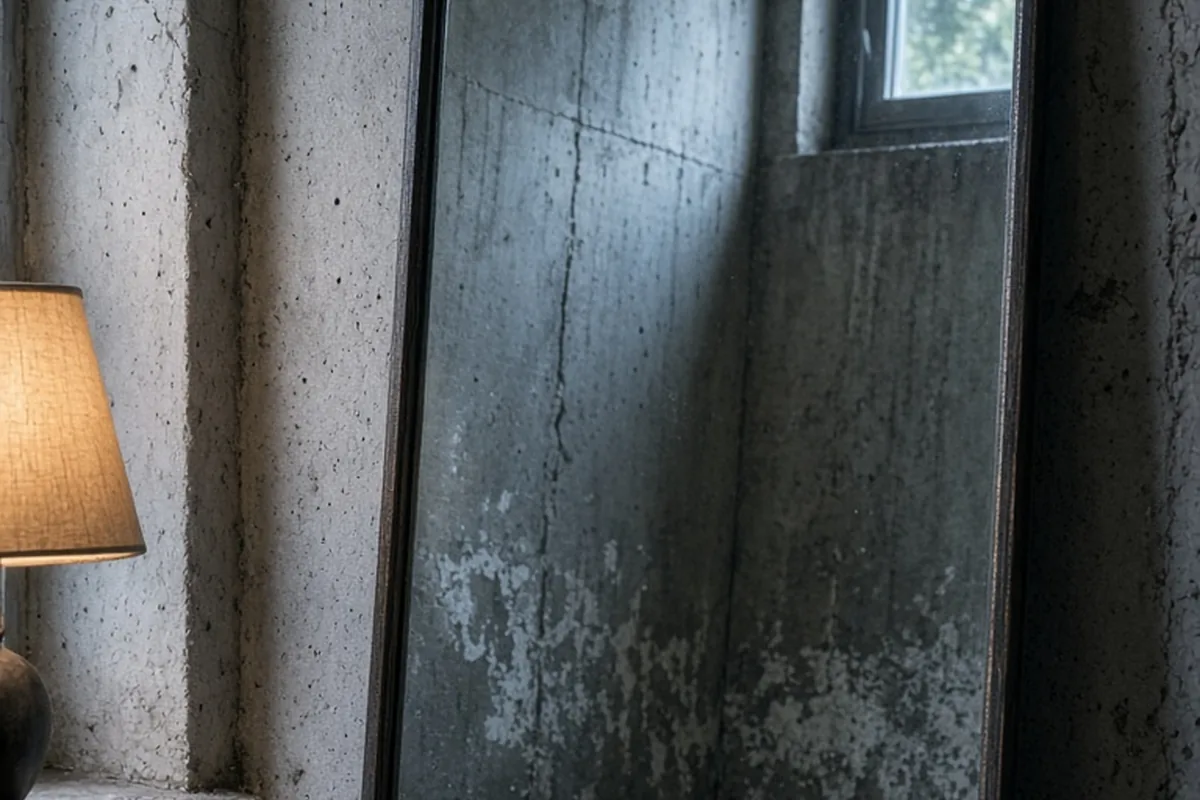
To treat a moist concrete wall, first identify whether moisture stems from active leaks, vapor transmission, or condensation. For active seeping cracks, apply fast-setting hydraulic cement. For general dampness and capillary wicking, apply a deep-penetrating silicate sealer or a breathable cementitious waterproofing coating. If you plan to finish the wall, install a moisture-tolerant epoxy barrier after cleaning away efflorescence and testing surface porosity.
Moisture migrating through concrete walls is a common challenge in basements, garages, retaining structures, and crawlspaces. Because concrete is naturally porous, water moves through microscopic capillaries under hydrostatic pressure or evaporates inward as water vapor. Choosing the correct product depends entirely on the level of dampness, the presence of active leaks, and whether you intend to leave the concrete bare or apply a finished wall covering.
Diagnosing the Cause: Condensation Versus Inward Seepage
Before selecting any product, you must verify whether moisture is originating from inside the room or traveling through the foundation wall from the outside soil. Warm, humid indoor air hitting a cold concrete wall creates surface condensation, which mimics groundwater seepage but requires ventilation or dehumidification rather than masonry waterproofing. Applying a heavy sealant over condensation will trap moisture on the room-facing surface without solving the underlying humidity problem.
A reliable way to determine the source is the simple plastic sheet test. Tape a sixteen-inch square piece of clear polyethylene plastic or aluminum foil securely to a dry section of the bare concrete wall with heavy-duty tape on all four edges. Leave it in place for forty-eight hours. If moisture droplets form on the room-facing side of the sheet, indoor humidity and condensation are your primary issues. If the underside facing the concrete is damp or darkened, water is penetrating the wall from the exterior soil, indicating you need a sub-surface sealer or negative-side masonry barrier.
Keep in mind that high indoor humidity and masonry seepage often occur together. Addressing only one aspect can lead to recurring dampness, mold growth, or peeling finishes. If exterior moisture is confirmed, you must assess whether the wall exhibits slow vapor migration, damp patches, or active water flow through seams and cracks.
Hydraulic Cement for Active Leaks and Visible Cracks
When water is actively dripping, weeping, or pushing through cracks and cold joints in a concrete wall, standard liquid sealers and paints will wash away before curing. In these situations, hydraulic cement is the standard initial product. Formulated with specialized rapid-setting compounds, hydraulic cement hardens within three to five minutes and expands slightly as it cures, locking itself mechanically into fractures to stem pressurized water flow.
To apply hydraulic cement effectively, you must mechanically open the crack using a cold chisel and hammer or an angle grinder. Chisel the fissure into an inverted V-shape or dovetail profile roughly one inch deep and one inch wide so the expanding cement has structural shoulders to lock against. Clean out all loose debris, mix small batches of the powder with clean water to a stiff putty consistency, and press the mixture firmly into the void with a gloved hand or trowel, holding pressure until it stiffens.
The primary limitation of hydraulic cement is that it is a rigid patch material designed for localized structural repairs rather than broad-surface waterproofing. It will not flex if the foundation experiences seasonal settling, and it does not stop diffuse dampness from passing through surrounding porous concrete.
Penetrating Silicate Sealers for Deep Capillary Protection
For bare concrete walls that feel persistently cold and damp from capillary wicking, penetrating reactive sealers—specifically sodium silicate or lithium silicate—provide durable protection without creating a surface film. Unlike surface coatings that sit on top of the concrete, silicates penetrate several inches into the pores and react chemically with free calcium hydroxide (lime) present in the cured cement paste. This reaction produces calcium silicate hydrate crystals that permanently fill the micro-pores, significantly reducing moisture vapor transmission.
Because silicate sealers become an integral part of the concrete matrix, they never peel, blister, or flake off due to hydrostatic pressure from behind. They leave the surface appearance largely unchanged and maintain a breathable structure that allows remaining vapor to equalize naturally. Application involves spraying or rolling the low-viscosity liquid onto clean, bare concrete until saturated, followed by rinsing away any unreacted residue after the specified dwell time.
A key trade-off with silicate sealers is that they only work on unsealed, unpainted, and mineral-rich concrete. If the wall has previously been treated with acrylics, paint, or form-release oils, the chemical reaction cannot take place. Additionally, while silicates dramatically reduce moisture migration, they cannot bridge dynamic cracks or stop pressurized liquid water flowing through open gaps.
Cementitious and Masonry Waterproofing Coatings
Cementitious waterproofing coatings and heavy-bodied masonry sealers are thick, brush-applied materials formulated to resist negative-side hydrostatic pressure on interior concrete walls. These products combine Portland cement, fine silica aggregates, and synthetic resins or crystalline additives that bond directly to the masonry surface. They fill surface pinholes, smooth rough aggregate textures, and create a uniform, moisture-resistant barrier that can be left exposed or tinted.
For maximum adhesion, cementitious coatings require a clean, open surface profile. The concrete should be thoroughly cleaned of efflorescence and pre-wetted to a saturated surface-dry state before application, which prevents the dry wall from drawing water out of the wet slurry prematurely. The product is typically worked into the pores using a stiff masonry brush in two generous coats, with the second coat applied perpendicular to the first once the base layer has cured to a firm state.
While masonry coatings provide an attractive, bright finish that helps hold back dampness, they rely entirely on direct adhesion to the substrate. If water pressure behind the wall is exceptionally high, or if the surface was contaminated with dust or salts during application, the coating can eventually blister or delaminate over time.
Moisture-Tolerant Epoxy and Vapor Barrier Membranes
When preparing a concrete wall for insulation, drywall, or specialized paneling, managing water vapor transmission is critical to prevent mold behind finished surfaces. In these environments, two-part moisture-tolerant epoxy coatings or fluid-applied vapor-permeance barriers provide high levels of resistance against moisture ingress. These industrial-grade polymers bond tightly to concrete even in high-humidity conditions and reduce the moisture vapor emission rate to minimal levels.
Application requires strict attention to manufacturer specifications regarding surface preparation and mix ratios. The concrete must be mechanically ground or acid-etched to open the surface pores to an International Concrete Repair Institute (ICRI) surface profile. The two-part epoxy is mixed mechanically, applied with a squeegee and roller, and allowed to cure into a tough, impermeable membrane that resists both moisture and chemical attack.
The primary drawback is that impermeable barriers trap all moisture within the wall assembly. If applied to an interior wall subject to severe exterior water infiltration, the trapped water can accumulate inside the concrete matrix, potentially accelerating freeze-thaw degradation or forcing moisture toward sill plates and framing above.
Surface Preparation: Cleaning Efflorescence and Profiling
No moisture-control product will bond or react correctly if applied to a contaminated, dirty, or sealed concrete surface. Moisture traveling through masonry carries dissolved mineral salts to the surface; as water evaporates, it leaves behind white, powdery crystalline deposits known as efflorescence. If you coat over efflorescence, the continuing crystallization beneath the film will push the coating off the wall within months.
To properly prepare the wall, scrub away all loose mineral deposits, dirt, and peeling paint using a stiff wire brush or a concrete cleaner containing sulfamic or mild phosphoric acid. Avoid harsh muriatic acid indoors unless adequate ventilation and neutralizing washes are feasible. Rinse the surface thoroughly with clean water and inspect for remaining oil, grease, or previous curing agents. Perform a water-drop test: sprinkle drops of water across the bare wall. If the water beads rather than soaking in immediately, the concrete requires further mechanical grinding or etching to accept a new sealer.
Allowing adequate drying time between preparation and application depends on the specific product selected. Silicate sealers and cementitious slurries benefit from damp substrates, whereas epoxy coatings and solvent-based sealers demand thoroughly dry surface conditions to cure without pinholing.
When Interior Treatments Are Not Enough: Managing Exterior Runoff
Interior sealers and coatings serve as negative-side moisture barriers, meaning they resist water trying to enter the structure. However, negative-side solutions do not reduce the volume of water pressing against the foundation from the outside. If the soil surrounding your foundation remains saturated, hydrostatic pressure will continuously test your interior sealers, eventually finding pathways through expansion joints, floor-wall junctions, or minor structural shifts.
Long-term moisture management requires addressing exterior drainage first. Ensure roof gutters are clean and that downspouts discharge roof runoff at least six to ten feet away from the foundation perimeter. Grade the landscape soil so it slopes downward at a minimum rate of six inches over the first ten feet away from the foundation walls, preventing pooling against the concrete.
In severe cases where groundwater tables are high or underground springs press against the wall, interior coatings must be paired with active drainage measures, such as an interior perimeter drain tile system connected to a sump pump or an exterior waterproofing membrane paired with gravel backfill.
Illustrative Scenarios
Choosing Between a Film Coating and a Penetrating Sealer
A homeowner observed widespread dampness and white efflorescence across an unfinished poured-concrete basement wall. After performing a plastic sheet test, they confirmed that moisture was evaporating inward from the exterior soil rather than condensing from indoor air. Rather than immediately applying a standard film-forming latex paint, which would have blistered due to the salt deposits, the homeowner scrubbed the wall with a masonry cleaner to remove all efflorescence. Because the wall was structurally sound with no active cracking, they applied a deep-penetrating sodium silicate sealer to densify the interior pores, followed by extending their exterior downspouts away from the foundation.
Key point: Addressing salt deposits first and selecting a penetrating crystalline sealer prevents surface peeling while allowing the concrete matrix to resist capillary water movement permanently.
Frequently asked questions
Can I paint directly over a damp concrete wall?
Standard latex or oil-based paints should never be applied directly over damp concrete because trapped moisture will cause blistering, peeling, and mold growth. You must first clean away efflorescence, stop active seepage with hydraulic cement, and apply a specialized moisture-tolerant masonry sealer or cementitious coating rated for damp substrates.
What is the difference between drylok-style coatings and penetrating silicates?
Drylok and similar masonry coatings form a thick, visible barrier film on top of the concrete to block water mechanically. Penetrating silicates soak deep into the pores to form insoluble crystals inside the concrete without altering surface texture or peeling over time.
How do I remove white powder from my moist concrete wall before sealing?
The white powder is efflorescence, caused by mineral salts left behind as water evaporates. Scrub it off thoroughly using a stiff nylon or wire brush paired with a dedicated efflorescence cleaner or diluted mild acid wash, then rinse completely and let dry according to your chosen sealer's instructions.
Will a concrete sealer fix water pooling on my basement floor?
No, liquid sealers and wall coatings are not designed to stop standing groundwater or major hydrostatic flooding. Persistent pooling requires structural repairs, exterior drainage adjustments, or an interior perimeter drain tile system with a sump pump.
Your next step
Test your concrete wall with a taped plastic sheet to confirm whether moisture is inward seepage or surface condensation, clean away all efflorescence, and select either hydraulic cement for cracks or a penetrating silicate for general dampness before attempting any cosmetic finish.