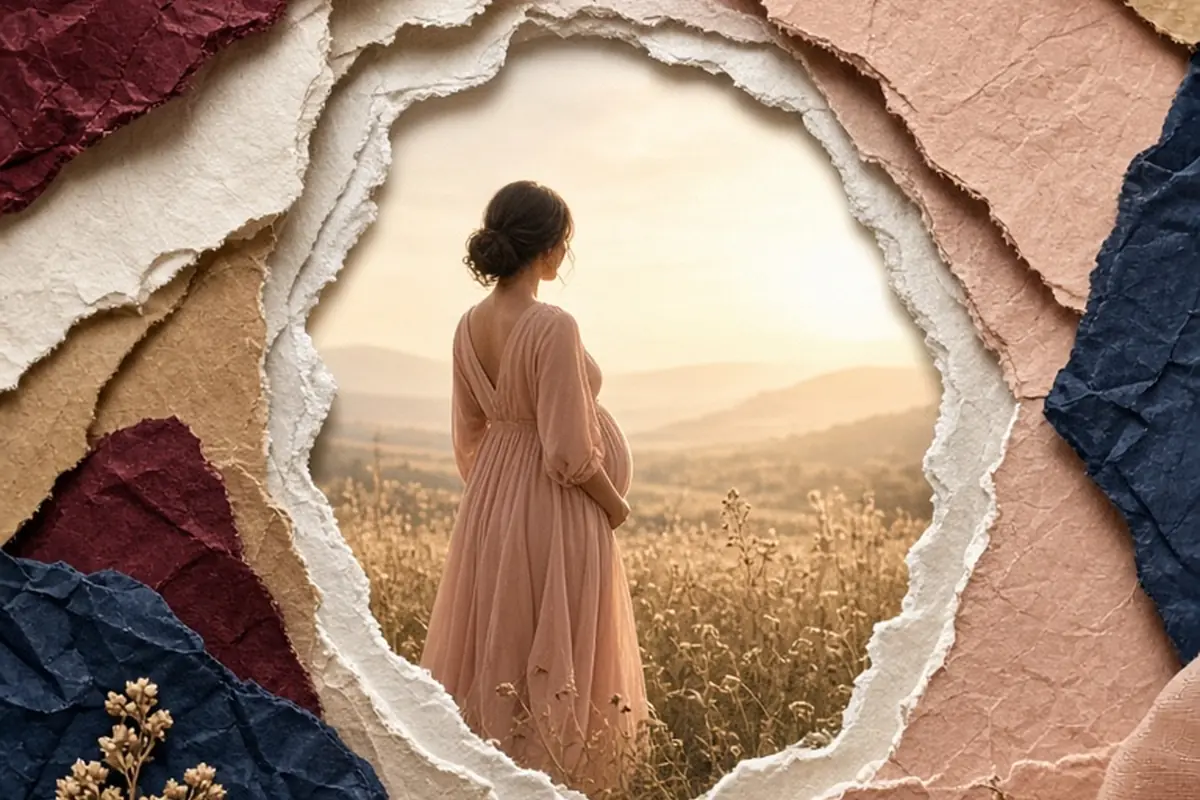
For a maternity photoshoot, choose outfits that define your bump while keeping you comfortable, such as fitted maxi dresses, flowy empire-waist gowns, or an unbuttoned button-down shirt paired with maternity denim. Opt for solid neutral tones, soft pastels, or warm earth tones over busy prints. Bring seamless nude undergarments, comfortable shoes, and two distinct looks: one tailored or body-skimming and one soft and movement-friendly.
Planning a maternity session is an exciting milestone, but deciding what to wear can feel overwhelming when your body changes weekly. Finding garments that balance personal style, physical comfort, and camera-ready silhouettes ensures you feel confident during your shoot without spending unnecessary energy on wardrobe stress.
Bump-Defining Silhouettes and Structural Choices
The primary visual goal of a maternity photoshoot is usually to highlight the curve of your belly. Clothing that hangs straight down from your shoulders or chest without waist definition can conceal your shape and appear bulky on camera. Fitted silhouettes, particularly those made from medium-weight ribbed knit, modal, or jersey fabrics, naturally hug your body and clearly accentuate the bump from every angle. If you prefer a tailored aesthetic, a bodycon dress with long sleeves or a square neckline provides sleek lines that photograph cleanly in both natural light and studio environments.
Flowing gowns and empire-waist dresses offer a different aesthetic while remaining equally flattering. An empire cut cinches directly beneath the bust at the narrowest point of your torso, allowing the fabric to drape gracefully over the stomach and hips. When selecting a loose or flowy gown, look for designs that feature a defined seam, tie back, or ruched detail under the chest. Completely loose shift dresses or oversized bohemian kaftans often swallow your frame in photographs unless you hold the fabric against your body with your hands throughout the entire session.
Two-piece sets provide another versatile silhouette choice. A cropped knit top paired with a high-waisted maternity skirt that sits right beneath the bump helps separate your torso and accentuates your waistline. Alternatively, an open front cardigan or unbuttoned duster jacket layered over a fitted tank top creates vertical framing lines, drawing the viewer's eye directly to your center profile.
Selecting Camera-Ready Fabrics and Color Palettes
Colors set the mood of your images and influence how skin tones appear under natural or artificial lighting. Soft neutral shades—such as warm ivory, oatmeal, cream, camel, taupe, and slate gray—work seamlessly in almost every setting. Warm earth tones like terracotta, olive green, rust, and burnt sienna provide grounded depth, especially in outdoor autumn or golden hour sessions. Soft pastels like dusty rose, muted sage, powder blue, and butter yellow photograph softly without competing with your facial features.
High-contrast, saturated colors and intricate patterns can distract from the subject. Bright neon hues often cast unnatural color reflections onto your chin, neck, and chest under bright sunlight. Very tight, repetitive micro-prints like small houndstooth or narrow pinstripes can cause a visual distortion known as a moiré effect on digital camera sensors. If you love prints, opt for muted, large-scale florals or subtle tonal patterns rather than sharp geometric designs.
Fabric texture adds visual dimension to photographs without relying on loud patterns. Heavy textures like chunky knits, eyelet lace, crushed linen, ribbed cotton, and layered tulle catch ambient light and create depth. A simple monochrome ivory dress, for instance, looks significantly richer on camera when constructed from a ribbed knit or textured linen blend compared to a completely flat, thin synthetic weave.
Essential Undergarments and Foundation Layers
The undergarments you select are just as important as the visible outfit. Light-colored or sheer fabrics easily reveal colorful underwear or dark bra bands under studio strobes and direct sunlight. To ensure a smooth presentation, invest in seamless, nude underwear that matches your skin tone closely. High-waisted, seamless maternity support shorts are especially useful beneath fitted bodycon dresses, as they eliminate visible panty lines and prevent uncomfortable thigh chafing while walking between photo spots.
Bra selection depends entirely on your chosen dress neckline, but comfort and support remain paramount. Breasts often increase in size and sensitivity during pregnancy, making rigid underwires uncomfortable during an hour-long shoot. Seamless molded wireless bras, smooth bandeau tops, or convertible multi-way bras offer gentle shaping without cutting into your skin. If you are wearing a backless or off-the-shoulder gown, test sticky adhesive bra cups or nipple covers well in advance to confirm they hold securely and do not irritate sensitive skin.
Pay close attention to tight elastic bands before your session. Wearing tight socks, constrictive bras, or tight-waisted maternity leggings on the drive to your photoshoot can leave deep red indentations on your skin that take thirty minutes or more to fade. Dress in loose, non-restrictive loungewear or a robe prior to changing into your shoot wardrobe.
Adapting Your Wardrobe to Studio, Outdoor, and In-Home Settings
Your photo location should guide the formality and practical function of your wardrobe. In an indoor photography studio with solid backdrops, minimalist silhouettes and clean tailoring stand out. A simple black turtleneck dress against a white or gray backdrop creates striking contrast, while a classic white linen set feels airy against neutral backdrops. Bare feet work well in a studio, eliminating the need to coordinate formal footwear.
Outdoor locations—such as open fields, botanical gardens, or beaches—benefit from movement and flow. A long chiffon or rayon maxi gown that catches the breeze adds organic motion to outdoor frames. However, outdoor terrains demand practical shoe choices. Navigating tall grass, sand, or uneven dirt paths in high stilettos creates a safety hazard and causes fatigue. Wear low wedges, flat leather sandals, or clean lifestyle sneakers, or bring slip-on sandals to walk between spots and slip into heels only for specific poses.
In-home lifestyle sessions call for relaxed, intimate clothing that matches a home environment. Formal floor-length ballgowns can feel out of place in a living room or nursery. Instead, choose cozy luxury loungewear, such as an unbuttoned oversized cotton poplin shirt with a lace bralette and maternity jeans, a cashmere wrap cardigan over a slip dress, or an ankle-length knit house dress.
Coordinating Outfits with Your Partner and Family
When including a partner or older children in your maternity photos, aim for visual coordination rather than matching uniforms. Wearing identical white shirts and blue jeans creates a flat, dated appearance. Instead, pick a cohesive color palette consisting of two to three complementary tones and distribute them unevenly across everyone's clothing.
If you choose to wear a statement outfit—such as a patterned floral dress or a rich emerald velvet gown—your partner should dress in understated, solid neutrals like oatmeal, gray, navy, or charcoal to keep the visual focus on you. For example, if you wear a dusty blush dress, your partner might wear a soft cream linen button-down with khaki or slate chinos. This creates subtle harmony without competing for visual prominence.
Fabric weights should also match across all family members. If you are wearing a lightweight, breezy linen summer dress, your partner should avoid heavy wool sweaters or stiff corporate clothing. Keep shoes clean and aligned with the location, opting for classic leather boots, clean minimalist sneakers, or loafers rather than athletic running shoes.
Four Practical Outfit Formulas for Your Session
If you are unsure where to begin, relying on proven wardrobe combinations can simplify your shopping and planning. Most photographers welcome one or two outfit changes during a standard portrait session, allowing you to capture both a dressy look and a relaxed lifestyle aesthetic.
Here are four reliable outfit formulas that consistently photograph well across diverse body types and settings:
- The Classic Ribbed Knit Maxi: A solid, neutral-toned, ankle-length ribbed knit dress paired with simple jewelry and flat mules. This look hugs the bump cleanly and offers maximum stretch and comfort.
- The Romantic Flowing Gown: An empire-waist dress made of chiffon, gauze, or lace with puff sleeves or an off-the-shoulder neckline. This style provides graceful movement for outdoor wind and dramatic portraits.
- The Elevated Casual Look: Stretchy dark-wash maternity jeans, a neutral bandeau or fitted tank, and an unbuttoned oversized linen shirt left loose around the sides to frame the bare belly.
- The Modern Two-Piece Knit Set: A high-waisted ribbed midi skirt paired with a matching long-sleeve crop top or wrap top, highlighting the waist transition above and below the bump.
Wardrobe Preparation, Steaming, and Day-of Logistics
Preparation in the days leading up to your session ensures everything fits properly and prevents last-minute stress. Try on your complete outfits, including underwear and shoes, approximately one to two weeks before the shoot. Pregnancy bodies change quickly during the third trimester, and a dress that fit comfortably a month ago might feel tight across the ribs or ride up in the front hemline.
Steam all garments the evening before and transport them on hangers inside protective garment bags rather than folding them into a tote bag where they can crease. Bring a small emergency styling kit containing clothing tape, safety pins, extra nude bra pads, and a lint roller. Having these supplies on hand allows you to make quick adjustments on location without interrupting your session.
Frequently asked questions
When is the best time to schedule a maternity photoshoot and select outfits?
Most photographers recommend scheduling your shoot between weeks 28 and 34 of pregnancy. During this window, your belly is round and clearly defined, but you are generally more comfortable moving and standing than in the final month. Select and try on your outfits around week 30 to allow time for alterations or exchanges.
How many outfits should I bring to a maternity shoot?
Bringing two distinct outfits is standard for a 60-minute session. A good rule of thumb is to select one body-skimming or tailored piece and one soft, flowing, or casual option to provide variety in your gallery. Check with your photographer first, as changing locations or outfits takes time away from active shooting.
What colors should I avoid for maternity photos?
Avoid bright neon shades like hot pink, lime green, or highlighter yellow, as they reflect harsh color casts onto your skin. Similarly, steer clear of loud, busy micro-prints, heavy graphic logos, and solid bright white tops paired with pure black bottoms, which create excessive contrast under bright camera lighting.
What type of shoes are best for a maternity photoshoot?
Prioritize stability and comfort, especially if your shoot takes place outdoors on uneven terrain. Flat leather slide sandals, low block heels, ankle boots, or barefoot posing in studio settings work best. If you want to wear high heels in your photos, bring easy slip-on shoes to walk between locations and switch into heels only while actively posing.
Your next step
Choose two complementary outfits—one fitted and one flowing—in solid neutral or earthy tones, and test them with seamless nude undergarments one week before your shoot.