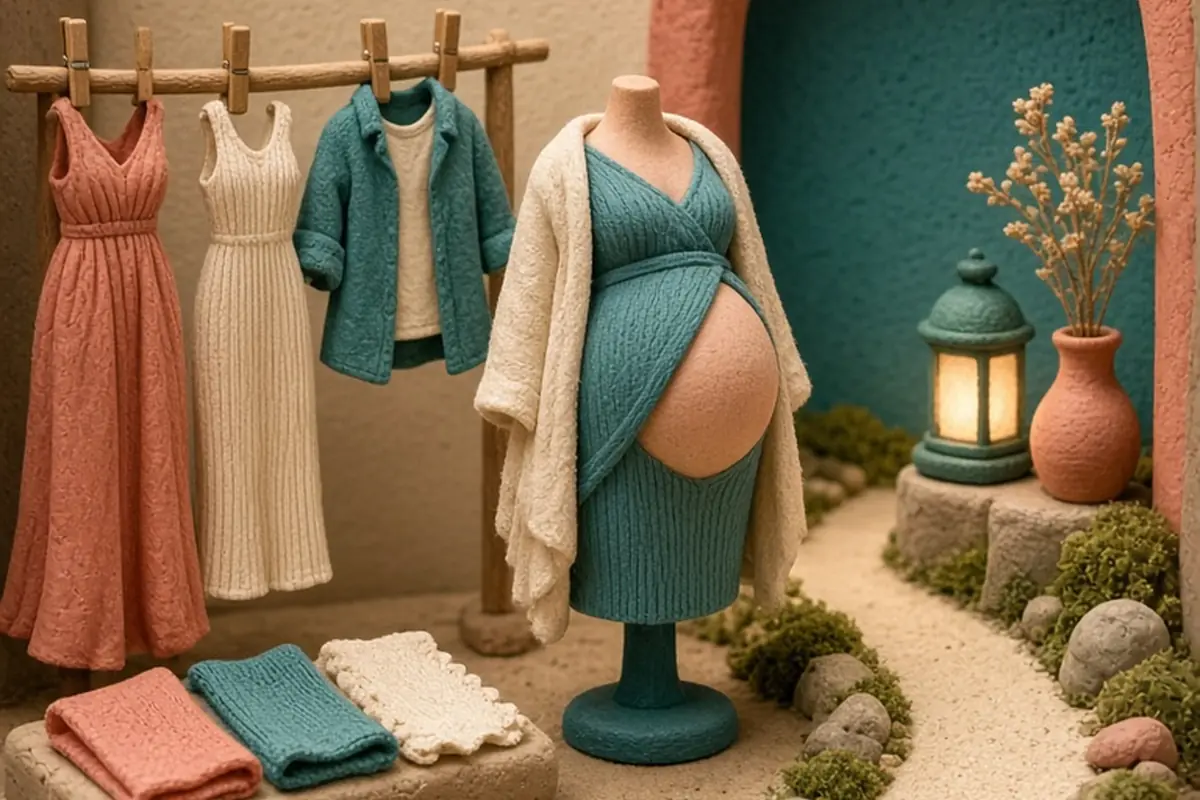
For a maternity shoot, choose clothing that emphasizes your bump while keeping you physically comfortable, such as a floor-length maxi dress, a fitted ribbed knit dress, or tailored separates with an open button-down shirt. Prioritize solid neutral tones, soft pastels, or rich jewel shades, and avoid busy prints. Pair your outfit with seamless, supportive undergarments and easy-to-remove flat shoes so you can move naturally throughout the session.
Planning an outfit for maternity portraits involves balancing rapid physical changes with personal style, especially when shifts in energy or joint comfort make routine wardrobe choices unpredictable. Taking a thoughtful approach to garment silhouette, fabric weight, and setting logistics helps you remain relaxed and centered in front of the camera.
Balancing Fitted and Flowing Silhouettes
The primary design decision for maternity photography is whether to highlight your shape with a body-contouring garment or create visual softness with a draped silhouette. Form-fitting dresses made from medium-weight ribbed knits, stretch jersey, or ponte fabrics follow the curvature of your torso and clarify the waist-to-hip transition. This clarity prevents the silhouette from appearing boxy or broad on camera, particularly during profile shots. If you prefer a fitted look, select an ankle-length or midi dress with substantial elasticity that supports your abdomen without pinching across the lower hem or neckline.
Conversely, flowing empire-waist and A-line gowns offer movement and an airy aesthetic that photographs beautifully in outdoor landscapes where the wind catches fabric. Dresses with tiers, sheer overlays, or gentle pleating provide dynamic motion when walking or turning. However, excessive volume can inadvertently hide the shape of your pregnancy if the material hangs straight down from the bust without definition. To counteract this, place your hands lightly above and below your bump during poses, or choose a design that gathers closely under the chest to delineate your torso clearly.
A useful middle path is layering a structured piece over a simple base. For example, pairing a snug tank dress with an unbuttoned lightweight linen duster, a relaxed cardigan, or a cropped utility jacket gives you the bump definition of a fitted style alongside the depth and movement of draped fabric. This modular setup also allows you to vary your gallery without undergoing a full wardrobe change.
Selecting Colors, Tones, and Visual Textures
Color choices establish the visual temperature of your gallery and directly affect how your skin appears against varied backdrops. Earthy neutrals, warm off-whites, taupe, camel, dusty rose, and muted sage green provide a timeless foundation that keeps the focus on emotional connection rather than competing patterns. While black creates an undeniably chic, editorial look, it can occasionally obscure the perimeter of your bump in dim lighting or against dark studio sets. If you choose black or deep navy, ensure your photographer utilizes side or rim lighting to delineate the edges of your shape.
High-contrast, intricate prints like small gingham, micro-stripes, or aggressive florals frequently cause optical distortion on digital camera sensors, known as moire, and tend to anchor an image to a specific fast-fashion trend. If you love pattern, select an organic, wide-spaced botanical or subtle watercolor motif that reads softly from a distance. Texture often serves as a superior alternative to print, delivering rich visual interest without distraction. Waffle weaves, ribbed stitching, delicate eyelet, slub linen, and brushed cashmere catch the light naturally and add tactile warmth to close-up frames.
Consider the final display destination of your portraits when finalizing your palette. If you intend to frame multiple prints in a living room featuring cool slate and warm wood, dressing in neon magenta or bright mustard yellow may create a visual clash in your home decor. Opting for complementary, desaturated tones ensures your framed albums and wall galleries integrate seamlessly into your living spaces for years to come.
Evaluating Fabric Weight and Climate Demands
Pregnancy alters internal temperature regulation, making breathable and moisture-wicking textiles essential for an extended photography session. Natural fibers such as cotton gauze, linen blends, modal, and lightweight wool allow airflow and adjust readily to shifting indoor and outdoor temperatures. Heavy synthetic fabrics like cheap polyester satins or non-breathable vinyls trap body heat, which can quickly induce flushing, discomfort, or sudden lightheadedness during long periods of standing.
Fabric weight also determines how a garment drapes across your changing curves. Thin, single-layer jersey clings to every seam and undergarment line, often requiring constant adjustment between poses to prevent bunching around the hips. In contrast, double-layered modal, mid-weight crinkle linen, or heavier stretch knits smooth effortlessly over the body, hanging with enough substance to maintain their shape regardless of how you step or sit.
Outdoor sessions require specific weather contingencies based on season and wind conditions. In cooler months, sheer tights or fleece-lined maternity leggings hidden beneath a long skirt provide critical warmth without altering your visible outfit. For summer shoots during the golden hour, pack an easily removable overshirt or light wrap to ward off unexpected evening breezes while keeping skin irritation from tall grasses at bay.
Prioritizing Foundation Garments and Undergarments
The overall impact of your maternity styling depends heavily on what you wear beneath your outer layer. Because breast tissue and ribcage circumference expand throughout pregnancy, wearing an unsupportive or improperly fitted bra can create noticeable indentations, strap digging, or uneven lines along your upper back. Invest in a smooth, seamless t-shirt bra or supportive wireless maternity bralette in a nude tone that matches your skin shade, ensuring that studio lights and camera flashes do not illuminate bright undergarment patterns.
Seamless maternity shaping shorts are an invaluable foundation piece beneath dresses. Unlike everyday shapewear designed for aggressive waist constriction, dedicated maternity shorts offer gentle, non-restrictive belly support while preventing inner-thigh chafing during movement. Furthermore, they eliminate visible panty lines and prevent static cling from pulling thin dress fabrics awkwardly between the legs when walking toward the lens.
Pay special attention to undergarment transitions if you plan to wear off-the-shoulder, strapless, or open-back styles. Strapless bras must feature wide silicone gripping bands to avoid slipping down a rounded torso, and adhesive cups should be tested beforehand to ensure skin sensitivity has not heightened during pregnancy. Packing clear straps, clothing tape, and extra nude underwear gives you immediate solutions for unexpected wardrobe shifts on set.
Tailoring Your Outfit to the Session Environment
The setting of your photo shoot dictates both practical wardrobe limitations and stylistic conventions. Studio portraits benefit from clean, minimalist styling that emphasizes posture and graphic lines. A monochromatic black bodysuit, a crisp white men's button-down left unbuttoned over a stretch bralette and relaxed trousers, or a sculptural column dress works exceptionally well against neutral paper backdrops. In an indoor studio, you can comfortably go barefoot, eliminating concerns over footwear pairings altogether.
In-home lifestyle sessions focus on intimacy and daily comfort, making formal evening gowns feel out of place. Instead, lean toward high-end loungewear, such as wide-leg knit pants paired with a soft cropped sweater, a cozy waffle-knit robe, or your favorite maternity denim worn unbuttoned at the top with a tucked camisole. These relaxed selections reflect the lived reality of preparing a home for a newborn, conveying warmth through familiar surroundings and soft textures.
Outdoor locations—such as open fields, coastal beaches, or wooded trails—require careful consideration of hem lengths and terrain. A floor-sweeping train looks striking on a bluff, but damp soil, burs, or ocean spray can quickly soil the fabric within the first ten minutes of shooting. For outdoor environments, choose a dress hem that hits at the ankle or slightly higher, and bring slip-on shoes for navigating uneven paths before swapping into your visual shoes at the exact portrait spot.
Coordinating Wardrobes for Partners and Family Members
When including a partner or older children in your session, aim for cohesive color harmony rather than identical matching outfits. Dressing an entire family in identical white shirts and khaki pants produces a dated, uniform look that flattens visual dimension in group compositions. Instead, select a cohesive three- to four-color palette derived from your primary outfit, distributing those tones across different family members through varying textures and cuts.
Start by finalizing your outfit first, as the pregnant person's physical comfort and silhouette represent the centerpiece of the shoot. Once your garment is decided, build your partner's wardrobe using complementary supporting tones. If you are wearing a soft cream knit dress, your partner might wear mid-tone olive chinos, a warm grey henley, or a textured oatmeal linen button-down. Avoid overly bold graphics, prominent corporate logos, and sharp micro-patterns on family members, as these elements draw the viewer's eye away from your face and bump.
Fabric weights among family members should feel logically paired. If you are wearing a light, breezy sundress, a partner dressed in a heavy tweed blazer or structured dark wool sweater will appear seasonally disconnected. Aim for comparable fabric densities, such as linen paired with cotton or soft knitwear paired with brushed twill, ensuring the overall portrait feels cohesive and naturally balanced.
Managing Footwear, Accessories, and Finishing Touches
Footwear during late pregnancy requires prioritizing safety, stability, and comfort over elevated style. Joint laxity and sudden foot swelling can make high, narrow heels uncomfortable or risky, particularly on soft grass, uneven gravel, or sandy shores. If you want added height, opt for a sturdy, low block heel, a platform espadrille, or a clean leather flat that provides broad ground contact. In many outdoor and studio contexts, bare feet or simple minimalist sandals look intentional, grounded, and timeless.
Keep accessories understated so they do not compete with the natural contours of your body or catch on delicate clothing fabrics. Dainty gold or silver chains, simple hoops, and classic heirloom rings add subtle polish without overwhelming close-up shots of hands resting on the abdomen. If you wear an Apple Watch or fitness tracker daily, remove it at least an hour before the session to prevent visible strap indentations on your wrist and avoid a modern digital screen disrupting an otherwise classic portrait.
Consider packing a small grooming and emergency touch-up kit to manage unexpected outfit adjustments during your shoot. A portable garment steamer can remove packing wrinkles in your car or dressing room, while a lint roller, safety pins, and fabric tape address minor fitting issues immediately. Packing a water bottle, a small snack, and a pair of comfortable slide sandals ensures your physical stamina stays steady throughout outfit transitions.
Illustrative Scenarios
Illustrative Scenario: Preparing for Dual Indoor and Outdoor Locations
An expectant parent planned a two-part maternity session featuring indoor lifestyle portraits in a rented natural-light studio followed by sunset shots in a nearby park. For the studio, she selected an unbuttoned cream linen shirt over a fitted ribbed tank and relaxed cotton trousers, allowing for easy, seated posing without restrictive seams. For the outdoor sunset portion, she brought a rust-colored maxi dress with an empire waist to catch the evening breeze, along with sturdy slip-on sneakers to wear while walking along dirt trails before stepping into flat leather mules for the final shots.
Key point: Splitting an outfit strategy by environment and bringing transition footwear prevents physical fatigue while providing both intimate, relaxed compositions and expressive, flowing outdoor portraits.
Frequently asked questions
What week of pregnancy is ideal for scheduling a maternity shoot?
Most people schedule maternity sessions between the 28th and 34th weeks of pregnancy. During this window, the belly displays a clear, rounded contour, but you generally retain enough physical energy and mobility to pose comfortably before late-third-trimester swelling sets in.
Can I wear jeans to a maternity photo shoot?
Yes, maternity jeans or your favorite regular jeans worn unbuttoned with a belly band can look stylish, casual, and modern. Pair them with a fitted crop top, a crisp white button-down, or a soft knit sweater to keep the outfit intentional rather than untidy.
Should I choose professional maternity gowns or regular clothing sized up?
Both options work well depending on your aesthetic goals. Dedicated maternity gowns are tailored specifically to accommodate a protruding abdomen without lifting unevenly at the front hem, whereas simply sizing up standard non-maternity garments can sometimes result in loose shoulders, gaping armholes, or an awkward drape across the chest.
How many outfit changes should I bring to my session?
Bringing two outfits—one casual or minimalist look and one slightly more formal or flowing option—provides visual variety without consuming excessive shooting time. Changing clothes more than twice often cuts into portrait time and can quickly drain your physical energy.
Your next step
Try on your complete outfit—including the exact underwear, bra, and shoes you plan to use—in natural daylight several days before your session to confirm you can sit, turn, and walk with total physical comfort.