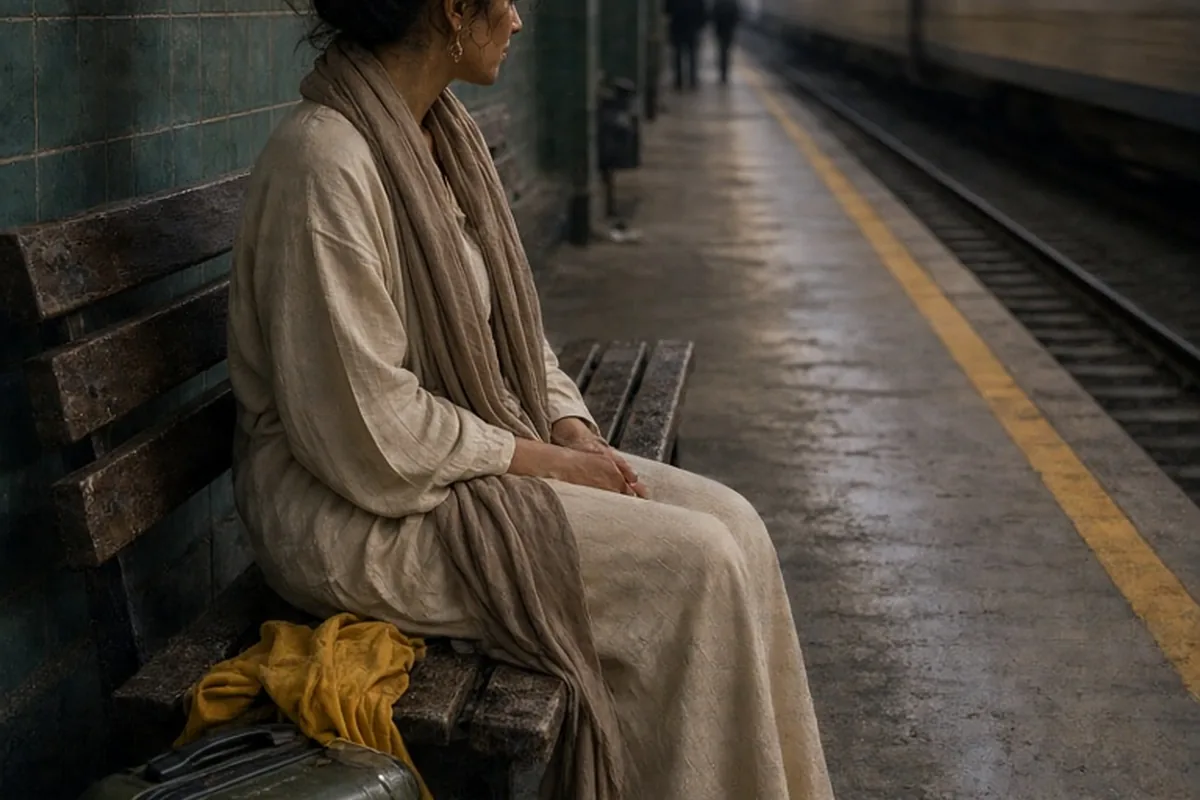
Women visiting Morocco should wear lightweight, loose-fitting clothing that covers the shoulders, chest, and knees. Breathable natural fabrics like linen and cotton work best for warm days, while a light jacket or shawl is essential for cooler evenings and air-conditioned spaces. Maxi dresses, wide-leg trousers, long tunics, and comfortable closed-toe walking shoes balance cultural respect with daily travel comfort across cities and rural regions.
Morocco blends rich North African and Islamic traditions with diverse geographical landscapes that range from breezy Atlantic coastal ports to arid desert dunes and dense urban medinas. Preparing your travel wardrobe requires balancing local modesty expectations with climate realities so you can explore comfortably, respectfully, and confidently.
Understanding Cultural Modesty and Regional Expectations
Morocco is a predominantly Muslim country where modesty in public spaces is an established social norm. While international travelers are not legally mandated to cover their hair or wear traditional garments, aligning your clothing choices with local customs demonstrates respect and eases daily interactions. Dressing conservatively generally means avoiding low-cut necklines, exposed midriffs, tight bodycon fits, and short hemlines that sit above the knee.
Regional differences significantly influence how strictly these social expectations are observed in practice. Cosmopolitan neighborhoods in Casablanca or modern resort districts in Marrakech often see a wider variety of Western attire, including sleeveless tops and shorter skirts on visitors. In contrast, historical medinas in Fes, mountain villages in the High Atlas, and religious heritage sites require much greater discretion. Choosing modest silhouettes throughout your trip ensures you never feel underdressed or self-conscious as you move between modern and traditional neighborhoods.
The trade-off between absolute personal freedom and social accommodation is a central consideration when packing. While tourists rarely face formal penalties for wearing revealing clothes in public streets, dressing modestly dramatically reduces uncomfortable staring and street commentary. It sets a respectful baseline that encourages warmer hospitality from local shopkeepers, families, and guides.
Core Wardrobe Essentials for Daily Sightseeing
A practical Moroccan travel wardrobe centers on loose, flowing garments that allow air circulation while maintaining full coverage. High-waisted, wide-leg trousers made from linen or lightweight cotton blends serve as the backbone of daily outfits. Pair these bottoms with relaxed button-down shirts, airy tunics, or short-sleeved tops that cover your collarbones and upper arms.
Midi and maxi dresses are equally effective choices, provided they feature higher necklines and at least short sleeve coverage. If you own sleeveless maxi dresses that you love, wear them with a lightweight cotton kimono, unbuttoned linen overshirt, or tailored lightweight cardigan. Culottes and tiered ankle-length skirts offer movement and breathability while navigating steep stone steps and crowded market corridors.
When assembling outfits, avoid thin, clingy synthetics that become transparent in bright sunlight. Instead, prioritize opaque weaves that drape away from the body. A simple combination of loose linen pants and an oversized cotton shirt protects your skin from the intense sun while keeping you significantly cooler than tight shorts and a tank top would.
Fabric Selection and Climate Adaptation
Moroccan weather fluctuates dramatically based on geography, elevation, and season. Summer temperatures in southern and inland cities can easily exceed one hundred degrees Fahrenheit, while winter in the Atlas Mountains brings freezing temperatures and snow. Selecting the right textiles directly determines how comfortably you tolerate these shifts throughout a single day.
Natural fibers are essential for warm-weather travel. Linen, 100% cotton, lightweight chambray, and breathable modal allow sweat to evaporate quickly without trapping heat against the skin. In contrast, polyester, nylon, and heavy denim trap humidity and retain odors, leading to rapid discomfort during long walking tours. One unavoidable trade-off with pure linen is its tendency to wrinkle during travel, but hanging items in a steamy bathroom or accepting a relaxed, lived-in texture easily solves this issue.
Even during scorching summer months, temperatures drop sharply once the sun sets, especially in desert or mountainous areas. Pack a mid-weight layer such as a denim jacket, structured utility jacket, or compact wool cardigan. For spring and autumn travel, bringing a packable down jacket or fleece pullover ensures you stay warm during chilly riad mornings and high-altitude road journeys.
The Strategic Value of Scarves and Sun Protection
A wide, lightweight scarf is the single most versatile accessory a woman can pack for Morocco. Carrying a cotton, modal, or pashmina scarf in your day bag allows you to instantly adapt to varying cultural environments. You can drape it over your bare shoulders when entering a more conservative district, wrap it around your chest if a shirt neckline feels too low, or use it to cover your hair if entering an accessible historic site.
Beyond cultural utility, a versatile scarf protects your neck and chest from harsh UV rays during midday walking tours. In windy conditions or during a desert excursion, wrapping a scarf around your face shields your mouth and nose from swirling dust and sand. Choose breathable, soft weaves in neutral or jewel tones that complement multiple outfits in your suitcase.
Sun safety should extend beyond fabric wraps. A wide-brimmed straw hat or canvas bucket hat provides essential shade for your face and scalp during open-air exploration of historic ruins and gardens. Pair this with high-SPF sunscreen and polarized sunglasses to manage the intense glare produced by whitewashed walls and polished tiled courtyards.
Footwear Choices for Historic Streets and Varied Terrain
Footwear in Morocco must prioritize support, grip, and durability over delicate aesthetics. Historic medinas like those in Fes and Marrakech feature centuries-old cobblestones, uneven flagstones, open drainage channels, and slick tiled inclines. Walking ten to fifteen thousand steps a day is standard, making proper shoe selection critical to avoiding foot fatigue or injury.
Supportive, breathable sneakers with cushioned rubber soles are the best option for full days of sightseeing. Leather walking sneakers or trail-ready lifestyle shoes protect your feet from street dust, animal waste, and rough paving. For warmer days, choose sturdy walking sandals that feature thick, supportive footbeds and secure ankle straps. Avoid thin, flat-soled flip-flops or open back slides for street walking, as they offer no arch support and expose your feet to dirty road surfaces.
Inside traditional riads and boutique guesthouses, custom often involves removing outdoor shoes or switching to indoor slippers. Slip-on mules, woven leather huaraches, or clean loafers make transitions at your accommodation seamless while maintaining an elevated, put-together appearance for dinner in the courtyard.
Specialized Outfits: Deserts, Coastal Ports, and Riad Pools
Packing for Morocco requires accommodating distinct mini-environments that call for specific clothing adjustments. If your itinerary includes an excursion into the Sahara Desert or Agafay Desert, you will need comfortable, durable long trousers for camel trekking. Sturdy linen pants, lightweight joggers, or relaxed cargo pants protect your inner legs from coarse saddle blankets and stirrup friction. Pair these with closed-toe shoes to prevent hot sand from filling your footwear.
Coastal destinations like Essaouira, Taghazout, and Asilah carry a relaxed Atlantic breeze and a prominent surf culture. The general dress code in these towns is noticeably more laid-back than inland imperial cities, but walking through the streets in swimwear alone is still culturally inappropriate. Throw a long caftan, buttoned shirt dress, or linen duster over your swimsuit when leaving the beach to enter cafes or shops.
Private riads and international resort hotels operate under private hospitality norms. You are entirely free to wear standard Western swimwear, including one-piece suits or bikinis, while sunbathing or swimming at private riad pools. However, keep a stylish robe, caftan, or linen cover-up nearby to put on whenever you walk through public hallways, reception lounges, or shared dining courtyards.
Navigating Attention and Maintaining Personal Comfort
Foreign travelers in Morocco, particularly women, frequently encounter verbal attention, catcalls, or persistent sales pitches in crowded market zones. While this attention is almost always non-violent and primarily rooted in tourism commerce, it can feel overwhelming if you are unprepared. What you wear plays a tangible role in how much unwanted attention you attract during solo or small-group outings.
Dressing in modest, loose-fitting clothing acts as an effective social buffer, signaling awareness of local culture and reducing unsolicited commentary. Wearing dark sunglasses also allows you to avoid unnecessary eye contact with pushy touts without seeming openly hostile. If street vendors or passersby become overly persistent, a calm, polite refusal, such as saying 'La, Shukran' (No, thank you) with a steady hand gesture, is usually sufficient to end the interaction.
Your clothing should ultimately give you the freedom to explore without constant self-adjustment or worry. When your outfits cover key areas, breathe easily, and stay comfortable across varied terrain, you can shift your attention away from self-consciousness and fully immerse yourself in Morocco's architecture, cuisine, and landscapes.
Illustrative Scenarios
Adjusting Daily Outfits in the Fes Medina
Elena arrived in Fes during late spring carrying mostly fitted tank tops, distressed denim shorts, and open slides. On her first morning walking through the narrow alleys of the ancient medina, she felt distinctly uncomfortable under continuous stares and found it difficult to browse market stalls without feeling exposed. Rather than staying frustrated in her riad, she visited a local garment stall and purchased an oversized linen tunic and a lightweight modal scarf. Draping the tunic over loose cotton trousers and wrapping the scarf over her shoulders instantly transformed her experience, allowing her to negotiate comfortably with artisans and explore historical madrasas with peace of mind.
Key point: Adapting your wardrobe to local cultural baselines relieves social tension and allows you to engage with historical spaces comfortably.
Layering for a Multi-Day Sahara Desert Excursion
Priya packed for a three-day excursion from Marrakech to Merzouga assuming the desert would remain sweltering around the clock. She planned to wear thin athletic leggings and flimsy sandals on her camel trek to the desert camp. During the ride, the rough camel saddle caused painful friction against her legs, and sand quickly filled her shoes. Furthermore, once night fell over the dunes, the temperature dropped to forty degrees Fahrenheit, leaving her shivering in her light sweater. Her guide provided an extra wool djellaba for warmth. For the remainder of her trip, Priya wore loose canvas trousers, wool socks, sturdy sneakers, and a layered fleece jacket.
Key point: Desert environments demand durable trousers for riding and heavy thermal layers to handle sharp post-sunset temperature drops.
Frequently asked questions
Do female tourists have to cover their hair with a hijab in Morocco?
No, female tourists are not required by law or custom to wear a hijab or cover their hair in public spaces. However, keeping a lightweight scarf in your bag is helpful for sun protection, dusty wind, or modesty when visiting accessible religious sites.
Can women wear shorts and tank tops in Moroccan cities?
While not illegal, wearing shorts and tank tops in public streets, historic medinas, and rural areas is culturally discouraged and tends to attract unwanted stares. If you wear shorts, aim for knee-length bermuda styles or culottes, and save tank tops for private riads and hotel pools.
What should women wear when visiting mosques in Morocco?
Most active mosques in Morocco are closed to non-Muslim visitors, with the prominent exception of the Hassan II Mosque in Casablanca. When visiting accessible mosques or religious monuments, women must wear loose clothing covering their wrists and ankles, along with a headscarf covering their hair.
Is it acceptable to wear a bikini at hotel pools in Morocco?
Yes, standard Western swimwear including bikinis is completely acceptable at private riad pools, resort grounds, and private beach clubs. You should simply put on a caftan, robe, or dress cover-up when walking through hotel lobbies, restaurants, and public corridors.
Your next step
Audit your packing list to ensure every outfit pairs loose, breathable natural fabrics with knee-to-shoulder coverage, and pack a versatile lightweight scarf in your day bag.