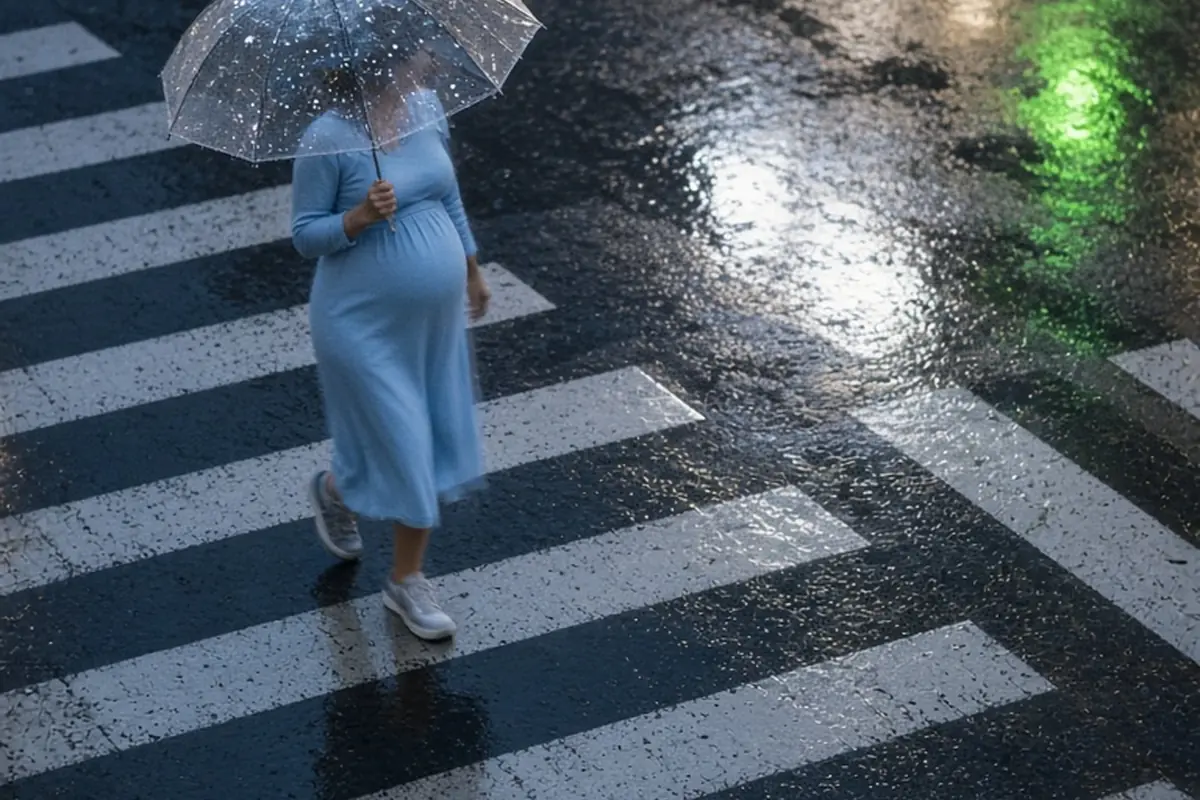
For a maternity photo shoot, wear form-fitting maxi dresses, wrap gowns, or stretchy knit dresses that define your bump while keeping you comfortable. Choose solid neutral tones, soft pastels, or earthy shades over busy prints so the focus stays on you. Pair these with supportive seamless undergarments and easy slip-on shoes to ensure you stay relaxed during poses and location transitions.
A maternity session captures a transformative milestone in your life, but deciding what to wear while your body is constantly changing can feel overwhelming. Balancing personal style with physical comfort ensures you look authentic on camera while feeling supported throughout the entire session.
Choosing Silhouettes That Emphasize Your Bump Naturally
The primary goal of maternity session styling is to celebrate your changing shape without restricting your movement. Form-fitting silhouettes like ribbed knit bodycon dresses or fitted jersey gowns are among the most dependable options because they clearly delineate the contours of your baby bump from your chest and hips. When fabric clings gently to your curves, your posture appears more defined in both standing and seated poses, preventing your silhouette from looking lost in excess fabric.
If you prefer a softer or more romantic aesthetic, empire-waist maxi dresses and structured wrap dresses offer an ideal balance. These cuts cinch directly beneath the bustline, which is typically the narrowest point of the torso during late pregnancy, allowing the skirt to cascade loosely over your lower belly and hips. For example, a floor-length chiffon dress with an elasticized empire seam gives you freedom to walk comfortably through outdoor fields while still creating a clearly defined bump when you place your hands above and below your stomach.
While voluminous smock dresses or oversized babydoll cuts may feel comfortable at home, they tend to hang straight down from the bustline on camera, hiding the bump entirely and adding unintended bulk to your profile. If you choose a looser silhouette, ensure it features an adjustable tie, belt, or defined seam beneath the chest so the camera captures the true shape of your pregnancy.
Picking Color Palettes That Complement Your Setting
Color sets the tone of your portraits and directly influences how well you stand out against your background. Solid neutral tones such as ivory, oatmeal, taupe, soft gray, and warm beige work seamlessly across almost any location, creating an airy and timeless aesthetic. Earthy tones like terracotta, sage green, dusty rose, and muted olive add subtle richness and depth without pulling attention away from your facial expressions and emotional connection.
Contrast is key when selecting a shade for a specific environment. For an outdoor session in a lush green park or forest, soft blush, cream, or light caramel will help you separate cleanly from the foliage, whereas a dark forest green dress might blend into the trees. Similarly, if your session takes place in an indoor studio with stark white walls, warmer hues such as sand, mocha, or soft rust prevent the overall image from looking washed out.
It is generally wise to avoid high-contrast micro-patterns, loud geometric prints, and bright fluorescent colors like neon pink, electric yellow, or bright coral. High-frequency patterns like tiny houndstooth or tight stripes can cause an optical distortion known as moiré in digital camera sensors, while neon shades reflect unnatural color casts onto your chin, neck, and chest under bright natural sunlight.
Prioritizing Undergarments and Base Layers
Undergarments serve as the foundation of your maternity outfit, determining whether your clothing drapes smoothly or creates visible lines. Seamless, nude-toned underwear and a smooth wireless maternity bra should be your default starting point for almost any outfit choice. Choosing undergarments that match your skin tone rather than the color of your dress prevents shadows and outlines from showing through lightweight, sheer, or white fabrics under bright studio lights or direct sunshine.
High-waisted maternity shapewear shorts designed specifically with a non-compressive belly panel are another practical addition. These shorts eliminate inner thigh chafing during outdoor walking, prevent clinging static electricity, and smooth out visible panty lines under tight knit dresses. Ensure the belly portion provides gentle, flexible support without compressing your stomach so that your bump retains its natural round shape.
When planning your shoot timeline, remember that tight elastic bands leave temporary indentations on your skin. If you plan to take unbuttoned-jeans portraits, open-shirt shots, or sheer fabric images, avoid wearing tight socks, restrictive bras with hard underwires, or tight waistbands for at least two hours before your session to ensure your skin is smooth and free of marks.
Selecting Fabrics for Comfort, Movement, and Weather
Your physical comfort during a photoshoot directly affects your facial expressions and posture. Fabrics with high stretch and breathability, such as modal, cotton-spandex blends, lightweight bamboo, and medium-weight ribbed knits, move with your body and accommodate swelling or temperature fluctuations during the shoot. Heavy, non-stretch synthetic textiles like thick polyester can trap heat and cause discomfort, especially during late-pregnancy photo sessions.
Movement adds dimension to still photography, making flowing fabrics such as silk blends, chiffon, and lightweight linen particularly effective for outdoor shoots. A light breeze can catch the train of a wrap dress or the hem of a maxi skirt, creating dynamic lines that bring energy to the frame. When shooting in colder seasons, layering a chunky knit cardigan, an open wool duster coat, or a soft cashmere wrap over a fitted base dress provides warmth between shots while adding tactile texture to the photos.
Consider the weight and transparency of the material in advance. Light fabrics can turn completely sheer when backlit by setting suns or high-output studio strobes. Check your outfit under strong light in front of a mirror at home, and layer an appropriate slip underneath if you notice any unwanted transparency.
Coordinating Wardrobes with Partners and Siblings
When family members join the maternity session, the goal is visual harmony rather than identical matching. Instead of everyone wearing matching white shirts and blue jeans, curate a cohesive color palette of two to three complementary tones distributed naturally across the group. For instance, if you are wearing a soft sage green dress, your partner can wear beige linen trousers with an oatmeal knit shirt, while an older child wears an off-white cotton romper.
Varying the textures among family members prevents the overall portrait from feeling flat or overly staged. Pairing denim with cable knits, chambray with linen, or waffle weave with smooth cotton creates depth and subtle separation between bodies when standing close together. Make sure family members also steer clear of large brand logos, character shirts, or distracting graphics that compete for visual attention.
Keep the formality level consistent across the group. If the mother is wearing an elegant floor-length chiffon gown, a partner in athletic sneakers and distressed cargo shorts will create an awkward visual disconnect. Ensure everyone dresses in a similar tier of dressiness, whether you opt for elevated casual or formal evening attire.
Adapting Outfits for Studio Versus Outdoor Sessions
The setting of your photoshoot plays a major role in determining which wardrobe choices are practical and visually effective. Outdoor sessions often require walking across varied terrain like sandy beaches, grassy parks, or unpaved trails during golden hour. In these settings, floor-length maxi dresses, earthy colors, and flat footwear like leather sandals or stylish ankle boots work best. Bringing a secondary pair of comfortable slip-on walking shoes allows you to navigate between shooting spots safely before changing into your photo shoes.
Studio maternity shoots, on the other hand, provide controlled lighting, climate control, and smooth flooring, opening up different styling opportunities. Indoor settings are ideal for minimalist concepts, such as an oversized white button-down shirt paired with maternity denim, structured blazers worn open over a fitted bandeau, or fine knit bodysuits with delicate robes. You can also easily shoot barefoot in a studio, which creates an intimate and grounded feel.
Be mindful of how environmental factors will interact with your clothing in each space. Outdoors, unpredictable wind can lift very wide skirts unexpectedly, while studio lights can accentuate lint or wrinkles on dark fabrics. Keep a lint roller, hair ties, and a lightweight robe in your bag to stay prepared for either environment.
Organizing Outfit Changes and Packing Shoot Essentials
Bringing two distinct outfits is an effective way to get variety out of a standard one-hour maternity session without exhausting yourself. A common and practical combination is starting with a casual, intimate look—such as fitted jeans, a simple tank top, and a cozy cardigan—and finishing with a more formal, floor-length gown. Limiting changes to two looks ensures you spend the majority of your allotted time shooting rather than changing in cramped portable restrooms or your car.
Packing an organized shoot bag reduces stress on the day of the session. Place each outfit on its own hanger inside a garment bag to prevent wrinkles during transit, and pack separate undergarments tailored to each specific outfit. Along with your clothing, pack practical comfort items such as a water bottle, a small towel to blot perspiration, touch-up makeup, safety pins, fashion tape, and a compact snack to keep your energy steady.
Plan your outfit transitions logically based on location and lighting. If your outdoor session coincides with sunset, wear your casual or walking-heavy look during the early portion of the shoot, and change into your sweeping gown just in time for the softest golden light near dusk.
Frequently asked questions
What week of pregnancy is best for a maternity shoot?
Most photographers recommend scheduling your session between 28 and 34 weeks of pregnancy. During this window, your baby bump is distinct and rounded, but you are typically comfortable enough to pose and move without significant physical fatigue.
Should I wear heels to my maternity photoshoot?
Low block heels or wedges can work well for studio sessions if you feel stable, but flat sandals, dressy flats, or stylish barefoot poses are generally safer and more comfortable. If you want heels for photos, wear comfortable slip-on shoes while walking between spots and only put the heels on for the actual shots.
How many outfits should I bring to a session?
Bringing two outfits is typically ideal for a standard one-hour photo session. This gives you a balance between a casual look and an elevated dressy style without cutting too deeply into your shooting time.
Can I wear non-maternity clothes for my maternity shoot?
Yes, many non-maternity items work well, particularly stretchy ribbed knit dresses, wrap dresses, and oversized button-down shirts. Just ensure that the fabric has enough elasticity to accommodate your bump without pulling the front hem up significantly higher than the back.
Your next step
Select two comfortable outfits that define your bump, match your undergarments to your skin tone, and pack a small bag with walking shoes and water so you feel relaxed and confident throughout your session.