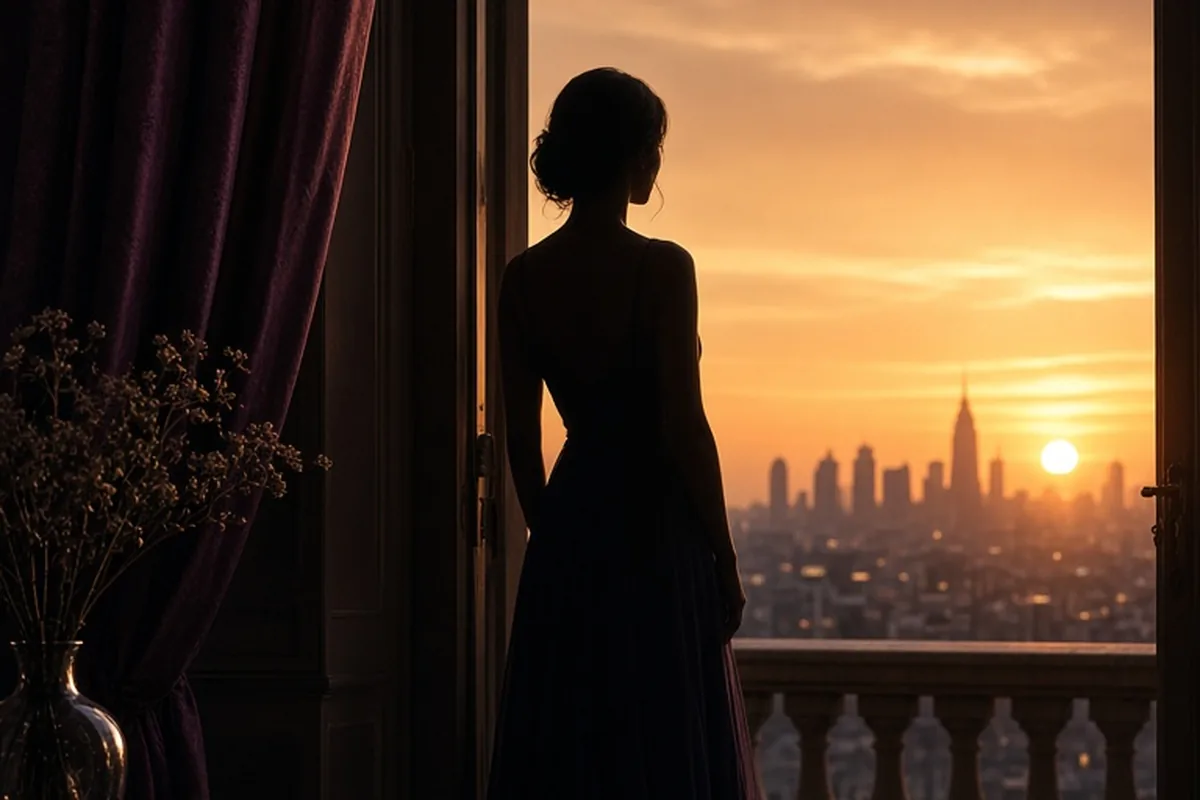
For most galas, women wear a floor-length evening gown paired with formal jewelry, elegant heels or dressy flats, and a structured clutch. If the invitation indicates black-tie optional or creative black tie, a formal ankle-length dress, an elevated cocktail midi made from rich fabrics, or a tailored luxury tuxedo suit also works exceptionally well depending on the venue and host organization.
Receiving an invitation to a charity ball, museum opening, or formal fundraising gala brings excitement alongside practical wardrobe questions. Navigating dress codes, silhouette choices, and footwear can feel daunting, but understanding the core expectations makes preparing straightforward and enjoyable.
Decoding Gala Dress Codes from White Tie to Black-Tie Optional
Galas usually specify a formal dress code on the invitation or event website, and understanding these categories is the most reliable way to choose an appropriate outfit. White tie is the most formal tier, demanding a full-length evening ballgown, fine jewelry, and an elevated hairstyle. Black tie, the most common gala standard, calls for a sophisticated floor-length gown, although very formal dressy separates or an upscale evening pantsuit can also work when styled with refined accessories.
When an invitation states black-tie optional or formal, guests have slightly more flexibility in hemline and structure. You can wear a traditional floor-length gown without feeling overdressed, or you can opt for an ankle-length dress, a structured tea-length dress, or a formal velvet or satin tailored suit. If the invitation indicates creative black tie or a themed gala, you are encouraged to incorporate bold colors, artistic textures, or theme-inspired accessories while preserving an elevated, black-tie foundation.
- White Tie: Traditional full-length formal ballgowns and fine jewelry.
- Black Tie: Classic floor-length evening gowns or high-end formal suiting.
- Black-Tie Optional: Floor-length gowns, formal midi dresses, or tailored evening separates.
- Creative Black Tie: Formal attire accented with bold palettes, statement jewelry, or thematic details.
Evaluating Gowns, Hemlines, and Formal Midi Dresses
The floor-length gown remains the classic choice for a gala because it matches the ceremonial tone of philanthropic and celebratory events. When shopping or selecting from your closet, look for hem lengths that brush the top of your shoes without dragging on the carpet or catching under your heels. A tailor can adjust the hemline according to the exact shoes you plan to wear, which prevents accidental tripping during standing receptions or dancing.
A formal midi or tea-length dress can be an acceptable alternative for black-tie optional events, provided the garment features formal construction and premium materials. A simple daytime cotton or jersey sundress is never appropriate for a gala, but a structured midi dress in brocade, jacquard, satin, or embroidered lace meets the formal threshold comfortably. If you choose a shorter hemline, balance the look with polished evening footwear, refined styling, and understated jewelry.
Modern Formal Suiting and Elegant Evening Jumpsuits
Dresses are not the only appropriate option for a women's gala outfit. A sharply tailored women's tuxedo or formal evening suit in velvet, silk-blend crepe, or satin can deliver a striking, sophisticated silhouette that fully adheres to black-tie standards. When styling an evening suit, look for jackets with satin peak lapels, tailored trousers that break cleanly over your shoes, and a refined silk camisole or button-up shirt underneath.
Formal jumpsuits designed specifically for evening wear offer another contemporary alternative. The key differentiator between a casual jumpsuit and a gala-appropriate jumpsuit lies in the fabric, cut, and architectural details. Wide-leg cuts crafted from heavyweight crepe, draped chiffon, or embellished bodice panels paired with pointed-toe formal pumps and bold earrings provide an elevated, comfortable look for a full evening of dinner and conversation.
Choosing Fabrics, Color Palettes, and Silhouettes
Fabric choice communicates formality instantly. Gala-appropriate materials include silk, velvet, satin, chiffon, organza, taffeta, crepe, and high-end metallic jacquards. These textiles hold their shape, drape gracefully in photographs, and catch event lighting cleanly. Avoid casual stretch knits, lightweight linen, unlined cotton, and informal denim blends, as these textiles cannot support the elevated atmosphere of a formal gala.
Color choices at galas range from timeless neutrals to rich jewel tones and soft pastels. Classic black, navy, emerald green, ruby red, sapphire blue, and deep plum are reliable choices across every season. White or off-white gowns are completely acceptable at charitable and corporate galas, provided the event is not a wedding-related benefit where bridal traditions apply. Metallic shades such as champagne, bronze, and silver also integrate seamlessly into formal ballroom settings.
Pairing Jewelry, Evening Handbags, and Comfortable Footwear
Accessories pull an evening ensemble together while letting you express personal taste. If your gown has an intricate neckline or heavy beading, opt for delicate drop earrings and a minimalist bracelet rather than an ornate necklace. Conversely, a clean, unembellished column gown pairs beautifully with a statement necklace or architectural chandelier earrings. Choose one or two focal points to avoid an overcrowded aesthetic.
Handbags should remain compact and refined. A structured evening clutch, metallic minaudière, or small satin pouch with a tuck-away chain holds your essential items without disrupting your outfit lines. For footwear, select shoes that combine formal finish with physical stability. Metallic strappy sandals, pointed-toe satin pumps, or embellished formal flats work well. Because galas involve standing during cocktail hours and walking across ballrooms, ensure your shoes are broken in before the event.
Planning Outerwear, Layers, and Grooming Details
Arriving at a gala requires outerwear that complements the formal nature of your dress. Casual puffer jackets, sporty windbreakers, or distressed denim jackets clash with formal attire. Instead, choose a tailored wool-cashmere overcoat, a faux-fur wrap, an evening cape, or a fine pashmina shawl that keeps you comfortable during transit and fits smoothly into venue coat check services.
Hair, makeup, and undergarments complete your gala preparation. Polished updos, sleek blowouts, and defined waves all work well depending on your outfit neckline. Test your undergarments and shapewear with your gown under bright light several days in advance to ensure smooth lines and no visible straps. Applying a long-wearing makeup look helps you feel fresh from the initial reception through the concluding program.
Illustrative Scenarios
Navigating a Black-Tie Optional Museum Gala
Elena received an invitation to an annual museum fundraiser marked black-tie optional. She initially worried that wearing an ankle-length navy velvet dress would make her appear underdressed compared to attendees in sweeping ballgowns. Rather than buying an unfamiliar silhouette at the last minute, she styled her velvet dress with metallic pointed pumps, statement gold earrings, and a matching satin clutch. When she arrived, she found a balanced mix of floor-length gowns and tailored formal separates, fitting in seamlessly.
Key point: Black-tie optional welcomes both floor-length gowns and elevated formal midis when they are crafted from rich, evening-appropriate textiles.
Choosing Suiting for a Corporate Charity Benefit
Jordan preferred structured tailoring over evening gowns but wondered if wearing a suit to a black-tie hospital gala would seem too casual or out of place. Instead of compromising her comfort, she selected a tailored black tuxedo suit with satin lapels, paired with a silk camisole, crystal drop earrings, and formal heels. Her ensemble was entirely appropriate for the black-tie standard while allowing her to feel confident and comfortable all evening.
Key point: A tailored women's tuxedo made from formal evening fabrics meets black-tie standards just as effectively as a traditional gown.
Frequently asked questions
Can I wear a short dress to a gala?
A casual or daytime mini dress is not suitable for a gala. However, a structured tea-length or formal midi dress made from luxury fabrics like brocade or satin works well for black-tie optional galas when styled with formal accessories.
Is it acceptable to wear flat shoes to a gala?
Yes, flat shoes are entirely acceptable if they feature an elevated evening design. Look for pointed-toe flats made from satin, velvet, or metallic leather with subtle embellishments, ensuring your gown hem is tailored to the flat shoe height.
Can I wear black to a charity gala?
Black is one of the most classic and widely worn colors at galas. It is versatile, photographs well in low event lighting, and pairs effortlessly with both minimalist and statement jewelry.
What kind of purse should I bring to a formal gala?
Bring a small evening clutch, beaded minaudière, or compact satin bag that fits essentials such as your phone, identification, and lip color. Avoid everyday totes, oversized shoulder bags, and daytime crossbodies.
Your next step
Check the exact dress code on your invitation, choose a silhouette in an elevated fabric that makes you feel confident, and tailor your hemline to your intended footwear ahead of time.