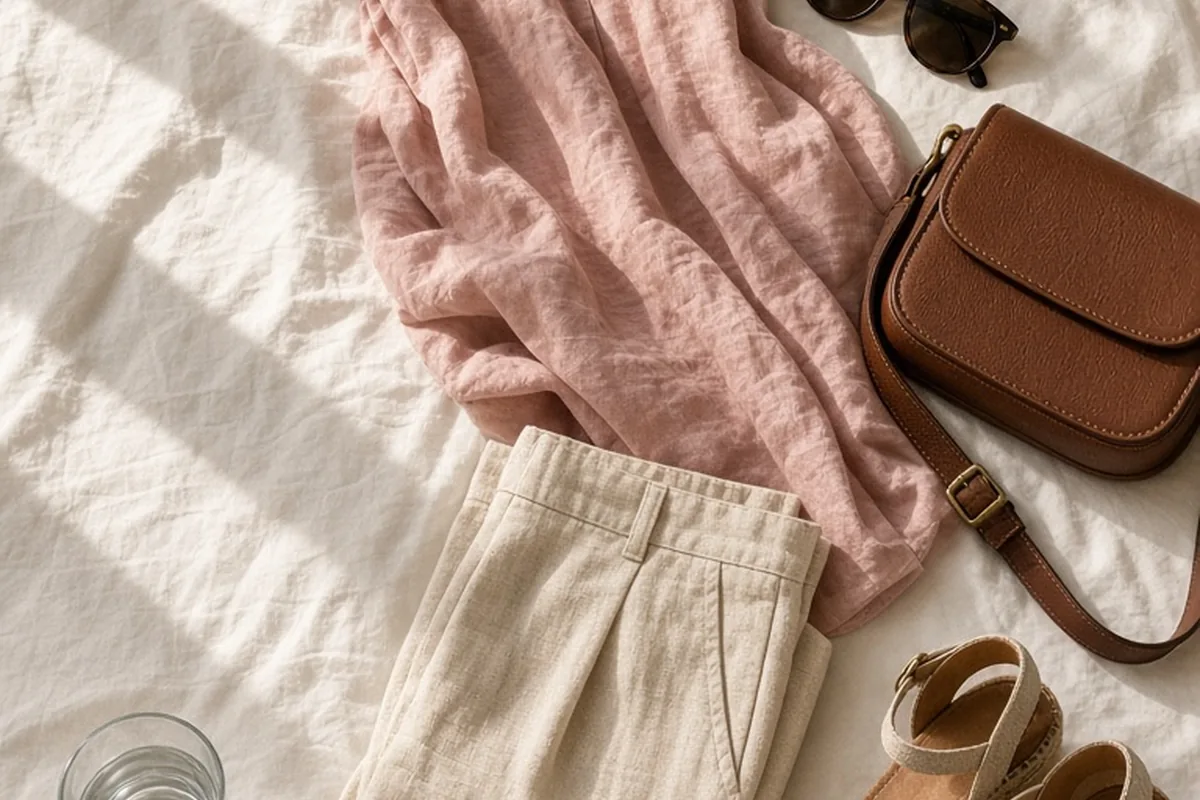
For a polo match, women typically wear smart daytime attire that blends relaxed elegance with practical outdoor functionality. Opt for a midi sundress, tailored linen jumpsuit, or chic trousers paired with a lightweight blouse. Because polo fields feature grass, uneven turf, and afternoon sun, choose block heels, wedges, or dressy flats instead of stilettos, and complete your outfit with a wide-brimmed sun hat, UV-blocking sunglasses, and breathable natural fabrics.
Attending a polo match brings together competitive equestrian sport, open-air socializing, and decades of traditional field style. Striking the right aesthetic requires balancing refined garden-party polish with the tactile realities of standing on grass, walking across expansive lawns, and braving midday sun.
Decoding the Polo Dress Code: Garden Sophistication Meets Field Reality
Polo style is often described as smart casual or garden party chic, but its character differs distinctly from horse racing events like the Kentucky Derby or Royal Ascot. Where race tracks encourage dramatic silhouettes, stiff tailoring, and towering millinery, polo matches favor effortless, relaxed luxury. The sport originated in outdoor club environments where spectators mingle along the sideboards, tailgate from vintage cars, or watch from shaded pavilion verandas. As a result, the dominant aesthetic leans toward lighthearted refinement rather than rigid formality.
Your choice of attire should account for the specific setting and ticket tier of the match you attend. A public club match with field-side tailgating calls for understated, breathable separates such as tailored shorts, crisp poplin shirts, or casual sundresses. In contrast, an invitation to an official sponsor pavilion, a high-goal tournament final, or a charity benefit demands upscale daytime tailoring, such as structured midi dresses or linen suits. Regardless of the enclosure, natural fibers like organic cotton, linen, silk blends, and chambray are foundational because they keep you cool under an exposed afternoon sun while projecting a clean, classic presentation.
Selecting Dresses, Jumpsuits, and Separates
When choosing a one-piece outfit, midi-length dresses and tailored jumpsuits offer the most dependable combination of style and ease. A breezy midi dress with an A-line skirt or a wrap front moves gracefully in outdoor breezes without blowing open unexpectedly. Florals, soft pastels, nautical stripes, gingham, and warm earth tones harmonize naturally with the lush green surroundings. If you prefer white or cream, a polo match is one of the few formal day events where head-to-toe white is warmly celebrated, echoing the crisp white breeches worn by the players on the field.
If dresses do not suit your personal style, sophisticated separates create an equally sharp, equestrian-inspired silhouette. High-waisted, wide-leg trousers in breathable linen or tencel paired with a tucked-in silk sleeveless top or a tailored vest offer modern confidence and exceptional comfort. Avoid overly tight bodycon dresses or stiff pencil skirts; these restrict movement when stepping over spectator ropes or sitting on picnic benches. Balance any relaxed lower half with a defined waistline to keep the overall outfit purposeful rather than informal.
- A floral tiered midi sundress paired with a neutral leather belt and woven handbag.
- Wide-leg cream linen trousers with a pastel silk halter top and tailored lightweight blazer.
- A cropped, sleeveless linen jumpsuit in olive, navy, or terracotta accessorized with gold jewelry.
- An eyelet cotton shirt dress cinched at the waist with a ribbon or braided belt.
Footwear for the Turf: Why Sole Choice Dictates Your Day
The single most common wardrobe miscalculation at a polo match is wearing thin stilettos. A polo field is a vast expanse of open turf, and spectators routinely walk directly across the grass to reach viewing stands, social tents, and food areas. Traditional high heels sink immediately into the sod, throwing off your posture, staining expensive leather with mud and grass juice, and creating genuine tripping hazards. Even if you plan to spend most of the day on an elevated VIP platform, navigating the grounds requires traversing outdoor paths.
The ideal footwear combines a broad ground-contact surface with refined craftsmanship. Wedge espadrilles, chunky block-heel sandals, elegant pointed-toe leather flats, and designer woven mules are the perennial standards of polo fashion. If your heart is set on adding height, choose a sturdy platform or stacked block heel no thinner than a silver dollar, or attach clear heel protectors to preserve stability. Prioritize broken-in shoes made from supple leather or woven canvas over brand-new synthetic footwear, as hot outdoor walking quickly exacerbates blisters.
Sun Protection and Accessories: Hats, Eyewear, and Bags
Because polo matches occur during the brightest hours of the afternoon with minimal shade outside of reserved tents, accessories serve as vital protective gear as well as style statements. For headwear, look toward wide-brimmed straw sun hats, classic Ecuadorian Panama hats, or structured boaters. Unlike the feather-heavy fascinators seen at horse tracks, polo millinery is grounded in sun protection and clean architectural lines. Ensure your hat fits securely against sudden field breezes, either through a subtle inner drawstring or an understated chin ribbon.
Eyewear should offer complete UV defense while complementing the proportion of your hat. Timeless tortoiseshell frames, classic aviators, or subtle cat-eye shapes provide understated sophistication that frames the face without overpowering your outfit. For carrying personal items, leave oversized office totes and delicate satin evening clutches at home. A structured crossbody bag, a top-handle woven wicker bag, or a compact leather saddle bag allows you to keep both hands free for a drink, a program, and socializing on the lawn.
Preparing for Divot Stomping and Field Etiquette
At halftime, spectators are invited onto the pitch for the traditional divot stomp, where guests walk the field to kick churned-up turf and soil back into place. This ritual is both a practical maintenance task for the horses' safety and the primary social centerpiece of the afternoon. People mingle, chat with acquaintances, and take full-length photos right in the center of the field. Being dressed in clothing and footwear that allows you to participate without hesitation ensures you enjoy the full experience.
Navigating this tradition smoothly requires keeping soil and grass care in mind. Long maxi dresses that drag on the lawn will collect dirt and moisture along the hemline, making midi or knee-skimming lengths far more practical. When stepping on turf, your shoes will make direct contact with dry dirt, freshly crushed grass, and occasionally uneven ground. Choosing shoes with durable, easily cleanable outsoles prevents post-match frustration while keeping you poised and mobile among the crowd.
Layering for Changing Weather and Afternoon Transitions
Outdoor matches frequently begin under intense afternoon heat and transition into chilly breezes as the sun dips below the tree line. Failing to prepare for this drop in temperature can leave you shivering in a sleeveless dress long before the trophy presentation or post-match celebration concludes. A thoughtful layering piece should complement the structure of your outfit while remaining easy to carry over your arm or draped across your shoulders during midday.
Unstructured linen blazers, draped cotton-silk wraps, or cropped denim jackets in clean, non-distressed washes work exceptionally well. If the forecast indicates brisk wind or overcast skies, a lightweight trench coat in stone or camel adds instant polish over a jumpsuit or dress. Avoid bulky winter outerwear or synthetic athletic hoodies, which break the cohesive daytime aesthetic of the event. Pack garments made from crease-resistant textiles or embrace natural linen crinkles, which carry an accepted, lived-in charm on the field.
Illustrative Scenarios
Navigating VIP Pavilion Expectations
Julianna was invited to join a corporate sponsor pavilion at a regional championship match. Anticipating a formal corporate environment, she initially planned to wear a black cocktail dress and four-inch needle-thin stilettos. Upon checking the venue details, she realized guests spent equal time on the lawn and at field-side cocktail tables. She adjusted her plan, choosing an ivory pleated midi dress paired with cognac leather block-heel sandals and a tan Panama hat. Julianna moved easily across the turf during the divot stomp, remained cool in the afternoon sun, and felt appropriately dressed among both clients and players.
Key point: Polo formality leans toward bright daytime elegance rather than evening glamor; practical footwear ensures full participation in field activities.
Adapting Personal Style to the Field
Marcus and his partner Priya were attending their first charity cup alongside friends who often wore busy floral sundresses. Priya felt uncomfortable in vibrant prints and worried that wearing trousers would appear underdressed. Instead of forcing an unfamiliar look, she chose a tailored navy linen suit with a soft ecru camisole, woven leather loafers, and gold hoop earrings. Her ensemble drew genuine compliments for its clean lines, proved exceptionally comfortable throughout five hours on the field, and gave her complete confidence during introductions.
Key point: Authentic personal style grounded in sharp tailoring and quality natural fabrics always outperforms forced trends at high-visibility sporting events.
Frequently asked questions
Can you wear jeans to a polo match?
Yes, but they should be clean, tailored, and styled with intention. Opt for white, cream, or dark-wash denim without rips or distressing, and pair them with an upscale blouse, tailored blazer, and leather loafers or wedges. Avoid faded, ultra-casual, or baggy denim, particularly in VIP or members enclosures.
Is it acceptable to wear white to a polo match?
White is widely considered one of the best and most classic colors to wear as a polo spectator. It reflects midday heat, complements the traditional white breeches of the players, and suits the bright, open lawn atmosphere. Just ensure fabrics are opaque and hemlines clear the ground to avoid turf stains.
Do you need to wear a hat to a polo match?
A hat is not mandatory, but it is highly recommended for both aesthetic tradition and sun protection. Broad-brim straw hats, fedoras, and boater hats are preferred over ornate racing fascinators. If you choose not to wear a hat, ensure you bring reliable sunglasses and sunscreen.
How does polo attire differ from Kentucky Derby attire?
Polo attire is substantially more relaxed, functional, and daytime-focused than Derby attire. While the Derby centers on extravagant headpieces, bright cocktail dresses, and statement heels, polo prioritizes breathable fabrics, practical ground-friendly shoes, and timeless, understated accessories suited for walking on turf.
Your next step
Check your match ticket enclosure level, select supportive block heels or wedges first, and build a breathable, sun-ready outfit around functional daytime pieces.