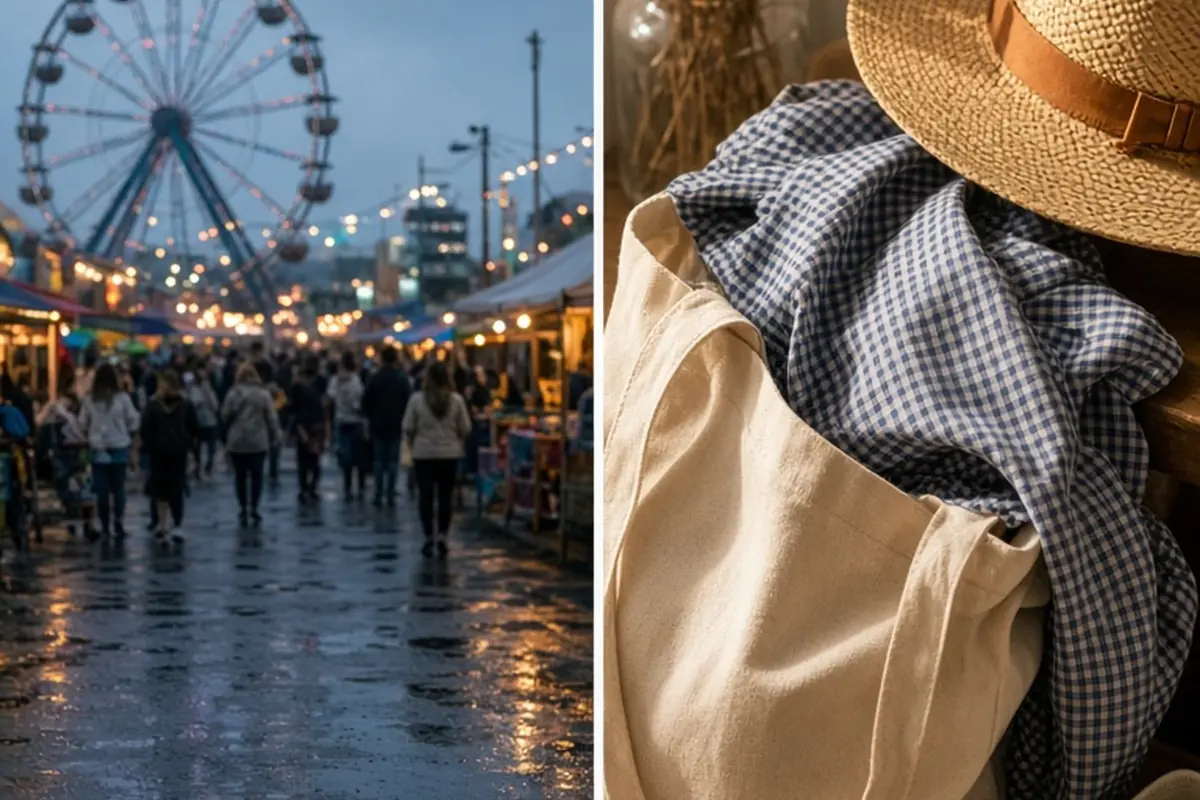
To dress for a fair, wear breathable, casual layers paired with broken-in, closed-toe shoes such as supportive sneakers or sturdy ankle boots. Pair comfortable denim shorts, relaxed jeans, or a casual dress layered over bike shorts with a cotton top. Bring a hands-free crossbody bag and a light jacket or flannel to handle evening temperature drops, dusty grounds, and active rides with ease.
Heading to a county or state fair offers a vibrant mix of carnival rides, livestock barns, deep-fried food stands, and dusty midway walks. Dressing well for the occasion requires striking a balance between personal style, all-day comfort, and practical readiness for shifting weather and active outdoor conditions.
Prioritizing Footwear for Miles of Walking and Dusty Grounds
The single most important decision in any fair outfit is your choice of footwear. Fairgrounds are expansive, often covering dozens of acres of mixed terrain that ranges from hot asphalt and uneven turf to gravel and sawdust-covered barn floors. Expect to walk several miles throughout the day and stand in long queues for attractions, rides, and food vendors. Open-toed sandals, flip-flops, and high heels quickly become liability risks because they expose your feet to grime, dropped food, and foot traffic, while offering little shock absorption.
Opt instead for broken-in retro sneakers, supportive athletic shoes, or flat leather ankle boots that protect your feet while keeping you comfortable. If you want a western-inspired aesthetic, classic cowboy boots are a popular fair staple, but only wear a pair that has already molded to your feet to prevent painful blisters. Pair your footwear with moisture-wicking socks to minimize friction and keep your feet cool during peak afternoon heat. A reliable pair of cushioned shoes allows you to enjoy every corner of the fair without cutting your visit short due to sore arches or bruised heels.
Selecting Bottoms That Balance Mobility, Warmth, and Comfort
Choosing bottoms for the fair requires thinking through how you will move during the day, whether climbing onto mechanical rides, sitting on metal bleachers, or squeezing into carnival game booths. Denim shorts are a classic, durable option, but pay attention to length and fit. Choosing a mid-rise or high-rise style with a three-to-four-inch inseam prevents chafing and keeps you covered when strapping into safety harnesses. If you prefer long pants, relaxed straight-leg jeans or lightweight linen-blend cargo trousers provide full leg protection from chilly breezes and dusty midway benches.
Dresses and skirts can look effortless and photogenic against the colorful midway backdrop, but they present unique practical trade-offs. If you choose a sundress or a tiered midi skirt, wear breathable bike shorts underneath. This combination prevents inner-thigh chafing during humid afternoons and avoids unintentional wardrobe malfunctions on windy rides like the Ferris wheel or spinning coasters. Rompers and jumpsuits offer a cohesive look, though keep in mind that navigating cramped portable restrooms in a one-piece garment can be frustrating.
Layering Tops to Handle Shifting Afternoon Heat and Evening Breezes
Fair weather rarely stays constant from afternoon arrival to the late-night firework display. Midday sun can make open fairgrounds feel scorching, while the evening air frequently turns brisk once the sun sets. The most reliable approach is starting with a breathable base layer made of natural fibers such as cotton, modal, or lightweight linen. A ribbed tank top, a classic white crewneck tee, or a vintage-inspired graphic t-shirt keeps you cool during the day while looking intentional and casual.
Bring along a versatile midweight layer that is easy to carry when not in use. An oversized denim jacket, a soft flannel shirt, or an open utility overshirt works well because you can tie it around your waist or drape it across your torso as an accessory during the warmest hours. Once the midway lights turn on and temperatures drop, putting that outer layer back on keeps you warm without requiring a trip back to your vehicle. Choose garments that resist wrinkling so your layer looks sharp when you slip it back on.
Choosing Hands-Free Bags and Packing Essential Fair Accessories
Navigating a fair involves holding food, playing midway games, and getting on and off rides, making hands-free bag options essential. Oversized shoulder bags and tote bags tend to slide off your arm and become cumbersome in crowded corridors. A medium-sized crossbody bag, a belt bag, or a compact mini-backpack provides enough secure storage for your daily essentials while leaving both hands completely open for turkey legs, game tickets, and ride handles.
Ensure your bag features sturdy zippers rather than open magnetic snaps so that your phone, wallet, and keys remain secure during high-speed rides. Inside your bag, pack practical accessories that make a long day outdoors far more pleasant: polarized sunglasses, a wide-brimmed straw hat or baseball cap for sun protection, a travel-sized sunscreen stick, and a pack of wet wipes or hand sanitizer. Fair food is notoriously messy, and access to running water for handwashing can sometimes involve long waits.
Styling for a Fair Date: Effortless Charm Without Overdressing
When attending a fair for a casual date, the goal is looking put-together and relaxed without appearing overly formal or high-maintenance. Overly structured clothing, delicate dry-clean-only fabrics, and restrictive silhouettes can create self-consciousness and limit your willingness to participate in spontaneous activities like riding the bumper cars or touring the animal barns. A confident, easygoing aesthetic shows that you are ready to have fun and enjoy the shared experience.
Consider pairing high-waisted denim with a flattering sweetheart-neckline top, simple gold jewelry, and clean leather sneakers, or opt for a casual floral mini dress paired with a cropped denim jacket and flat boots. This balance communicates effortless style while keeping you physically prepared for several hours of movement, walking, and standing close together in line. Prioritizing comfort helps you focus entirely on conversation and shared amusement rather than adjusting an uncooperative outfit.
Exploring Popular Fair Aesthetics: Americana, Western, and Retro Looks
State and county fairs naturally lend themselves to specific style themes that feel right at home among carnival tents and neon signs. The classic Americana look relies on timeless, hardworking staples: crisp white tees, vintage blue denim, bandana neckerchiefs, and classic canvas sneakers. This style is low-effort, universally flattering, and easy to adjust based on current weather conditions by swapping between shorts and jeans.
Another popular direction is modern Western style, which incorporates subtle rustic touches without turning into a costume. Pair a simple cotton sundress with a distressed leather belt and flat western ankle boots, or combine relaxed jeans with an embroidered button-down shirt. Retro 1970s and 1990s aesthetics also work remarkably well, utilizing colorful graphic tees, high-waisted flare pants, corduroy overshirts, and bucket hats. Pick an aesthetic that aligns with your regular personal style so you feel completely genuine throughout the day.
Adapting Your Outfit for Direct Sun, Sudden Rain, and Evening Dust
Fairgrounds are often situated in open fields with limited shade structures, exposing visitors to direct sunlight for hours at a time. Lighter colors like cream, beige, and soft pastels reflect solar heat better than dark navy or black garments, helping you stay visibly cooler under midday sun. However, pure white pants or long white dresses can quickly show dirt and dust kicked up from busy paths, so mid-tone colors and light denim often offer the best practical compromise.
Weather can shift unexpectedly during late summer and autumn fairs. Checking the local hourly forecast before leaving home helps you decide whether to stash a compact poncho in your bag or swap canvas shoes for water-resistant leather. If dust or dry conditions are expected, wearing a bandana around your neck gives you a quick, stylish way to shield your mouth and nose around livestock rings or dirt race tracks while serving as a colorful accessory for the rest of your day.
Illustrative Scenarios
Elena Adjusts Her Date Outfit for Practical Comfort
Elena was excited about an evening date at the annual state fair. Initially, she planned to wear a silk wrap dress and strappy heeled sandals. Realizing that the fairground featured uneven gravel paths, metal ride floorboards, and crowded food lines, she paused. Instead of risking ruined shoes and uncomfortable walking, she switched to a ribbed cotton tank, high-waisted vintage denim shorts, clean low-profile sneakers, and an oversized flannel tied around her waist. Her date suggested walking through the entire agricultural exhibit and riding the spinning coaster, and Elena participated comfortably for four hours without foot pain or wardrobe stress.
Key point: Swapping fragile fabrics and restrictive footwear for practical, flattering casual wear lets you fully engage in date activities without hesitation or physical discomfort.
Taylor Navigates a Full-Day Fair Outing with Smart Layering
Taylor planned an all-day fair trip with friends, arriving at noon under full sun and staying until the 10:00 PM grandstand concert. Her first thought was wearing a heavy fleece pullover to avoid carrying extra clothes later. Realizing that peak daytime heat would make a heavy sweater unbearable, she adjusted her strategy. She wore a lightweight cotton t-shirt with comfortable cargo shorts, wore a secure crossbody belt bag, and packed a lightweight denim jacket in her car trunk, grabbing it before sunset. When evening temperatures dropped fifteen degrees, she remained warm while her friends who brought no layers had to leave early.
Key point: Planning for temperature swings with portable layers ensures all-day comfort without overheating during peak afternoon sun.
Frequently asked questions
Can I wear a dress to a state or county fair?
Yes, dresses are great for staying cool and looking stylish at the fair. Opt for casual fabrics like cotton or linen, and wear breathable slip shorts or bike shorts underneath to prevent chafing and stay modest on breezy carnival rides.
What kind of bag is best to bring on fair rides?
A zippered crossbody bag or a compact belt bag is ideal. These styles stay secure against your body, keep your hands free for games and food, and prevent your phone or keys from falling out on moving attractions.
Are cowboy boots a good choice for walking the fairgrounds?
Cowboy boots can be a fantastic, stylish choice if they are thoroughly broken in and comfortable for several hours of continuous walking. Avoid wearing brand-new or high-heeled boots, which can cause severe blisters on hard asphalt and uneven gravel.
Your next step
Check today's hourly weather forecast, pick your most supportive broken-in shoes, and build a layered outfit around comfortable, durable fabrics that let you enjoy the fair all day long.