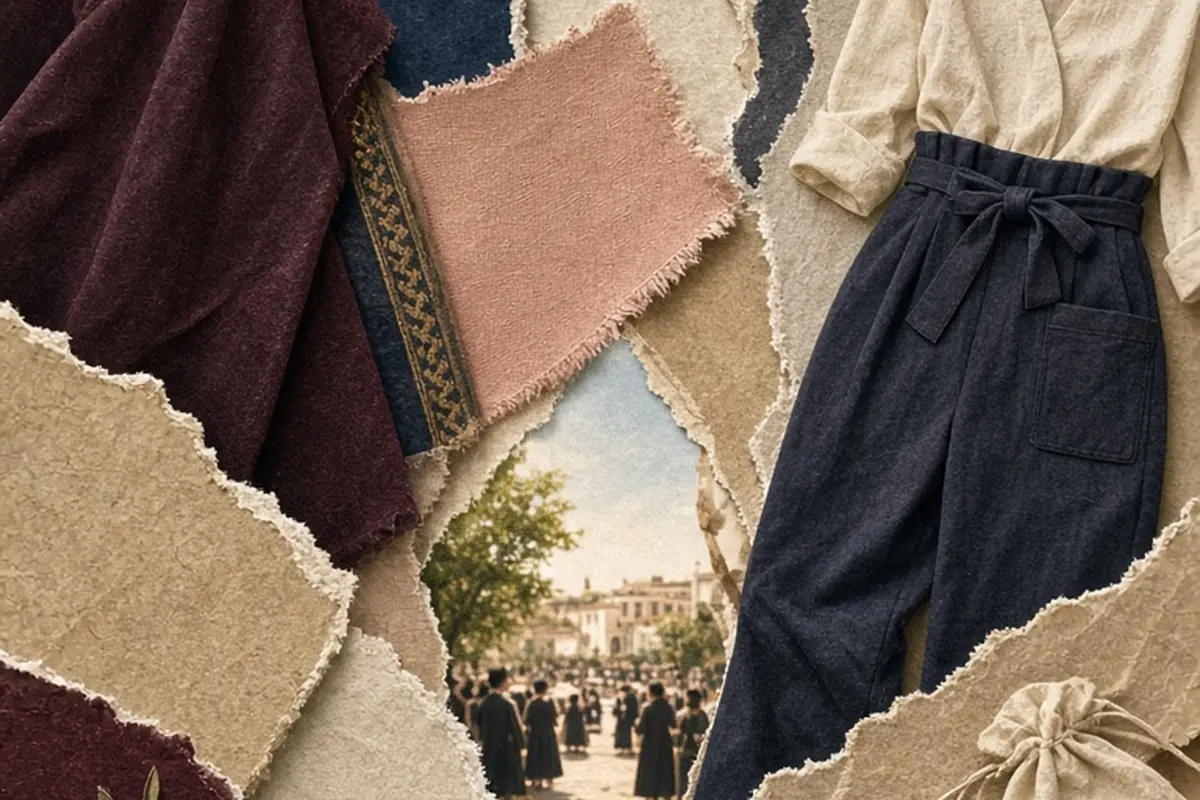
For most women, the best outfit under a graduation gown is a breathable knee-length dress, a tailored jumpsuit, or a blouse with lightweight trousers. Choose fabrics like cotton or linen blends to prevent overheating beneath synthetic robes. Keep hems shorter than the robe, opt for low or block heels for stage safety, and pick necklines that frame collar ribbons neatly.
Graduation ceremonies often involve hours of sitting in crowded auditoriums or standing under direct sunlight, followed immediately by celebratory meals and family photos. Balancing formal etiquette with climate control ensures you look polished across every setting.
Balancing Dress Hemlines with Gown Proportions
Academic robes follow strict, historical proportions that fall between the mid-calf and ankle. When an undergarment hangs unevenly beneath the hem of the robe, it breaks the silhouette and can look disorganized in formal walking processions. Choosing a dress or skirt that finishes two to three inches above the bottom of the gown creates a clean, uniform look where only your lower legs and footwear show while walking across the stage.
A floor-length maxi dress presents practical challenges as well. Extra yardage swishing around your ankles can tangle with the heavy polyester of the gown, creating a genuine trip hazard on temporary stage stairs. If you prefer longer lengths, opt for a midi cut with a straight or gently tapered pencil line rather than a voluminous circle skirt. A structured A-line or sheath dress falling around the knee allows complete freedom of movement during processionals without bunching beneath the zipper.
Managing Heat Under Synthetic Academic Regalia
Most standard graduation robes are manufactured from non-breathable polyester or synthetic satin blends. These fabrics trap body heat quickly, turning an un-airconditioned auditorium or an open-air football field into a sweltering environment within minutes. Wearing thick synthetics like polyester crepes or heavy jacquards underneath can lead to intense perspiration before you even take your seat.
Natural fibers and lightweight blends provide the most reliable comfort during extended ceremonies. Cotton lawn, lightweight linen blends, modal, and breathable silk allow airflow against the skin and dry quickly. If your ceremony takes place in an aggressively cooled indoor arena, bring a light wrap, cardigan, or blazer that you can wear during post-ceremony outdoor greetings, rather than wearing a heavy sweater beneath your robe that you cannot remove once seated.
Coordinating Necklines with Collars and Academic Hoods
Graduation gowns typically feature a low V-neck front or a high, pleated yoke. If you wear a top with an exaggerated cowl, thick ruffles, or an oversized collar, it will compete with the gown's neckline and twist during the processional. Simple V-neck, scoop, or sweetheart cuts sit comfortably below the gown's collarline, offering an uncluttered frame for honor cords, stoles, and institutional medals.
For graduates receiving master's or doctoral degrees, the academic hood introduces another layer of weight around the neck and chest. These hoods secure across the upper chest with a button-and-cord loop or safety pin. A structured collar, such as a tailored button-down shirt, provides a firm foundation to anchor the hood cord so it does not choke your throat. For collarless dresses, keep a small brass safety pin handy inside your pocket to anchor the front loop discreetly to your gown's zipper track.
Selecting Safe and Photogenic Footwear
Your shoes are the most prominent piece of personal clothing visible while your gown remains zipped. While towering stilettos may look striking in staged portraits, they present significant risks on commencement day. Graduates regularly traverse slick wooden stages, steep temporary ramps, concrete arena steps, and damp campus lawns. Stiletto heels easily punch through turf or slip on polished hardwood surfaces during the stage walk.
A supportive block heel, low slingback, dressy mule, or pointed-toe flat provides both dignity and physical stability. Block heels between one and two-and-a-half inches distribute your body weight evenly across grass and concrete, reducing foot fatigue during the mandatory hour-long lineup. If you select new shoes for the occasion, break them in around your home for several days beforehand with the hosiery or socks you plan to wear to avoid painful blisters midway through the roll call.
Pocket Practicality and Personal Bag Logistics
One major design flaw of standard rental robes is a lack of accessible pockets. Even gowns with side slits designed for pocket access rarely align cleanly with the pockets of your underlying skirt or trousers. Commencement venues increasingly enforce strict clear-bag policies, and you will almost certainly be forbidden from carrying a shoulder bag or clutch down the center aisle during the processional.
Choosing an undergarment with secure, built-in pockets allows you to discreetly store your phone, identification, car keys, and touch-up lipstick directly on your person. Tailored trousers or dresses with structured side pockets are ideal. Alternatively, wear a low-profile wristlet that can tuck flat against your ribs under the robe, or hand personal items to attending family members before entering the graduate staging area.
Wearing Tailored Trousers and Jumpsuits
Dresses are traditional, but modern tailored trousers and jumpsuits offer exceptional elegance and comfort under graduation regalia. A sharp pair of ankle-length cigarette pants or tailored wide-leg trousers in crepe or wool-blend fabric looks sophisticated peeking out beneath the hem of the robe. Jumpsuits with clean bodices prevent tops from coming untucked during repetitive standing, sitting, and reaching movements.
When choosing pants, pay close attention to the ankle break. Trousers that drag on the ground can catch on your heels as you climb stage steps. Aim for an ankle-length hem or have wide-leg trousers tailored specifically to the exact shoe height you will wear during the walk. Stick to neutral shades such as navy, black, ivory, or slate gray so dark gown fabric does not show noticeable color bleed or lint contrast in bright sunlight.
Transitioning Your Outfit for After-Ceremony Plans
The graduation ceremony is only the first phase of the day. Once the formal commencement concludes, graduates routinely discard their robes for celebratory family lunches, garden parties, or evening dinners. Your underlying outfit should stand on its own as a celebratory, occasion-worthy ensemble once the black polyester comes off.
Plan your outfit as a standalone look first, then verify that it fits smoothly beneath the robe. For example, a sleeveless linen sheath dress looks crisp and festive at an outdoor restaurant, but you may want a structured blazer waiting in your car or family member's bag to transition into evening reservations. Avoid choosing undergarments purely as invisible under-robe layers if you will be spending hours taking portraits without your regalia later in the afternoon.
Illustrative Scenarios
Outdoor Lawn Ceremony Preparation
Jordan initially planned to wear a floor-length chiffon maxi dress and three-inch thin heels for her morning outdoor university graduation. When the weather forecast indicated heavy humidity and an outdoor lawn setup, she realized the long skirt would drape past the gown hem and the heels would sink into the soft turf during the long walk to the podium. She shifted to a sleeveless cotton-blend midi dress with a neat boatneck collar and two-inch stacked block heels. She packed a lightweight tailored cardigan in her family's bag for the indoor restaurant meal.
Key point: Matching heel surface area and garment length to the actual ground conditions keeps you safe, stable, and comfortable throughout outdoor processionals.
Handling Academic Hood Pull
Taylor purchased a statement blouse with an elaborate ruffled neck to wear beneath her master's degree regalia, expecting the ruffles to add flair over the gown zipper. During the pre-ceremony staging line, the heavy velvet hood consistently tugged the blouse backwards, pulling the collar tightly against her throat and rumpling the ruffles under the honor cord. Taylor quickly tucked the ruffle inward and used two small brass safety pins to secure the inner lining of the hood directly to her gown facing.
Key point: Understated necklines prevent friction with heavy academic hoods, creating a smoother profile and preventing restrictive garment shifts.
Frequently asked questions
Do I have to wear a white dress under my graduation gown?
Wearing white is a popular tradition at many high schools and universities, but it is rarely mandatory unless specified by your institution's formal guidelines. If your gown is made of thin or white polyester, however, a light-colored or nude-undergarment dress prevents dark patterns from showing through the fabric.
How do I prevent my graduation gown from sliding backward off my shoulders?
Academic gowns often slip backward because the heavy pleating or velvet hood pulls weight toward the rear. Wearing a top with a structured collar or safety-pinning the inner shoulder seams of the gown to your outfit's bra straps or shoulder seams keeps the garment balanced.
What colors show through a white or light-colored graduation gown?
Bright prints, dark navy, black, and vibrant red fabrics can show distinctly through inexpensive white or pastel graduation gowns in direct outdoor sunlight. Under white gowns, choose nude-to-your-skin slips, ivory dresses, or neutral tones that match your natural skin shade closely to avoid high-contrast shadows.
Your next step
Try on your complete graduation outfit with your gown, planned shoes, and any honor cords at home this week to confirm the hemline remains hidden and the shoes remain comfortable on hard floors.