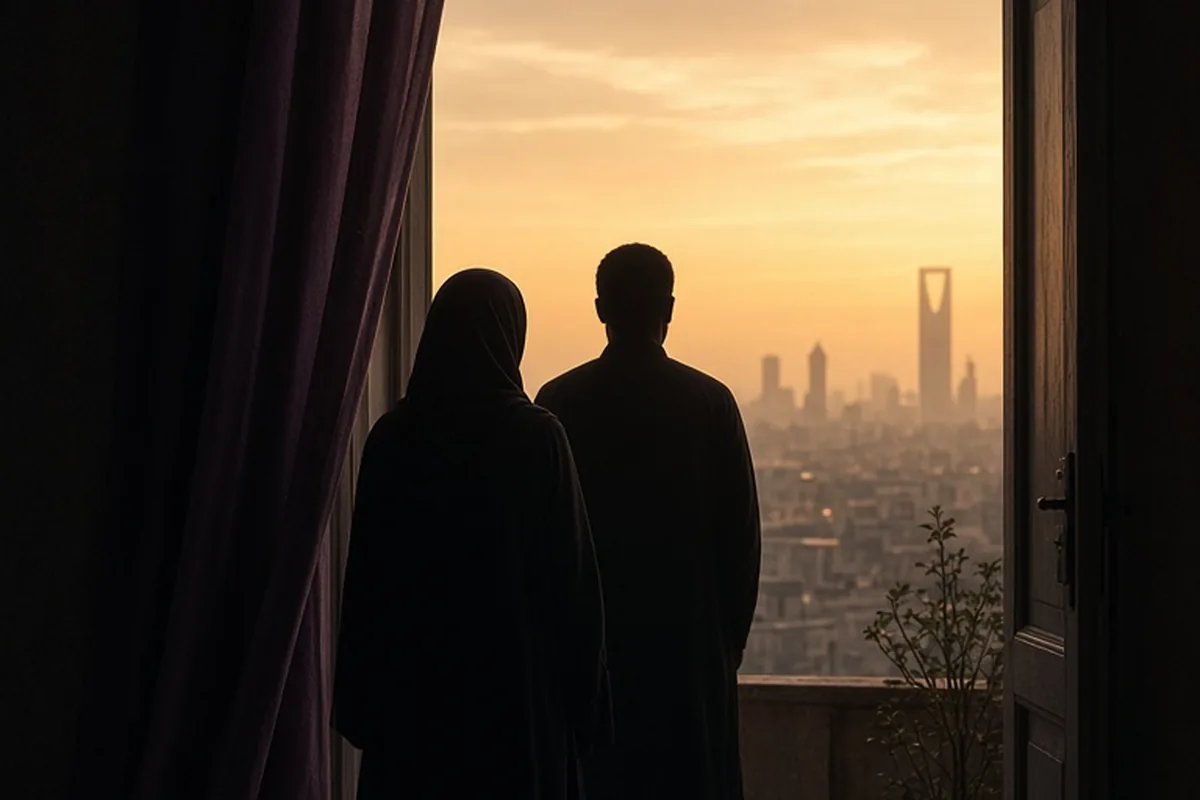
Women in Saudi Arabia wear a blend of traditional garments and modest modern clothing. While Saudi women often wear an abaya and headscarf by cultural or personal choice, female tourists and foreign residents are no longer legally required to wear an abaya or cover their hair in public. However, all women must follow public decency guidelines by dressing modestly, keeping shoulders and knees covered with loose, non-transparent attire.
Navigating clothing norms in a country undergoing rapid social reform can feel confusing, but understanding the balance between formal regulations and everyday cultural courtesy makes choosing an outfit straightforward and comfortable.
The Evolution of Saudi Public Decency Regulations
In recent years, Saudi Arabia introduced substantial legal reforms through its Vision 2030 initiative, which significantly altered the legal requirements for female attire. Historically, all women in public were mandated to wear a black abaya—a flowing, floor-length robe—and many local women wore a head covering known as a tarha or hijab. Under current public decency regulations, the legal mandate requiring foreign women and visitors to wear the abaya was formally lifted, replacing rigid uniformity with a standard of modest presentation.
While enforcement has shifted from religious authorities to civil municipal guidelines, public modesty remains an enforceable standard. The law requires both men and women to dress decently in public spaces, avoiding provocative, tight-fitting, or transparent garments. Understanding this distinction is essential: the absence of a strict uniform does not equal an informal dress code, and maintaining respectful coverage prevents unwanted attention or municipal fines.
What Local Saudi Women Wear in Everyday Life
Among Saudi citizens, clothing choices reflect a mixture of tradition, personal religious devotion, family customs, and regional culture. The abaya remains the most common daily outerwear for local women across major cities like Riyadh, Jeddah, and Dammam, but its modern expression has diversified considerably. Contemporary abayas come in linen, silk, and cotton blends, featuring earthy tones, pastels, patterns, and tailored kimono-style cuts alongside classic black.
Underneath open-front abayas, many Saudi women wear fashionable contemporary outfits ranging from tailored trousers and blouses to casual denim. In metropolitan business environments and creative hubs, some local women opt for modest Western professional attire without an abaya. Meanwhile, head coverings such as the shayla (scarf) and niqab (face veil) remain widespread by personal or familial choice, demonstrating that modesty remains culturally prized even as legal mandates have softened.
Modesty Standards for Visitors, Expats, and Travelers
For female tourists, expats, and business travelers, building a functional wardrobe involves selecting clothes that provide comfort in warm weather while maintaining conservative coverage. The foundational guideline is to ensure that your shoulders, chest, midriff, and knees are fully covered whenever you are in general public spaces, such as streets, shopping malls, public transport, and hotel lobbies.
Loose-fitting ankle-length pants, maxi skirts, midi dresses paired with leggings, and button-down shirts with three-quarter or full-length sleeves are dependable choices. You do not need to cover your head or wear an abaya unless entering active religious sites. However, many foreign travelers still choose to carry a lightweight open abaya or long duster cardigan, as it provides an effortless layer to slip on over casual Western clothes when moving between outdoor venues and formal indoor settings.
Dressing for Different Venues: Mosques, Malls, and Historic Quarters
Attire expectations vary depending on the specific environment you visit throughout the day. In high-end shopping centers, international restaurants, and contemporary art galleries in cities like Jeddah and Riyadh, you will see a cosmopolitan mix of open abayas, tailored pant suits, and modest casual wear. In these modern urban hubs, standards are relaxed as long as clothing fits loosely and covers the upper arms and knees.
Conversely, visiting historic quarters, traditional souks, or conservative regional towns warrants a more deliberate approach toward modesty. If you are entering a mosque that welcomes non-Muslim visitors, strict religious dress codes apply: women must wear a loose, opaque abaya or full-length gown with long sleeves, accompanied by a headscarf that completely covers the hair. Keeping a lightweight scarf in your day bag ensures you can quickly adapt to the etiquette of sacred or traditional sites without inconvenience.
Private Compounds, Luxury Resorts, and Coastal Areas
The social setting dictates the dress code, creating a distinct boundary between public streets and private or international spaces. Gated residential compounds, private beach clubs along the Red Sea, luxury desert resorts in destinations like AlUla, and international hotel pools operate under much more relaxed norms. In these enclosed environments, international swimwear, sleeveless tops, and athletic shorts are standard.
The trade-off lies in knowing where private property ends and public space begins. While a two-piece swimsuit or sundress is appropriate at a private resort beach or pool deck, walking through the main hotel lobby, adjacent public promenades, or nearby heritage areas requires throwing on a full-coverage cover-up or lightweight linen trousers and a shirt. Keeping this contextual transition in mind prevents awkward misunderstandings.
Fabrics, Climate Considerations, and Practical Packing
Saudi Arabia experiences intense summer heat with temperatures frequently exceeding 100 degrees Fahrenheit, juxtaposed with aggressive indoor air conditioning and cooler desert winter evenings. Choosing the right fabric is just as important as choosing the right cut. Synthetic fabrics like polyester trap heat and cause discomfort, making natural, breathable textiles such as linen, modal, lightweight cotton, and bamboo the best choices for layered modesty.
Footwear should prioritize practicality and comfort. Because many historical sites feature uneven flagstones and modern developments involve extensive walking, cushioned flats, supportive walking sandals, and clean sneakers are standard. High heels are common at upscale evening dinners, but comfortable flat or low-wedge shoes will serve you best during daily sightseeing and city transit.
Navigating Social Nuances and Partner Travel Comfort
When traveling as a couple or in mixed groups, coordinating your understanding of regional expectations fosters mutual confidence and eliminates unnecessary hesitation. Men should also note that public decency rules apply equally to them: sleeveless tank tops and shorts above the knee are generally discouraged in public municipal spaces and upscale venues. Aligning on respectful baseline attire allows both partners to focus on their travel experience rather than worrying about standing out.
If you accidentally misjudge a dress code or find yourself feeling underdressed in a specific venue, local hospitality typically handles it with discretion rather than hostility. Staff at certain cultural sites or government buildings may offer a disposable or loaner abaya, or politely inform you of required adjustments. Responding with grace, accepting guidance, and making the quick adjustment keeps interactions positive and relaxed.
Illustrative Scenarios
Clarifying Wardrobe Expectations for a Business and Sightseeing Trip
Elena was preparing for a ten-day trip to Riyadh and AlUla, balancing corporate meetings with heritage sightseeing. Unsure about current enforcement, she initially packed only heavy, dark abayas and high-necked formal suits, fearing she might inadvertently violate local laws. Upon arrival at her hotel and business meetings, she observed international colleagues wearing tailored ankle trousers, breathable linen blazers, and fashionable colorful dusters. Elena adapted by using her lightweight scarf and open-front linen layers over her business shirts, staying cool in the midday heat while remaining completely aligned with local professional standards.
Key point: Modern modest dressing in Saudi Arabia relies on loose, breathable layers rather than heavy traditional coverings, providing both comfort and cultural alignment.
Navigating Venue Transitions During a Weekend in Jeddah
Marcus and his partner Maya spent a weekend exploring Jeddah, moving between a private beach resort, a historic walking tour in Al-Balad, and a contemporary waterfront restaurant. Maya was initially anxious about whether she needed to wear a headscarf at all times. After checking the venue guidelines, she wore standard swimwear inside the private resort beach, put on a loose cotton midi dress with a lightweight denim jacket for the waterfront dinner, and used an open abaya over her outfit when exploring the older souks. This venue-by-venue approach kept her comfortable and culturally respectful without unnecessary stress.
Key point: Dressing in Saudi Arabia is context-dependent; having versatile layering pieces allows you to transition smoothly between private leisure spots and traditional public neighborhoods.
Frequently asked questions
Is a headscarf mandatory for foreign women in Saudi Arabia?
No, foreign female visitors and residents are not legally required to wear a headscarf in general public spaces. You only need to cover your hair when entering active mosques or designated religious heritage sites.
Can women wear jeans and short sleeves in public?
Women can wear loose-fitting jeans paired with tops that cover the shoulders and upper arms. Tight skinny jeans and sleeveless tops are discouraged in general public areas, so pairing pants with longer, relaxed-fit shirts is recommended.
Are foreign women required to buy an abaya upon arrival?
Purchasing an abaya is entirely optional for foreign travelers. While not legally required, many visitors choose to buy a lightweight, stylish open abaya as a convenient layering piece for quick modesty over standard Western clothing.
What happens if clothing does not meet the public decency standard?
In most casual situations, security personnel or venue staff will simply inform you of the policy or ask you to cover up before entering. Formal citations under the Public Decency Charter are possible for extreme or intentional non-compliance, but polite adherence to basic modesty prevents issues.
Your next step
Review your planned itinerary to pack loose-fitting, breathable natural fabrics with knee and shoulder coverage, and keep a versatile lightweight layer on hand for smooth transitions between venues.