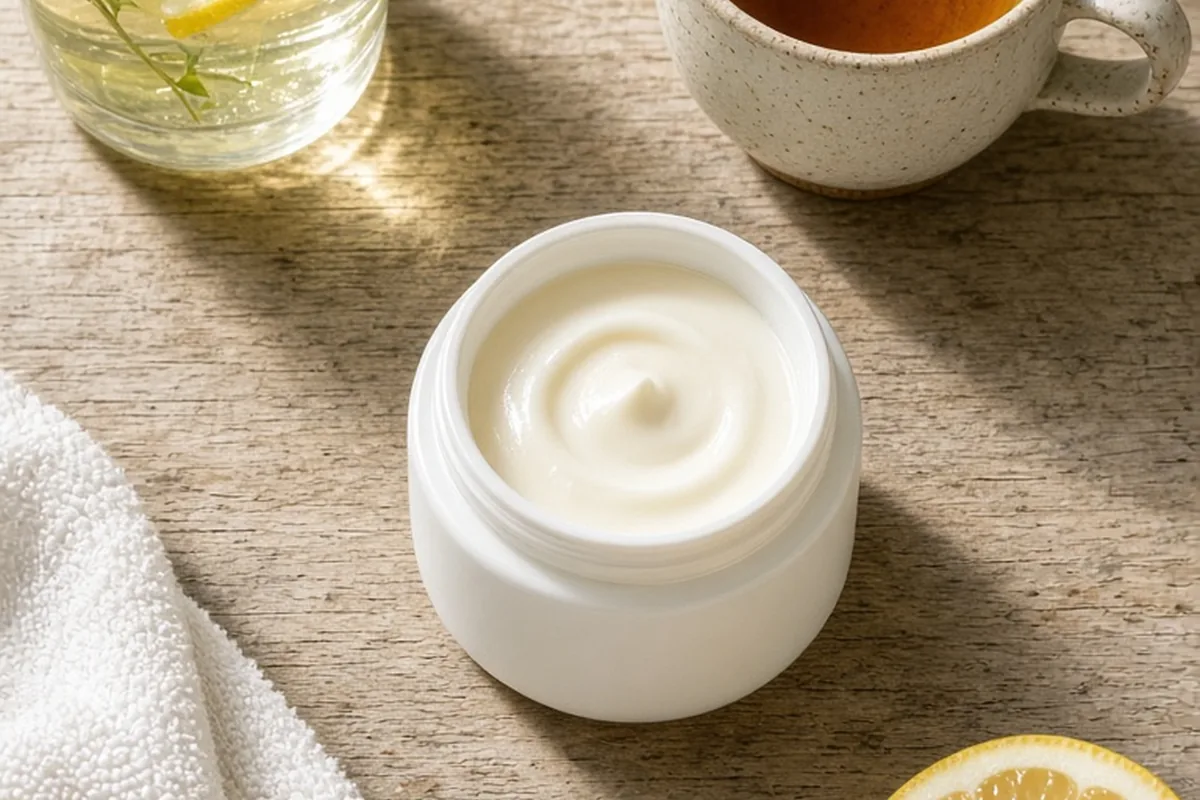
The What's My Age Again moisturizer is a targeted hydration cream designed to support skin elasticity, soften fine lines, and replenish moisture across the face and neck. Typically formulated with humectants, plant oils, and barrier-supportive ingredients, it works best when applied to slightly damp skin after lighter serums, locking in hydration without disrupting your existing daily skincare routine.
Finding a daily moisturizer that delivers reliable hydration without clogging pores or feeling greasy can involve frustrating trial and error. Understanding how this specific formula behaves on different skin types helps you decide whether it fits your daily routine and budget.
The Core Purpose and Formulation Profile
Skincare formulas named What's My Age Again, notably popularized by beauty brands like Truly Beauty, focus primarily on smoothing, firming, and deep hydration. Originally conceptualized to address common signs of dryness, fine surface creasing, and loss of bounce around the neck, décolletage, and face, the cream functions as an occlusive and emollient barrier seal. Its primary task is not to magically halt cellular aging, but rather to saturate parched layers of the epidermis with water-binding agents while sealing in that moisture with rich emollients.
Because the formula generally leans richer than lightweight morning gel-creams, it is engineered for individuals noticing environmental dehydration, texture changes, or seasonal tightness. For example, anyone who spends long hours in air-conditioned offices or dry winter air often experiences compromised moisture barriers that make fine lines look more pronounced. Using an emollient cream like this restores superficial plumpness, giving skin a softer feel and a more luminous, rested finish without requiring complicated multi-step masking rituals.
Key Ingredient Mechanisms and Barrier Support
The effectiveness of firming moisturizers lies in the balance between water-attracting humectants and lipid-rich protective compounds. Formulas in this category frequently incorporate ingredients such as hyaluronic acid, glycerin, botanical oils, and collagen-supportive peptides or mild resurfacing botanicals. Hyaluronic acid and glycerin pull ambient water into the top layers of skin, providing an immediate visual swelling effect that smooths the surface. Meanwhile, plant butters and seed oils form a breathable, non-stripping shield that minimizes transepidermal water loss over several hours.
While marketing descriptions often emphasize age-defying outcomes, it is helpful to view these ingredients through the lens of barrier maintenance. Healthy lipid layers keep irritants out and vital hydration in, which inherently allows skin to repair itself more smoothly. However, rich emollient bases can sometimes feel heavy or potentially occlusive on congestion-prone complexions. If a formula contains natural fragrance or essential extracts, users with reactive skin should keep in mind that botanical aromatics can occasionally trigger transient redness, making ingredient awareness a sensible first step before purchasing.
Assessing Texture and Skin Type Compatibility
Texture plays a decisive role in whether a moisturizer becomes a staple or sits unused on a bathroom shelf. What's My Age Again moisturizers typically present as a dense, velvety cream or whipped butter rather than a runny lotion. Upon initial application, the product feels substantial, offering significant slip that allows for gentle upward massage over delicate neck contours. Within several minutes, a well-formulated batch should settle into a supple, dewy finish rather than leaving a sticky, resinous film.
This dense consistency means the cream is exceptionally well-suited for normal, dry, and mature skin profiles that absorb lipid-heavy bases rapidly. Conversely, individuals with active acne, oily T-zones, or a history of closed comedones may find the emollient richness overwhelming for daytime facial wear. For example, someone with combination skin might choose to apply this moisturizer exclusively to their neck and dry cheek areas while sticking to an oil-free fluid on their forehead and chin, thereby preventing midday shine while still treating areas prone to dehydration.
Step-by-Step Integration into Daily Skincare Routines
Applying a restorative moisturizer correctly ensures you gain maximum hydration without pill-like residue or diminished product absorption. The optimal window for application is immediately after cleansing or toning while the skin remains visibly damp. Applying humectant-rich creams to dry skin limits their ability to trap surface moisture, whereas spreading them over damp skin locks in residual water droplets. If you use targeted treatments like vitamin C, niacinamide, or gentle exfoliating toners, always allow those lighter water-based fluids to absorb for sixty seconds before smoothing on the cream.
To apply, warm a dime-sized dollop between your fingertips to soften the emollient waxes, then press gently onto the lower neck and sweep upward toward the jawline using light, rhythmic strokes. Continue pressing any remaining product over the cheeks and temples, avoiding the immediate lash line where heavy creams can migrate and cause puffiness. During daytime routines, always follow this step with a broad-spectrum sunscreen, as hydrating creams lack ultraviolet filters and cannot defend against sun-induced collagen degradation on their own.
Managing Sensitivity and Patch-Testing Practices
Introducing any richly scented or botanical-heavy product warrants a cautious, measured approach, especially if your skin reacts quickly to new cosmetics. Specialty lifestyle skincare products sometimes feature fruit extracts, floral waters, or natural colorants to enhance sensory appeal. While these additives create an enjoyable, spa-like ritual, they also introduce potential allergens that can cause contact dermatitis or minor inflammatory bumps on sensitive skin.
Performing a standard patch test minimizes the risk of widespread facial irritation. Smooth a pea-sized amount onto the inner wrist or behind the earlobe once daily for three consecutive days. If no itching, flaking, or stinging develops, test a small patch along the jawline before applying the cream across the entire face and throat. If you observe any persistent heat or blotchiness, rinse the area with cool water, discontinue use, and return to a fragrance-free, minimalist moisturizer to help calm the skin barrier.
Setting Realistic Timelines and Everyday Expectations
Skincare packaging frequently promises dramatic transformations, yet noticeable physiological changes in the skin require consistency and patience. In the short term—often within the first hour of application—users will notice a tangible improvement in skin softness, dewiness, and superficial plumpness due to immediate surface rehydration. Dry, crepey patches on the neck usually look significantly calmer simply because water loss has been temporarily halted by the cream's emollient shield.
However, true structural improvements in firmness or deeper crease reduction depend on skin cell turnover cycles, which typically span four to eight weeks. No topical over-the-counter moisturizer can replace professional dermatological procedures or eradicate structural laxity caused by gravity and natural aging. Framing your expectations around healthy barrier comfort, lasting softness, and preventive moisture retention keeps your routine grounded in tangible, daily benefits rather than unattainable cosmetic promises.
Value, Product Lifespan, and Practical Alternatives
Evaluating whether a premium novelty moisturizer fits your regular grooming budget requires looking at consumption rate and ingredient concentration. Rich creams that come in wide-mouth jars tend to be used generously, meaning a standard two-ounce container might only last six to eight weeks if applied across the face, neck, and chest daily. Additionally, exposure to air and fingertips in open jars can gradually degrade active botanicals, making clean spatula use or pump packaging a practical consideration for hygiene and shelf life.
If you love the nourishing feel of this style of cream but find the price point or fragranced formula unsuitable for everyday maintenance, several functional alternatives exist. Basic barrier creams containing ceramides, colloidal oatmeal, and shea butter can provide comparable moisture-sealing benefits at a fraction of the cost. You can also customize a simpler, fragrance-free lotion by layering a separate pure hyaluronic acid serum underneath, achieving identical hydration retention while maintaining complete control over active ingredients and scent exposure.
Frequently asked questions
Can I use What's My Age Again moisturizer under makeup?
Yes, but you should allow three to five minutes for the rich cream to fully absorb before applying primer or foundation. Applying cosmetics immediately over heavy emollients can cause liquid formulas to slip or pill throughout the day.
Is this moisturizer suitable for daily acne-prone skin?
Because the formula is rich and contains emollient oils or butters, it may be too heavy for oily or breakout-prone facial zones. Those prone to clogged pores might prefer using it strictly as a neck cream while using a lighter gel on the face.
Should I apply What's My Age Again in the morning or at night?
You can use it during either routine depending on your skin's moisture needs. Many people prefer using it as an evening treatment so its rich occlusive layer can support overnight barrier repair without competing with daytime sunscreen.
How long does a standard jar remain fresh once opened?
Most cosmetic creams retain optimal performance for six to twelve months after opening. Always check the period-after-opening symbol on the container and store the jar in a cool, dry cabinet away from direct shower steam.
Your next step
Inspect your current skincare shelf to verify your skin type, then perform a quick 48-hour patch test along your jawline before adding this rich cream to your everyday hydration routine.