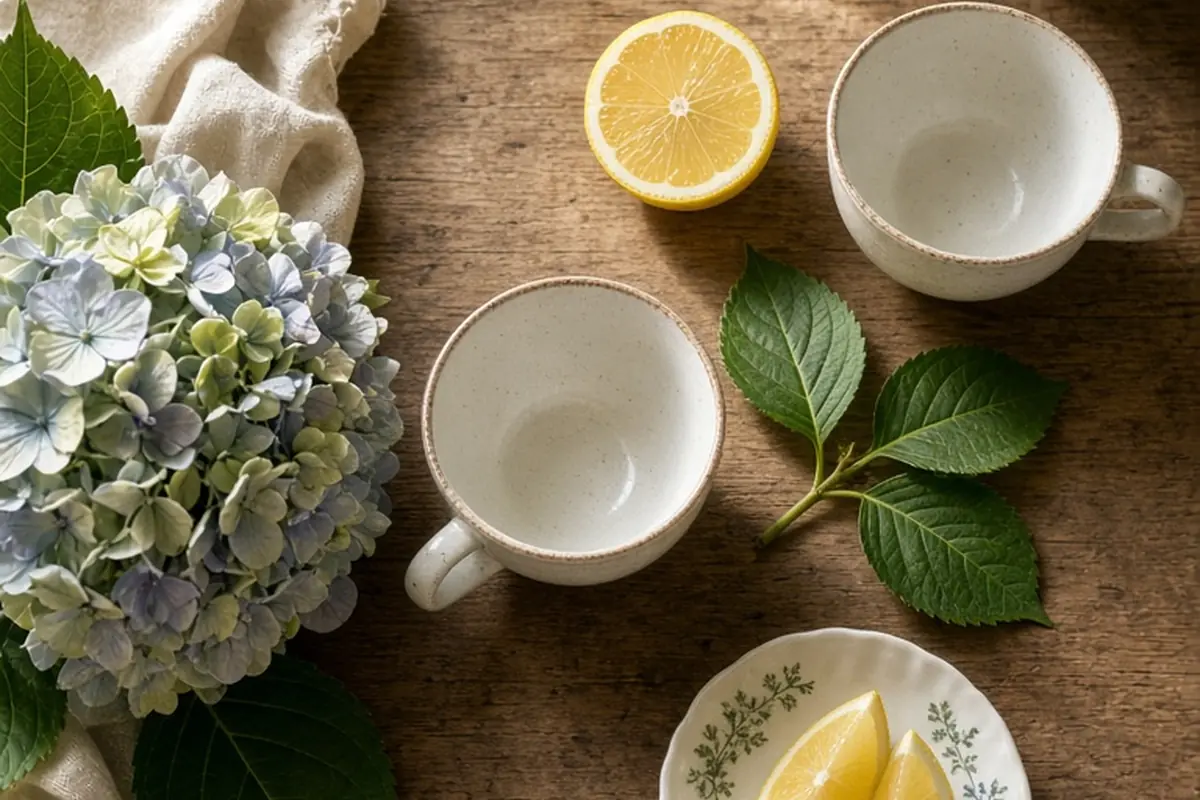
In the 1950s, women planted hydrangeas primarily because they provided fast, dramatic curb appeal for newly built post-war suburban homes. Hydrangeas offered lush foundation coverage, thrived in shaded yards, cost very little to propagate through neighborly stem cuttings, and yielded abundant cut flowers for indoor domestic entertaining and active local garden club culture.
Post-war American neighborhoods transformed quickly during the 1950s, bringing millions of families into newly constructed suburban houses. As homemakers took charge of establishing welcoming home exteriors, specific hardy plants rose to prominence to meet both aesthetic and practical landscaping needs.
The Rise of Post-War Suburbia and Foundation Landscaping
The mid-twentieth century brought a massive migration from dense urban centers into newly established suburban developments like Levittown and similar master-planned communities. These post-war ranch and split-level houses sat on fresh, often barren plots of land with concrete foundations exposed to the street. Homeowners faced an immediate practical challenge: softening harsh architectural lines and creating an established, lived-in feel on a family budget. Women, who carried much of the responsibility for domestic management and home presentation, needed resilient shrubs that filled substantial space quickly without demanding professional landscaping services.
Hydrangeas, particularly bigleaf varieties (Hydrangea macrophylla) and smooth hydrangeas (Hydrangea arborescens), offered the ideal physical profile for this task. Their broad leaves and large, spherical mophead blooms grew rapidly to three to six feet in height and width, concealing plain concrete crawl spaces and framing front walkways. A single planting created immediate visual density that made brand-new houses feel like permanent family homes. However, a common trade-off was seasonal leaf loss; while these shrubs produced dramatic green foliage and blooms from late spring through early autumn, they left bare winter stems that required careful integration with evergreens to maintain year-round visual balance.
The Economy of Stem Cuttings and Neighborhood Garden Networks
Setting up a new suburban household in the 1950s often strained family finances, leaving limited discretionary income for commercial nursery stock. Commercial landscaping could be expensive, but hydrangeas possessed a remarkable biological advantage: they root exceptionally easily from softwood and semi-hardwood stem cuttings. A woman moving into a new subdivision could take a few simple snips from a relative's or neighbor's established shrub, place them in moist sand or a glass of water on a windowsill, and produce healthy, root-bearing starter shrubs within several weeks.
This ease of propagation fueled an active gift economy among women navigating their new suburban social environments. Sharing hydrangea slips served as a warm, low-pressure introduction to new neighbors across backyard fences and at local garden club meetings. A single mature mother plant on a block could supply dozens of homes across an entire development over a couple of growing seasons. The limit of this informal trade was genetic uniformity and occasional spread of fungal leaf spot between yards, but the immediate social and economic benefits far outweighed the minor maintenance risks for most homemakers.
Shade Tolerance on Developing Residential Lots
Post-war subdivisions presented distinct horticultural hurdles for home gardeners. Many new homes featured covered front porches, carports, and northern foundation exposures that received minimal direct sunlight throughout the day. In other cases, developers preserved mature native shade trees to give neighborhoods an established ambiance, which made traditional sun-loving flowering perennials like roses, petunias, and marigolds struggle, grow leggy, or fail to produce blooms altogether.
Hydrangeas filled this horticultural niche seamlessly because they thrive in dappled light and cool morning sun with afternoon shade. Women could plant them beneath covered eaves, against north-facing brick walls, or under the canopy of mature oak and maple trees where other ornamental plants withered. The practical limit was water management: large-leaved hydrangeas require consistent soil moisture, especially when competing with shallow tree roots. In well-drained suburban soils, 1950s gardeners had to establish reliable watering routines, often pairing hydrangeas with garden hose soakers or using recycled rinse water during dry summer stretches.
Mid-Century Domestic Styling and Floral Entertaining
The 1950s placed a strong cultural emphasis on home entertaining, domestic creativity, and polished interior presentation. Social gatherings, bridge clubs, holiday dinners, and neighborhood coffee hours regularly centered around the dining room table or living room coffee table. Fresh floral centerpieces were considered a mark of a gracious, well-kept home, yet buying cut flowers weekly from commercial florists was an unnecessary luxury for most middle-class households.
Hydrangea bushes functioned as dependable backyard floral supply stations from early summer into late autumn. A homemaker could step outside with hand shears and harvest three or four massive mophead blooms to fill a low ceramic bowl or vintage mid-century vase, instantly transforming an entryway or dining table. Moreover, hydrangeas dry exceptionally well if hung upside down in a cool closet or allowed to fade naturally on the stem in early autumn. Women dried these blooms to create long-lasting winter arrangements, wreaths, and holiday displays, extending the aesthetic value of their outdoor garden throughout the entire calendar year without additional cost.
The Chemistry of Soil-Altered Colors and Garden Club Prestige
Local garden clubs experienced peak membership and community influence during the 1950s, serving as vital spaces for women to exercise leadership, horticultural skill, and civic engagement. In these circles, growing healthy, colorful hydrangeas offered an accessible canvas to demonstrate gardening knowledge. Bigleaf hydrangeas react dynamically to the availability of aluminum in the soil, which is dictated by soil pH, shifting from vivid pink in alkaline soils to deep blue or purple in acidic ground.
Women enjoyed testing and sharing practical methods to influence bloom color to match their outdoor trim or personal preferences. Incorporating coffee grounds, pine needles, or crushed eggshells into the surrounding soil became regular topics of discussion at neighborhood meetings. While this color adjustability provided engaging outdoor experimentation, it also required patience, as soil amendments take months to influence the plant's internal sap chemistry. Gardeners learned to appreciate the natural transition phases, where flowers often took on mottled, antique hues of lavender, mauve, and soft green.
Post-War Desires for Abundance, Comfort, and Permanence
Beyond practical gardening reasons, the emotional climate of the 1950s profoundly shaped landscape choices. The preceding two decades had been defined by the scarcity of the Great Depression and the global stress of World War II. For families establishing themselves in peacetime, the home was viewed as a sanctuary of stability, comfort, and physical abundance. Fragile, sparse landscaping felt clinical, while the heavy, lush, overflowing blooms of hydrangeas offered a tangible feeling of peace and domestic security.
Hydrangeas also connected young suburban homemakers to their mothers' and grandmothers' traditional cottage gardens. Even as families adopted modern kitchen appliances and contemporary architecture, planting familiar heritage shrubs preserved an emotional link to ancestral resilience. By grounding their modern homes with these generous, reliable bushes, women created outdoor spaces that felt both up-to-date and deeply rooted in generational continuity.
Illustrative Scenarios
Restoring Mid-Century Curb Appeal on a Budget
Mark bought a 1954 ranch home with overgrown, woody shrubbery along the north-facing foundation. He initially planned to tear out the entire planting bed and install modern dwarf evergreens, but the nursery estimates exceeded his move-in renovation budget. After clearing away dead brush, he realized the foundation was lined with mature bigleaf hydrangeas that had simply grown leggy from years of neglect. Instead of spending thousands on new plants, Mark selectively pruned the old stems, mulched the base with organic compost, and gave the shrubs a single season of deep summer watering. By mid-summer, the original bushes produced dozens of large blue mopheads that framed the low ranch lines perfectly.
Key point: Working with established mid-century foundation plants often restores architectural harmony faster and far more economically than starting from scratch.
Creating Neighborhood Connections Through Plant Sharing
Elena moved into a new housing development where most front yards featured bare lawns and identical builder-grade shrubs. Wanting to add personality to her shaded front porch without a large financial outlay, she noticed an elderly neighbor two doors down tending an impressive border of white Annabelle hydrangeas. Elena struck up a conversation, complimented the healthy blooms, and asked for gardening advice for the neighborhood's clay soil. The neighbor gladly demonstrated how to take three healthy softwood cuttings and shared rooting tips. Within two years, Elena had rooted five flourishing bushes that brightened her walkway while establishing an enduring friendship on her street.
Key point: Propagating shared cuttings remains a practical, cost-effective way to build neighborhood relationships while cultivating reliable shade-tolerant landscaping.
Frequently asked questions
What varieties of hydrangeas were most common in the 1950s?
The most widely planted varieties were bigleaf hydrangeas (Hydrangea macrophylla) known for their pink and blue mophead blooms, and smooth hydrangeas (Hydrangea arborescens), particularly wild forms and early cultivars like 'Hills of Snow'. Panicle hydrangeas were also common in colder northern climates.
Why did hydrangeas work so well with 1950s ranch architecture?
Ranch homes featured low, horizontal rooflines and exposed concrete footings that required broad, mid-height plantings. Hydrangeas provided instant visual softness and horizontal volume without growing tall enough to block low-set front windows.
Can I still propagate hydrangeas the same way gardeners did in the 50s?
Yes, taking four- to six-inch softwood cuttings in early summer remains one of the easiest ways to grow new plants. Place the cuttings in moist potting soil or sand out of direct sun until strong root systems develop.
Did 1950s gardeners use chemicals to turn hydrangeas blue?
While commercial aluminum sulfate existed, most home gardeners relied on organic household amendments like coffee grounds, pine needles, or oak leaves to lower soil pH naturally over time.
Your next step
To bring mid-century charm and budget-friendly resilience to your own yard, evaluate your foundation for morning sun and afternoon shade, then take or request a healthy stem cutting this summer to establish your own enduring landscape border.