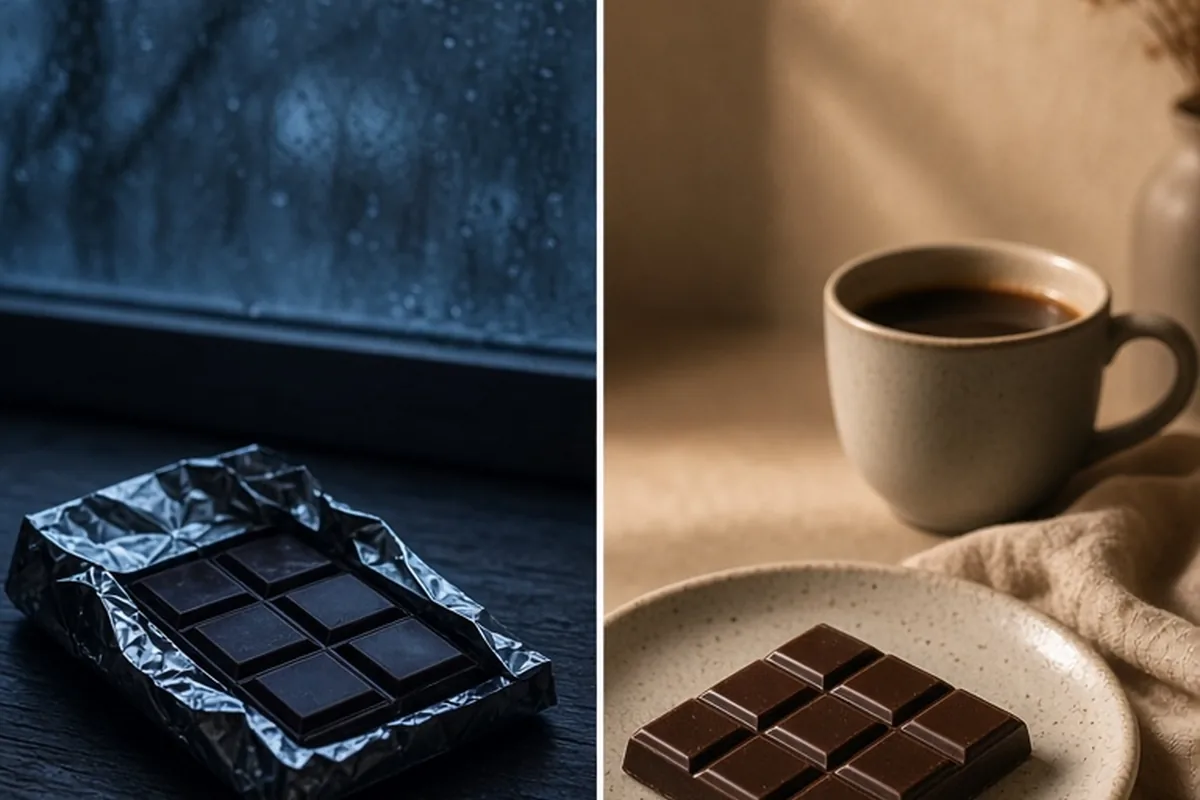
Women often love chocolate due to a combination of sensory satisfaction, emotional association, and cultural framing. Chocolate melts at human body temperature, providing an immediate richness and sweetness that offers genuine comfort. Additionally, social rituals frequently frame chocolate as an accessible luxury, self-care treat, or thoughtful romantic gesture, while fluctuating energy demands and daily stress can make calorie-dense, comforting foods especially appealing.
Popular media often frames the connection between women and chocolate as an exaggerated punchline, but the appeal is grounded in real sensory pleasure, personal comfort rituals, and thoughtful social traditions.
The Sensory Architecture of Chocolate and Immediate Physical Enjoyment
At the foundation of anyone's appreciation for chocolate is its unique physical composition. Cocoa butter is one of the few natural plant fats with a melting point directly aligned with human body temperature. The moment a piece of quality chocolate enters your mouth, it shifts rapidly from a solid snap to a smooth, velvety liquid. This rapid phase transition coats the palate, releasing aromatic volatile compounds into the retronasal passage while delivering a balanced combination of sweetness, mild bitterness, and fat. For many women navigating busy schedules, this instant sensory shift offers a momentary pause in the day that feels tangible and immediate.
The balance of sugar and fat also stimulates the brain's natural reward pathways, creating a quick sensation of satisfaction. Unlike many other confections that offer only one-dimensional sweetness, good chocolate provides complex flavor notes ranging from nutty and floral to earthy and acidic. For example, enjoying a square of dark chocolate after a long workday provides both a rich tactile experience and a brief ritual of unwinding. The trade-off comes when chocolate is treated as an automated habit rather than an intentional pleasure; eating low-grade sweets rapidly without tasting them often leads to a quick sugar spike without the deeper sensory enjoyment that makes fine chocolate so satisfying.
Cultural Framing, Self-Care Rituals, and Permissible Indulgence
Beyond taste, culture plays a profound role in how women relate to chocolate. For decades, marketing, literature, and social traditions have framed chocolate as a sanctioned form of relaxation, indulgence, and pampering. In cultures where women frequently face intense pressure regarding productivity, caretaking, and health expectations, chocolate has evolved into an accessible, socially accepted small reward. It represents a brief sanctuary—a miniature luxury that requires minimal time and expense but feels distinctly personal.
This dynamic often shapes how women build comforting routines with friends or in solitude. A quiet evening with a novel, a warm beverage, and a few artisanal truffles is a classic example of an intentional comfort ritual. However, the cultural narrative around indulgence can also create mixed feelings when diet culture attaches guilt to sweet foods. Recognizing chocolate as simply a delicious food to be enjoyed freely, rather than a forbidden temptation, allows people to enjoy it with genuine pleasure and zero emotional baggage.
Hormonal Shifts, Energy Demands, and the Craving for Comfort
Many women notice an increased desire for rich treats like chocolate during specific phases of their monthly cycle, particularly the luteal phase preceding menstruation. During this time, basal metabolic rates can rise slightly, and natural shifts in hormone levels can influence energy, mood, and appetite. When energy levels dip or mild physical discomfort sets in, the body naturally gravitates toward nutrient- and calorie-dense foods that offer quick, comforting fuel.
Chocolate also contains modest amounts of minerals like magnesium, along with trace stimulants like theobromine, though the primary driver of the craving is usually the comforting combination of texture, warmth, and carbohydrates. For instance, someone dealing with cramps or fatigue might find that a warm cup of cocoa or a few bites of dark chocolate provides a soothing emotional lift and a sense of physical ease. It is helpful to view these cravings not as an odd quirk, but as a normal, human desire for soothing comfort during physically demanding times.
Moving Past Stereotypes: Reading Individual Preferences Accurately
A common misstep in relationships is assuming that every woman loves the same kind of chocolate in the same way. In reality, individual tastes vary dramatically across the board. One person might appreciate 85 percent single-origin dark chocolate with notes of fruit and sea salt, while another prefers creamy milk chocolate with hazelnut praline, and someone else might avoid chocolate entirely due to caffeine sensitivity, dairy allergies, or a preference for savory snacks.
Paying attention to these distinctions is what turns a generic gesture into a genuine demonstration of care. If your partner regularly drinks black coffee and buys artisanal dark bars, grabbing a mass-produced, overly sweet novelty box on Valentine's Day shows a lack of attention. Taking mental notes on the brands, percentages, and flavor profiles she actually enjoys shows that you are paying attention to her specific tastes rather than relying on broad cliches.
How to Turn a Simple Treat into an Intentional Shared Experience
Chocolate can serve as an easy, low-pressure bridge for quality time and connection. Rather than merely handing over a box as a transactional gift, sharing a treat together can create a relaxed, engaging moment. Setting aside twenty minutes after dinner to taste a small assortment of distinct single-origin chocolates or pairing different truffles with tea, coffee, or wine invites conversation and playful interaction.
To make this work well, the focus should remain on shared presence rather than an elaborate production. For example, bringing home two specialized bars from a local bakery and saying, 'I saw these unusual flavors and thought it would be fun to try them together tonight,' creates an inviting, casual date at home. The trade-off is that an over-orchestrated tasting can feel performative; keeping the tone light, relaxed, and focused on conversation ensures the moment feels warm and natural.
Navigating Dietary Boundaries and Thoughtful Communication
While offering food is a classic way to express affection, it requires emotional intelligence and respect for boundaries. If a partner is managing specific health goals, dietary restrictions, or a complicated relationship with sweets, bringing unsolicited junk food can inadvertently cause stress. The most supportive approach is open, straightforward communication that prioritizes her comfort and autonomy over assumptions.
If you want to bring a treat to brighten someone's day, pair the gesture with simple consideration. You might say, 'I picked up that dark chocolate you love while I was running errands; it is in the pantry whenever you want some.' This gives your partner total freedom to enjoy it immediately, save it for later, or decline without feeling pressured or judged. Respecting personal autonomy around food reinforces trust and shows that your care is genuinely about her well-being.
Illustrative Scenarios
Choosing Attentive Gifting Over Generic Defaults
For their anniversary, Marcus bought a large, heart-shaped box of assorted drugstore chocolates for his partner, Elena. Elena thanked him politely, but the box sat largely untouched on the counter for weeks. Marcus initially felt confused and slightly unappreciated, wondering why the classic romantic gesture fell flat. When he finally asked about it with genuine curiosity rather than defensiveness, Elena explained that she finds generic milk chocolate overly sugary and usually sticks to vegan dark chocolate bars with sea salt. The following month, Marcus picked up two bars from a local craft chocolatier matching her exact preferences, which Elena genuinely loved and shared with him immediately.
Key point: Personalized observation always means more than relying on generic, commercial romance templates.
Offering Empathy Instead of Quick Food Fixes
Whenever Julian noticed his partner, Maya, feeling overwhelmed by demanding work projects, his immediate instinct was to silently place a chocolate bar next to her keyboard. While well-intentioned, Maya eventually felt that Julian was using candy to avoid talking about her stress or dismiss her difficult day. Julian realized that handing over food had become a shortcut to avoid sitting with uncomfortable emotions. He adjusted his approach by first sitting down, asking how her day went, and actively listening to her vent for ten minutes before asking if she wanted to split a dessert after dinner.
Key point: Comfort foods complement active listening and emotional presence; they cannot replace them.
Frequently asked questions
Why do chocolate cravings often increase before or during a menstrual period?
Hormonal fluctuations during the luteal phase can increase energy needs, lower mood, and create mild physical discomfort. The combination of quick energy, rich mouthfeel, and pleasant taste makes chocolate an accessible and effective source of comfort.
What is the best way to choose chocolate as a gift for a partner?
Notice the treats they naturally buy for themselves, paying attention to dark versus milk varieties, sweetness levels, and dietary needs. Choosing a single high-quality bar that matches their specific taste is far more meaningful than buying a generic assortment.
What should you do if someone you care about does not like chocolate?
Never force a conventional romantic script onto someone whose preferences differ. Find out what small comforts or snacks they actually enjoy, whether that means specialty teas, fresh fruit, or savory treats, and celebrate those instead.
Your next step
Take note of your partner's specific flavor and food preferences this week, and use that insight to choose a small, personalized gesture that reflects their real tastes rather than a generic cliché.