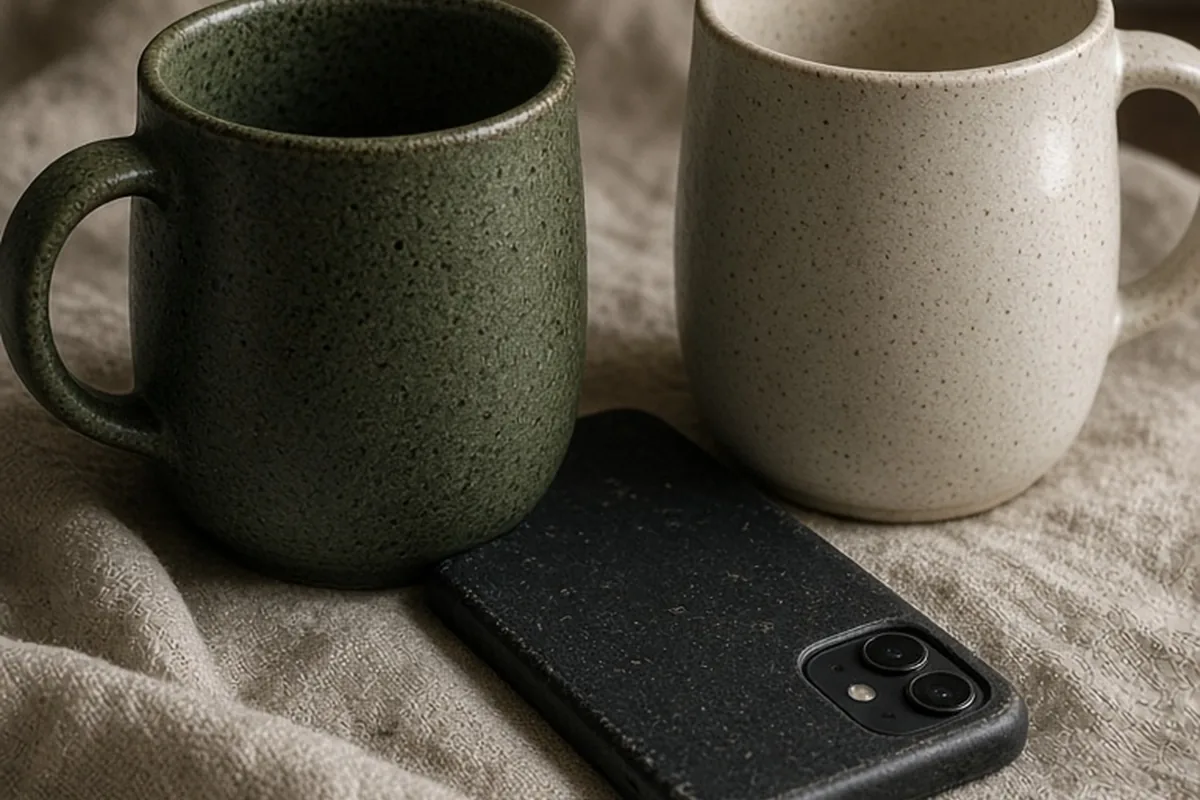
One-sided acne is almost always caused by localized friction, pressure, or bacterial transfer rather than internal imbalances. Common culprits include sleeping on a specific side with an unwashed pillowcase, holding a mobile phone against one cheek, resting your hand on your jawline, or applying hair styling products unevenly. Identifying and modifying these repeated physical contact points is typically the fastest way to resolve isolated breakouts.
Waking up to persistent bumps on only your left or right cheek while the opposite side stays clear can feel baffling. Because systemic factors like hormonal fluctuations or overall diet usually influence both sides of your complexion relatively evenly, sudden or persistent one-sided breakouts almost always point to external habits and physical contact patterns.
Pillowcase Friction and Sleep Surface Hygiene
Your sleeping posture is often the primary reason blemishes appear predominantly on one side of your face. If you are a dedicated side sleeper, one cheek presses firmly into your pillow for six to eight hours every night. Over time, pillow fabric absorbs natural facial oils, dead skin cells, night creams, sweat, and hair products. When your skin remains pressed against this accumulated buildup under the warmth of your body, pores can easily become clogged, leading to localized micro-comedones and inflammatory pustules.
Beyond oil buildup, the physical friction of cotton or coarse bedding can irritate the skin barrier and cause acne mechanica, a form of breakout triggered by repeated rubbing and pressure. To counter this, establish a habit of switching your pillowcase every two to three days, or flip your pillow to use a fresh surface each evening. Opting for smooth fabrics like silk or satin can also minimize frictional irritation, though fabric choice alone will not compensate for a pillowcase that is not washed regularly with a gentle, fragrance-free laundry detergent.
Phone Screens and Frequent Hand-to-Face Contact
Throughout the day, your hands and personal devices pick up bacteria, ambient dust, and oils from door handles, keyboards, and public surfaces. When you hold your smartphone against your cheek to take a call, you transfer these contaminants directly onto your skin while trapping warmth and moisture against your pores. People who routinely make calls using the same ear frequently notice recurring blackheads, whiteheads, or inflamed bumps along the corresponding jawline and cheek.
A similar issue arises from subconscious daytime gestures, such as propping your chin in your hand during work meetings, resting your cheek against your palm while studying, or scratching the same side of your face when stressed. Breaking these unconscious habits takes deliberate effort, but you can dramatically reduce flare-ups by wiping your phone down daily with an electronics-safe disinfectant cloth, switching to speakerphone or wireless earbuds, and keeping your hands intentionally occupied during long desk sessions.
Hair Styling Products and Asymmetrical Hairstyles
Your hairstyle and hair care routine can directly influence the distribution of acne across your forehead, temples, and cheeks. If you wear a side part, long side-swept bangs, or frequently let hair fall naturally across one shoulder, the strands constantly deposit natural sebum and hair products onto that specific area of your face. Hair care essentials like leave-in conditioners, texturizing sprays, styling oils, and heavy pomades are formulated for hair strands and often contain comedogenic emollients, waxes, and silicones that do not suit facial skin.
If you suspect your hair is driving unilateral congestion, try keeping it clipped back or tied up loosely when working, relaxing at home, or sleeping. When applying styling sprays, protect your face by shielding your cheek and temple with your hand or a clean towel. Additionally, wash your face as the final step in your shower routine rather than the first, ensuring that any residual shampoo, conditioner, or hair treatment rinsed over your skin is completely washed away before you dry off.
Daily Driving Habits and Unilateral Sun Exposure
For regular commuters, driving habits create distinct microclimates on each side of the body. In countries where drivers sit on the left side of the vehicle, the left side of the face absorbs significantly more ultraviolet radiation and ambient heat through the driver-side window over months and years. Sunlight and heat cause localized low-grade inflammation, trigger increased oil production, and accelerate cellular turnover, which can combine to block pores and exacerbate existing blemishes on that side.
Car air conditioning vents positioned to blow directly on one cheek can also dry out the skin surface, prompting a rebound surge in sebum production that leads to sudden congestion. To protect your complexion during long commutes, apply a broad-spectrum sunscreen every morning regardless of cloud cover, install an ultraviolet-blocking protective film on car side windows where legally permitted, and angle dashboard vents toward your torso rather than directly at your face.
Uneven Skincare Application and Cleansing Habits
Even well-intentioned skincare routines can inadvertently create uneven results if your application technique favours your dominant hand. Many people unintentionally apply stronger pressure or a thicker layer of cleanser, exfoliants, or spot treatments to one side of their face. In some cases, over-scrubbing one cheek with an abrasive washcloth or an automated cleansing brush damages the protective moisture barrier, leaving that side vulnerable to inflammation and secondary bacterial infection.
Conversely, some people fail to rinse cleansers thoroughly near the hairline or jawline on the non-dominant side, leaving a film of surfactant residue that triggers localized irritation and clogged pores. Pay mindful attention to your daily routine for a week: ensure you apply equal, feather-light pressure across both cheeks, use lukewarm water to rinse completely, and distribute active ingredients like salicylic acid or retinoids uniformly rather than overloading one area.
Distinguishing One-Sided Acne from Other Skin Conditions
While localized breakouts are most often conventional acne triggered by external friction, other dermatological conditions can closely mimic pimples on one side of the face. Contact dermatitis, for instance, occurs when your skin reacts negatively to a specific allergen or irritant, such as the metal alloy on a pair of eyeglasses, a musical instrument rested against the chin, or a phone case material, producing red, itchy, or stinging bumps.
Other possibilities include pityrosporum folliculitis (an overgrowth of yeast in hair follicles that creates small, uniform itchy bumps) or perioral dermatitis, which frequently presents as tiny papules around one corner of the mouth or nose. If your unilateral bumps are persistently itchy, tender, burning, or non-responsive to gentle acne routines and habit changes after several weeks, consider consulting a board-certified dermatologist for an accurate assessment rather than continuing to apply drying acne treatments that could worsen an underlying inflammatory barrier condition.
A Practical Seven-Day Audit to Reset Your Skin
Instead of buying new skincare products immediately, implement a structured one-week audit to eliminate common physical triggers and allow your skin barrier to stabilize. Begin by focusing purely on hygiene and contact variables, keeping your core skincare regimen ultra-gentle and simple with a hydrating cleanser, lightweight non-comedogenic moisturizer, and daily sunscreen.
Taking a methodical approach makes it easy to identify the exact habit responsible for your one-sided breakouts without spending unnecessary money or stressing your skin with harsh treatments.
- Day 1 to 2: Switch to a freshly laundered pillowcase, sanitize your mobile phone screen, and practice taking calls exclusively with earbuds or on speakerphone.
- Day 3 to 4: Pin or tie your hair back away from your face throughout the day and while sleeping; ensure you rinse your face thoroughly after showering.
- Day 5 to 7: Consciously monitor hand-to-face contact while working or studying, and check that your skincare products are applied and rinsed evenly with light pressure across both sides.
Illustrative Scenarios
Identifying a Commute and Phone Trigger
An office worker noticed recurrent inflammatory papules exclusively on her right cheek and jawline despite maintaining a consistent, high-end skincare regimen. After reviewing her daily habits, she realized she held her mobile phone against her right cheek during lengthy daily work calls and adjusted her car air conditioning vent to blow directly at the right side of her face during an hour-long commute. She transitioned to using wired headphones for calls, angled her car vent away from her face, and swapped her cotton pillowcase twice weekly.
Key point: Eliminating concentrated friction and localized environmental stressors can resolve one-sided breakouts without adding aggressive active treatments to your routine.
Frequently asked questions
Can sleeping on your back really prevent one-sided acne?
Sleeping on your back eliminates direct pressure and friction between your face and the pillow, which can noticeably reduce acne mechanica and bacterial transfer. However, if back sleeping feels uncomfortable or disrupts your rest, simply changing your pillowcase every few days is an effective alternative.
Why do I only get hormonal acne on one cheek?
True hormonal acne generally affects both sides of the lower face, jawline, and chin because hormones circulate systemically. If breakouts appear strictly on one side, an external trigger like resting your chin on your hand or sleeping on that side is likely aggravating pores that are already sensitive to hormonal changes.
How long does it take for one-sided acne to clear after changing habits?
Most surface-level skin congestion begins to improve within two to four weeks once the external trigger, such as phone contact or a dirty pillowcase, is removed. Because skin cell turnover takes around 28 days, giving your skin a few weeks of consistent habits allows existing blemishes to heal naturally.
Your next step
Pick one physical contact habit today—such as putting on a fresh pillowcase tonight or switching to earbuds for phone calls—and maintain it consistently for two weeks to see if your skin balances out.