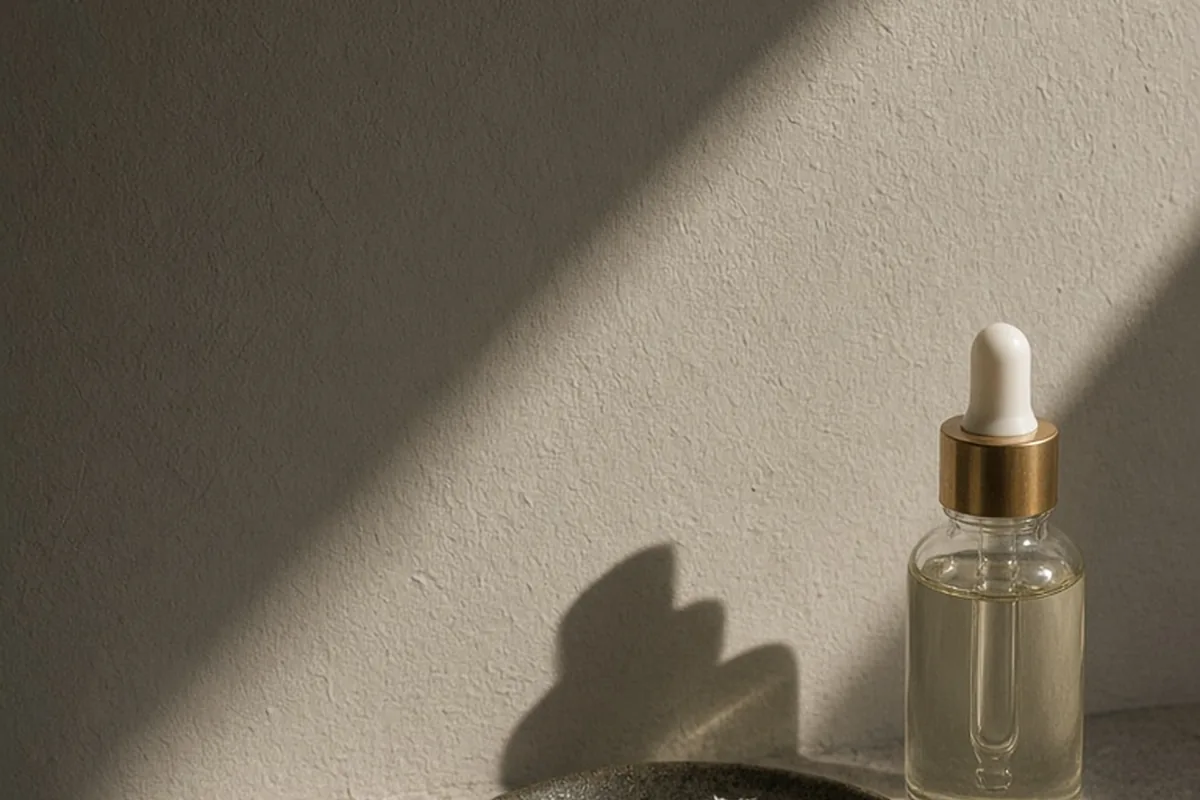
Pure cosmetic-grade mineral oil does not inherently clog pores because its molecular structure is too large to penetrate skin follicles. However, because mineral oil forms an occlusive barrier on the surface, it can trap dead skin cells, excess sebum, sweat, and residual makeup beneath it. If you apply it to unwashed or congested skin, that trapped debris may trigger acne breakouts.
Skincare discussions often treat mineral oil with suspicion, associating it with heavy petroleum byproducts and congested pores. Understanding how this emollient works on the skin surface helps you decide whether it fits your current skincare routine or aggravates existing blemishes.
The Molecular Structure and Chemistry of Mineral Oil
Cosmetic-grade mineral oil is a clear, odorless, highly refined liquid hydrocarbon derived through extensive purification processes. Unlike raw industrial petroleum, the mineral oil used in skincare and dermatological ointments undergoes rigorous filtration to eliminate impurities and potential irritants. From a chemical perspective, mineral oil molecules are relatively large and structurally inert, which means they do not readily bind to biological receptors in the skin or oxidize into inflammatory compounds.
Because these hydrocarbon chains are so substantial in size, they cannot physically sink into or penetrate the opening of human sebaceous follicles. Instead, mineral oil remains entirely on the outermost stratum corneum, creating a smooth, protective film. Standard comedogenicity testing measures an ingredient's intrinsic capacity to trigger cellular changes inside the pore lining that lead to microcomedones. Pure mineral oil does not provoke this cellular proliferation on its own, which is why it is technically classified as non-comedogenic in controlled cosmetic evaluations.
The Difference Between True Comedogenicity and Occlusive Trapping
While mineral oil does not directly form plugs inside pores, its powerful occlusive properties can create indirect breakout triggers. An occlusive agent works by forming a hydrophobic seal over the skin, drastically reducing transepidermal water loss. While this seal is outstanding for keeping hydration locked in, it is completely non-selective about what stays underneath. It holds in natural moisture alongside any surface bacteria, environmental pollutants, shed keratinocytes, and accumulated sebum.
Consider a scenario where someone applies a thick mineral oil cream over skin that was only rinsed with water after a workout. The mineral oil itself does not enter the pore, but it prevents sweat, natural oils, and surface bacteria like Cutibacterium acnes from escaping or oxidizing normally in open air. This creates a warm, oxygen-deprived microenvironment where bacteria can flourish, leading to inflammatory papules or pustules. The root cause of the breakout in this situation is unwashed debris trapped against the skin barrier rather than chemical pore blockage from the oil.
How Different Skin Types React to Mineral Oil Formulations
Individual skin physiology plays a dominant role in whether mineral oil improves barrier resilience or causes cosmetic congestion. Individuals with dry, compromised, or sensitized skin barriers often tolerate mineral oil remarkably well. When the natural lipid barrier is stripped due to harsh weather, eczema flares, or over-exfoliation, mineral oil provides an inert shield that prevents moisture evaporation without introducing botanical allergens or reactive fragrance compounds.
Conversely, individuals with naturally oily, acne-prone, or hyper-seborrheic skin face higher risks of unwanted texture and closed comedones. When your sebaceous glands continuously produce high volumes of sebum, sealing that active oil production under a dense occlusive layer can lead to surface congestion. For oily skin types, the trade-off of intense moisture retention rarely outweighs the potential for congestion, making lighter humectants and non-occlusive emollients a more dependable daily choice.
Essential Application and Double Cleansing Techniques
If you choose to use products containing mineral oil, your preparation and cleansing habits will largely determine your results. Applying any occlusive layer must always be the final step in an evening routine, performed only over thoroughly purified skin. Washing your face removes the surface debris that would otherwise be sealed against your follicles overnight.
To safely integrate mineral oil without encouraging breakouts, follow a structured routine that respects skin cleanliness and proper layering order:
When removing mineral oil ointments the next morning or washing off mineral-oil-based cleansing balms, rely on lukewarm water and a gentle emulsifying cleanser. Leaving residual oil films unwashed for multiple days without a clean reset can gradually accumulate dead skin cells around pore openings, increasing the likelihood of surface bumps.
- Start with a gentle, thorough cleanse using a water-based or emulsifying cleanser to remove environmental grime, sunscreen, and excess sebum.
- Apply water-soluble humectants such as glycerin or hyaluronic acid onto slightly damp skin to draw hydration into the upper layers.
- Apply your regular light moisturizer to deliver essential skin lipids and ceramides.
- Apply a minimal, pea-sized amount of mineral oil or mineral-oil-based ointment over dry patches to seal the underlying hydration.
Evaluating Product Labels and Problematic Ingredient Combinations
Pure mineral oil is rarely used in isolation; it is frequently blended into rich creams, lotions, and balms alongside dozens of other cosmetic ingredients. When a product containing mineral oil triggers a breakout, the culprit is frequently another component in the formula. Thickening waxes, heavy synthetic esters, strong synthetic fragrances, and specific fatty acid derivatives can possess high comedogenic potential independent of the mineral oil base.
When reviewing ingredient labels on moisturizers and balms, pay close attention to the overall formulation context:
Evaluating the complete ingredient panel prevents you from incorrectly blaming mineral oil for breakouts that were actually caused by comedogenic binders, synthetic esters, or heavy botanical waxes included in the same formula.
- Look for added fragrances and essential oils, which can trigger contact dermatitis and inflammatory bumps in reactive skin types.
- Check for known pore-clogging esters like isopropyl myristate, isopropyl palmitate, or myristyl myristate combined with the oil.
- Note the position of mineral oil on the list; products where it appears near the bottom offer lighter emollience with less heavy surface occlusion.
- Opt for formulas clearly labeled as non-comedogenic and hypoallergenic if your skin is prone to congestion.
Comparing Mineral Oil to Alternative Facial Oils and Occlusives
Choosing the right emollient or occlusive depends on balancing barrier protection against breathability. Plant-derived oils such as rosehip, squalane, and jojoba offer different lipid profiles compared to mineral oil. Squalane, for instance, mimics natural human sebum and absorbs rapidly into the skin without leaving a heavy film, making it an attractive option for acne-prone individuals who need barrier support without a dense surface barrier.
Dimethicone and other silicone-based occlusives represent another practical alternative. Silicones form a breathable, mesh-like barrier on the skin that allows sweat and some vapor to escape while still mitigating moisture loss. While mineral oil provides superior raw occlusion for severe dryness, silicones and lightweight squalane often provide a safer margin of error for people dealing with frequent congestion, hormonal breakouts, or combination skin.
Step-by-Step Protocol for Patch Testing Mineral Oil
Before applying a new mineral-oil-based product across your entire face, performing a localized patch test allows you to observe how your unique skin chemistry responds. Allergic sensitivities to cosmetic-grade mineral oil are exceedingly rare, but your skin's tendency to develop trapped congestion under occlusive layers can be evaluated safely on a small area.
Select a discrete area of your face that is occasionally prone to breakouts, such as a small section of your jawline or side of the chin, rather than your inner arm. The skin on your arm lacks the active sebaceous follicles present on your face and will not give an accurate representation of acne risk. Apply a small amount of the product to clean skin once daily in that specific spot for five to seven consecutive days, monitoring for redness, tiny whiteheads, or sudden closed bumps before expanding use.
Illustrative Scenarios
Adjusting Application Habits for Combination Skin
An individual with combination skin experienced forehead breakouts after using a mineral-oil-based healing ointment over their entire face every night to combat winter flaking. They had been applying the heavy ointment directly over leftover daytime sunscreen and unwashed skin. After switching their method, they began thoroughly washing their face with a gentle cleanser first, applying light hydrating serums, and applying the ointment only onto dry cheek patches while skipping the oil-rich forehead and chin.
Key point: Occlusive mineral oil products work best when targeted to dry areas on clean skin rather than layered indiscriminately over naturally oily, congested zones.
Frequently asked questions
Is cosmetic mineral oil pure and safe to use on skin?
Yes, cosmetic-grade mineral oil is highly refined and purified to meet strict safety standards, removing industrial contaminants and polycyclic aromatic hydrocarbons. It is widely used in pharmaceutical and dermatological products because it is chemically stable, non-allergenic, and gentle on sensitive tissue.
Can mineral oil help repair a damaged skin barrier?
Mineral oil helps protect a damaged skin barrier by creating an external seal that prevents moisture loss and shields raw skin from environmental irritants. While it does not supply physiological lipids like ceramides, it gives the underlying skin a protected environment to repair itself.
Does mineral oil cause or worsen fungal acne?
Mineral oil is composed of long-chain hydrocarbons that cannot be metabolized by Malassezia yeast, the organism responsible for fungal acne (Pityrosporum folliculitis). However, because it seals the skin surface and traps heat and sweat, it can foster an environment where yeast proliferates if applied heavily in warm, humid conditions.
How should I wash off mineral oil to prevent leftover residue?
Use an emulsifying cleansing oil, micellar water, or a gentle foaming gel cleanser with lukewarm water to break down the surface film. Rinsing thoroughly ensures that residual occlusive layers do not hold shed skin cells or surface debris against your pores.
Your next step
Assess your primary skin concerns by patch testing mineral-oil-based moisturizers on clean skin for one week, reserving heavy occlusive application for localized dry areas rather than naturally oily zones.