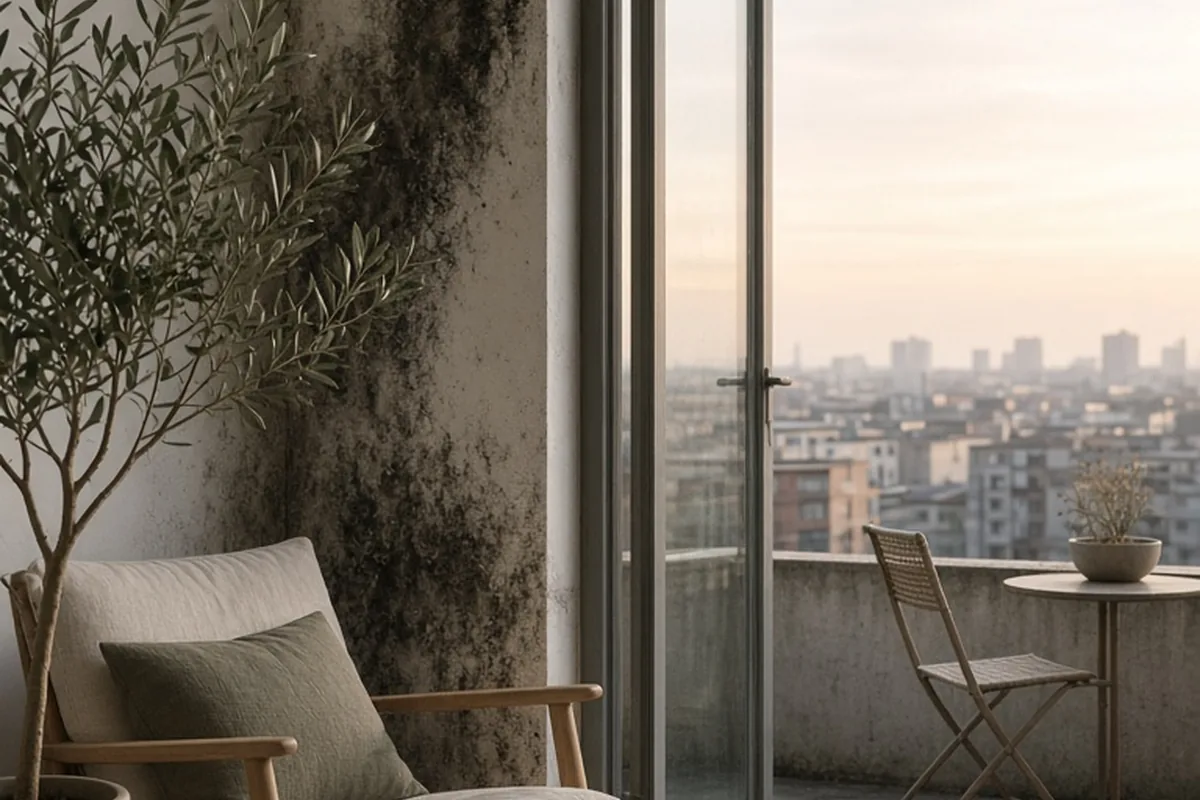
Mold does not die when it loses moisture; instead, it enters a dormant state. While cutting off water stops active colonies from expanding, the microscopic spores survive indefinitely in dry conditions. Once humidity levels rise or liquid water touches the surface again, these dormant spores reactivate and resume growth. True elimination requires both moisture control and physical cleaning.
Discovering a patch of mold behind furniture or underneath a plumbing fixture often leads to a common assumption: if you dry the area completely, the problem goes away on its own. While moisture control is the foundation of any remediation strategy, misunderstanding how fungi react to dry conditions can leave your home vulnerable to continuous recontamination and poor indoor air quality.
The Biological Difference Between Dormancy and True Elimination
Mold is a resilient organism designed to survive harsh environmental fluctuations. When a colony runs out of water, its vegetative growth halts immediately. The active filaments, known as hyphae, stop producing new cells and releasing digestive enzymes into building materials. However, this cessation of activity does not mean the organism is dead. The mold shifts into a protective survival phase, preserving its core cellular structures until favorable conditions return.
During this dormant phase, the mold produces or preserves microscopic spores with durable outer coatings. These spores can resist arid conditions, temperature swings, and light deprivation for months or even years. Treating drying as a complete solution is similar to expecting weed seeds in garden soil to disappear simply because the weather turned dry. The moment ambient humidity rises or a minor leak reintroduces water, dormant spores quickly rehydrate, germinate, and establish new colonies across the surrounding surface.
How Moisture Drives the Mold Life Cycle in Homes
To understand why mold persists without water, it helps to examine what fuels its life cycle. Mold requires four basic elements to thrive: viable spores, an organic food source, suitable temperatures, and moisture. In typical residential environments, three of these factors are constantly present. Organic materials like drywall paper, wood framing, dust, carpet fibers, and paint binders provide an abundant food supply, while standard indoor room temperatures fall precisely within the ideal growth range.
Moisture is the single variable homeowners can actively regulate. Mold does not require standing water to grow; sustained relative humidity levels above fifty-five to sixty percent are often enough to trigger germination on porous materials. When you eliminate that moisture, you successfully interrupt the active feeding and reproduction cycle. Yet because the spores and organic food remain in direct contact, the potential for growth stays suspended in place, waiting for the next humidity spike or condensation event.
Why Dry and Inactive Mold Still Creates Indoor Air Problems
Many people assume that because dry mold cannot spread across a wall, it is harmless to leave in place. In reality, dormant mold often presents a greater airborne exposure risk than damp, sticky mold. When a mold colony dries out, its physical structure becomes brittle and powdery. Normal indoor air currents from foot traffic, open windows, ceiling fans, or HVAC systems can easily dislodge millions of dry, microscopic spores and send them circulating throughout the living space.
Inhaling dry spores, fungal fragments, or lingering metabolic compounds can trigger allergic reactions, sinus irritation, coughing, and eye discomfort in sensitive individuals. Furthermore, dead or inactive mold retains the allergenic proteins and cellular compounds that provoke respiratory sensitivity. Simply letting a colony dry out does not neutralize its allergenic properties, meaning physical removal remains essential for maintaining healthy indoor air.
Safe Cleaning and Physical Removal for Hard Surfaces
Because drying alone leaves active spores behind, you must physically clean and remove the residue once the moisture source is addressed. For small, localized patches on non-porous surfaces like tile, metal, glass, or finished wood, simple household cleaners combined with proper containment techniques can resolve the issue effectively. The goal is to lift and discard the fungal material without dispersing fine particles into adjacent rooms.
Before beginning, protect yourself by wearing a well-fitting N95 respirator, nitrile gloves, and safety goggles. Avoid dry brushing or sweeping the surface, as this immediately lofts dormant spores into your breathing zone. Instead, lightly dampen the area with warm water and mild detergent or an appropriate household cleaner to trap the particles, then scrub firmly with a sponge or cloth. Wipe the area thoroughly with disposable towels, discard them in a sealed plastic bag, and allow the cleaned surface to dry completely under good ventilation.
- Put on personal protective equipment including an N95 mask, gloves, and eye protection.
- Mist the target surface lightly with water or detergent to prevent spores from becoming airborne.
- Scrub the surface thoroughly with soap and water or an appropriate household disinfectant.
- Wipe clean with disposable towels and seal them in a plastic trash bag before disposal.
- Dry the area fully using dedicated airflow or dehumidification.
Handling Porous Materials That Cannot Be Fully Washed
A major limitation of surface cleaning is material porosity. Non-porous materials allow you to wipe away surface growth completely. In contrast, porous and semi-porous items—such as drywall, fiberglass insulation, ceiling tiles, carpet padding, and upholstered furniture—allow mold hyphae to penetrate deep inside the material matrix. Even if the surface appears clean and dry after washing, root-like fungal networks often remain embedded inside.
When dealing with porous building materials that have experienced significant moisture and mold intrusion, removal and replacement are generally the most reliable choices. Attempting to save water-damaged drywall by drying it and applying surface paint often leads to recurring stains and hidden fungal reservoirs. Discarding heavily affected porous goods eliminates the internal root system entirely, preventing reactivation whenever seasonal humidity rises.
Practical Moisture Management to Prevent Spore Reactivation
After physically clearing existing colonies, long-term prevention depends on maintaining a moisture-controlled indoor environment. Since microscopic spores naturally exist in all outdoor and indoor air, keeping building surfaces dry is your primary defense against new or reactivated growth. The standard target for residential living spaces is keeping relative humidity consistently between thirty and fifty percent.
Simple daily habits significantly reduce localized moisture buildup. Run bathroom exhaust fans during showers and for at least twenty minutes afterward to clear steam. Use range hoods while cooking, ensure clothes dryers vent outdoors properly, and place small dehumidifiers in damp basements or laundry rooms. Additionally, check under sinks periodically for slow plumbing drips, seal drafty windows prone to heavy condensation, and keep furniture spaced slightly away from exterior walls to allow healthy air circulation.
When Drying Out Is Not Enough and Professional Help Is Warranted
While minor surface patches covering less than ten square feet can often be handled with careful household cleaning, extensive contamination requires professional remediation. If mold has spread across large sections of drywall, infiltrated subflooring, or developed inside central HVAC ductwork, standard DIY drying and wiping methods will fall short. Hidden moisture pockets behind baseboards and wall cavities can sustain dormant colonies that regular fans cannot reach.
Professional remediators use specialized equipment, including commercial air scrubbers with HEPA filtration, containment barriers, and negative air machines to prevent cross-contamination during removal. They also employ moisture meters and thermal imaging cameras to identify hidden leaks behind structural materials. If an area has suffered major flood damage or persistent musty odors linger despite thorough cleaning, hiring certified professionals ensures the root moisture issue is corrected and contaminated materials are safely extracted.
Frequently asked questions
Can dormant mold spores survive for years without water?
Yes, mold spores have robust protective outer walls that allow them to survive in dry environments for years. They remain inactive until moisture, warmth, and an organic food source become available.
Does painting over dry mold kill the colony?
No, painting over dry mold does not destroy the spores or correct the problem. The moisture in paint can reactivate dormant growth, eventually causing the paint to bubble, peel, or show mold stains again.
Will running a dehumidifier get rid of existing mold on a wall?
A dehumidifier stops active mold from spreading by keeping the air dry, but it cannot remove or destroy existing growth. You must physically clean or replace the affected material while using the dehumidifier to prevent future outbreaks.
Is dry mold less hazardous to breathe than wet mold?
Dry mold is not safer to inhale because dormant spores and dry fragments break loose into the air much more easily than damp mold. Inhaling these airborne particles can trigger allergies, coughing, and respiratory irritation.
Your next step
Locate and repair the moisture source first, then physically clean hard surfaces or replace porous items rather than relying on drying alone to resolve household mold.