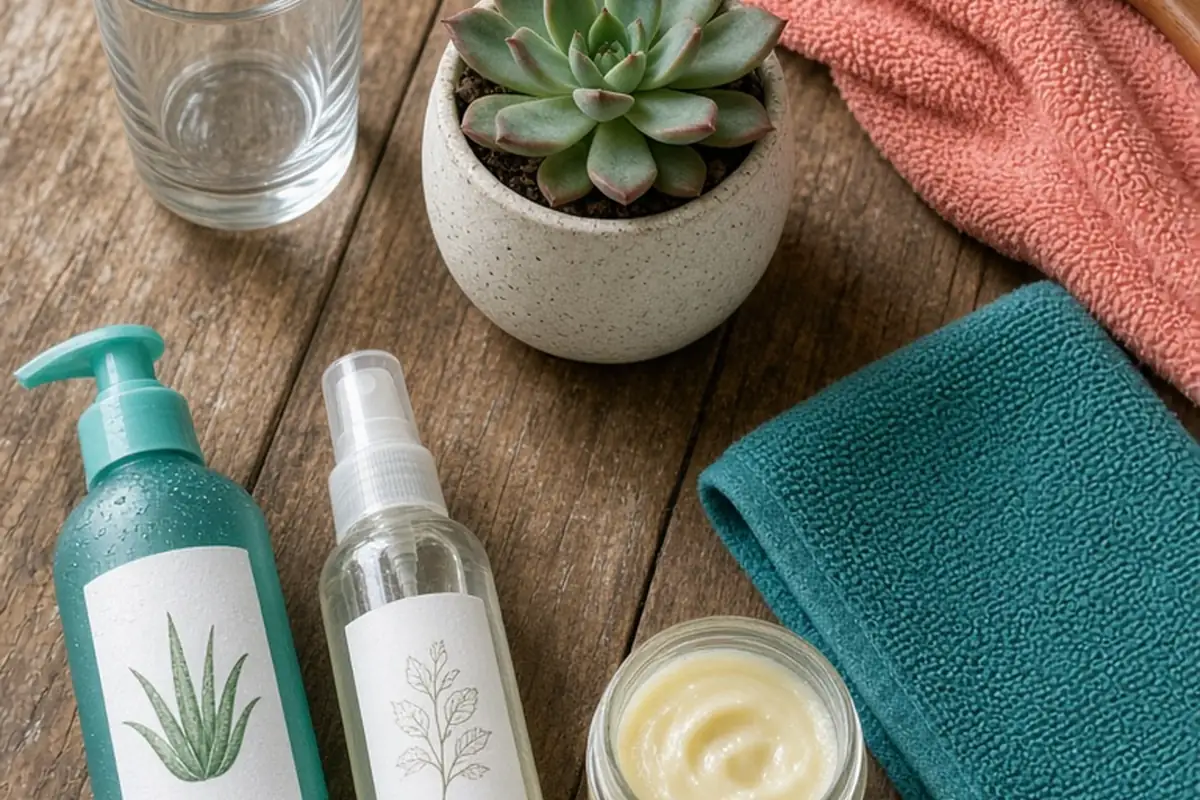
Hair hydration requires infusing water and humectants into the hair shaft and sealing them with emollients to prevent evaporation. To hydrate dry hair effectively, apply water-based leave-in conditioners containing ingredients like aloe vera, glycerin, or panthenol to damp strands, follow with an oil or butter to lock in moisture, reduce washing frequency with harsh surfactants, and protect hair overnight with satin or silk fabrics.
Chronic dryness often develops when a hair care routine focuses exclusively on heavy surface oils without first delivering water-based hydration, or when a compromised cuticle layer allows internal moisture to evaporate rapidly into the surrounding air.
Distinguishing Water-Based Hydration from Oil-Based Sealing
A common point of confusion in hair care is the difference between hydrating hair and moisturizing or sealing it. Hydration refers strictly to the absorption of water into the inner cortex of the hair strand. Water alone provides elasticity, suppleness, and pliability. Humectants such as glycerin, hyaluronic acid, aloe vera, and panthenol assist this process by drawing water molecules from the environment or damp hair directly into the fiber. Without sufficient water content, strands become brittle, stiff, and prone to snapping under tension.
Sealing, by contrast, relies on hydrophobic emollients and occlusives, such as plant oils, butters, and silicones, which create a physical barrier over the hair cuticle. Applying oil directly to dry, unwashed hair does not hydrate it; instead, it coats dry fibers and repels subsequent water absorption. Effective hair care requires applying water or water-rich hydrators first, followed immediately by an emollient layer that traps that water within the strand to slow down natural evaporation.
Assessing Hair Porosity to Determine Hydration Needs
Hair porosity describes how easily moisture passes into and out of the cuticle layer, which dictates which hydration techniques yield the best results. Low-porosity hair features tightly bound, overlapping cuticle scales that lay flat. This structure resists water absorption, causing products to sit on the surface and create greasy buildup rather than deep nourishment. To hydrate low-porosity hair, use lightweight, water-based formulations and apply gentle warmth, such as a warm towel or warm-water rinse, to temporarily lift the cuticle scales and allow humectants to enter.
High-porosity hair has lifted, fragmented, or missing cuticle scales, often caused by chemical processing, high-heat styling, or mechanical friction. While high-porosity hair absorbs water instantly, it loses that moisture just as quickly because the cuticle lacks the structural integrity to hold it inside. Hydrating high-porosity hair requires richer leave-in conditioners, heavier sealing butters or dense oils, and occasional protein-infused treatments that temporarily patch gaps in the cuticle wall to prevent moisture leakage.
Wash-Day Adjustments to Prevent Stripping Natural Moisture
Washing habits heavily influence baseline hydration levels. Traditional clarifying shampoos containing strong surfactants can strip away the scalp's natural sebum, leaving the hair cuticles raised and vulnerable to moisture depletion. For regular cleansing, switch to a gentle, sulfate-free shampoo or a hydrating cleansing conditioner that removes scalp buildup without dissolving every protective lipid. Concentrate shampoo application strictly on the scalp where excess sebum and debris accumulate, allowing the suds to rinse gently down the mid-lengths and ends without aggressive scrubbing.
Water temperature during cleansing also plays an important role in moisture retention. Washing hair with scalding hot water can dissolve protective lipids and cause the cuticle to swell excessively, increasing porosity and leading to moisture loss. Use lukewarm water to cleanse and condition the hair, and finish with a cool-to-lukewarm rinse. The cooler temperature helps smooth down the cuticle layer, locking in the water and conditioning agents applied during the wash cycle.
Deep Conditioning and Steam Application Techniques
While standard rinse-out conditioners provide surface slip and superficial smoothing, deep conditioning masks contain concentrated conditioning agents formulated to penetrate deeper into the hair shaft. For dry or damaged strands, incorporating a dedicated deep conditioner once a week or every two weeks restores softness and flexibility. Apply the treatment evenly through clean, damp hair using a wide-tooth comb to distribute the product from mid-lengths to ends, avoiding direct application to the roots to prevent buildup.
Adding indirect heat or steam during a deep conditioning treatment significantly improves product absorption. Placing a plastic processing cap over the hair and applying heat with a hooded dryer, a warm steamer, or a warm damp towel encourages the cuticles to swell slightly, allowing active humectants and fatty alcohols to penetrate deeper into the cortex. Leave the treatment on for the manufacturer's recommended time—typically between ten and thirty minutes—before rinsing thoroughly with cool water to seal the cuticle.
Layering Leave-In Products with the Liquid-Oil-Cream Method
The Liquid, Oil, Cream (LOC) method and its variation, the Liquid, Cream, Oil (LCO) method, are systematic product layering techniques designed to maximize long-term moisture retention. The process begins with a liquid base, typically water or a lightweight, water-dominant leave-in spray applied directly to freshly cleansed, damp hair. This liquid step delivers the core hydration that the hair fiber requires.
The subsequent steps seal that liquid inside. In the LOC sequence, an oil layer is applied next to form an occlusive barrier, followed by a heavier moisturizing cream to smooth down cuticles and add weight. In the LCO sequence, the cream is applied before the oil. The ideal method depends on hair thickness and texture: fine or low-porosity strands generally respond better to the lighter LCO approach with lightweight oils like argan or jojoba, while thick, coarse, or highly porous coils often thrive with the richer LOC method using heavier butters like shea or castor oil.
Nighttime Protection and Reducing Friction Damage
Hydration can be lost overnight through mechanical friction and the absorbent properties of conventional cotton bedding. Cotton pillowcases actively pull moisture, natural oils, and applied leave-in products out of the hair shaft while you sleep. The coarse texture of cotton also creates micro-abrasions along the cuticle layer as you move, leading to morning frizz, tangles, and split ends that exacerbate dryness.
To protect hydrated strands at night, sleep on a smooth silk or satin pillowcase, or wear a satin-lined bonnet or headscarf. These slippery surfaces allow hair strands to glide freely without friction or moisture transfer. Additionally, securing long hair in loose, low-tension protective styles, such as a loose high ponytail often called a pineapple, loose twists, or soft braids, prevents strands from tangling and snapping while you rest.
Shielding Hair from Environmental and Thermal Stressors
External environmental conditions can rapidly deplete hair hydration. Cold winter winds, dry indoor heating systems, and direct sun exposure all accelerate water evaporation from the hair cortex. Similarly, swimming in chlorinated pools or hard water high in mineral content can deposit mineral film on the hair shaft, creating a barrier that blocks moisture penetration while simultaneously drying out the fiber. Using a shower filter to remove harsh minerals or applying a clarifying chelating rinse once a month helps maintain the hair's ability to absorb water.
Thermal styling tools such as blow dryers, flat irons, and curling wands present another significant risk to hair hydration by boiling residual water out of the inner cortex, a condition known as bubble hair that causes permanent breakage. Always apply a dedicated silicone- or polymer-based heat protectant before heat styling, keep styling tools at moderate temperature settings, and allow hair to air-dry partially before using a blow dryer on low-to-medium heat.
Frequently asked questions
How often should I hydrate my hair?
Most hair types benefit from a light water-based hydration refresh every two to three days, while thorough wash-day conditioning is typically performed once or twice a week. Coarser and higher-porosity textures may require daily leave-in hydration, whereas fine or low-porosity hair may only need product application after washing to prevent heavy buildup.
Can drinking more water fix dry hair?
Adequate internal hydration supports healthy overall hair follicle function and growth at the root level, but it does not directly hydrate the visible, non-living hair shaft. Topical application of water, humectants, and sealing emollients is necessary to resolve dryness along the length of your strands.
What is the difference between dry hair and damaged hair?
Dry hair lacks water and lipid content, causing temporary dullness and rough texture that resolves quickly with proper humectants and conditioning oils. Damaged hair involves broken structural protein bonds within the cuticle and cortex, requiring a balance of protein treatments, gentle handling, and moisture to rebuild tensile strength.
Can oils alone hydrate my hair?
No, oils do not contain water and cannot hydrate hair on their own. Oils are hydrophobic sealants that trap existing water; applying oil to completely dry hair seals out environmental moisture and locks in preexisting dryness.
Your next step
Inspect your current hair products to ensure your leave-in treatment lists water as the first ingredient, and apply it to damp hair before sealing with your preferred oil or cream.