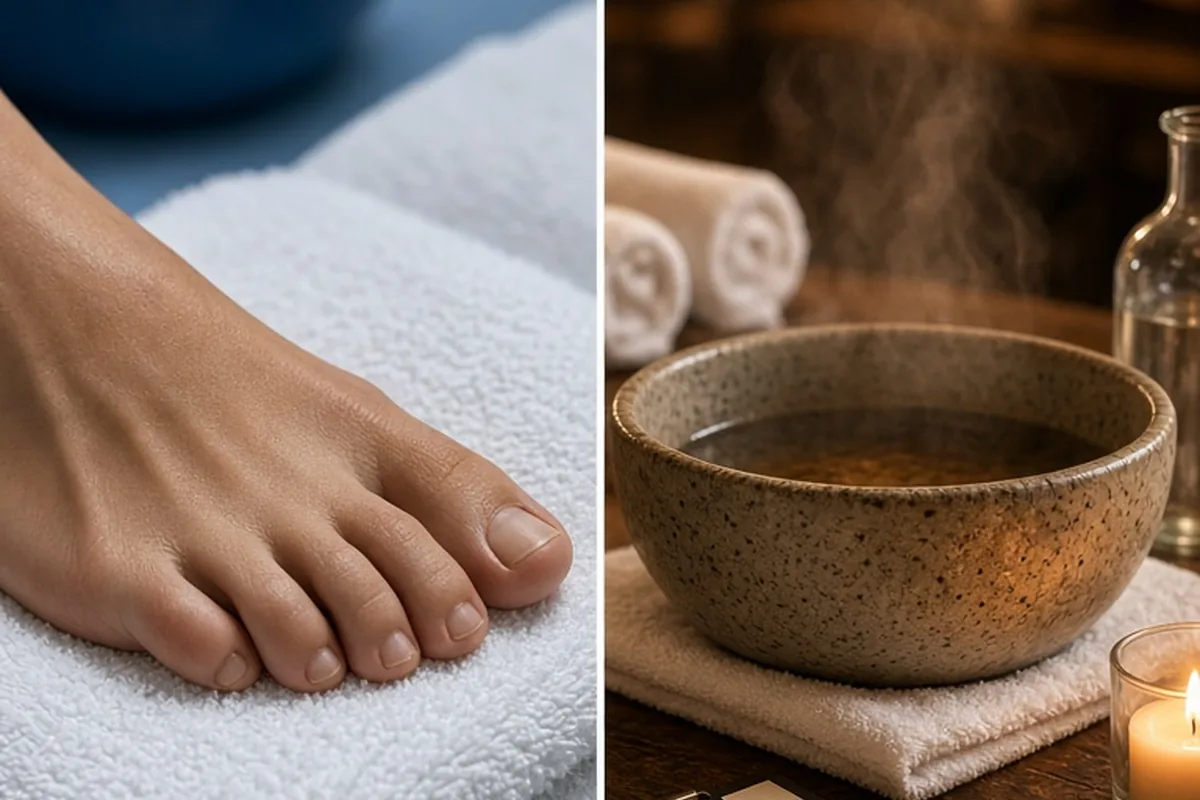
Yes, people with diabetes can generally get pedicures, provided their blood sugar is well-managed and they do not have active foot ulcers, severe neuropathy, or peripheral arterial disease. However, standard salon treatments carry risks like accidental cuts and bacterial infections. Choosing a certified medical nail technician, avoiding sharp blades, and communicating your health needs clearly are essential precautions to keep your feet healthy.
Caring for your feet is an important part of overall personal wellness, but living with diabetes introduces unique considerations for everyday grooming rituals. Understanding how salon procedures affect delicate skin and circulation helps you enjoy pampering while safeguarding your health.
Understanding Diabetic Foot Vulnerabilities During Grooming
Diabetes can alter how the body manages blood flow and repairs everyday skin damage. Over time, elevated blood glucose levels can affect peripheral circulation and dull nerve endings in the lower extremities. This condition, known as peripheral neuropathy, reduces your ability to feel subtle sensations like pain, pressure, or temperature shifts. When you sit in a salon chair, a small scratch, an overly warm foot bath, or an ingrown toenail edge might not register as uncomfortable, yet these minor incidents can quickly break the protective skin barrier.
Compromised circulation also means that once a cut or puncture occurs, the body delivers fewer white blood cells, oxygen, and essential nutrients to the foot to fight off pathogens and mend tissue. A simple micro-abrasion that would heal within days for an individual without diabetes can linger, escalate into a stubborn bacterial infection, or potentially develop into an ulcer. Because of this physiological vulnerability, ordinary cosmetic grooming requires a much higher level of vigilance, gentleness, and technique than standard beauty routines typically demand.
Consider an everyday occurrence where a technician gently clips a cuticle or files down a stubborn corner of a toenail. If a tiny nick occurs, diminished sensation may prevent you from feeling the pinch right away, meaning neither you nor the technician might address the wound promptly. Navigating foot care with diabetes is not about avoiding grooming altogether, but about balancing personal care with strict preventive measures to preserve healthy, unbroken skin.
High-Risk Salon Practices to Strictly Avoid
Traditional nail salons often utilize tools and techniques designed for aggressive dead-skin removal and aesthetic shaping, many of which present serious hazards for diabetic feet. Sharp metal implements such as Credo blades, razor scrapers, and pointed ingrown nail lifters carry an unacceptably high risk of cutting live tissue. Even abrasive coarse pumice stones or harsh metal rasps that resemble kitchen graters can produce micro-tears across the heel and ball of the foot, creating microscopic entry points for bacteria and fungi.
Another critical hazard is the aggressive cutting or pushing back of cuticles. Cuticles act as the natural waterproof seal protecting the nail matrix from environmental microbes. When a technician clips live cuticle tissue or forces it back with metal tools, that protective barrier is stripped away, inviting infections such as paronychia. Similarly, cutting toenails into rounded shapes or digging deeply into the lateral nail folds to remove corners increases the likelihood of painful ingrown nails and localized tissue inflammation.
Water temperature and soaking duration also demand caution. Technicians frequently prepare foot baths with hot water to soften calluses quickly, but reduced thermal sensitivity can result in accidental scalding or severe burns without any immediate feeling of pain. Furthermore, soaking feet for longer than ten to fifteen minutes macerates the skin, causing it to become waterlogged, fragile, and far more susceptible to peeling, cracking, and fungal infiltration.
Whenever you visit a salon, you can proactively request safer alternatives. Ask the technician to keep water lukewarm, skip foot soaking entirely in favor of warm damp towels, use fine-grit disposable files, and rely on gentle urea-based moisturizing creams rather than blades to soften rough areas.
Evaluating Salon Sanitation and Infection Control
Sanitation is paramount when selecting a nail salon, as infectious organisms thrive in warm, moist environments. Piped whirlpool foot spas are particularly notorious for harboring biofilms inside their internal plumbing lines. Even if the basin appears spotless between clients, circulating water can pull accumulated skin cells, oils, and bacteria from hidden pipes directly back into the bath. For individuals with diabetes, opting for salons with pipeless basins, disposable single-use plastic basin liners, or completely waterless pedicure services is significantly safer.
Tool hygiene requires equally rigorous scrutiny. Standard liquid sanitizing jars, while common, may not kill all bacterial spores or fungal elements if tools are not submerged for the proper duration or if the solution is diluted. Safe establishments sterilize all non-disposable metal instruments using a medical-grade autoclave, which utilizes high-pressure steam to destroy microorganisms. Sterile instruments should always be opened from a sealed, indicator-marked sterilization pouch directly in front of you at the start of your service.
Single-use items like emery boards, wooden cuticle sticks, pumice sponges, and toe separators should never be reused between clients. Because these porous materials cannot be sterilized in an autoclave, reputable salons discard them after every customer or offer them to you to take home. You may also choose to purchase and bring your own personal set of stainless-steel clippers and files to eliminate cross-contamination concerns, though your tools must still be cleaned thoroughly after each use.
Medical Pedicures Versus Traditional Salon Treatments
For those seeking professional foot care with the highest degree of safety, a medical pedicure—often referred to as a medi-pedi—offers a clinical alternative to the traditional day salon. These specialized services are performed by Certified Medical Nail Technicians (CMNT) or Advanced Nail Technicians (ANT), often operating under the supervision of a podiatrist or within dedicated medical wellness practices. Unlike standard cosmetic appointments, medical pedicures prioritize dermatological health, structural foot wellness, and absolute hygiene over quick cosmetic enhancements.
Medical pedicures are typically conducted dry, eliminating foot soaking basins altogether to prevent skin maceration and cross-contamination risks. Technicians use advanced, podiatry-grade electric files equipped with vacuum suction to gently smooth thickened nails, reduce calluses, and shape nail edges without tearing delicate tissue. Every instrument undergoes hospital-level autoclave sterilization, and services take place in private, sanitized treatment rooms rather than open salon floors.
While medical pedicures deliver exceptional safety and personalized care, they do involve trade-offs. They generally carry a higher price tag than neighborhood salon visits and may not always include traditional cosmetic touches like intricate nail art or vibrant polish application, unless specialized, non-toxic, breathable polishes are requested. However, for individuals managing peripheral neuropathy, compromised circulation, or chronic skin sensitivity, the clinical expertise and risk reduction make medical pedicures a worthwhile investment.
How to Communicate and Advocate for Yourself at the Salon
Clear communication is your best defense against accidental injury during a cosmetic pedicure. When booking an appointment, inform the receptionist that you have diabetes and request an experienced, gentle technician. Upon sitting in the chair, restate your health needs directly to your technician before any treatment begins. Technicians appreciate knowing your preferences in advance so they can adjust their tools, water temperatures, and techniques accordingly.
You have complete ownership over every step of your pedicure, and setting firm boundaries is essential. Clearly state that you do not want your cuticles cut, that no blades or metal scrapers should touch your skin, and that your toenails should only be trimmed straight across. If a technician attempts to use an unwanted tool or if the water feels warmer than tepid, speak up immediately and ask them to pause.
For example, you can comfortably say: 'I have diabetes and sensitive skin, so I need you to leave my cuticles alone, avoid using any sharp blades or graters on my heels, and check that the water is lukewarm.' A professional technician will respect your directions without hesitation. If an establishment dismisses your requests or pressures you into aggressive treatments, the safest choice is to decline the service and find a provider who prioritizes client safety.
Essential Post-Pedicure Monitoring and At-Home Maintenance
Your foot care routine does not end when you leave the salon chair. Vigilant post-pedicure inspection ensures that any unnoticed irritation or micro-injury is caught before complications develop. In the days following a pedicure, inspect the tops, bottoms, sides, and spaces between your toes under good lighting. Using a handheld mirror or asking a family member for assistance allows you to check your heels and soles thoroughly without straining.
Look closely for warning signs such as localized redness, increased warmth, tenderness, swelling, drainage, or peeling skin around the nail beds. If you notice any of these symptoms or develop an unexplained blister or discoloration, avoid applying over-the-counter medicated pads or trying to treat the area at home. Instead, contact your podiatrist or primary care physician promptly for professional evaluation and targeted treatment.
Between professional appointments, maintaining healthy habits at home helps keep feet soft and strong without aggressive salon interventions. Wash your feet daily with mild soap and lukewarm water, patting them completely dry with a soft towel, especially between the toes where moisture can breed fungal infections. Apply a rich, unscented moisturizing cream to the tops and soles of your feet to prevent dry cracks, leaving the spaces between toes dry. When trimming toenails at home, use clean, straight-edged clippers and gently file rough edges with an emery board.
Frequently asked questions
Can you get a pedicure if you have diabetic neuropathy?
If you have diagnosed peripheral neuropathy, standard cosmetic salons are generally not recommended due to your reduced ability to sense cuts or scalding water. A medical pedicure performed by a podiatrist or certified medical nail technician provides a significantly safer alternative. Always consult your healthcare provider before booking any foot service.
Why is water temperature so critical during a pedicure for diabetics?
Nerve damage from diabetes can impair your ability to accurately gauge hot water temperatures, creating a risk of severe scalds and burns without immediate pain. Water that is too hot can also strip natural oils from the skin, leading to cracks that allow pathogens to enter. Foot baths should always be comfortably lukewarm.
Is it safe to apply regular or gel nail polish if you have diabetes?
Regular nail polish is generally safe if applied over healthy, intact nails and removed periodically to inspect nail bed health. However, gel or acrylic nails requiring harsh scraping, prolonged acetone soaking, or UV curing can weaken natural nail plates and obscure fungal infections. Gentle, breathable polishes are usually the preferred choice.
How should toenails be trimmed to avoid complications?
Toenails should always be clipped straight across rather than rounded at the edges, keeping them level with the tips of the toes. Rounding edges or digging into the nail corners increases the likelihood of painful ingrown toenails. A fine-grit emery board can be used to lightly smooth sharp corners.
Your next step
Inspect your feet thoroughly with a mirror today, and consult your podiatrist or a certified medical nail technician to establish a safe, customized foot care routine before your next grooming appointment.