You should not get a standard salon pedicure if you have an active toenail fungus infection. Salon foot basins, shared nail files, and polish brushes can easily spread fungal spores to other areas of your feet or to subsequent clients. Instead, consult a medical professional for treatment, choose a specialized medical pedicure facility with medical-grade sterilization, or perform careful grooming at home.
Dealing with thick, yellowed, or brittle toenails can make an upcoming salon trip feel stressful and uncertain. While wanting well-groomed feet is completely natural, understanding how fungal infections spread helps you make safe decisions for your own recovery and salon community hygiene.
Why Traditional Salons Turn Away Active Fungal Infections
Traditional nail salons operate under strict public health guidelines established by state cosmetology boards. These regulatory boards explicitly prohibit nail technicians from performing services on clients who present visible signs of contagious nail or skin conditions, including onychomycosis, the clinical term for toenail fungus. When a technician notices nail thickening, distinct yellow or brown discoloration, or crumbling edges, their professional obligation is to decline service. This rule exists not to cause embarrassment, but to maintain a sanitary environment that protects other clients and the staff from communicable microorganisms.
Fungi thrive in warm, moist environments, making standard salon equipment particularly vulnerable to contamination if strict sanitation protocols are not rigorously followed. Microscopic fungal spores can cling to porous tools such as emery boards, pumice stones, and foam toe separators, which cannot be truly sterilized between clients. Furthermore, the internal plumbing, filters, and jets of traditional whirlpool footbaths can harbor fungal biofilms that survive routine surface wipe-downs. If a salon services an active infection, these microscopic organisms can linger in the basin and potentially infect the next person who soaks their feet, especially if that person has microscopic cuts or skin abrasions.
The Risks of Covering Fungal Nails with Polish and Enhancements
A common instinct when dealing with an unsightly toenail is to conceal the discoloration under a layer of dark nail polish, gel lacquer, or acrylic extensions. While this cosmetic fix temporarily hides the aesthetic issue, it creates an optimal breeding ground for the underlying fungus. Fungal organisms multiply rapidly in dark, airless, and moisture-trapped environments. Applying a non-breathable polymer seal over an active fungal colony locks residual moisture directly against the keratin layer, accelerating fungal growth and weakening the nail structure significantly faster than if the nail were left bare.
Beyond accelerating the infection on your own foot, applying traditional polish creates cross-contamination hazards within a salon or household setting. When a nail technician dips an applicator brush into a shared bottle of polish after brushing across an infected nail plate, viable fungal spores can transfer directly into the lacquer. These spores can remain suspended in the formula and transfer to the next client who selects that shade. Additionally, thick cosmetic coatings prevent prescription topical antifungal solutions from penetrating the nail plate, stalling your recovery timeline and potentially leading to permanent nail bed distortion.
Exploring Medical Pedicures as a Clinical Alternative
If you want professional foot care while managing a fungal issue, a medical pedicure, often referred to as a medi-pedi, provides a safe and hygienic solution. These specialized services take place in podiatry offices, dedicated foot clinics, or specialized medi-spas under the supervision of medical professionals. The treatment is conducted by a certified medical nail technician or master pedicurist who has undergone advanced clinical training in foot anatomy, pathology, aseptic techniques, and non-invasive debridement.
Medical pedicures differ substantially from commercial salon experiences by prioritizing foot health over purely cosmetic indulgence. Rather than soaking feet in shared, jetted basins that harbor bacteria and fungi, medical pedicures typically utilize waterless dry techniques using specialized warm towels and clinical antiseptic sprays. All stainless steel instruments are sterilized in hospital-grade autoclaves between appointments, and single-use items are discarded immediately. Technicians can gently thin down thickened fungal nails, safely clean subungual debris, and shape problematic edges without triggering bleeding, irritation, or spore dispersal.
How to Safely Maintain and Groom Your Toenails at Home
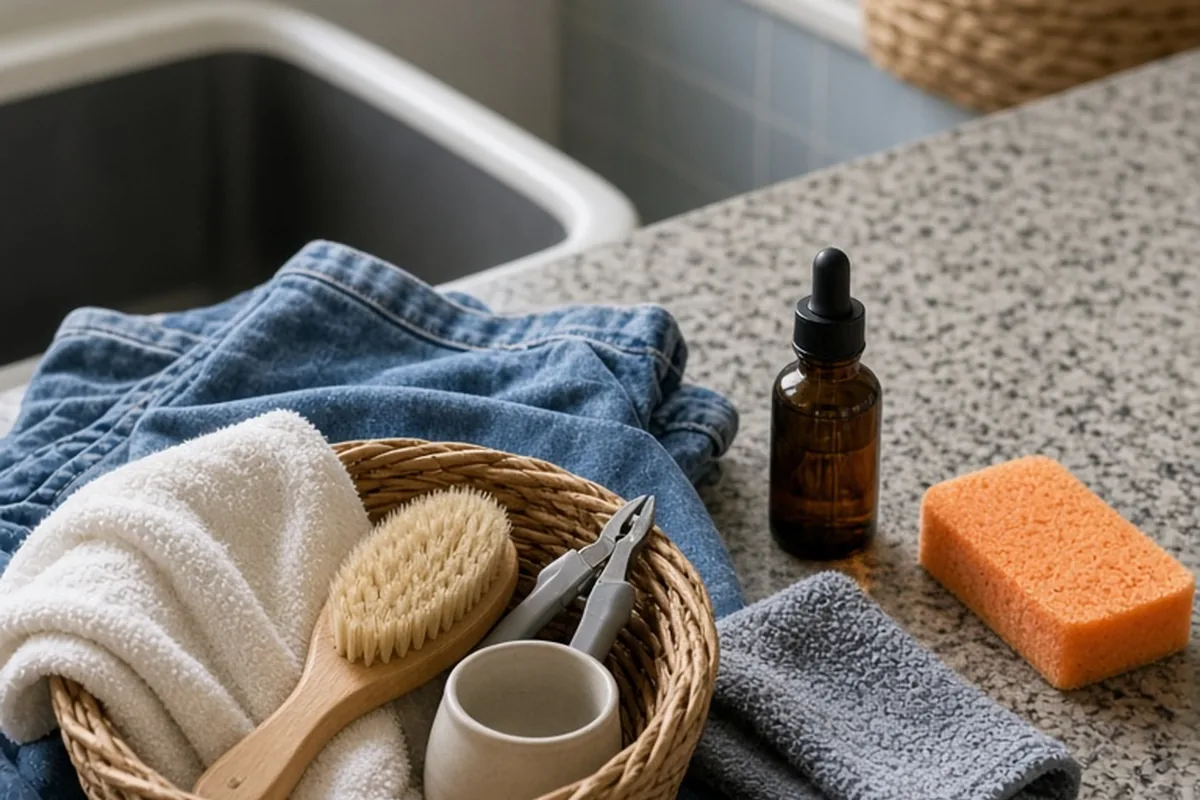
Maintaining your toenails at home during an active infection requires a systematic approach focused on strict hygiene and tool isolation. You should treat the infected nail as a separate entity from your healthy nails to prevent auto-inoculation, which occurs when you inadvertently spread the fungus from one toe to another. Performing your own grooming allows you to keep the nails trimmed and manageable without navigating the sanitation variables of a public salon.
To minimize risks during your home grooming sessions, establish a dedicated routine that emphasizes mechanical safety and immediate tool disinfection. Always trim your healthy nails first before addressing the affected toe, and avoid sharing your grooming kit with anyone else in your household.
- Use dedicated stainless steel clippers and cut straight across the nail rather than rounding the edges to minimize the risk of developing painful ingrown nails.
- Gently file thickened areas using disposable cardboard emery boards, discarding the file immediately after a single use on the affected toe.
- Submerge all metal instruments in seventy percent isopropyl alcohol or a hospital-grade disinfectant for at least twenty minutes after every use.
- Avoid using cuticle nippers or pushing back the proximal nail fold, as the cuticle serves as a vital natural barrier preventing deeper bacterial and fungal infiltration.
- Wash your hands thoroughly with warm water and antibacterial soap immediately after handling or trimming the affected foot.
Vetting Salons for Future Visits After Your Infection Clears
Returning to a commercial salon should only happen once your fungal infection has completely resolved. Because toenails grow slowly at an average rate of one to two millimeters per month, a fully clear nail plate may take nine to eighteen months to grow out entirely from the matrix to the free edge. Once your healthcare provider confirms that the fungal culture is negative or that the visual nail plate has grown out completely healthy, you can safely return to routine salon pampering with a cautious eye toward salon sanitation standards.
Before booking your appointment, take time to evaluate the salon's hygiene protocols and operational practices. High-quality salons will openly discuss their sanitization procedures without hesitation. Look for establishments that utilize pipe-free footbaths with single-use disposable plastic liners, or those offering waterless services. You can also ask whether the salon uses an autoclave to sterilize their metal implements, which should be opened from sealed, sterilized pouches directly in front of you. Bringing your own personal set of sanitized clippers, files, and polishes provides an extra layer of personal control and peace of mind.
Daily Footwear and Lifestyle Habits to Prevent Recurrence
Preventing the return of toenail fungus requires addressing the everyday environments where fungi naturally thrive. Fungal spores are ubiquitous in community settings and readily colonize environments that offer steady heat, darkness, and moisture. By adjusting your daily footwear choices and laundry routines, you create hostile conditions for fungal proliferation, protecting your nails throughout the year.
Choose breathable footwear made from natural leather, canvas, or engineered mesh that permits air circulation around your toes. If your feet tend to sweat throughout the day, switch to moisture-wicking synthetic socks or merino wool blends, changing them immediately after workouts or long work shifts. Rotating your footwear allows each pair of shoes at least twenty-four hours to dry completely before you wear them again. In communal locker rooms, public showers, and pool decks, always wear protective sandals or flip-flops to prevent direct contact with contaminated surfaces.
Illustrative Scenarios
Choosing Clinical Care Over a Cosmetic Fix
A runner noticed moderate yellowing and thickening on one big toenail a few weeks before a major social event. Hoping for a quick cosmetic cover-up, she considered booking a standard gel pedicure at a local nail bar. After learning that non-breathable gel layers could accelerate fungal growth and that salon basins posed contamination risks, she decided to schedule a waterless medical pedicure at a local podiatry clinic instead. The medical nail technician safely thinned the thickened nail plate using autoclave-sterilized rotary tools and trimmed the edges without water baths, leaving her feet neat and comfortable while allowing prescribed topical treatments to reach the nail bed effectively.
Key point: Choosing specialized clinical grooming over quick cosmetic concealment protects long-term nail recovery while keeping feet clean and well-maintained.
Frequently asked questions
Can a nail salon technician tell if my toenail has fungus?
Yes, licensed nail technicians are trained to identify visual signs of contagious nail conditions such as discoloration, thickening, and brittleness. State cosmetology regulations typically require them to decline service on affected toes to protect salon hygiene and client safety.
Can I get a pedicure if I bring my own nail tools and polish?
Bringing your own kit reduces the risk of transferring pathogens through shared files and clippers, but it does not eliminate all hazards. Shared foot basins, towels, and the physical manipulation of an infected nail can still spread spores, so most reputable salons will decline service until the infection clears.
Are waterless pedicures safe if I have a mild nail issue?
Waterless pedicures are significantly safer than traditional foot soaks because they eliminate the moisture-retention and plumbing contamination risks of whirlpool basins. However, you should ensure the service is performed by a certified medical nail technician using autoclave-sterilized instruments.
How long should I wait after treatment to visit a standard salon?
You should wait until the infected portion of the toenail has completely grown out and your healthcare provider confirms that the fungal infection is resolved. Because great toenails grow slowly, full replacement usually takes between nine and eighteen months.
Your next step
Schedule a diagnostic evaluation with a podiatrist or primary care physician to identify your nail condition, and pause standard salon visits until your nail has fully healed under a proper treatment plan.