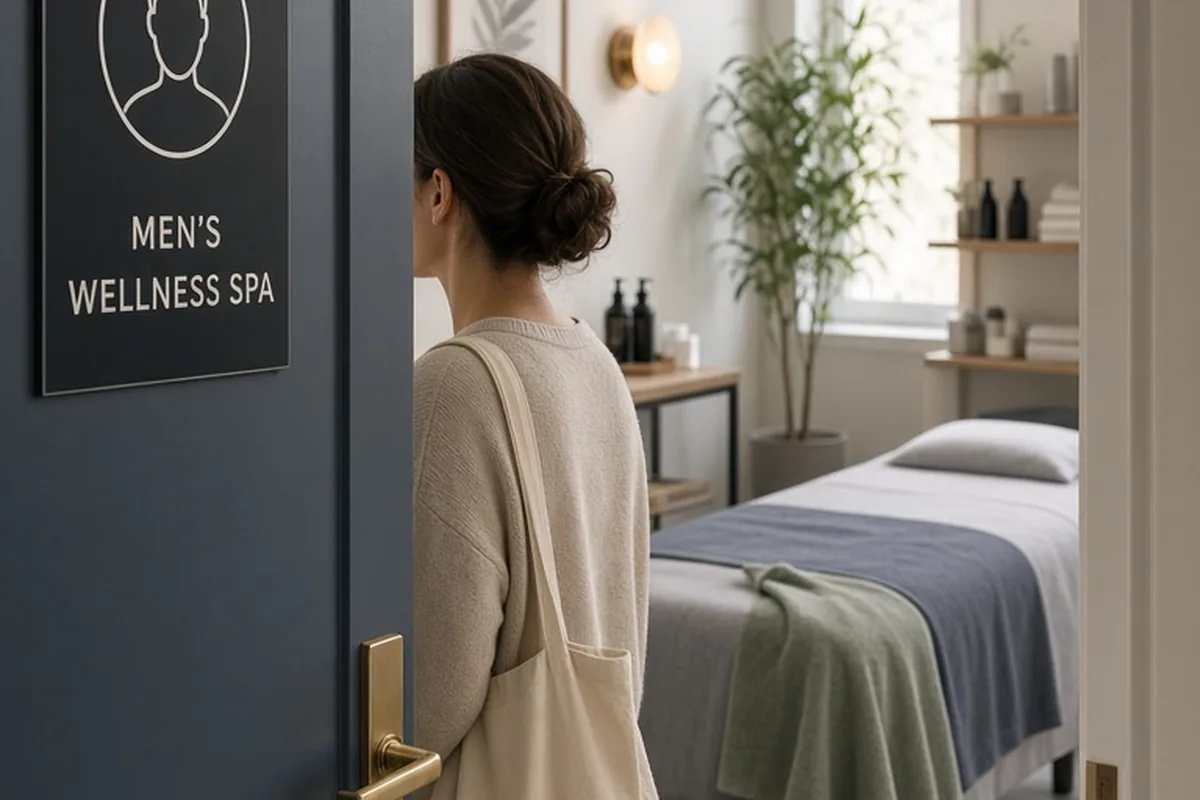
In the United States, a standard commercial spa generally cannot refuse service to women. Federal, state, and municipal public accommodation laws prohibit retail businesses open to the general public from discriminating based on sex or gender. While you can tailor your brand, decor, and treatment menu specifically toward men, turning female patrons away simply because of their gender usually exposes your business to civil rights complaints, legal liability, and costly fines.
Entrepreneurs and wellness practitioners frequently ask whether they can establish an exclusively male sanctuary to help men feel comfortable seeking grooming, massage, and skin treatments. While creating a comfortable environment tailored to men addresses a genuine gap in personal care, navigating the legal boundaries of public access requires careful planning rather than outright bans.
Understanding Public Accommodation Laws and Protected Status
In the United States, any business that opens its doors to the public to provide goods, services, or recreational experiences is classified as a place of public accommodation. While Title II of the federal Civil Rights Act of 1964 specifically addresses race, color, religion, and national origin in lodging and dining, state and municipal civil rights statutes nearly universalize these protections to cover sex, gender identity, and gender expression. State frameworks, such as California's Unruh Civil Rights Act or the New York State Human Rights Law, strictly forbid businesses from denying equal access, advantages, or privileges based on gender.
When an owner posts a sign or establishes a policy stating that women may not enter or purchase services, that practice is treated under state law as overt discrimination. It makes no difference whether the business owner's intention was hostile or simply aimed at cultivating a niche brotherhood atmosphere. Regulators and courts look at the impact of the policy: a customer willing to pay the standard fee for a posted service was turned away solely due to their sex. The practical reality is that commercial licenses are issued under the premise that the enterprise serves the broader public in an equitable manner.
This legal reality does not mean an enterprise must dilute its core aesthetic or abandon its preferred target audience. It simply means access cannot be conditioned on a customer's biological sex or gender presentation. A shop can specialize in straight-razor shaves, beard maintenance, and deep-tissue recovery designed around athletic male ergonomics, but if a woman enters requesting a standard scalp massage or a beard oil retail purchase, declining to serve her creates immediate statutory liability.
The Exception Threshold: Bona Fide Private Clubs Versus Open Retail
Business owners often ask whether establishing their spa as a members-only establishment allows them to restrict membership to men. The law does recognize a narrow exemption for bona fide private clubs, but qualifying for that exemption requires satisfying an exceptionally demanding set of legal standards. An enterprise cannot merely put up a membership clipboard at the reception counter or charge an annual five-dollar registration fee and legally claim private club status.
Courts assess several strict factors when determining whether an entity is genuinely private: whether members genuinely control the organization's governance and admission decisions, whether admission processes involve meaningful selectivity and vetting, whether the organization is non-profit or member-owned, and whether facilities are held open to guest patronage or commercial advertising. If your facility advertises to the general public, seeks regular commercial profits, or admits anyone who pays a membership fee, authorities will view the private club designation as a legal sham designed to bypass public accommodation rules.
For the vast majority of spa and personal care owners, operating a true non-profit private club is financially impractical and operationally restrictive. The capital costs, licensing fees, and ongoing maintenance of wellness amenities usually require consistent, predictable foot traffic and broad marketing reach. Relying on an untested private membership defense to exclude female patrons introduces profound business vulnerability that few small business balance sheets can endure.
Legitimate Privacy Boundaries: Locker Rooms, Saunas, and Wet Areas
Where the law does grant leeway is in personal bodily privacy. Anti-discrimination statutes consistently differentiate between denying a customer entry to a business and providing reasonable, sex-segregated facilities for areas where patrons disrobe. If your spa features communal saunas, steam rooms, locker rooms, or whirlpools where individuals are unclothed, you can maintain designated single-sex areas or establish alternating schedules to protect personal modesty.
The distinction centers on access to the broader commercial offering versus access to specific intimate spaces. For instance, a spa can operate separate men's and women's steam suites, or designate specific times of the week when a shared thermal bath facility is reserved for men and other times when it is reserved for women. However, this approach requires offering comparable access or ensuring that core commercial services, such as facials, therapeutic massages, and nail care, remain bookable by any customer in private treatment rooms.
When implementing privacy measures, clear communication and non-judgmental customer care are paramount. If a woman wishes to book a massage at your facility, having a men-only communal wet lounge does not justify refusing her a private-room massage service. You must simply explain what the private service includes, inform her of any single-sex limitations on communal lounges, and ensure that private changing accommodations and restroom facilities are available.
The Real-World Financial and Reputational Costs of Exclusion
Enforcing an outright refusal policy carries severe operational hazards that far outweigh any imagined marketing benefits. When a consumer is refused service based on their sex, the resulting dispute rarely remains a quiet private conversation at the reception desk. In modern retail environments, service denials frequently lead to civil rights enforcement filings, public licensing hearings, and immediate reputational backlash on social review platforms.
Statutory penalties for discrimination under municipal and state laws can be devastating for an independent operator. In many jurisdictions, successful complainants are entitled to statutory minimum damages per violation, plus mandatory attorney fees, which can quickly climb into tens of thousands of dollars before a formal trial even begins. Furthermore, local licensing boards oversee spa, cosmetology, and massage therapy permits, and repeated civil rights infractions can place your foundational business permits and facility licenses in immediate jeopardy.
Beyond legal fees, the business cost is counterproductive. A sizable percentage of male grooming and spa appointments are purchased or recommended by female partners, family members, and colleagues. Turning women away or treating them with hostility alienates the exact gift-givers and referral partners who drive steady revenue. A business that appears dismissive or antagonistic toward women often loses its male clientele as well, since modern consumers generally avoid brands associated with public conflict and exclusionary practices.
Designing a Men-Focused Brand Without Banning Other Customers
The smart alternative to an unlawful blanket ban is intentional positioning. You can create an environment that feels welcoming, masculine, and specifically designed for men without ever issuing an unlawful refusal to female clients. Men often feel hesitant to visit traditional day spas because the spaces feel clinical, intimidating, or overtly feminized. By adjusting sensory elements, service design, and messaging, you can solve that hesitation naturally.
Consider how you structure your interior design, literature, and service menu. Industrial wood tones, muted lighting, leather seating, complimentary coffee or craft beverages, and private treatment suites all signal a comfortable environment for male clients. Similarly, your treatment offerings can directly tackle male-specific skin issues, such as razor irritation, ingrown facial hair, rough callous reduction, or recovery from heavy lifting. When your marketing imagery features men and your content speaks directly to male wellness routines, your natural demographic will predominantly consist of men.
If a woman walks into this environment and requests an appointment, the professional move is simple: provide the exact service requested at your posted price with genuine hospitality. In practice, women visiting a specialized male-focused spa are usually purchasing gift cards for partners, buying specialty grooming products, or looking for effective, unpretentious sports recovery treatments. Serving them courteously protects your compliance, builds brand trust, and preserves your focus on your target market.
Training Front-Desk Staff and Crafting Practical Policies
Your front-desk team and booking software are your primary lines of defense against both customer misunderstanding and legal risk. If an untrained employee panics when a woman asks for an appointment and tells her that the shop does not take women, your business has committed a verbal violation on the spot. Owners must equip team members with clear, consistent scripts that welcome every paying guest while accurately describing what the spa does and does not offer.
Train your staff to describe services by their concrete features rather than by who is supposed to buy them. If someone asks whether women are allowed, the answer should be unambiguous: everyone is welcome, and our treatments are specifically designed around men's grooming, athletic recovery, and skincare needs. This framing shifts the focus away from identity restriction and toward service specialty. Customers are given the autonomy to decide whether your specific menu meets their personal expectations.
Clear policies should also govern online booking platforms and intake questionnaires. Ensure that your automated scheduling software does not filter out patrons by gender, and verify that intake documentation asks relevant health, skin, and muscular questions rather than sorting people into restrictive categories. When your digital intake reflects professional, objective wellness standards, you demonstrate equitable business practices while continuing to serve your niche audience effectively.
Illustrative Scenarios
Reframing the Men's Grooming Club
Julian leased a downtown storefront to launch a men's recovery spa featuring cold plunges, sports massage, and beard treatments. To protect what he envisioned as an unapologetic guy's retreat, he considered putting a policy on his booking page stating that bookings were restricted to male clients only. After discussing the draft terms with a commercial business advisor, Julian realized this approach violated local public accommodation statutes and exposed his lease to forfeiture. Instead, Julian adjusted his branding to highlight rugged recovery therapies and tailored deep-tissue routines while keeping checkout open to all adults. Several local women booked treatments for athletic soreness, while many others purchased annual packages for their spouses.
Key point: Positioning your business through specialized offerings attracts your target audience naturally without exposing you to civil rights violations.
Navigating the Communal Bathhouse Dilemma
Erick operated a traditional bathhouse with open cedar saunas, cold baths, and a relaxation lounge. He wanted to preserve an environment where men felt comfortable walking without robes between thermal pools, but he received inquiries from women who wanted to use the facilities on weekends. Instead of turning these prospective clients away with a broad prohibition, Erick established designated alternating community hours alongside private treatment room availability. Monday and Wednesday evenings became designated men's thermal sessions, Tuesday and Thursday evenings were reserved for women, and weekends operated with standard swimwear requirements. The facility maintained its relaxing privacy standards while keeping every service legally accessible.
Key point: Scheduling dedicated single-sex sessions for communal modesty areas solves privacy concerns while maintaining full public compliance.
Frequently asked questions
Can I legally advertise my spa as a men's spa?
Yes, you can legally market your business as specializing in men's grooming and male wellness. However, your marketing cannot state or imply that women are banned from entering or purchasing services. Specializing in a target market is permissible, but denying retail transactions based on gender is not.
Can I charge women higher prices if they request services at my spa?
No, charging women different rates for comparable services is considered gender-based price discrimination, often referred to as the pink tax or discriminatory pricing under state consumer protection laws. If a treatment requires more time, labor, or product, your pricing must be based on objective criteria such as hair length or service duration, not the client's gender.
What should my staff say if a woman asks to book a service?
Staff should warmly accept the inquiry and clearly explain the service menu and facility setup. A helpful response is: 'We are delighted to book you. Just so you know, our treatments, products, and amenities are specifically tailored around male grooming and sports recovery, but anyone is welcome to enjoy them.'
Are private member-only clubs truly exempt from gender discrimination laws?
Only genuine, selective, non-profit private clubs that are not open to the public can qualify for exemptions under federal and state civil rights laws. Standard commercial businesses that sell memberships to general consumers for profit almost never meet the legal threshold required to exclude protected classes.
Your next step
Review your public marketing, intake forms, and staff booking scripts today to ensure your services emphasize male-tailored expertise while remaining fully accessible to any paying client.