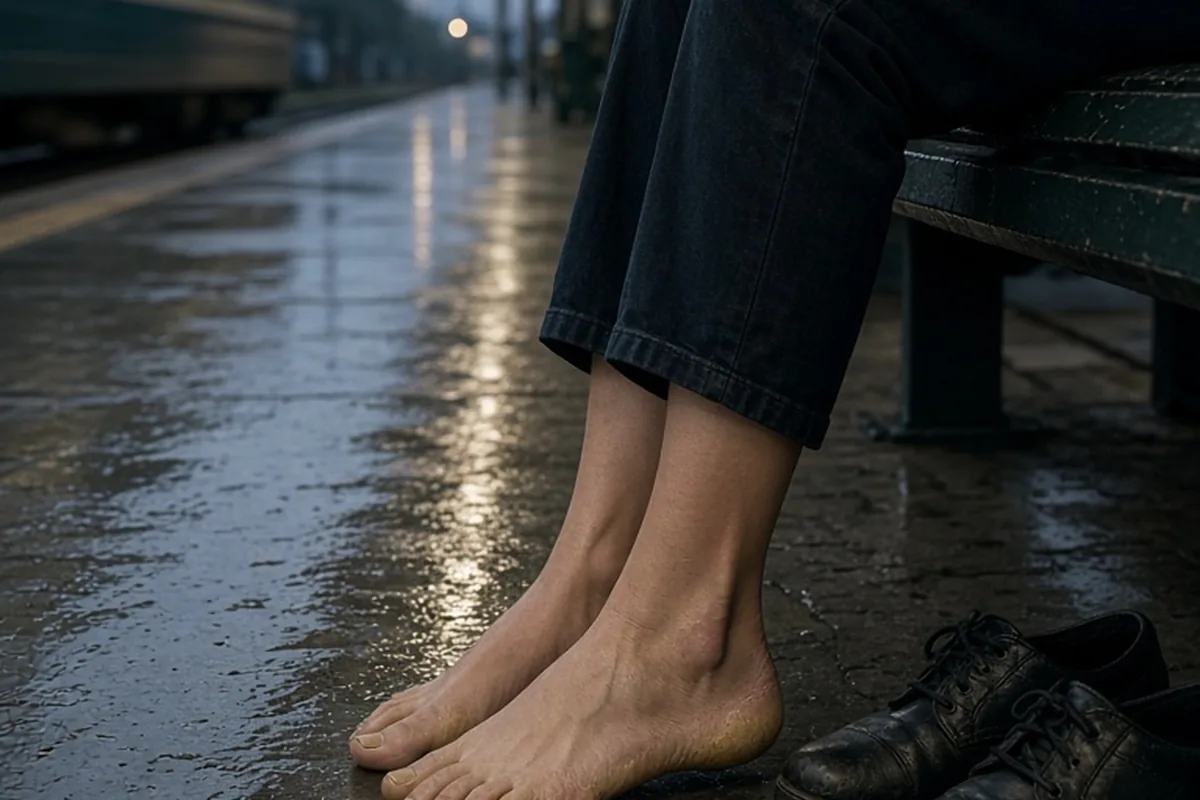
A standard pedicure can significantly reduce and soften calluses, but it cannot permanently remove them in a single visit. Pedicurists use foot files, pumice stones, and exfoliating scrubs to gently slough off built-up dead skin layers. For safety and infection prevention, technicians should never completely shave or cut calluses down to raw skin with razors or blades.
Stepping into a nail salon with rough, hardened heels often brings the hope of walking out with completely transformed feet. Understanding what a pedicure can realistically achieve helps you protect your skin while enjoying the smoothing benefits of professional care.
How Professional Pedicures Soften and Reduce Calluses
A typical salon pedicure approaches thickened skin through a structured sequence of softening, manual exfoliation, and hydration. The service begins with a warm foot bath, often enhanced with Epsom salts, essential oils, or mild conditioning agents. Soaking your feet for ten to fifteen minutes softens the outermost layer of dead skin cells, making the hardened keratin much easier to work with. Once the skin is pliable, the technician applies an exfoliating scrub or a gentle skin-softening solution formulated to break down rough patches without irritating healthy tissue.
After preparation, the pedicurist uses manual friction tools, such as dual-sided foot files, ceramic stones, or natural pumice, to gradually slough away the rough layers. A technician works in smooth, multidirectional strokes across the heel, the ball of the foot, and the outer edges of the big toe. This method thins down the callus gradually rather than attempting to strip it entirely in one pass. The trade-off is that very thick or years-old calluses will still retain some firmness after the session, because removing too much tissue at once leaves the underlying skin tender, sensitized, and susceptible to painful cracking.
The Difference Between Safe Buffing and Dangerous Blade Shaving
In the search for ultra-smooth soles, some clients ask for or accept the use of a Credo blade, a specialized razor designed to slice thick sheets of dead skin off the heel. While the immediate result looks dramatic, cutting calluses with a blade presents serious health hazards. Cosmetologists are licensed to provide cosmetic surface grooming, not surgical tissue removal. Slicing too deeply can easily pierce live dermal tissue, triggering profuse bleeding, open wounds, and an elevated risk of bacterial or fungal infections like cellulitis and athlete's foot.
When skin is aggressively shaved down, the body responds to the sudden trauma by accelerating keratin production, often returning with a thicker, more stubborn callus than before. Safe pedicures rely strictly on abrasive smoothing rather than sharp cutting edges. If a technician pulls out a metal rasp that resembles a microplane cheese grater or a razor tool with disposable blades, it is best to decline that portion of the service. Gentle, controlled abrasive filing respects the protective boundary of your skin while creating a soft, even texture.
Why Calluses Form and Why They Inevitably Return
Calluses are not a flaw or an infection; they represent your body's defensive response to repetitive pressure, friction, and weight distribution. When your footwear rubs against your heel, or when your walking pattern exerts sustained force on the balls of your feet, the skin produces dense layers of keratin to shield the underlying bones, nerves, and deeper tissue from injury. Runners, retail workers on their feet all day, and individuals who frequently walk barefoot or wear unpadded shoes naturally develop thicker patches.
Because calluses serve a biological purpose, no pedicure can guarantee permanent removal. As long as you continue wearing the same shoes, standing on hard surfaces, and walking with your normal gait, the frictional forces persist. Over three to four weeks, the stratum corneum will slowly rebuild its protective cushion. Accepting that calluses require recurring cosmetic management rather than an absolute cure allows you to approach foot care with realistic, sustainable expectations.
When to Choose a Medical Podiatrist Over a Nail Salon
While a salon pedicure provides relaxation and light aesthetic upkeep, it is not an appropriate setting for treating pathological, painful, or deeply cracked skin. If your calluses develop deep fissures that bleed, throb, or make walking uncomfortable, they require the attention of a licensed podiatrist. Medical providers can safely pare down deep hyperkeratosis using sterile medical scalpels, identify underlying structural foot imbalances, and prescribe prescription-strength ointments that address the root cause of excessive buildup.
Individuals with medical conditions that impair circulation or immune function, particularly diabetes or peripheral neuropathy, should bypass standard beauty salons for callus management entirely. A minor scratch or excessive friction from an overzealous salon foot file can escalate into a non-healing ulcer or serious infection before nerve-damaged feet can feel the pain. Routine medical foot care from a podiatry clinic ensures hardened skin is managed under stringent clinical sanitation guidelines without compromising personal safety.
Maintaining Supple Feet Between Salon Appointments
Prolonging the softening benefits of a pedicure requires consistent, low-effort maintenance at home. Rather than waiting a month for rough skin to accumulate, incorporate gentle filing into your weekly shower routine. Use a fine-grit foot paddle or a wet pumice stone on damp heels for sixty seconds once or twice a week, moving in light, circular motions. Applying gentle, regular upkeep prevents thick plates of hardened skin from accumulating and reduces the amount of work required during your next salon visit.
Moisture retention is the second vital pillar of callus control. Apply an intensive foot cream containing emollient ingredients like shea butter, cocoa butter, or petroleum jelly immediately after drying off from a bath or shower when your skin is most receptive to hydration. For stubborn dryness, creams with mild keratolytic agents such as urea or lactic acid help dissolve rough surface bonds overnight. Putting on a pair of clean, breathable cotton socks after moisturizing seals in the treatment and protects your bed linens.
What to Communicate to Your Pedicurist for the Best Results
Achieving a satisfying, safe pedicure depends heavily on clear communication before the technician starts working on your feet. When you sit down in the chair, state your preferences clearly regarding callus work. You can let the pedicurist know that you want your heels softened with a standard file or buffer, but that you do not want aggressive scraping, rasping, or any cutting blades used on your skin. Professional technicians welcome clear instructions and will adjust their tools and pressure accordingly.
Pay attention throughout the appointment and do not hesitate to speak up if anything feels uncomfortable. If a foot file feels too hot against your skin due to rapid friction, or if a technician scrubs an area until it stings, ask them to pause or use lighter pressure immediately. In addition, check that the salon uses disposable plastic tub liners or rigorously disinfects foot basins between clients, and confirm that all metal instruments come directly from a sealed, sterilized autoclave pouch.
Frequently asked questions
Can a single pedicure completely eliminate severe heel calluses?
No, a single session cannot safely eliminate deep or long-standing calluses without risking injury to healthy underlying skin. A skilled pedicurist will reduce the outer roughness and soften the area, but complete smoothing often requires multiple progressive sessions paired with consistent at-home moisturizing.
Is it safe for a nail technician to cut off a callus with a blade?
No, using razor-like blades or cutting tools to slice calluses is considered unsafe in a salon environment and is prohibited in many jurisdictions. Razor tools carry a high risk of deep cuts, bleeding, and severe infections that cosmetologists are not medically equipped to treat.
How often should you get a pedicure to manage foot calluses?
Scheduling a pedicure every three to four weeks is generally ideal for keeping calluses under control without over-exfoliating the skin. Combining this monthly schedule with twice-weekly at-home moisturizing will maintain soft heels and prevent hard ridges from reforming quickly.
Why do my heels feel tender or sensitive after a salon pedicure?
Tender heels usually indicate that the technician filed the skin too aggressively or removed too much of the protective outer layer. If your feet feel raw, pause all abrasive filing for two weeks and apply a soothing, fragrance-free ointment twice daily to help the skin barrier recover.
Your next step
Inspect your current foot care tools tonight, discard any harsh metal rasps or razor blades, and replace them with a gentle pumice stone and a rich moisturizing cream to prepare your feet safely for your next appointment.