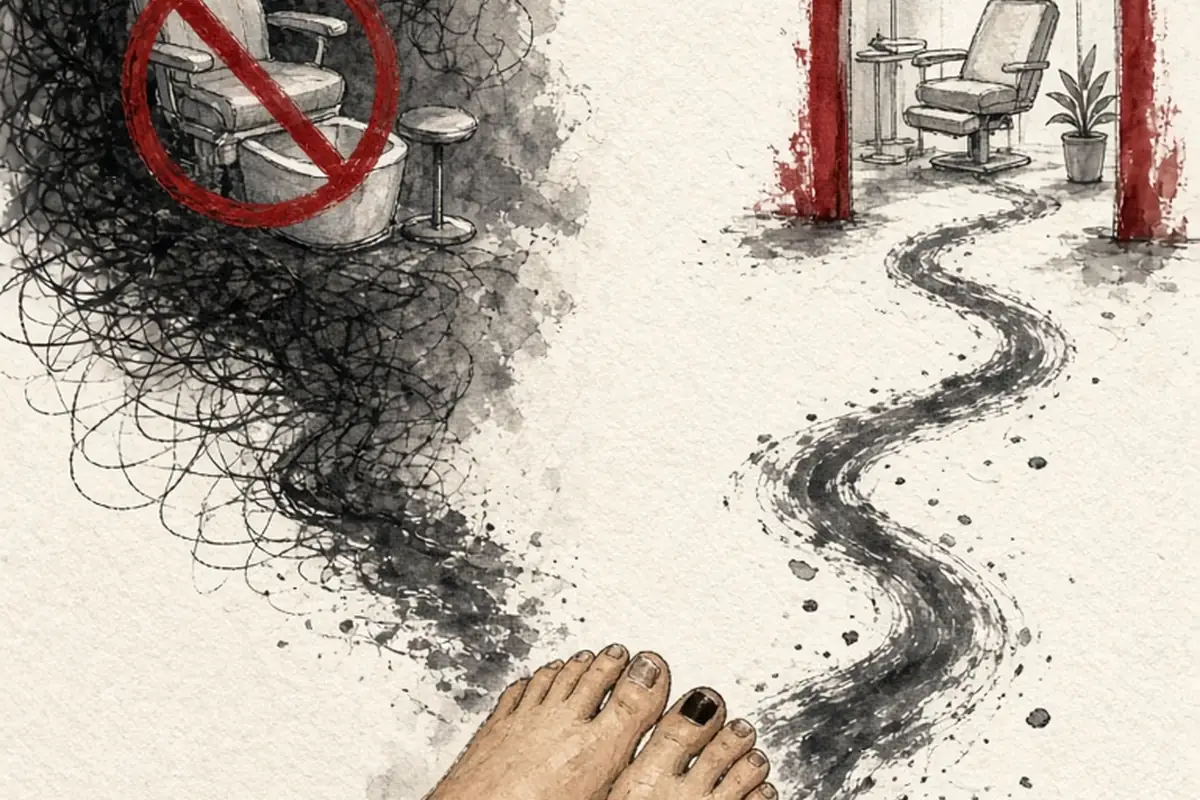
You should avoid getting a traditional salon pedicure if you have an active toenail fungus. Most state cosmetology boards and salon hygiene protocols prohibit technicians from servicing infected nails to prevent spreading fungal spores to other patrons or into your nail bed. Instead, safe options include booking a clinical medical pedicure through a podiatry office or performing hygienic, gentle nail maintenance at home.
Navigating nail care while dealing with a discolored, brittle, or thickened toenail can feel frustrating, especially when you want your feet to look neat and presentable for warm weather or an upcoming event.
Salon Hygiene Standards and Cross-Contamination Risks
Commercial nail salons operate under strict public health regulations designed to protect clients from communicable infections. Toenail fungus, clinically known as onychomycosis, spreads easily through fungal spores that thrive in warm, damp environments. Foot basins, whirlpool jets, nail files, buffers, and cuticle nippers can harbor microscopic organisms if they are not sterilized according to medical-grade standards between appointments. Because standard salon disinfection routines may not always eliminate resilient fungal spores from porous tools, servicing an infected toe creates an unnecessary contamination hazard for subsequent clients.
Beyond protecting other patrons, skipping a conventional salon pedicure protects your own foot health. When a nail technician works on an infected nail plate, aggressive buffing, filing, or cuticle trimming can create micro-tears in the surrounding skin. These tiny abrasions give the fungus a pathway to spread deeper into adjacent toes or invite secondary bacterial infections. If a technician notices telltale signs such as yellowing, crumbly texture, or nail separation, professional standards obligate them to pause the service and decline working on the affected area.
Why Covering Fungal Nails With Polish Backfires
It is understandable to want to conceal discoloration or uneven texture under a coat of vibrant lacquer, but applying traditional nail polish, gel, or acrylic overlays directly over a fungal infection tends to worsen the underlying issue. Standard nail polishes form an impermeable barrier that seals in moisture and deprives the nail bed of air. Fungi thrive in dark, humid conditions, meaning an occlusive layer of polish essentially creates an ideal breeding ground for the organism to multiply.
Gel manicures and acrylic extensions pose an even greater risk during an active outbreak. The harsh application process, which involves dehydrating chemicals and surface etching, weakens the natural nail plate. Furthermore, the removal process requires soaking in acetone and scraping, which can strip away damaged layers and leave your nail bed vulnerable to structural trauma. If you are undergoing topical treatment prescribed by a doctor, regular polish also blocks those therapeutic solutions from penetrating the nail plate, stalling your recovery timeline.
The Medical Pedicure as a Clinical Alternative
If you need grooming assistance and cannot treat your nails effectively at home, a medical pedicure (often referred to as a medi-pedi) offers a safe, hygienic solution. Performed by licensed nail technicians working directly under the supervision of a podiatrist or by medical foot care specialists, medical pedicures bridge the gap between aesthetic grooming and clinical foot health. These procedures take place in private, clinical exam rooms rather than shared salon spaces, minimizing environmental exposure.
Medical pedicures utilize medical-grade autoclaves to sterilize all stainless steel instruments, ensuring that every tool is completely pathogen-free before touching your skin. Rather than soaking feet in shared water basins, specialists typically perform waterless services using specialized electric files with integrated vacuum systems that capture fungal debris instantly. The practitioner can carefully debride thickened nail tissue, smooth rough edges, and clean surrounding cuticles without causing trauma, making your feet look significantly tidier while supporting your ongoing treatment regimen.
Safe At-Home Foot Grooming Practices
Managing your feet at home allows you to maintain neat nails without risking salon exposure or feeling self-conscious. The key to safe home maintenance is strict tool hygiene and a gentle touch. Always trim your nails straight across rather than rounding the edges, which reduces the likelihood of developing painful ingrown toenails alongside the fungal infection. Use a sturdy, stainless steel clipper and avoid cutting the nails too short, leaving a small sliver of white edge to protect the underlying nail bed.
Designate a specific set of tools solely for the infected toe to prevent transferring spores to healthy toenails. After trimming, disinfect clippers by soaking them in rubbing alcohol or a bleach-water solution for several minutes, and dispose of single-use emery boards immediately. If you wish to use nail color, consider doctor-formulated breathable polishes or specialized lacquers that contain natural antifungal ingredients like tea tree oil, but make sure to remove the polish every few days so you can monitor the nail's progress and apply targeted care.
- Soak tools in isopropyl alcohol for at least ten minutes after each grooming session.
- Use disposable cardboard nail files and discard them after a single use.
- Trim healthy toes first before addressing the infected nail to avoid spreading spores.
- Wash and thoroughly dry your feet, paying close attention to the spaces between toes.
Recognizing When It Is Safe to Return to a Regular Salon
Because toenails grow slowly, clearing an infection requires patience. A healthy toenail takes anywhere from nine to eighteen months to grow out entirely from the matrix to the free edge. You should wait to book a conventional salon pedicure until the damaged, discolored portion of the nail has completely grown out and been trimmed away, leaving behind a smooth, pink, and firmly attached nail plate.
Even after your nail appears clear, evaluating a salon's hygiene practices is a crucial step in preventing a recurrence. When selecting a nail spa, look for establishments that use hospital-grade autoclaves for metal tools, line their foot baths with single-use disposable plastic liners, or offer waterless pedicure options. Do not hesitate to ask the staff how they sanitize their equipment between clients; reputable salons take pride in transparent sanitation standards and will happily explain their procedures.
Illustrative Scenarios
Navigating Foot Care Choices During Nail Recovery
A regular salon client noticed a thick, yellowish patch developing on their great toenail after a summer running season. Initially planning to mask the discoloration with dark gel polish at their usual nail appointment, they decided to consult their podiatrist first. The doctor diagnosed a localized fungal infection and advised against standard salon pedicures. The client opted for a medical pedicure to safely thin the thickened nail and switched to an at-home routine using dedicated, sanitized clippers alongside a prescribed topical solution.
Key point: Opting for specialized clinical care instead of covering an infection with cosmetic products prevents spreading the fungus and accelerates healthy nail regrowth.
Frequently asked questions
Can I bring my own nail tools to a commercial salon if I have nail fungus?
Bringing your own tools is not recommended because fungal spores can still transfer to towels, foot basins, and the technician's gloves. Most professional technicians are legally required to refuse service on visibly infected nails regardless of who provides the tools.
Will soaking my feet in a salon foot bath make my toenail fungus worse?
Yes, prolonged soaking in warm water can soften the infected nail plate and surrounding skin, making tissue more susceptible to deeper fungal penetration and bacterial entry. Inadequately cleaned whirlpool jets can also harbor additional pathogens that exacerbate the condition.
Is it safe to wear regular nail polish if only a tiny corner of the toe is infected?
It is best to leave the nail unpolished because regular lacquers trap moisture across the entire nail plate, encouraging the infection to spread across the remaining healthy nail. If you choose to apply color, stick to breathable or medicated formulas approved by your healthcare provider.
Your next step
Inspect your toenails in bright light, set aside dedicated stainless steel tools for gentle at-home trimming, and consult a podiatrist to explore targeted treatments or medical pedicure options.