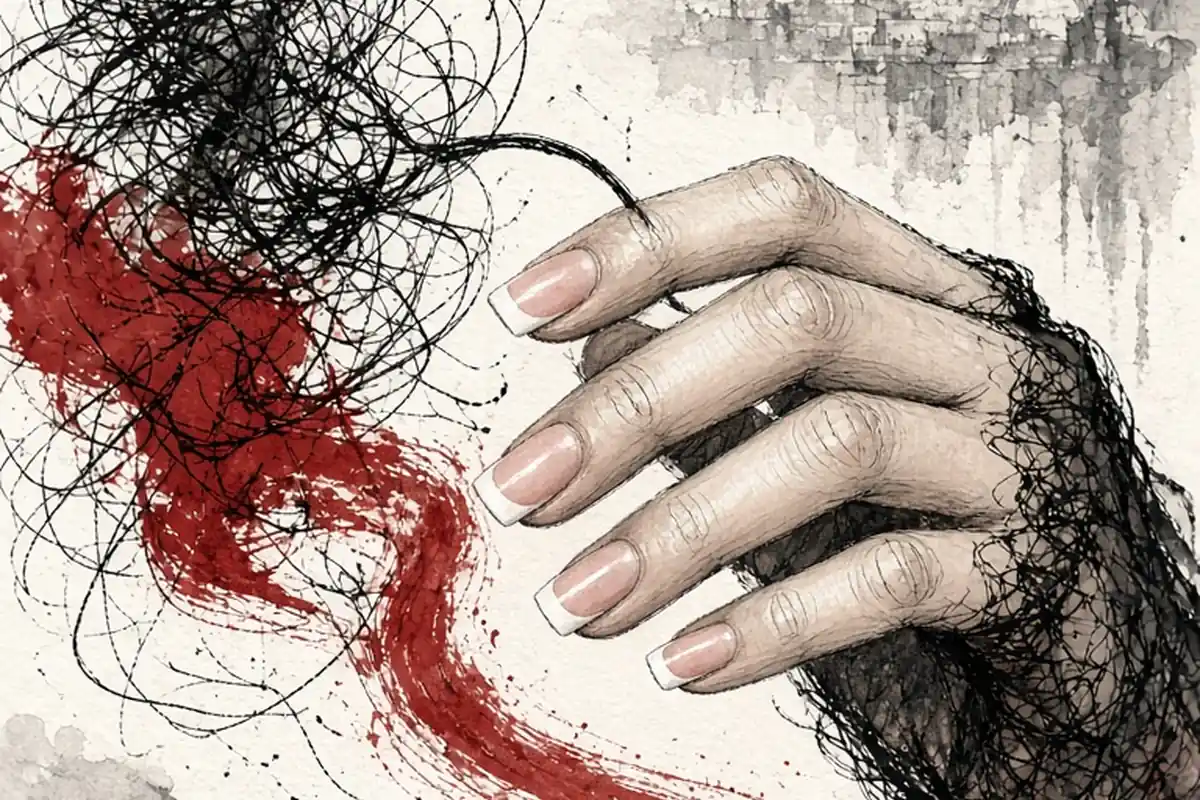
A classic French manicure typically lasts anywhere from five to twenty-one days depending on the formula you choose. Traditional regular polish generally lasts five to seven days before tipping or chipping. A gel French manicure remains intact for two to three weeks, without chipping or dulling, while dip powder or acrylic variations can last three to four weeks before requiring a fill or touch-up due to natural nail growth.
The clean contrast of a crisp white tip over a sheer neutral base makes the French manicure a staple for everyday wear and special occasions alike. Because the crisp smile line sits directly on the high-impact free edge of the fingernail, knowing what to expect from different application methods helps you pick the right option for your schedule.
Longevity Differences Across Common Polish Formulations
The primary factor determining how long your French manicure holds up is the underlying chemistry of the product applied to your nails. Standard nail lacquer relies on solvent evaporation to harden, leaving behind a flexible film that naturally wears down as your hands touch surfaces. When applied with a quality base coat and clear top layer, a regular lacquer French manicure will generally maintain a pristine appearance for about five to seven days. Beyond that point, micro-abrasions on the white tip often cause minor flaking, particularly along the dominant hand.
In contrast, gel polish relies on photo-initiators cured under LED or ultraviolet light, creating a cross-linked polymer network that bonds tightly to the nail plate. A gel French manicure routinely lasts between fourteen and twenty-one days without losing its glossy finish or suffering edge chips. Dip powder and acrylic systems offer even greater rigidity and structural reinforcement, frequently lasting three to four weeks. With these harder systems, longevity is limited not by chipping, but by visible natural nail growth near the cuticle line.
Why French Tips Show Wear Sooner Than Solid Shades
A French manicure highlights the free edge of the nail by design, which is also the exact area that endures the highest physical stress throughout the day. When you wear a solid neutral or dark polish, tiny hairline cracks along the tip often blend into the background color or go unnoticed until a larger chip breaks away. With a French set, however, the stark white smile line creates an immediate visual border against whatever surface is behind it, making even a half-millimeter loss of pigment obvious.
Additionally, creating a French tip requires layering distinct coats of polish over specific sections of the nail. If the technician applies the white lacquer too thickly in an attempt to create full opacity in one stroke, that white line becomes slightly raised compared to the sheer base. This slight ridge increases friction when your fingers brush against keyboards, fabric, or countertops, which makes the tip more susceptible to premature lifting if the edges are not completely sealed with a uniform top coat.
Everyday Habits That Accelerate Chipping and Peeling
Water exposure is one of the most common reasons a manicure degrades ahead of schedule. Your natural nails are porous structures made of keratin layers that absorb water easily, expanding when soaked and contracting as they dry out. Frequent handwashing without immediate drying, long hot baths, or doing dishes without gloves causes the nail plate beneath the polish to swell. Because the cured polish layer cannot stretch to match this expansion, the mechanical bond weakens, leading to edge lifting along the free edge.
Routine physical friction and chemical exposure also shorten the life of a French set. Using your fingernails as scraping tools to open packages, peel labels, or tap firm surfaces places direct shearing force right on the white tip. Similarly, household cleaning sprays, hand sanitizers with high alcohol concentrations, and gardening soil can dry out the surrounding cuticle tissue and dull the glossy top coat, creating microscopic surface breaches where moisture can creep under the polish.
Preparation and Application Techniques That Extend Wear
A long-lasting French manicure begins with thorough nail plate preparation rather than the polish itself. The surface of the natural nail must be completely clean and free of natural oils, lotion residues, and invisible cuticle tissue adhering to the nail bed. Gently pushing back the proximal nail fold and cleansing the surface with a lint-free wipe soaked in pure isopropyl alcohol ensures that the base coat adheres directly to bare keratin rather than a slick film of surface oil.
The capping technique is equally critical during application. Every layer—from the foundational base coat and sheer nude body to the white tip and final clear top coat—should be lightly swiped across the free edge of the nail. This seals the sandwich of polish over the physical tip, wrapping the vulnerable edge in protective clear coat. Thin, controlled layers are vastly superior to thick coats, as thin layers cure more uniformly and flex naturally with your nail movements instead of snapping under pressure.
Daily Maintenance to Keep the French Finish Clean and Glossy
Preserving your manicure requires simple, consistent habits rather than elaborate salon treatments. If you have a traditional lacquer French manicure, applying a thin layer of quick-dry clear top coat every two to three days refreshes the protective barrier and seals any tiny micro-scratches that have formed along the white tips. For gel, dip, or acrylic sets, daily application of a penetrating cuticle oil containing jojoba or squalane helps keep the surrounding skin supple and prevents the natural nail plate from drying out and pulling away from the enhancement.
Protecting your hands during household chores makes an immediate difference in how long the tips stay pristine. Wearing lined rubber gloves when washing dishes or handling harsh cleaning agents shields both the polish and your natural skin barrier from chemical breakdown. When typing on a keyboard or using a touchscreen, try to position your fingers so the fleshy pads of your fingertips make contact rather than the leading edges of your nails.
Fixing Minor Imperfections and Knowing When to Reset
If a small chip appears on the white tip of a regular lacquer manicure, you can often disguise it without redoing the entire nail. Lightly dab a matching sheer base over the chipped area to level the surface, then use a fine detail brush with opaque white polish to reconstruct the missing section of the smile line before sealing the entire nail with a fresh top coat. While this will not look factory-fresh under close scrutiny, it blends well at a conversational distance and prevents further peeling for a day or two.
For gel or dip powder sets, minor edge lifting should never be pulled, peeled, or picked off with your fingers. Tearing lifted polish away strips away the top dorsal layers of your natural nail, thinning the plate and making future manicures far more likely to lift prematurely. If a gel edge begins to catch on clothing or hair, use a fine-grit buffer to gently smooth down the lifted lip, or schedule a professional removal and reapplication to maintain the structural health of your natural nails.
Frequently asked questions
Can I make a regular polish French manicure last two full weeks?
Traditional lacquer rarely lasts two full weeks because it lacks the cross-linked chemical structure of gel or acrylics. You can usually stretch regular polish to seven or eight days with meticulous prep and regular top coat reapplications, but typical daily friction naturally causes tip wear after the first week.
Why does the white tip on my French manicure turn yellow over time?
Yellowing is typically caused by UV exposure from sunlight or tanning beds, as well as contact with dark pigments in hair dyes, facial tanners, spices, or certain cleaning chemicals. Applying a non-yellowing top coat with built-in UV blockers helps preserve the crisp, bright white contrast.
Is gel or dip powder better for a French manicure?
Gel is ideal if you prefer a lightweight, natural feel with a glossy finish that easily lasts two to three weeks. Dip powder provides a firmer, thicker reinforcement that can protect brittle nails and last up to four weeks, though it takes longer to remove safely.
Your next step
To get the longest life out of your French manicure, match the formula to your daily routine, ensure your technician caps the free edge, and apply cuticle oil daily to protect the bond.