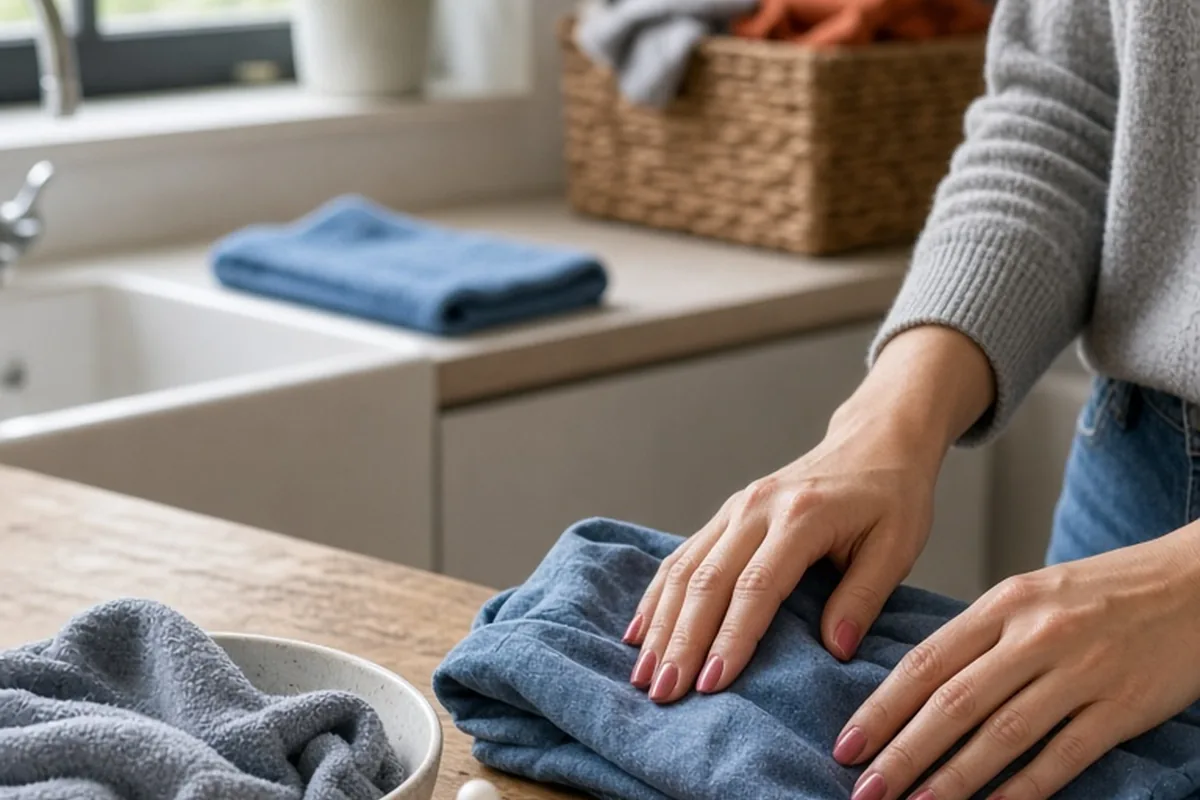
A standard regular polish manicure typically lasts between five and seven days before chipping, while a gel manicure reliably lasts two to three weeks. Dip powder and acrylic enhancements generally hold up for three to four weeks before requiring a fill or removal. Exact longevity depends heavily on nail prep, your daily water exposure, natural nail flexibility, and how actively you protect your hands during routine tasks.
Knowing what to expect from each manicure style allows you to select the right application for your lifestyle, budget, and schedule. While professional formulas offer a reliable baseline, the true lifespan of any manicure comes down to how the coating interacts with your natural nail plate and how much daily wear and tear your hands endure.
Expected Durability Across Common Manicure Types
Different manicure techniques rely on distinct chemical formulations, which creates wide variation in how long each style remains intact. Traditional nail lacquer dries through solvent evaporation, leaving behind a thin, flexible coat of pigment and resin. Because it cures without chemical cross-linking or exposure to ultraviolet light, regular polish remains vulnerable to solvents, oils, and physical abrasion, typically beginning to wear at the free edge after five to seven days.
Gel manicures utilize photo-initiated oligomers and monomers that polymerize under UV or LED light, creating a durable network of cross-linked polymers. This structure withstands friction and light water exposure far better than regular polish, easily maintaining an unblemished gloss for fourteen to twenty-one days. Dip powder systems combine fine acrylic powder with cyanoacrylate adhesives, curing into a dense, rigid shield that frequently endures three to four weeks without chipping. Acrylic extensions and hard gel overlays offer comparable multi-week durability, though their longevity is ultimately capped by the visible gap created by natural nail regrowth.
Preparation Steps That Dictate Polish Longevity
The longevity of any nail application is largely decided before the first drop of color touches the nail. Natural nail plates continuously produce lipid secretions and absorb moisture from environmental exposure. If natural oils, hand creams, or dead cuticle tissue remain on the nail surface, the polish binds to that temporary barrier rather than the keratin beneath it. Proper dry preparation—gently pushing back the eponychium, removing the transparent true cuticle adhering to the plate, and lightly dehydrating the surface with high-concentration isopropyl alcohol or acetone—provides a clean substrate for optimal bonding.
Equally important is the mechanical technique used during application, specifically the practice of capping the free edge. When polish is applied only across the top of the nail, the exposed tip remains open to daily friction and water intrusion. Sealing the horizontal edge of the nail with base coat, color, and top coat wraps the vulnerable margin in a continuous seal. For instance, someone who types on a flat laptop keyboard all day will notice their tips chipping within forty-eight hours if the edge was left uncapped, whereas a properly sealed edge protects against that repetitive micro-impact.
Environmental Factors and Everyday Mechanical Stress
Water is one of the most common yet overlooked catalysts for premature manicure failure. Keratin is porous and naturally flexible, absorbing water like a dry sponge. When your hands soak in water during a shower or while washing dishes, the nail plate expands in width and thickness. As it dries, it contracts back to its original dimensions. Rigid overlays, particularly gel, dip, and acrylic, do not expand and contract at the same rate as the natural nail. This repetitive dimensional shift strains the adhesive bond, eventually causing the coating to separate and lift along the sidewalls and cuticle line.
Mechanical habits play an equally direct role in shortening manicure life. Using fingernails to pry open soda cans, scrape stickers off glass, or untie stubborn knots applies concentrated shear force directly to the free edge. Even continuous typing with the tips of long nails rather than the soft pads of the fingers creates cumulative stress that fractures standard lacquer and cracks the stress zones of gel overlays. Wearing lined rubber gloves during wet chores and conscious adjustments to how you use your hands can easily add a week of clean wear to any salon treatment.
Natural Nail Anatomy and Biological Differences
Every person has a distinct nail plate profile, which explains why two individuals receiving identical treatments from the same nail technician can experience vastly different results. People with naturally oily skin and nail beds tend to produce more sebum, which can slowly undermine the bond of both traditional lacquers and cured gels from underneath. Conversely, individuals with dry, brittle nails may struggle with flaking layers where the polish adheres firmly to the topmost cells, but the nail plate itself splits away in sheets.
Nail flexibility also dictates which formulas will stay intact. Extremely soft, bendable nails often reject rigid coatings like dip powder or traditional hard acrylics because the natural nail flexes whenever it bumps an object, while the hard overlay stays still, snapping the bond between them. In these situations, flexible rubber base gels or standard soft gels frequently outlast harder alternatives. Recognizing whether your nails are oily, dry, rigid, or bendy allows you to select formulas engineered to work with your natural physiology rather than fighting against it.
Recognizing Early Lifting and Preventing Nail Damage
A manicure often shows subtle signs of failure several days before a chip visibly breaks away. The earliest indication is micro-lifting, visible as a faint, pale halo or pocket along the cuticle line or side grooves where the product has detached from the plate. Another telltale signal is hair or clothing threads catching under the edge of the polish when you run your fingers through your hair. Once an edge has lifted, the protective barrier is compromised, and trying to press it back down or ignore it creates vulnerabilities.
The greatest risk at this stage is the temptation to peel or pry the remaining product off the nail. Because modern adhesives bond deeply into the microscopic ridges of the nail plate, ripping off lifted gel or dip forcefully strips away several layers of dorsal keratin. This thins the nail, leaves rough white patches, and makes future manicures significantly less likely to adhere. Furthermore, moisture trapped under a lifted pocket can foster an ideal environment for microbial growth. If product lifts significantly before you are ready for a fresh set, gently filing down the lifted edge or scheduling a professional removal is the safest course of action.
Daily Maintenance Habits That Extend Finish and Adhesion
Extending the lifespan of a manicure does not require extensive time, but it does demand small, consistent maintenance habits. The most impactful daily habit is applying a high-quality, penetrating cuticle oil—particularly one formulated with jojoba oil, which has a molecular size small enough to permeate both the nail plate and surrounding skin. Keeping the nail plate conditioned prevents it from becoming brittle and curling inward away from the polish, while keeping the cured coating pliant enough to absorb everyday bumps without shattering.
For standard traditional lacquer, refreshing the manicure with a thin layer of quick-dry top coat every two to three days replenishes the glossy surface and re-seals worn edges. For gel or dip systems, daily moisturizing should be paired with barrier protection: applying hand creams only after hands are clean and dry, avoiding direct contact with acetone or harsh household cleaners, and promptly patting hands dry around the cuticle area after washing. These low-effort adjustments protect your investment and keep the perimeter of the nail pristine until your natural regrowth warrants a new service.
Frequently asked questions
Can regular nail polish ever last two full weeks?
Standard polish rarely lasts two full weeks without chipping because it lacks the cross-linked chemical structure of UV-cured products. Even with immaculate preparation and multiple top coats, daily hand washing and friction will generally cause visible wear at the tips within seven to ten days.
Why does my gel manicure peel off in one whole piece?
Gel peeling off like a sticker usually points to improper nail plate preparation or excess surface moisture before curing. If natural oils, dust, or invisible cuticle tissue were not thoroughly cleansed from the plate, the gel bonds to that surface debris rather than the nail itself.
Is it safe to keep dip powder or gel on for longer than four weeks?
Leaving enhancements on past four weeks creates mechanical instability because the apex, or structural high point, shifts forward as the nail grows. This imbalance puts leverage on your natural nail bed during everyday impacts, significantly increasing the chance of painful breaks or tears.
How soon after a manicure can you wash your hands or take a shower?
You can wash your hands immediately after a gel or dip manicure because both are fully cured when you leave the chair, though lukewarm water is preferable. For regular lacquer, wait at least one to two hours before light washing and avoid long, hot showers for several hours while the inner solvent completely evaporates.
Your next step
Assess your natural nail flexibility and daily routine, then select an application method and maintenance plan that matches your habits rather than forcing an incompatible formula onto vulnerable nails.