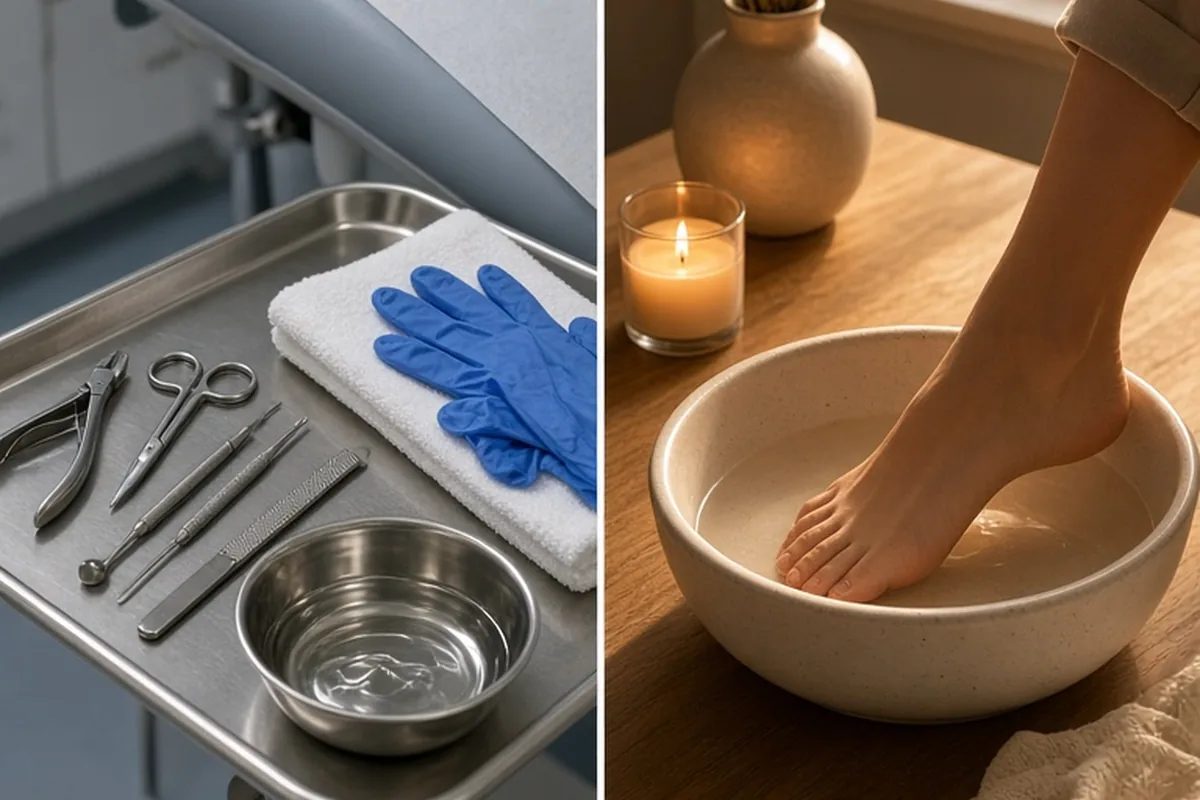
People with diabetes can safely receive pedicures, but they must take extra precautions to prevent skin tears, burns, and infections. Because diabetes can reduce blood flow and dull nerve sensation in the feet, routine salon treatments should be modified to avoid sharp blades, harsh scrubs, and scalding water, or replaced with specialized medical pedicures performed by certified professionals.
Foot care is an important part of overall grooming and personal hygiene, but living with diabetes changes how you must approach standard salon visits. Understanding which beauty practices support healthy skin and which common salon techniques pose serious health risks allows you to enjoy clean, well-groomed feet without compromising your safety.
Why Pedicures Require Extra Caution for Diabetics
Diabetes often affects the body's vascular and nervous systems over time, leading to two primary concerns for foot health: peripheral neuropathy and reduced circulation. Peripheral neuropathy diminishes your ability to feel pain, temperature changes, or minor friction. When nerve sensitivity is impaired, a small cut from a cuticle nipper or a minor scrape from an abrasive file may go completely unnoticed during a salon service. Without normal pain signals alerting you to an injury, small abrasions can easily worsen before you realize anything is wrong.
Compounding the issue of nerve damage is peripheral arterial disease, which narrows blood vessels and restricts blood flow to the lower extremities. Healthy circulation delivers oxygen, nutrients, and immune cells necessary for fighting bacteria and repairing broken tissue. When blood flow is compromised, even a microscopic scratch can take weeks or months to close, creating an open gateway for stubborn bacterial or fungal infections. Traditional nail salons, with their moist environments and shared equipment, carry inherent microbial risks that require careful, proactive management for anyone managing diabetes.
Dangerous Salon Practices to Avoid Completely
Standard pedicure menus frequently include aggressive exfoliation techniques and sharp metal instruments designed for rapid cosmetic results. For an individual with diabetes, several of these routine treatments should be strictly off-limits. Razor-type callus shavers, often called credo blades, pose an immediate hazard because they slice away layers of thickened skin with an open razor. A slight shift in pressure or an unsteady hand can easily slice into healthy living tissue, creating a deep wound that resists healing.
Cuticle trimming is another widespread practice that should be avoided. The cuticle functions as a natural biological seal that shields the nail matrix from environmental pathogens. Cutting or nipping this tissue destroys that barrier and invites paronychia, a painful bacterial infection around the nail borders. Chemical callus-softening gels containing high concentrations of potassium hydroxide or salicylic acid also present dangers, as prolonged exposure can cause chemical burns on sensitive or thinned diabetic skin.
Aggressive mechanical scrubbing with coarse pumice stones or metal cheese-grater style rasps creates micro-fissures in the stratum corneum. While these tools may leave feet feeling temporarily smooth, they weaken the skin's defense mechanisms. In severe cases, the friction generates heat and skin tears that go unnoticed due to reduced sensory feedback, turning a relaxing aesthetic appointment into a medical concern.
How to Vet a Nail Salon for Health and Cleanliness
Before booking an appointment, taking time to evaluate a salon's sanitation protocols is essential for protecting your health. Start by observing how the facility cleans and sterilizes its metal implements between clients. High-quality salons use a medical-grade autoclave—a device that uses pressurized steam and heat to destroy all microorganisms, spores, and viruses. Liquid chemical disinfectants, while common, are only effective if tools remain submerged for the full manufacturer-recommended duration, which busy salons may inadvertently cut short during peak hours.
Pay close attention to the foot basins. Traditional whirlpool foot tubs with built-in internal pipes and jets are notorious for trapping dead skin cells, bacteria, and fungal spores within their internal plumbing, which can circulate back into fresh bathwater. Safer alternatives include pipeless foot baths with removable magnetic impellers, disposable tub liners replaced after every guest, or completely waterless pedicure services. Additionally, check that porous items such as wooden orange sticks, nail files, toe separators, and buffer blocks are discarded after a single use rather than stored in technician drawers.
Essential Modifications to Request During Your Service
Advocating for your needs begins the moment you sit in the technician's chair. Inform the nail technician clearly that you have diabetes and require non-invasive, gentle foot care. Request that they test the water temperature before your feet enter the bath. Because neuropathy can prevent you from detecting excessively hot water, the soak should be lukewarm—ideally between 90 and 95 degrees Fahrenheit—to prevent thermal burns or skin drying. Keep the soaking duration brief, limiting it to under ten minutes to prevent skin from becoming waterlogged, fragile, and prone to tearing.
Instruct the technician to clip your toenails straight across without rounding down the edges or digging deeply into the lateral nail folds. Cutting nails into curved shapes or tapering the corners increases the likelihood of developing an ingrown toenail, which can puncture the surrounding skin and develop into an infection. An emery board should be used only to gently soften sharp corners rather than drastically altering the nail's natural anatomy. If you enjoy leg and foot massage, ask for light, sweeping strokes rather than vigorous, deep-tissue pressure, which can damage fragile capillaries or dislodge potential blood clots in individuals with poor vascular health.
The Rise of Medical Pedicures as a Clinical Alternative
For people seeking professional foot maintenance without the sanitary uncertainties of standard day salons, medical pedicures—often called medi-pedis—offer a safe, specialized alternative. These services are typically performed in podiatry clinics, dermatology offices, or specialized medical wellness centers by Certified Medical Nail Technicians (CMNT) or podiatrists. Unlike standard nail technicians, medical nail practitioners undergo advanced training in diabetic foot pathologies, infection control, and anatomical biomechanics.
Medical pedicures are generally waterless, eliminating foot basins entirely to eliminate waterborne contamination risks. Technicians use autoclaved, surgical-grade instruments and specialized electric files fitted with diamond or ceramic bits to gently thin thickened nails and reduce calluses without friction heat or cuts. While medical pedicures carry a higher out-of-pocket cost and may lack the social atmosphere of a traditional salon, they provide peace of mind by combining rigorous hygiene standards with aesthetic care.
Daily At-Home Foot Care Habits Between Appointments
Professional services only account for occasional maintenance; daily home care is the foundation of long-term diabetic foot wellness. Establish a daily routine of inspecting every part of your feet, including the soles, heels, and spaces between your toes. If mobility or vision limitations make inspecting your soles difficult, use an unbreakable hand mirror placed on the floor or ask a family member to examine your feet for cuts, redness, swelling, cracks, or blisters.
Wash your feet daily with mild soap and lukewarm water, and pat them thoroughly dry with a clean, soft towel, paying particular attention to the moisture trapped between your toes. Apply a urea- or ceramide-based moisturizing cream to your heels, soles, and the tops of your feet to prevent fissures from developing, but avoid placing lotion between your toes. Excess moisture between the toes fosters an environment where fungal organisms thrive. Finish by wearing clean, moisture-wicking, seamless socks that do not compress your ankles or restrict circulation.
Recognizing Warning Signs That Require Immediate Attention
Even when you take every precaution, unexpected complications can occasionally arise after a foot treatment. Recognizing the early symptoms of inflammation or skin breakdown enables you to seek medical intervention before a minor irritation evolves into an ulcer. Monitor your feet closely for forty-eight to seventy-two hours following any pedicure service, looking for localized redness that spreads outward, localized heat, increased swelling, or unexplained tenderness.
If you observe red streaks tracking up your foot, drainage, cloudy discharge, bad odor, or if you develop a fever or chills, contact your podiatrist, primary care physician, or endocrinologist immediately. Avoid applying over-the-counter medicated corn pads, harsh disinfectants like hydrogen peroxide or rubbing alcohol, or attempting self-treatment with bathroom tools. Prompt clinical evaluation ensures targeted treatment, such as appropriate topical or oral antibiotics, protecting your long-term mobility and foot health.
Illustrative Scenarios
Navigating Salon Visits Safely
Arthur, a 58-year-old with type 2 diabetes and mild sensory neuropathy, wanted to maintain neat toenails but felt nervous about salon hygiene. Instead of walking into a random salon, he scheduled a morning appointment at a facility that uses an autoclave. He informed his technician about his diabetes before the service began, asked her to skip cuticle trimming and callus razors, requested lukewarm water, and brought his own clean emery board. He inspected his feet that evening and for the next three days with a mirror.
Key point: Open communication, clear boundaries regarding sharp tools, and post-service monitoring allow individuals with diabetes to enjoy safe grooming without unnecessary risks.
Frequently asked questions
Can diabetics safely get gel polish or acrylic nails on their toes?
While polish itself is generally safe, gel and acrylic enhancements require extensive buffing, acetone soaking, and UV curing that can weaken nail beds and mask underlying infections or fungal issues. Standard non-toxic nail polish is a safer option because it is easy to remove and allows for frequent visual checks of the natural nail plate.
Why is soaking feet in hot water discouraged for people with diabetes?
Peripheral neuropathy can impair your ability to accurately sense extreme temperatures, making it easy to suffer second- or third-degree burns without feeling pain. Prolonged soaking also strips natural protective oils from the skin and causes waterlogging, which weakens skin elasticity and increases tear risks.
How often should a person with diabetes receive a pedicure?
Professional nail care every four to six weeks is generally sufficient to keep toenails trimmed and calluses under control. If you have significant circulation issues or severe neuropathy, consult your podiatrist to determine whether professional trimming should be done exclusively in a medical office.
Your next step
Schedule an evaluation with your podiatrist to assess your individual risk level, and choose either a certified medical nail technician or a salon that strictly accommodates diabetic-safe protocols.